


 English
 русский
 Español
Diesel Particulate Filter (DPF) Catalyst Element
Diesel Particulate Filter (DPF) welded assemblies are critical mechanical modules in the exhaust after-treatment system for achieving efficient partic...
A diesel particulate filter (DPF) is a critical emissions control device fitted to the exhaust systems of diesel-powered vehicles. Its primary function is to capture and store soot particles produced during combustion, preventing them from being released into the atmosphere. Without a functioning DPF, a modern diesel vehicle will fail emissions tests, trigger warning lights, and — in most countries — be illegal to drive on public roads. Understanding how a DPF works, how to maintain it, and what happens when it fails can save vehicle owners thousands of dollars in unnecessary repairs.
The DPF is located in the exhaust system, usually close to the engine where exhaust temperatures are highest. Inside, it contains a honeycomb-structured ceramic substrate — commonly made from cordierite or silicon carbide — with thousands of tiny channels. These channels are alternately blocked at each end, forcing exhaust gases to pass through the porous walls. As gas flows through, soot particles (also called particulate matter or PM) are physically trapped within the wall structure.
Over time, captured soot would clog the filter entirely if not periodically cleaned. This cleaning process is called regeneration, and it comes in two main forms:
Some manufacturers also use a fuel additive (such as Eolys fluid used by PSA/Peugeot-Citroën) that lowers the combustion temperature of soot particles, enabling regeneration at lower exhaust temperatures — which is particularly useful in urban driving environments.
The World Health Organization classifies diesel exhaust as a Group 1 carcinogen. Soot particles — particularly those smaller than 2.5 microns (PM2.5) — penetrate deep into lung tissue and are linked to respiratory disease, cardiovascular conditions, and premature death. A well-functioning DPF captures more than 85% of particulate matter, with modern designs achieving filtration efficiency exceeding 99%.
In the European Union, the Euro 5 emissions standard (introduced in 2009) mandated a particulate limit of 5 mg/km for new diesel passenger cars — a level essentially impossible to achieve without a DPF. Euro 6 (from 2014 onward) maintained this limit while adding stricter NOx controls. In the United States, the EPA's Tier 2 and more recent Tier 3 standards have similarly driven DPF adoption across diesel light-duty and heavy-duty vehicles.
Removing or bypassing a DPF — commonly called a "DPF delete" — is illegal in most jurisdictions and carries substantial penalties. In the UK, for example, a vehicle found to have a tampered DPF can be refused an MOT certificate and fined up to £1,000 for cars or £2,500 for vans.
DPF failure rarely happens suddenly. It is almost always the result of one or more of the following conditions accumulating over time:
A blocked or failing DPF typically presents with a recognisable progression of symptoms. Understanding the stages helps drivers act before the problem becomes irreversible:
| Stage | Warning Indicator | Typical Soot Load | Recommended Action |
|---|---|---|---|
| 1 – Active Regen | DPF light flashes briefly | ~45% | Drive 15–20 min at 60+ mph (100 km/h); do not switch off engine |
| 2 – Blocked Filter | DPF light stays on; engine may enter limp mode | ~75–80% | Forced regeneration by dealer using diagnostic equipment |
| 3 – Critically Blocked | DPF + engine management lights on; severe power loss; excessive smoke | >90% | Professional cleaning or filter replacement required |
Additional symptoms at advanced stages include a noticeable drop in fuel economy (often 10–20% worse than normal), a strong smell of diesel, oil level rising unexpectedly (caused by unburned fuel washing past piston rings during failed regenerations), and white or black smoke from the exhaust.
When a DPF cannot be regenerated through driving alone, owners face a choice between professional cleaning and outright replacement. The decision depends on how blocked the filter is, the extent of any physical damage, and the vehicle's age.
Several specialist cleaning methods exist for DPFs that are heavily loaded with soot and ash but structurally intact:
A successfully cleaned filter typically restores 85–95% of its original flow capacity and can be expected to perform normally for a further 100,000+ kilometres if the underlying cause of clogging is addressed.
Replacement becomes necessary when the ceramic substrate has cracked or melted (a risk during severe uncontrolled regeneration events), when physical damage is present from road debris, or when the filter has accumulated enough ash over its lifetime that cleaning no longer restores adequate performance. Replacement costs vary widely:
Labour charges for DPF removal and installation typically add £100–£300 ($125–$380 USD) depending on location and vehicle accessibility.
Proactive maintenance is significantly cheaper than reactive repair. The following practices can substantially extend DPF service life:
The DPF is engineered specifically for vehicles that regularly complete longer journeys. For drivers who cover predominantly short urban trips, a modern petrol, hybrid, or electric vehicle will typically present fewer running costs and less maintenance complexity. Automotive associations, including the AA in the UK, consistently advise that diesel vehicles with DPFs are best suited to drivers who regularly cover more than 15,000 km (approximately 10,000 miles) per year on mixed or motorway routes.
For diesel drivers who do match this usage profile, the DPF is an effective, low-maintenance system when properly understood. The majority of premature DPF failures encountered in workshops are preventable with correct oil specification, awareness of the regeneration process, and periodic longer drives — none of which represent a significant burden for higher-mileage drivers.
The technology continues to improve. Silicon carbide substrates introduced over the past decade offer superior thermal resistance compared to earlier cordierite designs. Wall-flow catalyst-coated DPFs (combining DPF and oxidation catalyst functionality in a single unit) reduce the regeneration frequency required and lower the active regeneration threshold temperature. Future integrated DPF-SCR (Selective Catalytic Reduction) units promise even higher efficiency in managing both particulate and nitrogen oxide emissions simultaneously.
Regulatory frameworks governing DPF use and tampering differ by region, but the global direction of travel is clear: emissions standards are tightening, enforcement is intensifying, and the DPF is becoming a permanent fixture of diesel powertrain design wherever diesel vehicles remain on the road.
| Region | Standard Requiring DPF | PM Limit (passenger car) | DPF Delete Penalty |
|---|---|---|---|
| European Union | Euro 5 (2009) / Euro 6 (2014) | 5 mg/km | Vehicle fails roadworthiness test; fines vary by member state |
| United Kingdom | Euro 5 equivalent (2009) | 5 mg/km | MOT failure; up to £1,000 (cars) / £2,500 (vans) |
| United States | EPA Tier 2 (2004) / Tier 3 (2017) | 3 mg/mile (Tier 3 Bin 30) | EPA fines up to $44,539 per vehicle; tamper kits also illegal |
| Australia | Euro 5 equivalent (ADR 79/04) | 5 mg/km | Registration cancellation; state-level fines apply |
| China | China 6 (2020 nationwide) | 3 mg/km (China 6b) | Emissions inspection failure; vehicle use prohibited |
Modern diesel vehicles store detailed DPF-specific data accessible via the OBD-II port. While generic OBD-II scanners will read basic fault codes (such as P2002 – "DPF efficiency below threshold" or P2463 – "DPF soot accumulation"), a full DPF diagnostic requires manufacturer-specific software capable of reading:
Tools such as Delphi DS, Launch X431, Autel MaxiSys, and manufacturer-specific systems (ODIS for Volkswagen Group vehicles, ISTA for BMW, or IDS for Ford) provide access to these live data parameters, forced regeneration functions, and DPF adaptation reset procedures following filter cleaning or replacement.
Content
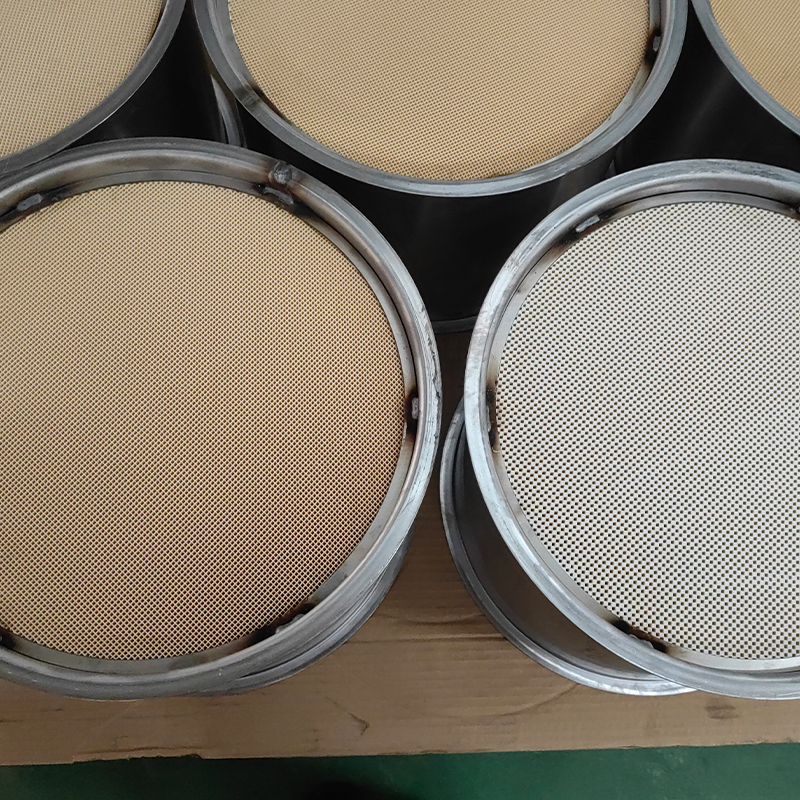
Diesel Particulate Filter (DPF) welded assemblies are critical mechanical modules in the exhaust after-treatment system for achieving efficient partic...
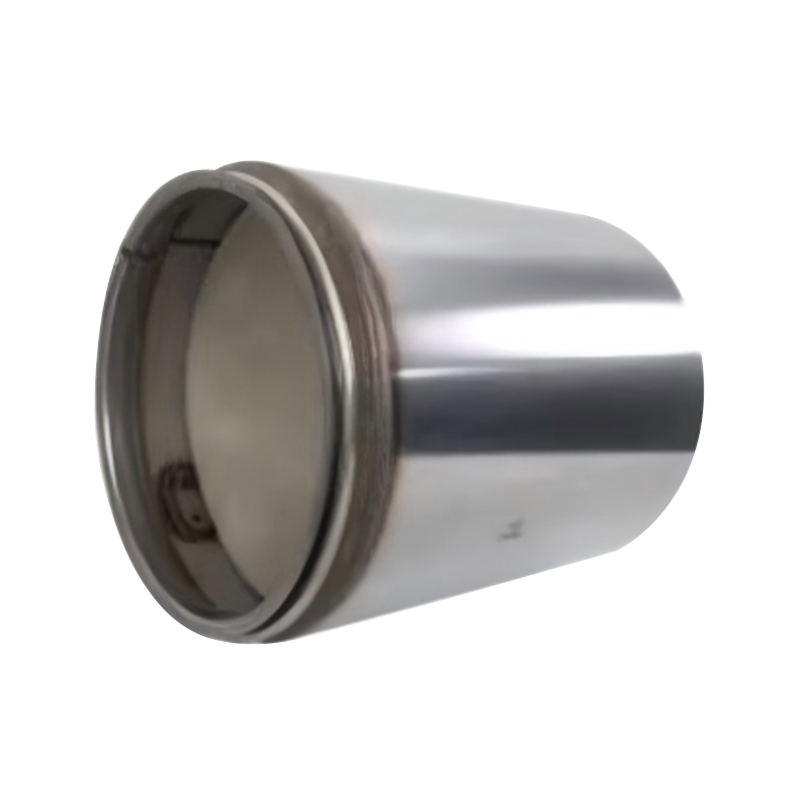
A basic diesel particulate filter (DPF) assembly for heavy-duty diesel trucks needing particulate control.Housing: stainless steel for corrosion resis...
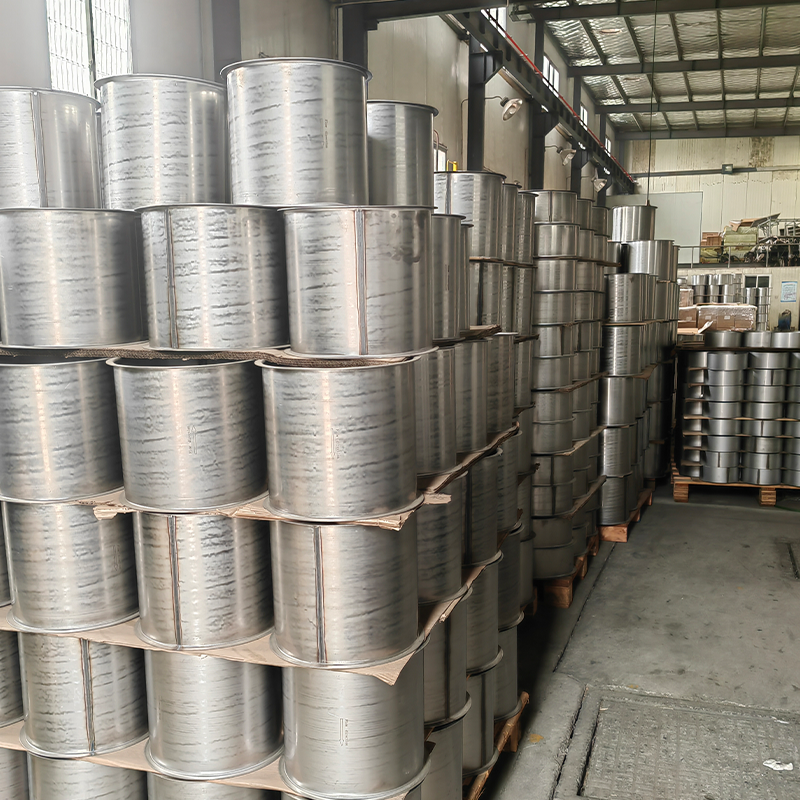
Gasoline Particulate Filter (GPF) welded assemblies are precision modules that integrate filtration, sensing, mechanical connection, and thermal manag...
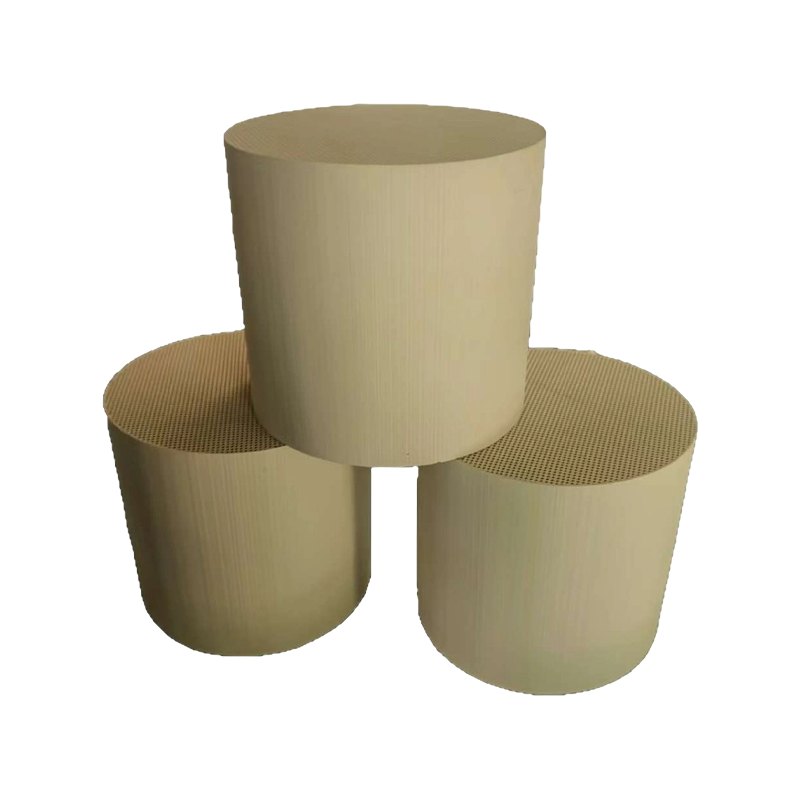
Working Principle of GPF: Filtration and RegenerationThe basic working principle of the Gasoline Particulate Filter (GPF) is highly similar to that of...
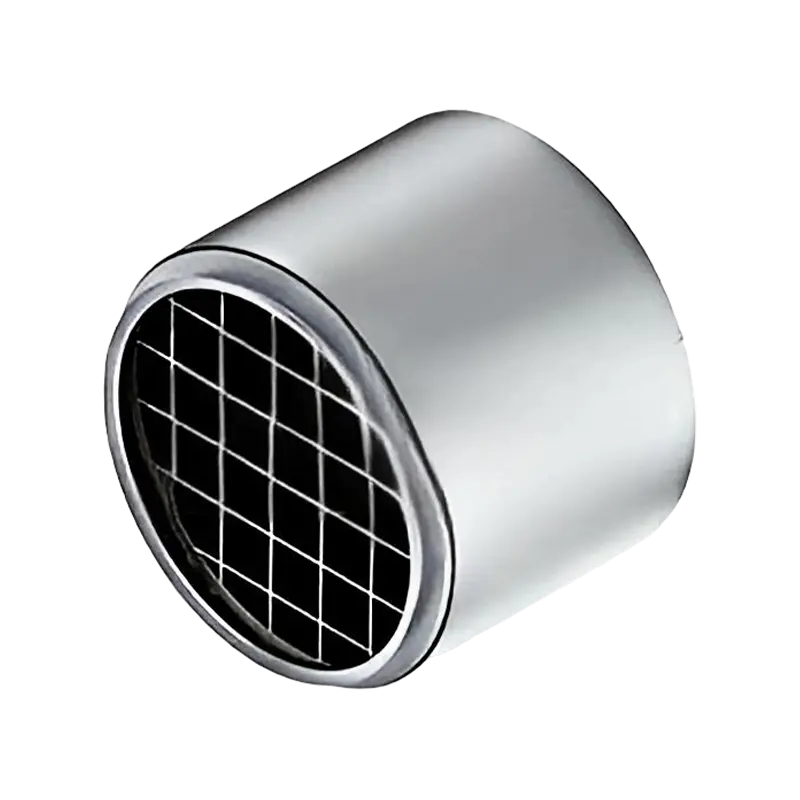
A diesel particulate filter (DPF) designed as a direct, bolt-on replacement sized to OE specification.Installation: no fabrication or trimming needed ...
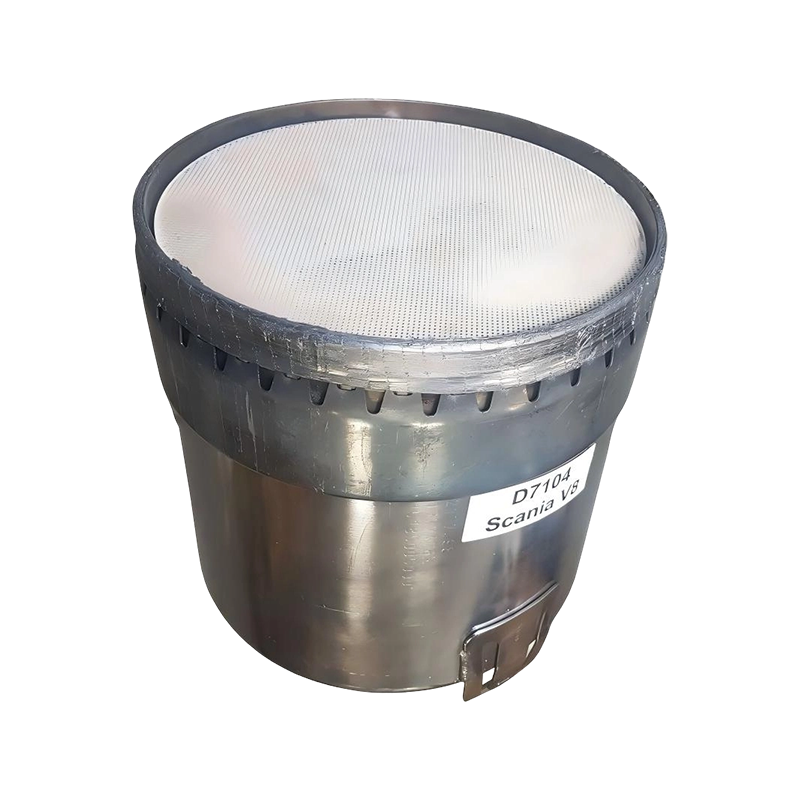
A diesel particulate filter (DPF) built to handle frequent regeneration without losing structural integrity.Heat resistance: withstands the repeated t...
The short answer first: a diesel oxidation catalyst, usually shortened to DOC, is the first functio......
READ MOREA DOC (Diesel Oxidation Catalyst) is a critical emissions control component that reduces harmful pol......
READ MOREAt roughly 600 operating hours, the dash of a compact loader lights up with a derate warning. The t......
READ MOREDPF Diesel Particulate Filter: The Most Effective Solution for Reducing Diesel Emissions A DPF dies......
READ MOREA Diesel Oxidation Catalyst (DOC) is an emissions control device installed in the exhaust system of......
READ MOREThe most direct signals that a Diesel Oxidation Catalyst (DOC) needs replacement include: a persiste......
READ MORE