

 English
 русский
 Español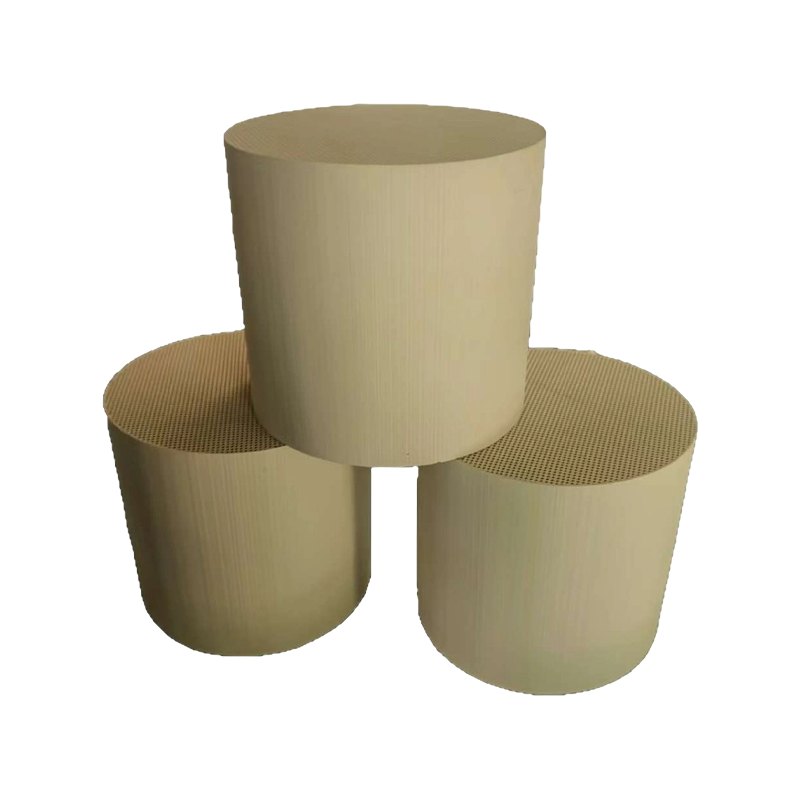
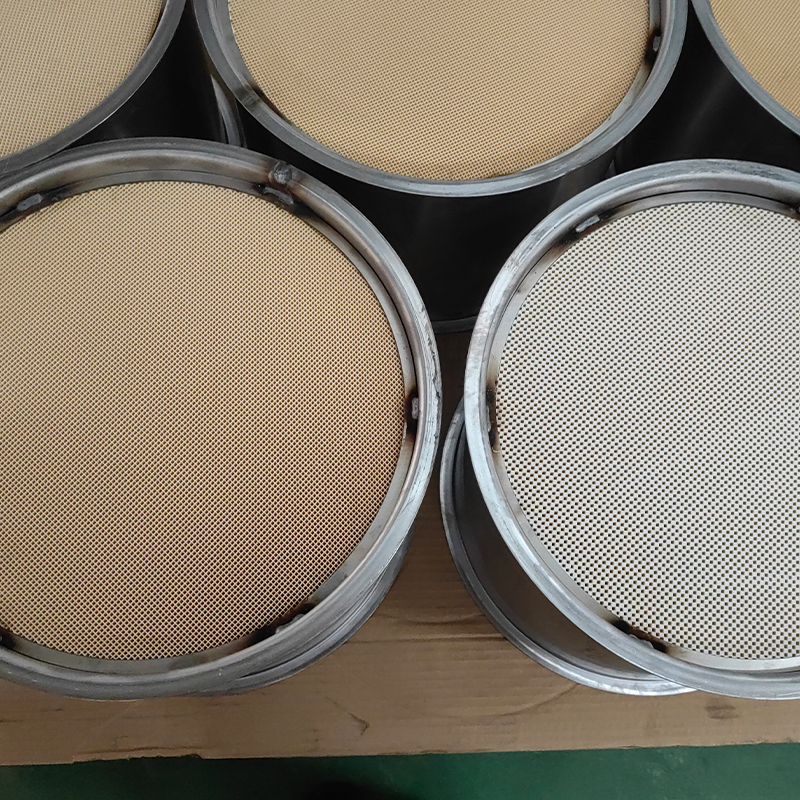
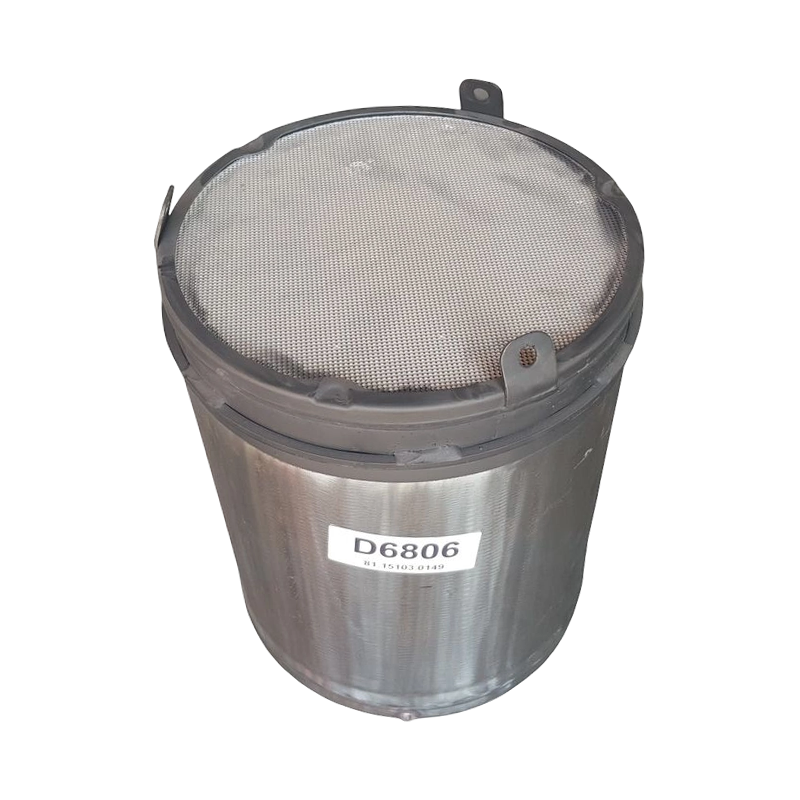
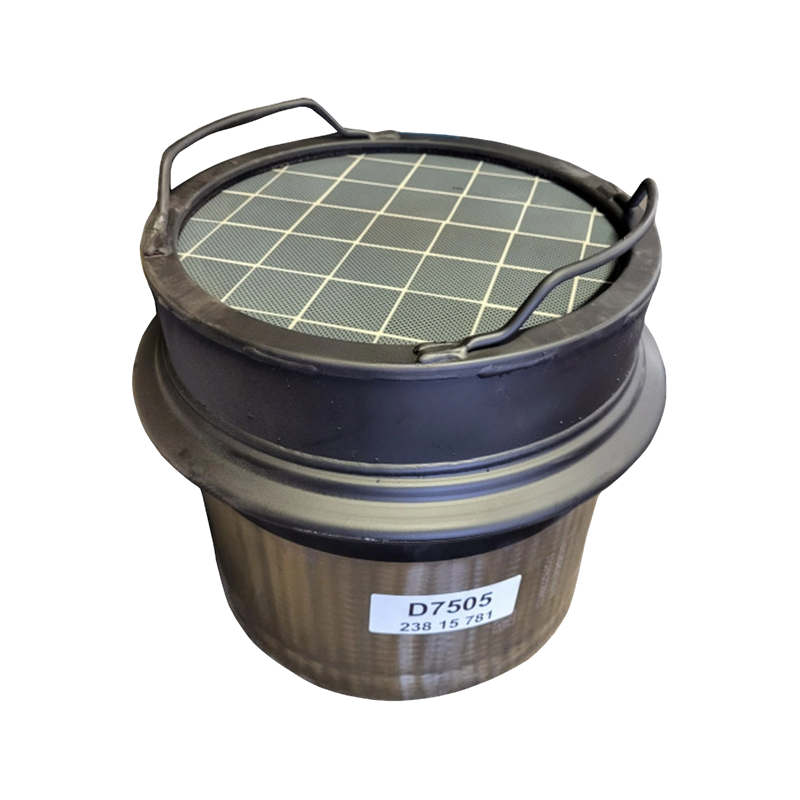
Founded in July 2011,As China Gasoline Particulate Filter (GPF) Catalyst Suppliers and Wholesale Gasoline Particulate Filter (GPF) Catalyst Factory,
Longyou Shuochun New Material Technology Co., Ltd. is a high-tech enterprise specializing in the coating and sales of three-way catalytic converters. It is deeply engaged in the field of new materials.
The company always keeps an eye on the industry frontier, actively learns from and draws on the advanced formulas and mature technologies of domestic and foreign counterparts. Through in-depth research and localization of mainstream formulas, it accurately adjusts the proportion of raw materials such as rare earths, precious metals and non-precious metals, so as to ensure that the coated carriers produced have stable catalytic activity and reliable performance.
The company's products cover a variety of specifications and models, and its products and technologies are applicable to automobiles, motorcycles, general-purpose engines, construction machinery, marine power, generator sets, agricultural machinery and other fields.
Its core capabilities include:
● Catalyst coating and substrate solutions
● TWC / DOC / SCR / DPF / GPF product range
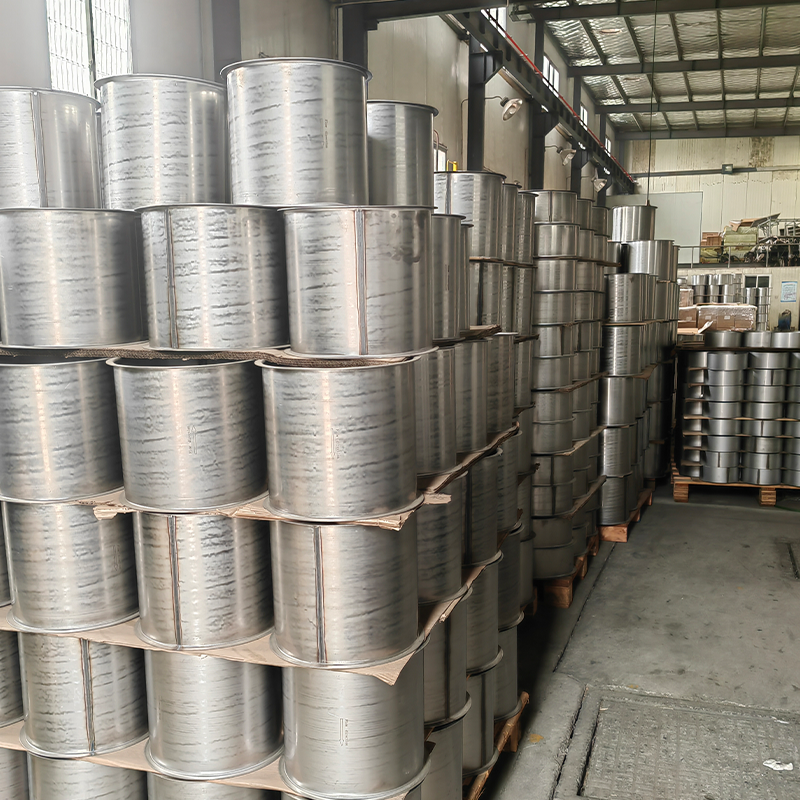
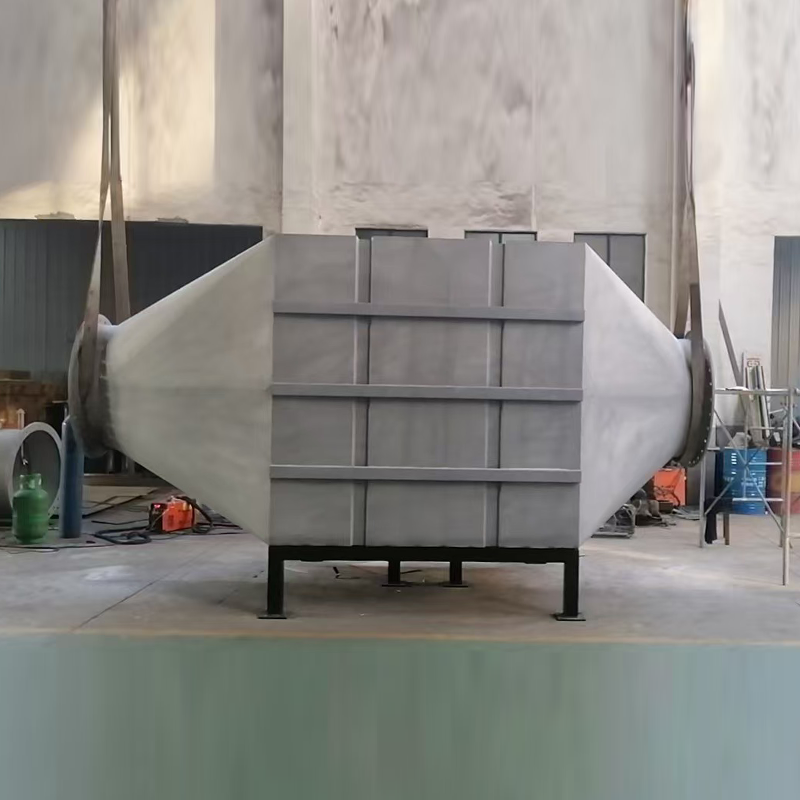
● Welded exhaust components
● Application-oriented customization
● Technical support for automotive, non-road and industrial power applications
In the future, the company will continue to learn advanced industry experience, optimize production and services, and contribute to the realization of carbon peaking and carbon neutrality goals in China and around the world.
Working Principle of GPF: Filtration and Regeneration
The basic working principle of the Gasoline Particulate Filter (GPF) is highly similar to that of the Diesel Particulate Filter (DPF), both involving a process of physical filtration and regeneration.
1. Filtration Mechanism
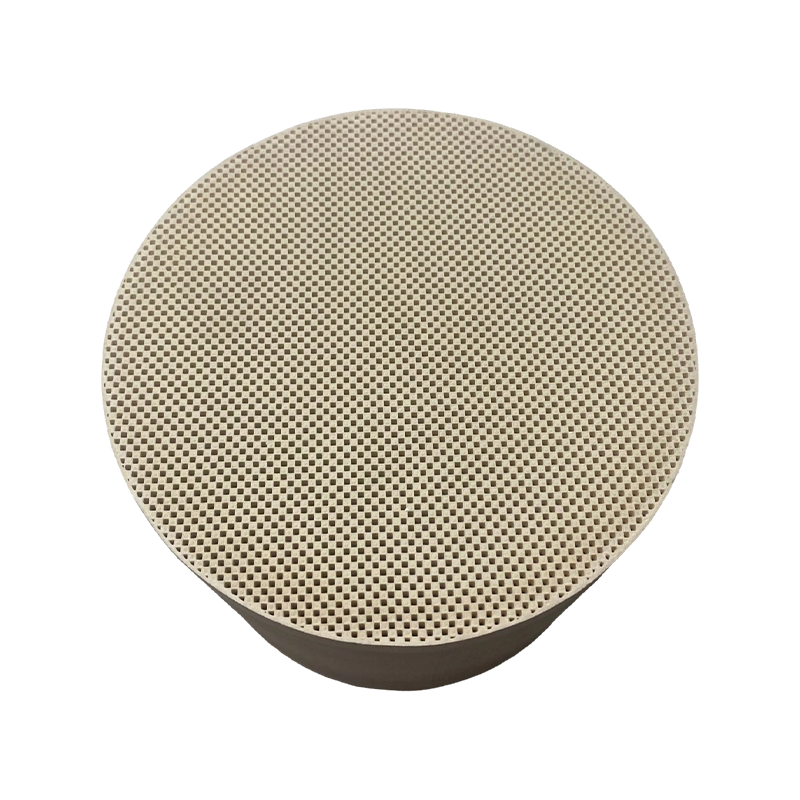
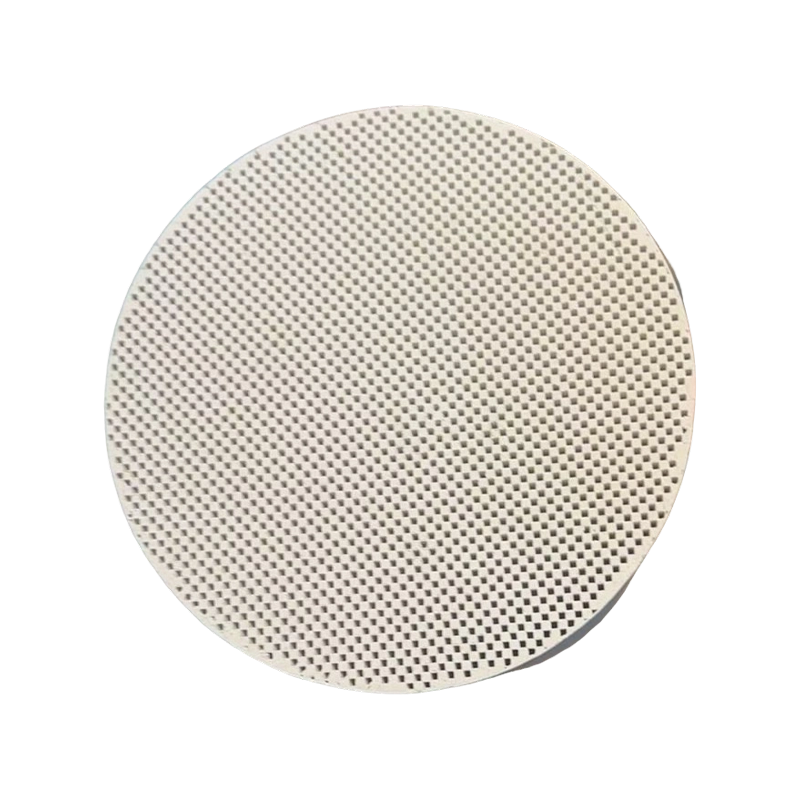
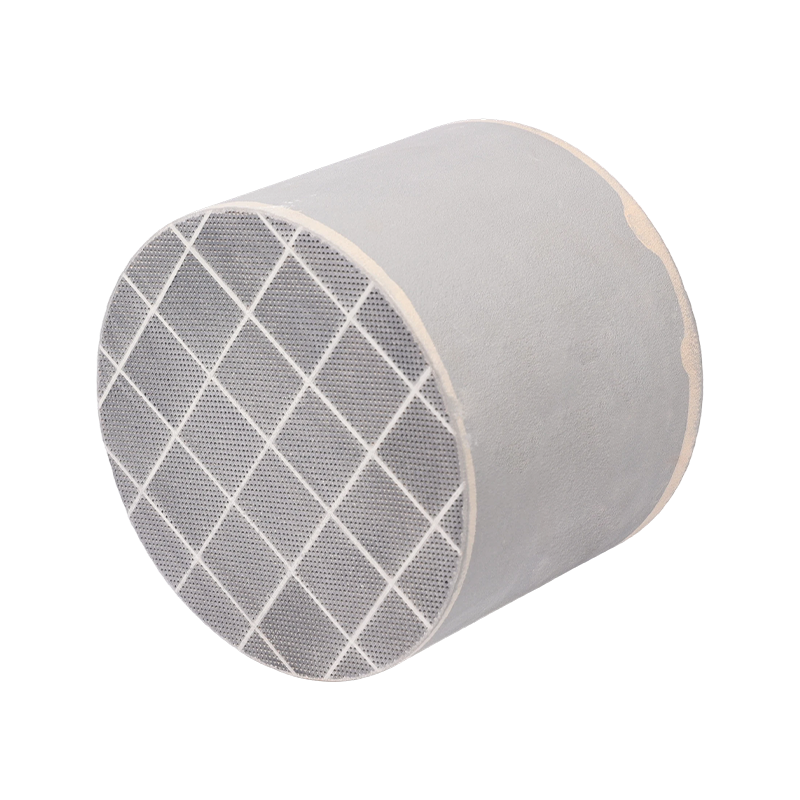
The GPF adopts a honeycomb ceramic substrate with alternately plugged channels, forcing the exhaust gas to flow through the porous walls. Particulate matter is captured either within or on the surface of these walls through mechanisms such as diffusion, interception, and inertial impaction. The filtration efficiency is extremely high, with the particle number filtration efficiency exceeding 90%.
2. Regeneration Mechanism
Regeneration is likewise essential for the continuous operation of the GPF. Fortunately, the operating conditions of gasoline engines naturally favor GPF regeneration.
Core Advantage: High Temperature and Chemical Environment
Gasoline engines typically operate near the three-way catalyst, where exhaust temperatures are higher and the engine load fluctuates significantly, making it easier to reach regeneration temperatures. Most importantly, gasoline engines operate close to the stoichiometric air–fuel ratio, meaning that both reducing gases (CO, HC, H₂) and oxidizing gases (O₂, NOx) coexist in the exhaust.
Types and Integration Schemes of GPF Catalysts
GPF catalysts are not entirely new materials but are closely integrated with existing three-way catalytic converters. There are three main mainstream integration schemes:
1. Coated GPF
This is currently the most mainstream and classic solution.
Structure: Inside the porous walls of the GPF substrate, a three-way catalyst (TWC) coating is applied. The coating composition is identical to that of a conventional TWC: platinum (Pt), rhodium (Rh), and palladium (Pd) serve as the active components, while alumina (Al₂O₃), ceria (CeO₂), and zirconia (ZrO₂) are used as washcoat materials.
Working Principle:
(1)Gas purification: It functions as a miniature “four-way” catalyst, continuing to purify CO, HC, and NOx as the exhaust passes through the wall.
(2)Regeneration promotion:
Active regeneration: When regeneration is needed, the engine ECU briefly enriches the air–fuel mixture, producing exhaust rich in CO and HC. These gases are oxidized on the GPF catalyst surface, releasing significant heat that rapidly raises the internal temperature of the GPF above 600°C to burn off the accumulated soot.
Passive regeneration: Under normal stoichiometric operation, NO₂ and O₂ in the exhaust can also continuously oxidize part of the trapped soot with the aid of the catalyst.
2. Uncoated GPF
Structure: The GPF substrate carries no catalytic coating and serves purely as a particulate filter.
Configuration: This type of GPF is typically installed as a separate component downstream of the conventional three-way catalyst.
Working Principle: Gaseous pollutants are treated by the upstream TWC, while the GPF focuses solely on trapping particulate matter. Regeneration depends on the high exhaust temperature generated by the TWC or on active engine control strategies to raise the exhaust temperature.
Application: It offers a lower cost but has relatively inferior regeneration performance and gas purification efficiency compared with coated designs.
3. Four-Way Catalytic Converter
This is a highly integrated concept that combines the functions of a TWC and a GPF into a single unit.
Structure: The GPF substrate is placed in a close-coupled position and coated with a high loading of three-way catalyst material.
Objective: To achieve simultaneous purification of CO, HC, NOx, and particulate matter within a single component.
Challenge: This configuration imposes very high requirements on catalyst thermal stability and light-off performance, resulting in greater technical complexity and higher cost.
Key Chemical Reactions of GPF Catalysts
For coated GPF systems, the chemical reactions can be divided into two main categories:
1. Standard Three-Way Catalytic Reactions (under stoichiometric conditions):
2CO + O₂ → 2CO₂
HC + O₂ → CO₂ + H₂O
2NOx → N₂ + xO₂
2. Reactions that Promote Regeneration:
Soot Oxidation:
C + O₂ → CO₂ (Direct oxidation)
C + 2NO₂ → CO₂ + 2NO (Oxidation via NO₂ — the primary pathway for passive regeneration)
Exothermic Reactions (for active regeneration):
2CO + O₂ → 2CO₂ (Exothermic)
HC + O₂ → CO₂ + H₂O (Exothermic)
The heat released from these reactions directly increases the temperature of the GPF substrate, enabling soot combustion and regeneration.