


 English
 русский
 Español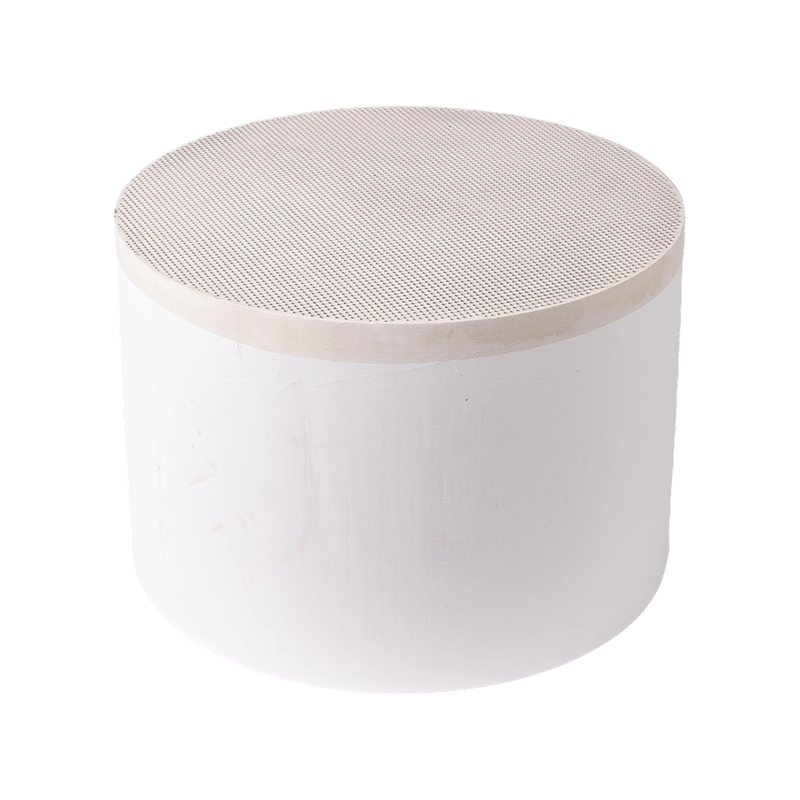
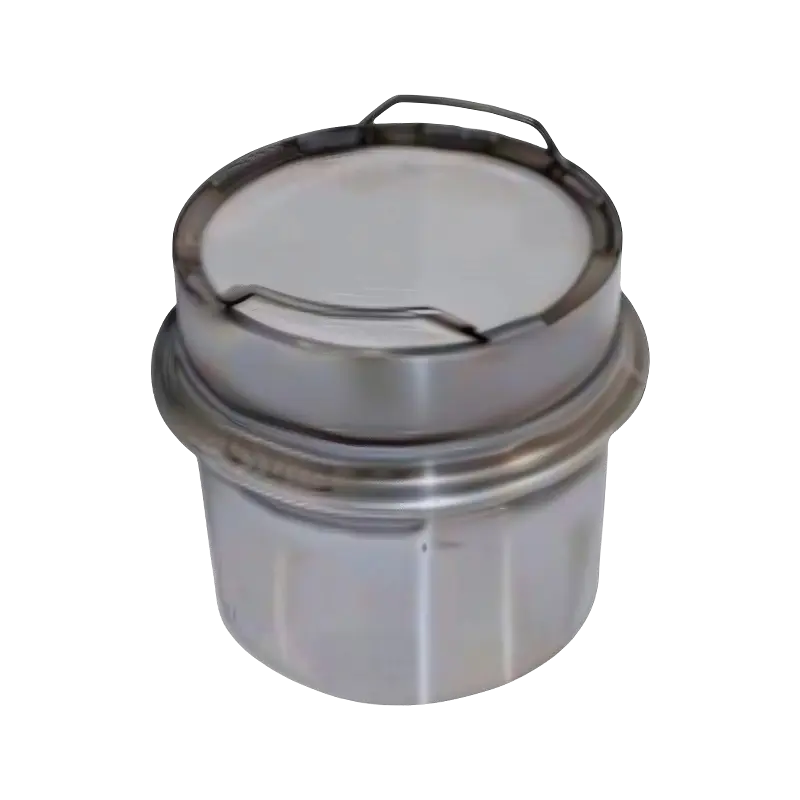
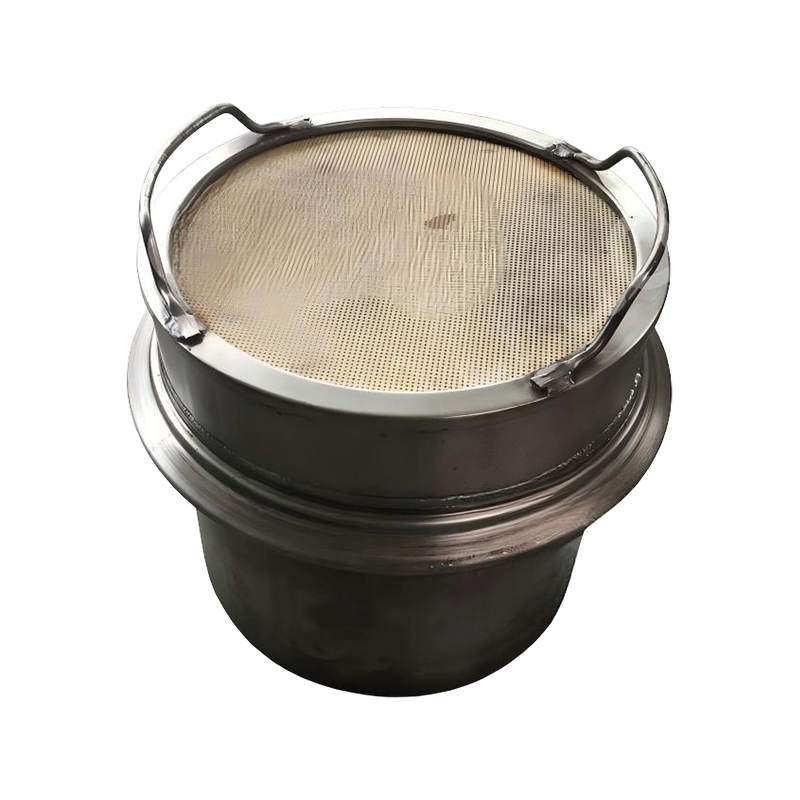
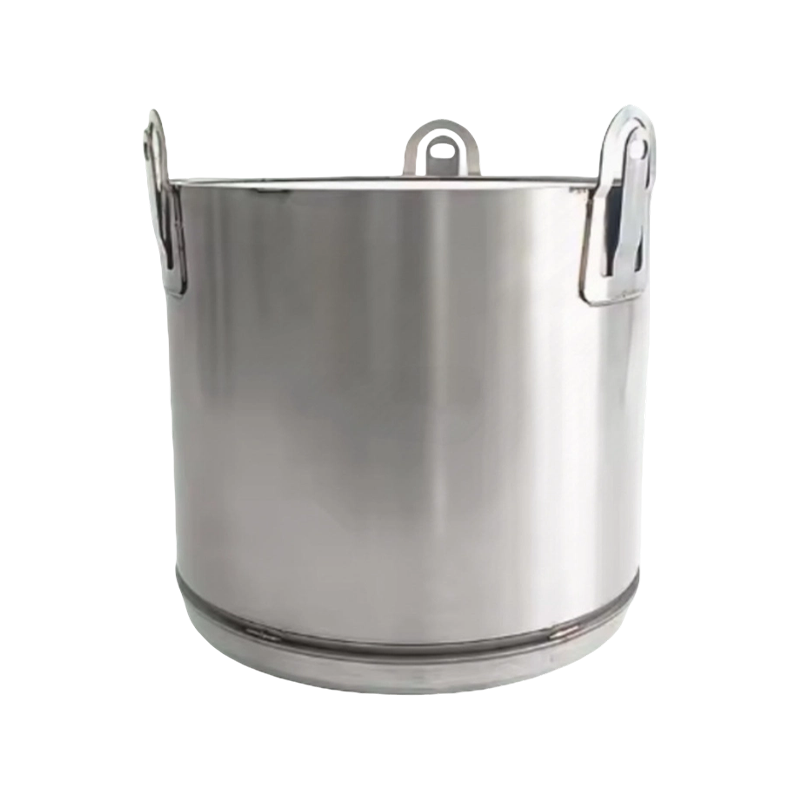
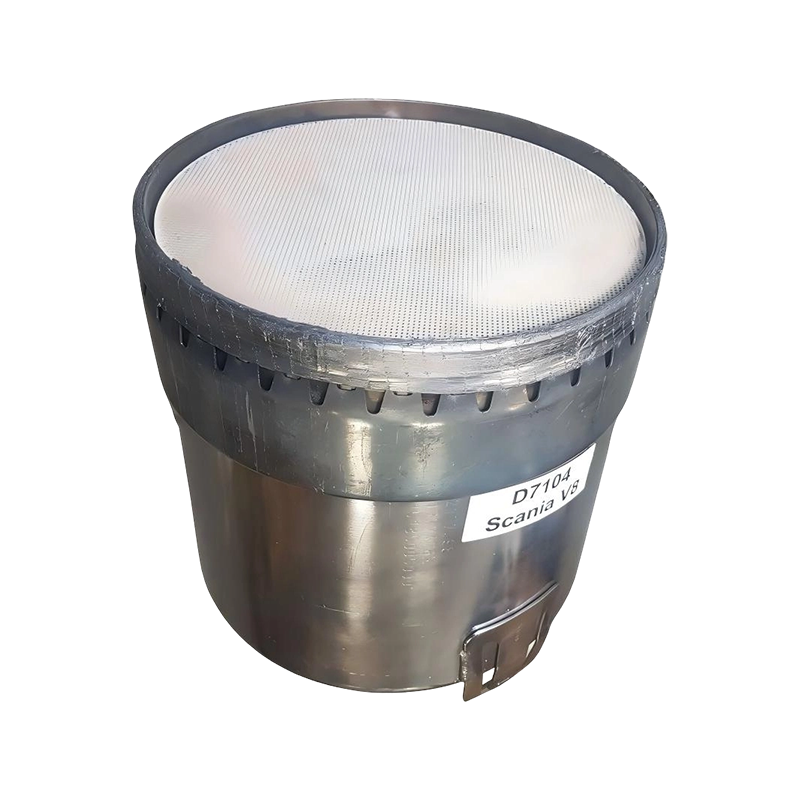
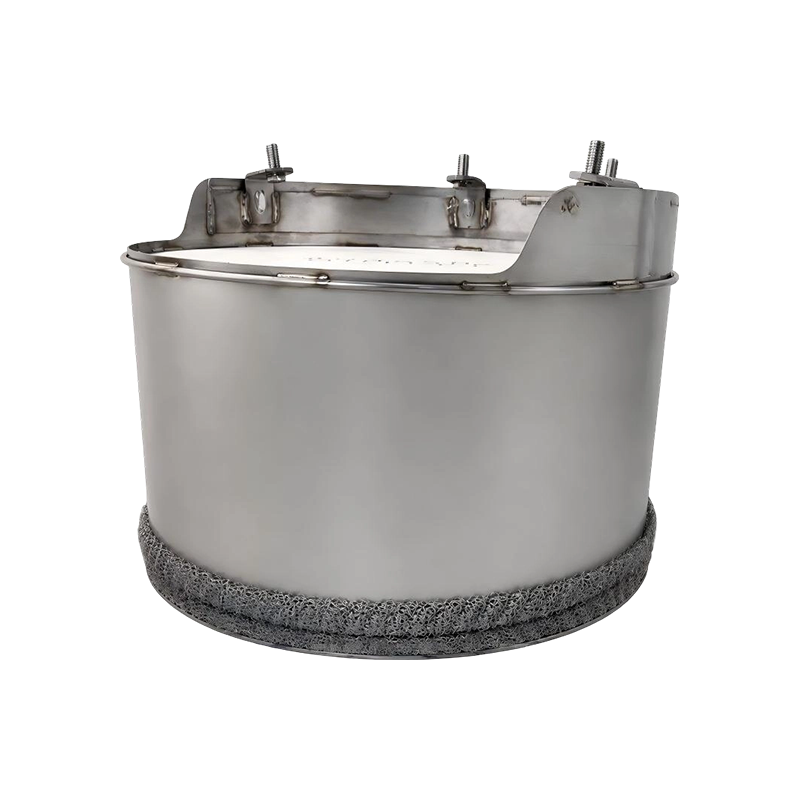
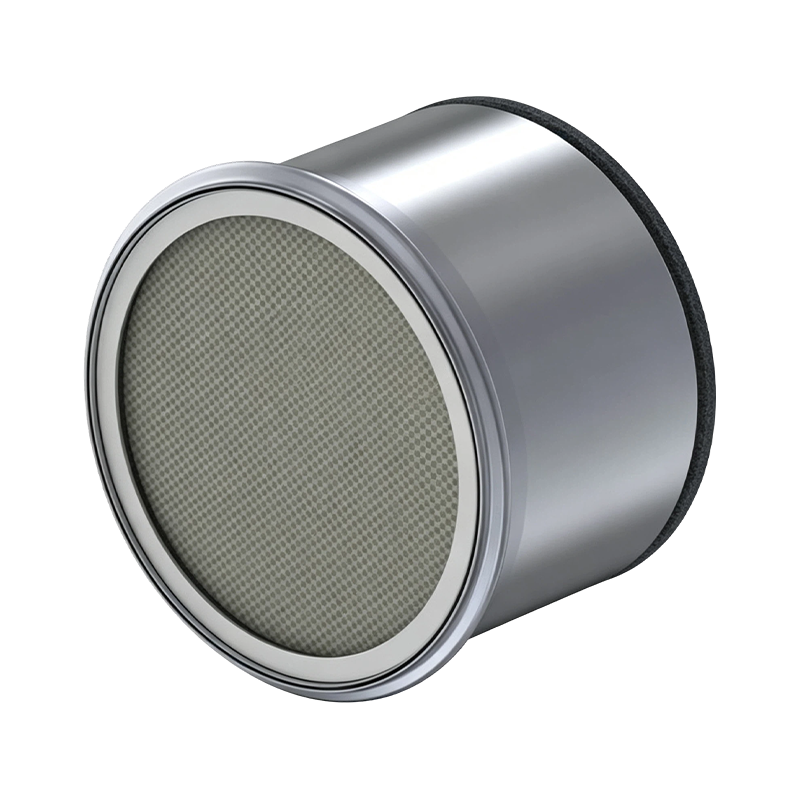
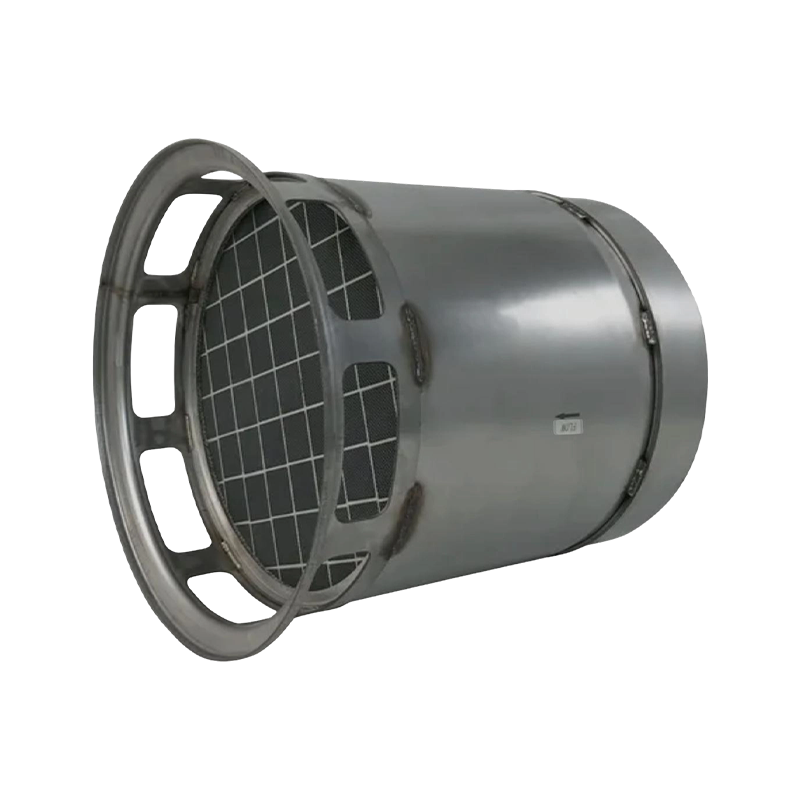
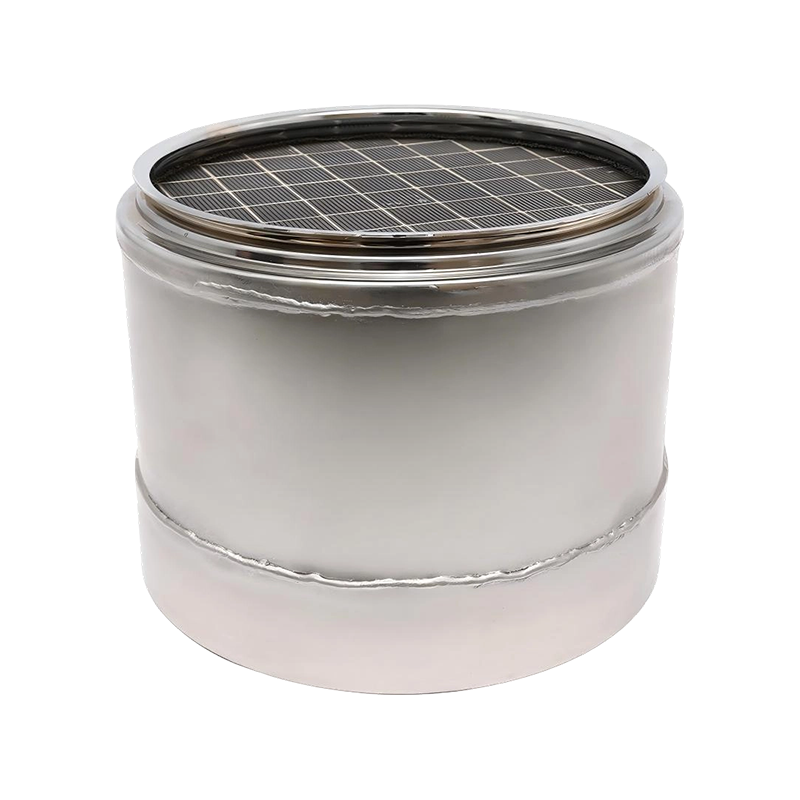
A 3.0 L diesel van that rarely pushes its catalyst above 220 °C and a 400 kW standby generator running at a steady 420 °C both need NOx reduction, and both will be offered the same phrase by a suppli......
READ MOREDPF Diesel Particulate Filter Manufacturers
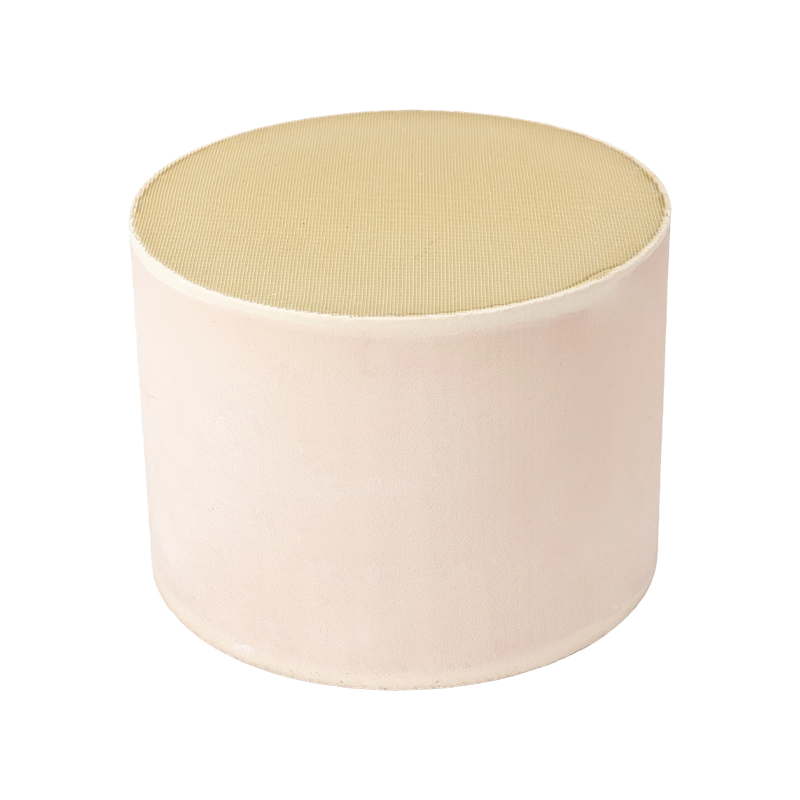
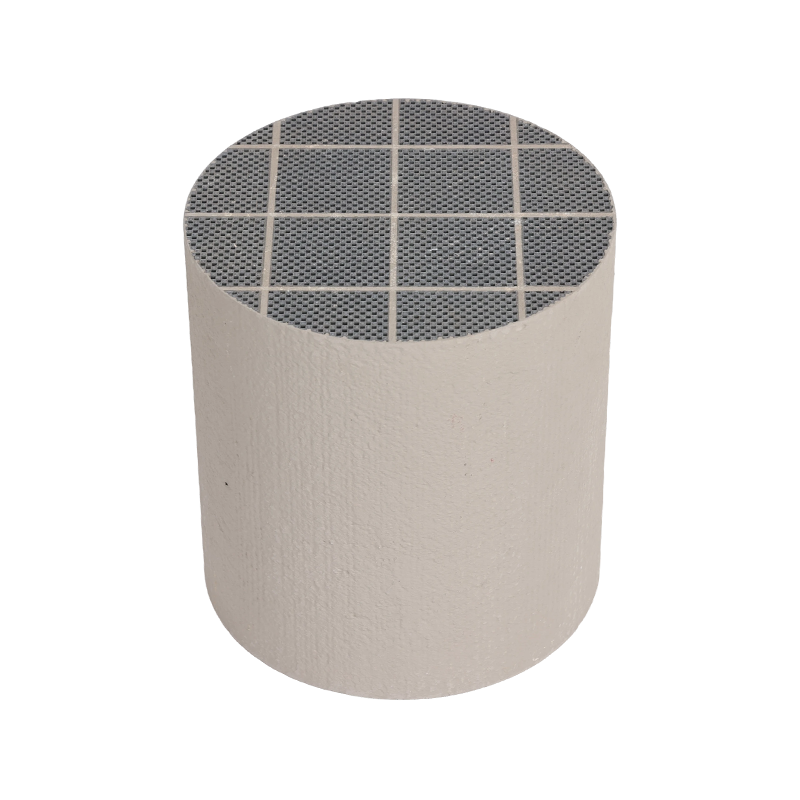
The Diesel Particulate Filter (DPF) is a physical filtration device whose core function is to capture soot particles and soluble organic fractions from exhaust gas through a forced physical process, thereby significantly reducing the number and mass of particulate matter. The role of the DPF catalyst is not to directly purify the gas, but to lower the oxidation temperature of the trapped particulate matter, enabling the DPF’s self-regeneration. The DPF operates as a “capture first, then burn” physical filtration system. The catalyst’s core mission is not gas purification, but to facilitate the “burning” process. By means of a precious metal coating or fuel additives, it substantially reduces the oxidation temperature of soot, enabling both passive and efficient active regeneration of the DPF, ensuring its long-term and stable operation. This technology is critical for addressing the problem of “black smoke” emissions from diesel vehicles. Together with the DOC and SCR systems, the DPF forms the core after-treatment lineup of modern clean diesel engines.
Focus on Emission Control Catalyst & Substrate Solutions
As China DPF Catalyst Manufacturers and Catalytic Converter Filter Suppliers, Founded in July 2011,
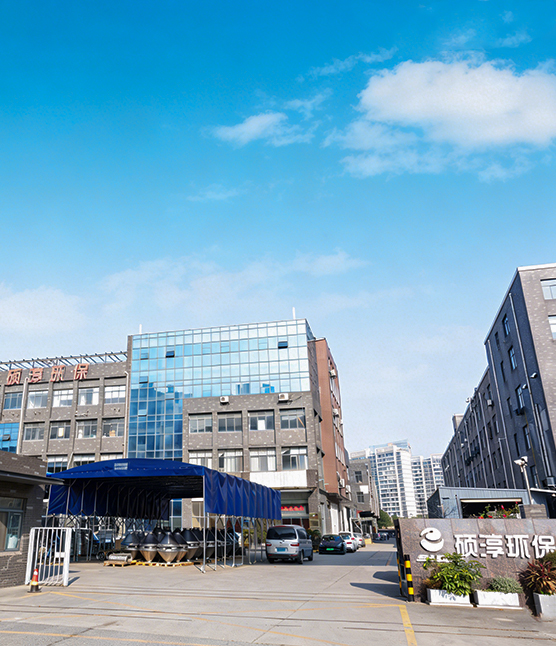
Longyou Shuochun New Material Technology Co., Ltd. is a high-tech enterprise specializing in the coating and sales of three-way catalytic converters. It is deeply engaged in the field of new materials.
The company always keeps an eye on the industry frontier, actively learns from and draws on the advanced formulas and mature technologies of domestic and foreign counterparts. Through in-depth research and localization of mainstream formulas, it accurately adjusts the proportion of raw materials such as rare earths, precious metals and non-precious metals, so as to ensure that the coated carriers produced have stable catalytic activity and reliable performance.
The company's products cover a variety of specifications and models, and its products and technologies are applicable to automobiles, motorcycles, general-purpose engines, construction machinery, marine power, generator sets, agricultural machinery and other fields.
Its core capabilities include:
● Catalyst coating and substrate solutions
● TWC / DOC / SCR / DPF / GPF product range
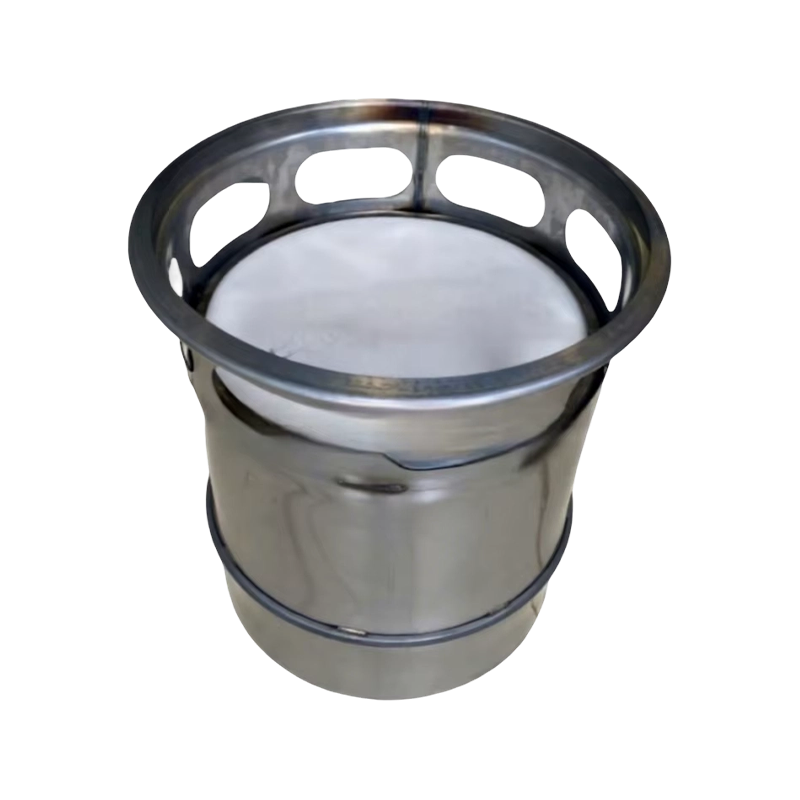
● Welded exhaust components
● Application-oriented customization
● Technical support for automotive, non-road and industrial power applications
In the future, the company will continue to learn advanced industry experience, optimize production and services, and contribute to the realization of carbon peaking and carbon neutrality goals in China and around the world.
News Center
-
-
At roughly 600 operating hours, the dash of a compact loader lights up with a derate warning. The technician's first question is usually not about the fuel system; it is about the diesel particulate ......
READ MORE -
A construction fleet manager in Shandong noticed fuel consumption creeping up on a three-year-old wheel loader. The diagnostic tool showed no fault codes until the diesel particulate filter (DPF) wen......
READ MORE -
If your diesel engine suddenly loses power while the exhaust smells raw and oily, the problem may be a clogged or deactivated diesel oxidation catalyst (DOC). This relatively simple flow-through devi......
READ MORE
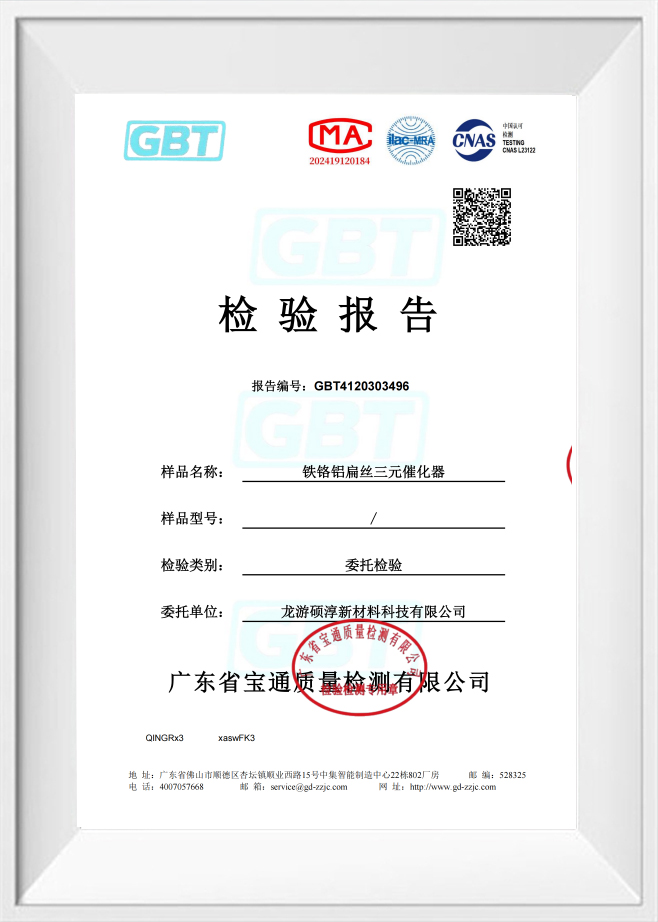
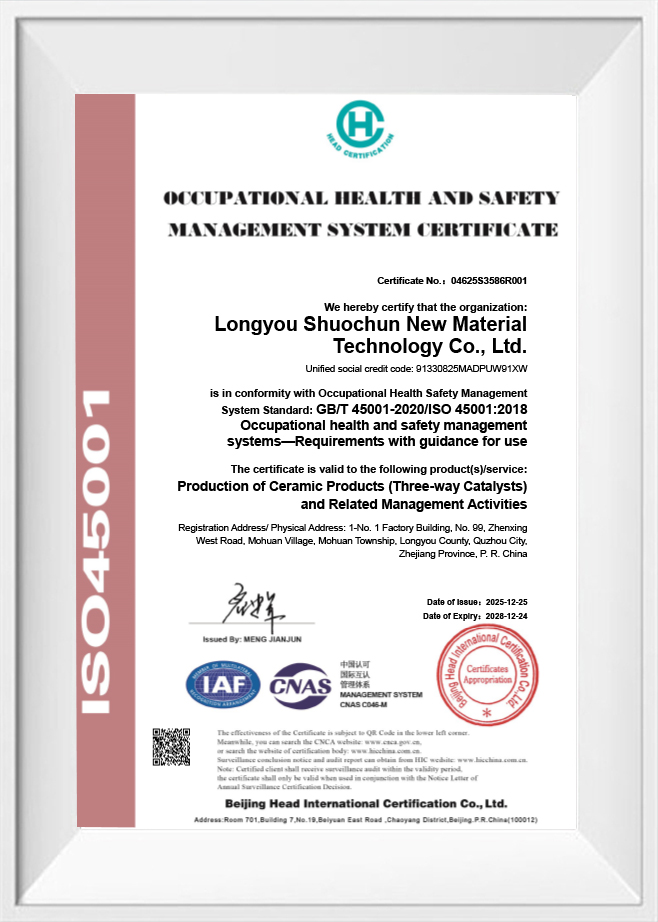
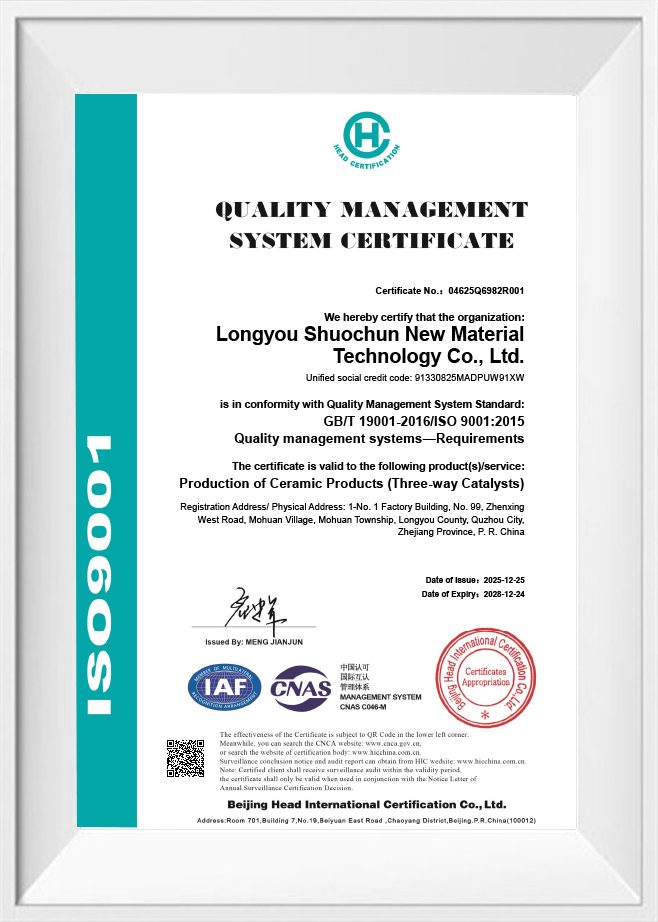
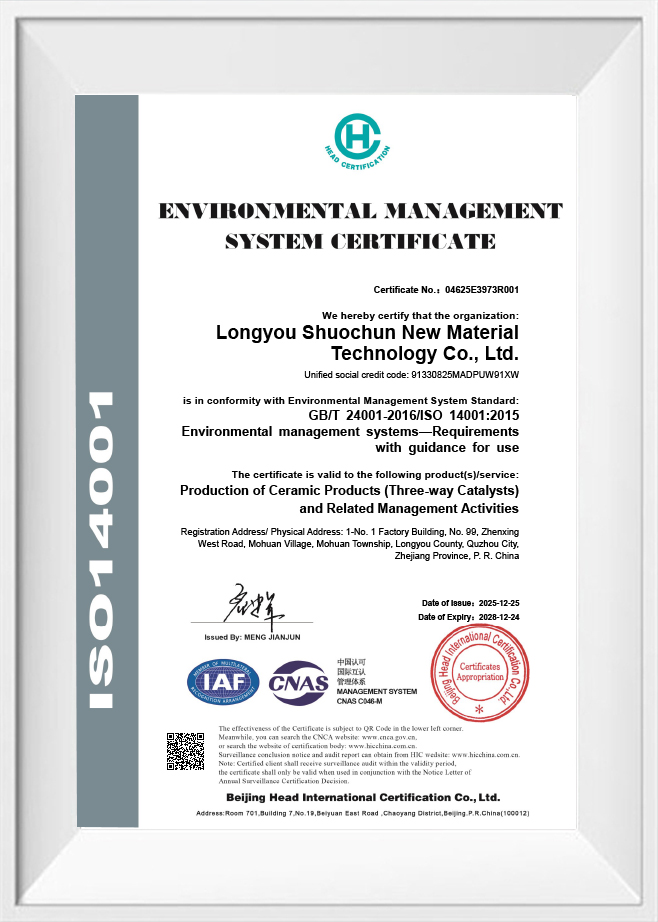
Certificate Of Honor
Message Feedback
Diesel Particulate Filter (DPF) Catalyst Industry knowledge
Performance of Diesel Particulate Filter Catalysts under Various Operating Conditions
Material Composition and Substrate Characteristics
Longyou Shuochun New Material Technology Co., Ltd. selects substrate materials for DPF catalysts that balance thermal conductivity, mechanical strength, and resistance to chemical corrosion. The substrate structure influences the flow of exhaust gases, the capture of particulate matter, and the durability of the catalyst under varying temperature and pressure conditions. Advanced DPF Filter Elements are designed to maintain optimal performance even under high thermal stress and corrosive exhaust conditions.
Effect of Engine Load and Exhaust Temperature
The performance of a DPF Diesel Particulate Filter depends on exhaust temperature and engine load. Low-load conditions with cooler exhaust can reduce oxidation efficiency, leading to slower particulate regeneration. Conversely, high-load operation generates higher exhaust temperatures that support more effective soot oxidation. Longyou Shuochun New Material Technology Co., Ltd. optimizes catalyst coatings and substrate design to ensure consistent particulate removal across a range of engine loads, making the DPF Exhaust Filter highly reliable for both urban and highway applications.
Influence of Fuel and Lubricant Properties
Fuel quality and oil additives affect DPF Diesel Particulate Trap performance. High sulfur content or certain additive formulations can result in ash accumulation or chemical interactions that reduce catalyst efficiency. Longyou Shuochun New Material Technology Co., Ltd. applies protective coatings that help mitigate the impact of fuel and lubricant variations, maintaining consistent particulate capture and oxidation. This ensures the DPF Emission Filter performs efficiently over long service cycles.
Impact of Regeneration Cycles
Diesel particulate filters require periodic regeneration to remove accumulated soot. The frequency and duration of these cycles affect both the performance and longevity of the catalyst. Longyou Shuochun New Material Technology Co., Ltd. designs DPF Heat Resistant Filters and coatings to sustain oxidation activity through repeated thermal cycles, ensuring regeneration can be carried out effectively without compromising substrate integrity.
Environmental and Ambient Conditions
External environmental factors such as ambient temperature, humidity, and altitude influence DPF Compact Filter performance. Cold climates may slow down oxidation reactions, while high humidity can affect exhaust gas composition. Longyou Shuochun New Material Technology Co., Ltd. takes these conditions into account during catalyst design, selecting materials and coatings that maintain efficiency across different environmental scenarios. Additionally, DPF Anti-Corrosion Filters provide extra durability in harsh conditions.
Performance Metrics under Different Operating Conditions
Table 1 shows typical performance indicators of DPF Diesel Particulate Traps under varied operational conditions. The data illustrates soot removal efficiency and regeneration temperature ranges, demonstrating how different conditions impact catalyst behavior in real-world applications.
| Operating Condition | Soot Removal Efficiency (%) | Regeneration Temperature Range (°C) |
| Urban Low-Speed Driving | 70 | 250–350 |
| Highway Driving | 90 | 350–450 |
| Heavy-Duty/Industrial Use | 85 | 300–400 |
Maintenance Considerations
Routine inspection and cleaning are essential to maintain DPF Catalysts and DPF Exhaust Filters performance. Monitoring ash accumulation, pressure drop across the filter, and regeneration frequency ensures that the catalyst continues to operate efficiently. Longyou Shuochun New Material Technology Co., Ltd. recommends adhering to maintenance schedules and using high-quality fuel to reduce the risk of early performance degradation. Customized solutions, such as DPF Custom Filters, are available to meet specific engine and vehicle requirements.
Integration with Vehicle Emission Control Systems
DPF Catalytic Converter Filters are typically part of a comprehensive emission control system, which may include diesel oxidation catalysts and selective catalytic reduction units. Proper integration ensures that the DPF receives exhaust gases at optimal temperatures for regeneration and particulate capture. Longyou Shuochun New Material Technology Co., Ltd. designs catalysts to work in concert with other emission control components, supporting consistent performance and regulatory compliance under varying operating conditions.
FAQ
Q: How does substrate design influence the efficiency of a diesel particulate filter catalyst?
A: Longyou Shuochun New Material Technology Co., Ltd. focuses on optimizing the substrate structure to maximize surface area and ensure uniform exhaust gas flow. A well-designed substrate improves contact between particulate matter and catalytic sites, enhancing soot capture and oxidation efficiency across different operating conditions.
Q: What role do catalyst coatings play in maintaining performance under variable exhaust temperatures?
A: The coating on a DPF Catalyst provides active sites for oxidation reactions. Longyou Shuochun New Material Technology Co., Ltd. applies coatings with controlled thickness and thermal stability to maintain consistent particulate oxidation even during low-temperature urban driving or high-temperature highway conditions.
Q: How does ash accumulation affect the long-term performance of a DPF Diesel Particulate Trap?
A: Ash accumulation from engine oil additives or fuel impurities can reduce filter efficiency and increase backpressure. Longyou Shuochun New Material Technology Co., Ltd. recommends routine monitoring and cleaning schedules to manage ash buildup and maintain consistent catalyst performance over time.
Q: How do varying engine loads impact DPF Diesel Particulate Filter operation?
A: Different engine loads change exhaust temperature and flow rates, affecting soot oxidation and regeneration cycles. DPF Compact Filters from Longyou Shuochun New Material Technology Co., Ltd. are designed to perform reliably under both low-load urban driving and high-load industrial applications, supporting stable particulate removal.
Q: Can fuel quality influence the durability of a DPF Emission Filter?
A: Fuel sulfur content and additive composition can affect catalyst coatings and substrate integrity. Longyou Shuochun New Material Technology Co., Ltd. applies chemical-resistant coatings that mitigate the impact of fuel variations, helping maintain oxidation activity and prolong service life.
Q: How do regeneration strategies affect the longevity of a DPF Heat Resistant Filter?
A: Periodic regeneration removes accumulated soot but involves elevated temperatures that can stress the substrate. Longyou Shuochun New Material Technology Co., Ltd. designs DPF Anti-Corrosion Filters to withstand repeated regeneration cycles without structural degradation, supporting consistent performance throughout the filter’s service life.
Q: How can integration with other emission control components improve DPF Catalytic Converter Filter effectiveness?
A: A DPF Catalyst functions best when coordinated with diesel oxidation catalysts or selective catalytic reduction units. Longyou Shuochun New Material Technology Co., Ltd. ensures proper placement and design to optimize exhaust temperature and flow, enhancing soot removal efficiency and overall emission control performance.
