


 English
 русский
 Español
2.2L Direct-Fit Three-Way Catalytic Converter
This product is designed for vehicles equipped with a 2.2L engine and an exhaust system OE number of 53508, applicable to 2003-2004 model years. It is...
If your diesel engine suddenly loses power while the exhaust smells raw and oily, the problem may be a clogged or deactivated diesel oxidation catalyst (DOC). This relatively simple flow-through device works at the upstream of your aftertreatment system, turning harmful gases into water vapor and carbon dioxide. Yet many fleet managers and equipment owners overlook it until a related DPF or SCR system complains. Let's look at how a DOC really works, why it matters, and what you should check before buying a replacement.
A DOC is a two-way catalytic converter installed in the exhaust system of virtually every modern diesel vehicle and machine. Its core substrate, often ceramic cordierite or a metallic honeycomb, carries a coating of platinum-group metals such as platinum and palladium. These metals lower the activation energy for oxidation reactions without being consumed. As the hot exhaust passes through thousands of parallel channels, carbon monoxide (CO) and gaseous hydrocarbons (HC) are converted into carbon dioxide (CO2) and water (H2O).
Unlike a gasoline three-way catalyst, a DOC cannot reduce oxides of nitrogen (NOx), because diesel exhaust contains an excess of oxygen that consumes the reducing agents needed for NOx reduction. That is why modern diesel systems add dedicated NOx-control components downstream, such as selective catalytic reduction (SCR).
The chemistry of a DOC is straightforward but highly temperature-dependent. The catalyst must reach its light-off temperature, typically around 200°C, before reactions begin at a useful rate. In normal operation, three main reactions occur:
The last reaction is especially important in modern aftertreatment systems. The nitrogen dioxide (NO2) generated here is used downstream to burn soot in a diesel particulate filter (DPF) through a process called passive regeneration, which operates at lower temperatures than soot oxidation in air. A healthy DOC therefore keeps your DPF clean and avoids frequent active regenerations that consume extra fuel.
Because the DOC promotes oxidation, it also generates heat from the exothermic reactions. This heat helps the SCR system reach its operating temperature faster after a cold start. When the DOC is failing or missing, the entire temperature management of the aftertreatment train is disrupted.
A DOC is designed to control three main types of pollutants, as summarized below.
| Pollutant | Source | DOC reaction product | Typical reduction |
|---|---|---|---|
| Carbon monoxide (CO) | Incomplete combustion | CO2 | Over 90% |
| Unburned hydrocarbons (HC) | Fuel, lubricating oil | CO2 and H2O | 80–95% |
| Soluble organic fraction (SOF) | Lube oil and soot | CO2 and H2O | Reduces soot mass |
| Nitrogen monoxide (NO) | High-temperature combustion | NO2 (partial) | Supplies oxidant for DPF |
The DOC is not a particulate trap; it only oxidizes the sticky organic portion of the particulate matter. That distinction matters when you diagnose excessive smoke or soot appearance.
Readers sometimes confuse a DOC with a gasoline three-way catalytic converter (TWC), but the operating conditions are different. A TWC works under stoichiometric combustion, where oxygen, carbon monoxide, and hydrocarbons exist in balanced amounts. That balance allows the same catalyst to reduce NOx back to nitrogen. Diesel engines run lean, with excess oxygen, so a TWC would not function in that exhaust stream. A DOC, by design, only oxidizes; its NOx control is realized by adding an SCR system or NOx adsorber further downstream.
| Parameter | DOC | Three-way catalyst |
|---|---|---|
| Engine type | Lean-burn diesel | Stoichiometric gasoline |
| Main reactions | Oxidation of CO and HC | Oxidation of CO/HC and reduction of NOx |
| NOx reduction | No direct reduction | Converts NOx to N2 |
| Typical metals | Platinum, palladium | Platinum, palladium, rhodium |
| Placement | Usually upstream of DPF/SCR | Near the engine manifold |
Because modern diesel aftertreatment relies on the DOC to produce heat and NO2 for downstream components, any degradation in the DOC affects the entire exhaust chain.
A failing DOC does not always announce itself with an immediate breakdown. It usually shows up through a series of subtle performance changes:
If you spot two or more of these signs, inspect the DOC before assuming the DPF is blocked. Measuring pressure drop and comparing exhaust temperature upstream and downstream can reveal whether the catalyst is still active. More detailed guidance on diagnosing a failing DOC is available in our tip list on diesel oxidation catalyst failure signs.
When it is time to replace a DOC, matching the exact part number is not always enough. You need to verify the substrate geometry (diameter, length, cell density) against your exhaust layout. Cell density, measured in cells per square inch (cpsi), influences backpressure and mass transfer. Typical diesel DOCs range from 200 to 400 cpsi. Higher density improves conversion efficiency but can increase backpressure, which hurts turbo response.
Precious-metal loading also matters. A higher platinum and palladium content gives faster light-off and more tolerance to aging, but it raises cost. The coating formulation must be tailored to your fuel sulfur level; high-sulfur fuel can poison the catalyst. For marine, agricultural, or generator sets, ask the supplier about specific sulfur tolerance and thermal durability.
Also decide whether you need a bare can or a unit with an integrated mixing pipe. In tight retrofit spaces, a metallic substrate can offer faster light-off and lower backpressure than a ceramic substrate at the same cell density. For generator sets that run at constant speed, a slightly higher cell density can improve conversion without penalty during transients.
Before purchasing, request emission data and accelerated aging test results from the manufacturer. A reliable supplier should be willing to share coating density, precious-metal ratio, and mechanical durability specifications. For an in-depth overview of DOC technology, read our explanation of what a diesel oxidation catalyst is and how it works.
In well-maintained engines, a DOC can last as long as the engine itself, but real-world conditions cut its life short. The most common killers are excessive oil consumption that leaves ash on the catalyst, fuel with high sulfur or other poisons, and overheating caused by misfiring or overloaded operation. Overheating above the catalyst's thermal limit melts or cracks the substrate, creating an instant restriction.
Routine checks for a DOC should include exhaust backpressure, temperature profile, and an annual OBD scan. If you operate a fleet, monitoring DPF regeneration frequency gives an early signal, because a weakened DOC produces less NO2 and passive regeneration slows down.
Replacement DOCs are not all equal. Some aftermarket parts use thinner substrate walls or reduced precious-metal loading to cut cost. These may pass initial performance tests but fail within a year or two. OEM-grade coated catalysts, on the other hand, undergo aging tests that approximate real-world mileage. Ask what verification the supplier performs on each production batch.
When the substrate is physically intact but activity drops, some shops offer cleaning or re-coating. In most cases, replacement with a known-quality catalyst is more cost-effective than trying to recover degraded activity. Plan a DOC replacement together with DPF cleaning, because a failing DOC often loads the DPF with extra soot.
A diesel oxidation catalyst is the first line of defense in diesel emission control. It cuts CO and hydrocarbons, improves DPF regeneration, and protects the more expensive components downstream. Knowing what your mechanics check, and which product parameters matter, reduces the risk of buying the wrong part. If you have a failed DOC, act quickly, choose a catalyst matched to your engine’s operating profile, and verify the supplier’s claims with data and warranty terms.
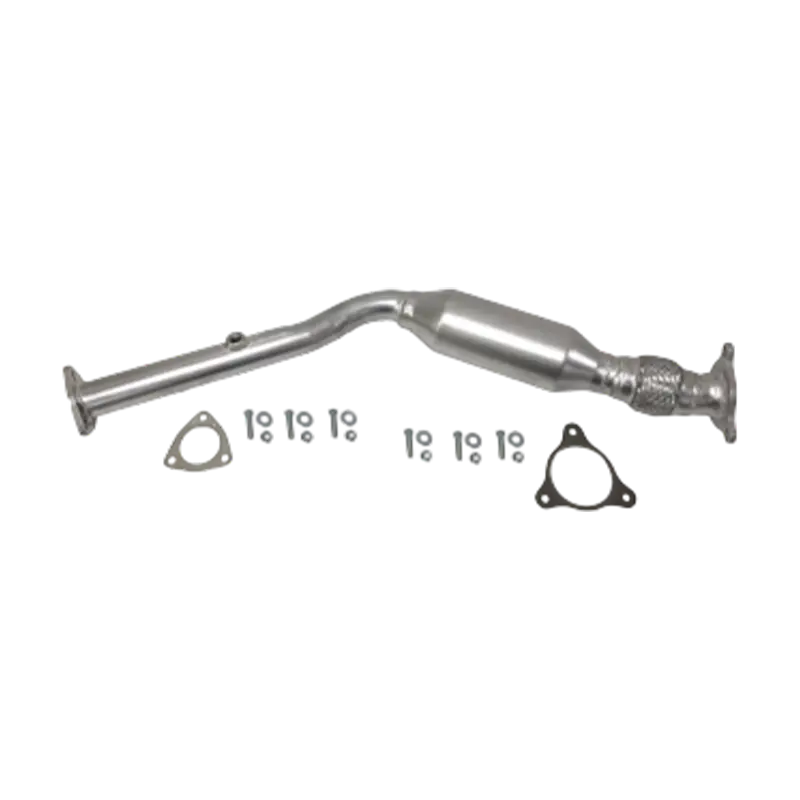
This product is designed for vehicles equipped with a 2.2L engine and an exhaust system OE number of 53508, applicable to 2003-2004 model years. It is...
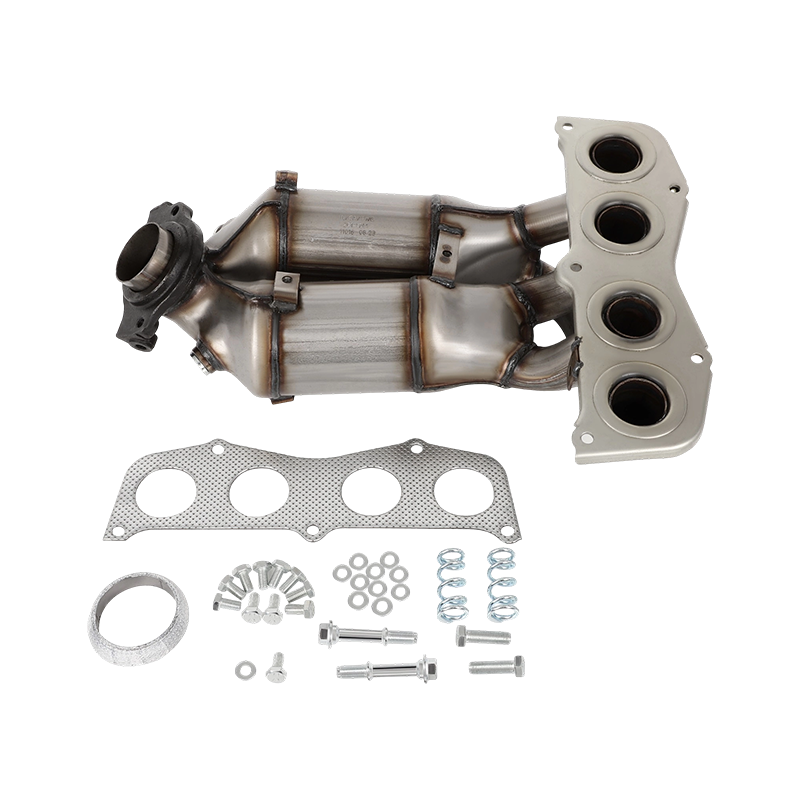
This product is designed for vehicles with an exhaust system OE number of 40583, applicable to 2001-2003 model years. It is an integrated assembly com...
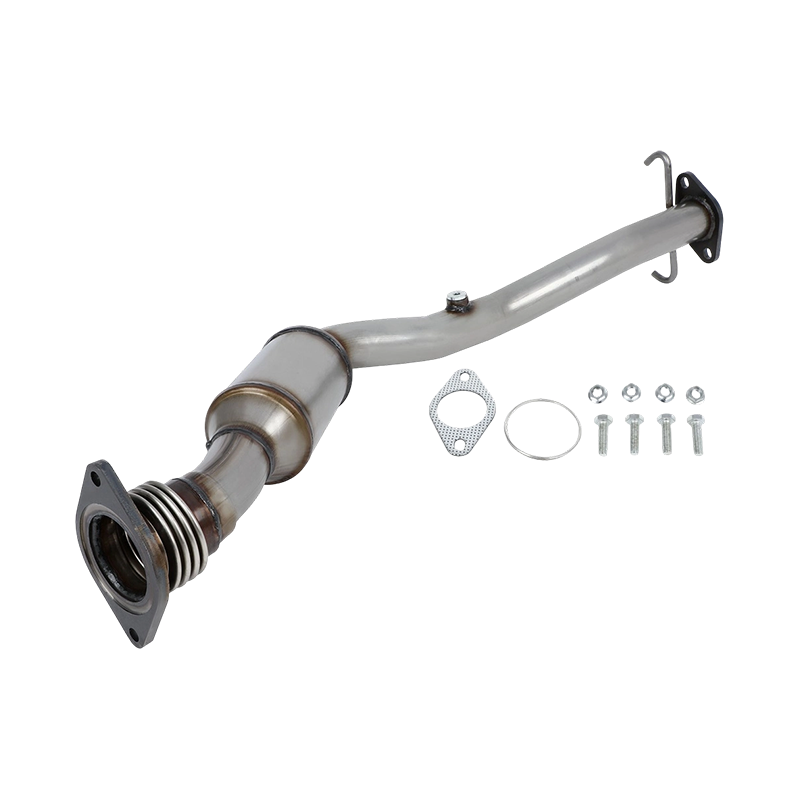
This product is designed for vehicles equipped with a 3.8L engine and an exhaust system OE number of 54752, applicable to 2004-2008 model years. It is...
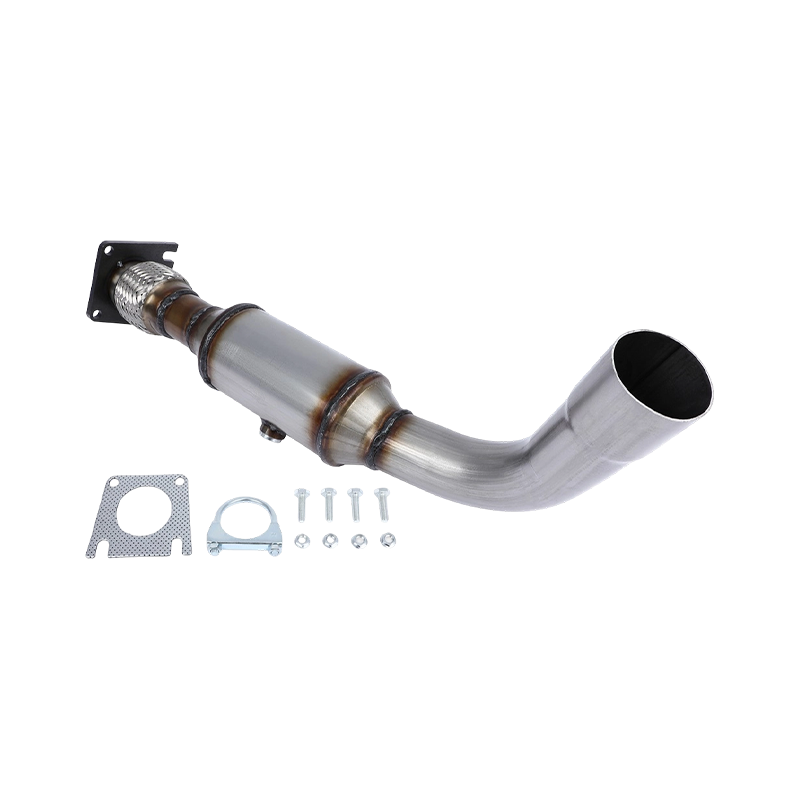
This product is designed for vehicles equipped with a 3.8L engine and an exhaust system OE number of 42912, applicable to 2008-2010 model years. It is...
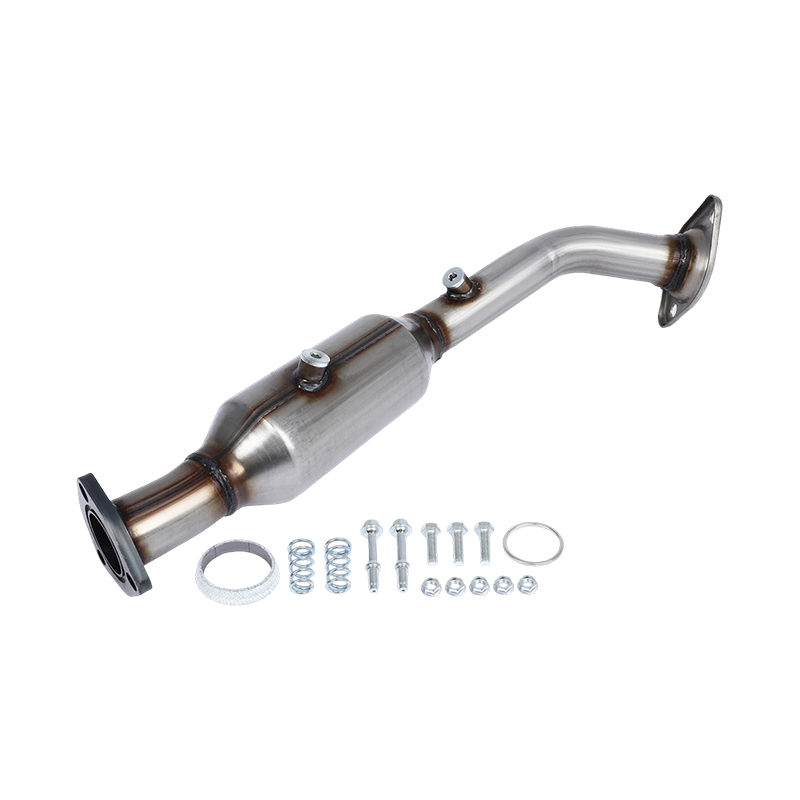
This product is designed for vehicles equipped with a 2.0L base configuration engine and an exhaust system OE number of 53583, applicable to 2002-2006...
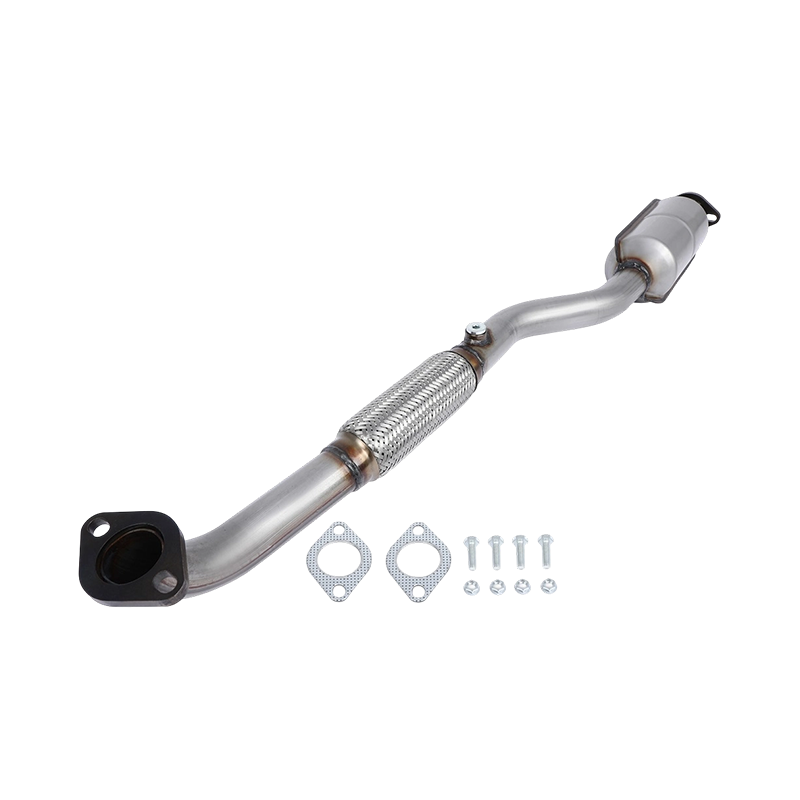
This product is designed for vehicles equipped with a 2.0L engine and an exhaust system OE number of 54774, applicable to 2004-2006 model years. It is...
A construction fleet manager in Shandong noticed fuel consumption creeping up on a three-year-old w......
READ MOREA catalytic converter shell is the first thing you see under a vehicle, but its stainless-steel bod......
READ MOREAsk a diesel technician who has chased an intermittent DPF regeneration fault, and you will hear th......
READ MOREEmissions Control / Comparison A three-way catalytic converter is the correct choice for any spark......
READ MOREUnderstanding Emission Control Catalysts Emission control catalysts play a critical role in the aut......
READ MOREA DOC (Diesel Oxidation Catalyst) is a critical emissions control component that reduces harmful pol......
READ MORE