


 English
 русский
 Español
Three-Way Catalytic Converter with Exhaust Manifold Assembly
This product is designed for vehicles with an exhaust system OE number of 40583, applicable to 2001-2003 model years. It is an integrated assembly com...
A three-way catalytic converter is the correct choice for any spark-ignition gasoline engine because it is the only common converter design that reduces nitrogen oxides, carbon monoxide, and unburned hydrocarbons in a single unit.
Two-way converters, diesel oxidation catalysts, and SCR systems each solve part of that equation but not all of it — the sections below show where each one wins and where it falls short.
Under the floor of most gasoline cars sits a component doing three separate chemical jobs at once, and it only works correctly within a narrow band of engine conditions. That narrow operating window is exactly why the three-way catalytic converter looks so different, on paper and in practice, from the oxidation catalysts used in diesel vehicles or the two-way converters found in older and some small-displacement engines. Comparing them side by side makes clear why automakers standardized on the three-way design for gasoline exhaust and why it isn't simply a "better version" of the alternatives — it's solving a different problem.
The name refers to three simultaneous reactions happening across the catalyst's washcoat, not three separate stages. Inside the honeycomb substrate, platinum and palladium oxidize carbon monoxide into carbon dioxide and unburned hydrocarbons into water and CO2, while rhodium simultaneously reduces nitrogen oxides back into nitrogen and oxygen. All three reactions only run efficiently when the engine operates at or very near the stoichiometric air-fuel ratio of 14.7:1.
That narrow window is maintained by the engine's oxygen sensors and fuel control system constantly adjusting injector timing in tight feedback loops, often dozens of times per second. Step outside that band — running rich or lean for more than a few seconds — and conversion efficiency for at least one of the three pollutants drops sharply.
Two-way catalytic converters only carry platinum and palladium. They oxidize carbon monoxide and hydrocarbons effectively but do nothing for nitrogen oxides, because reducing NOx requires rhodium's chemistry, not oxidation chemistry at all. Two-way converters were standard on gasoline vehicles before tighter NOx regulations arrived in the 1980s and 90s, and they're still used today on some small engines, motorcycles, and diesel applications where NOx is controlled by a separate downstream system instead.
A diesel oxidation catalyst (DOC) looks similar from the outside — a honeycomb substrate in a metal canister — but it's functionally closer to a two-way converter than a three-way one. Diesel engines run lean (excess air) almost all the time, which makes rhodium's NOx-reduction chemistry ineffective in that environment; there's too much oxygen present for the reduction reaction to proceed the way it does in a stoichiometric gasoline exhaust stream. So diesel systems handle CO and HC oxidation through the DOC and handle NOx separately, usually through selective catalytic reduction (SCR) or exhaust gas recirculation (EGR).
| Attribute | Three-Way Converter | Diesel Oxidation Catalyst |
| Engine type | Spark-ignition, stoichiometric | Compression-ignition, lean-burn |
| NOx reduction | Yes, built in (rhodium) | No, handled separately (SCR/EGR) |
| CO/HC oxidation | Yes | Yes |
| Precious metals used | Pt, Pd, Rh | Pt, Pd (no Rh typically) |
| Operating condition sensitivity | Narrow air-fuel window | Broad, tolerant of excess air |
| Paired hardware | Often none required | Usually paired with SCR and DPF |
This is a structural difference, not a quality difference — putting a three-way converter on a diesel exhaust stream wouldn't work, because the constant excess oxygen in diesel exhaust prevents the reduction half of the three-way reaction from happening at all, regardless of catalyst loading.
Selective catalytic reduction takes a completely different chemical approach to NOx: it injects a urea-based fluid into the exhaust stream, which breaks down into ammonia and reacts with NOx over a separate catalyst to form nitrogen and water. SCR can achieve NOx reduction rates above 90% even under lean-burn conditions where a three-way converter's rhodium chemistry wouldn't function.
Self-contained, no consumable fluid, works passively as part of the exhaust path, but requires the engine to run at stoichiometric ratio essentially all the time — which rules it out for lean-burn and diesel applications.
Works across lean-burn and diesel conditions, achieves high NOx reduction independent of air-fuel ratio, but requires a urea fluid tank, dosing hardware, and periodic refilling that adds cost and maintenance the three-way system doesn't need.
Some newer gasoline direct-injection engines that run lean under certain load conditions have started pairing a three-way converter for stoichiometric operation with a lean NOx trap or small SCR unit for the conditions where the engine briefly runs lean — a hybrid approach that borrows from both strategies rather than picking one exclusively.
Three-way converters typically last 100,000–150,000 miles under normal conditions, but several failure patterns show up disproportionately compared to oxidation-only catalysts, largely because the three-way reaction is more sensitive to contamination and thermal extremes.
Most diagnostic approaches compare oxygen sensor readings from before and after the converter. In a properly functioning three-way system, the post-converter sensor should show a much flatter, less oscillating signal than the pre-converter sensor, because the catalyst is smoothing out the rich/lean swings along with converting the pollutants. A post-converter signal that mirrors the pre-converter signal closely is one of the more reliable indicators that conversion efficiency has dropped, regardless of what a stored fault code says.
Not all replacement three-way converters carry identical precious metal loading, even when they fit the same vehicle. Higher-loading units generally light off faster and hold efficiency longer, while lower-cost units meeting only minimum legal thresholds may pass an initial emissions test but degrade sooner under real driving conditions. Where regulations allow a choice between OEM-equivalent and standard aftermarket units, the loading specification — grams of precious metal per cubic foot of substrate — is a more useful comparison point than price alone.
Content
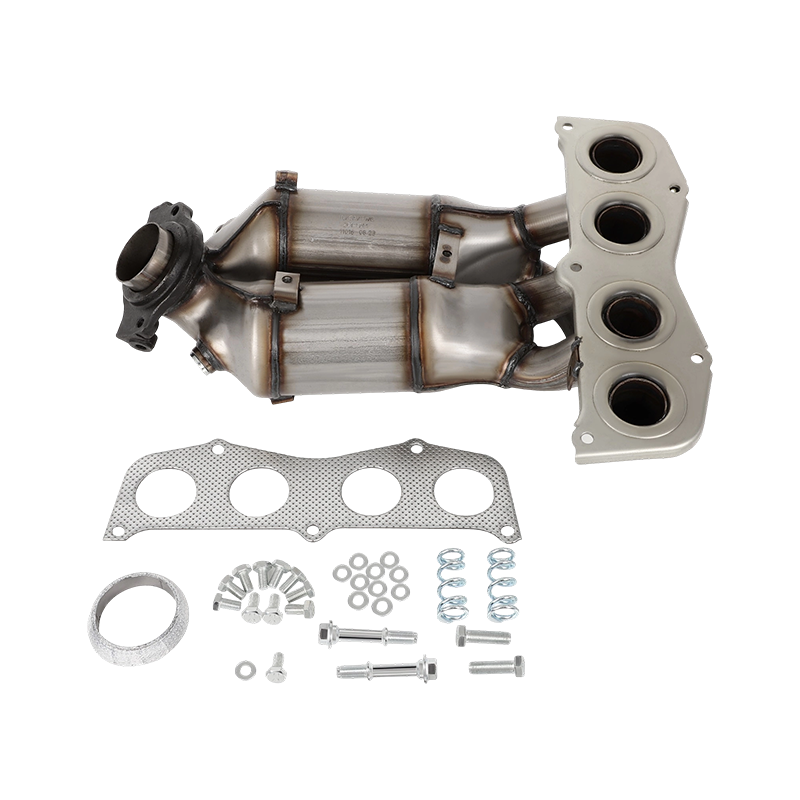
This product is designed for vehicles with an exhaust system OE number of 40583, applicable to 2001-2003 model years. It is an integrated assembly com...
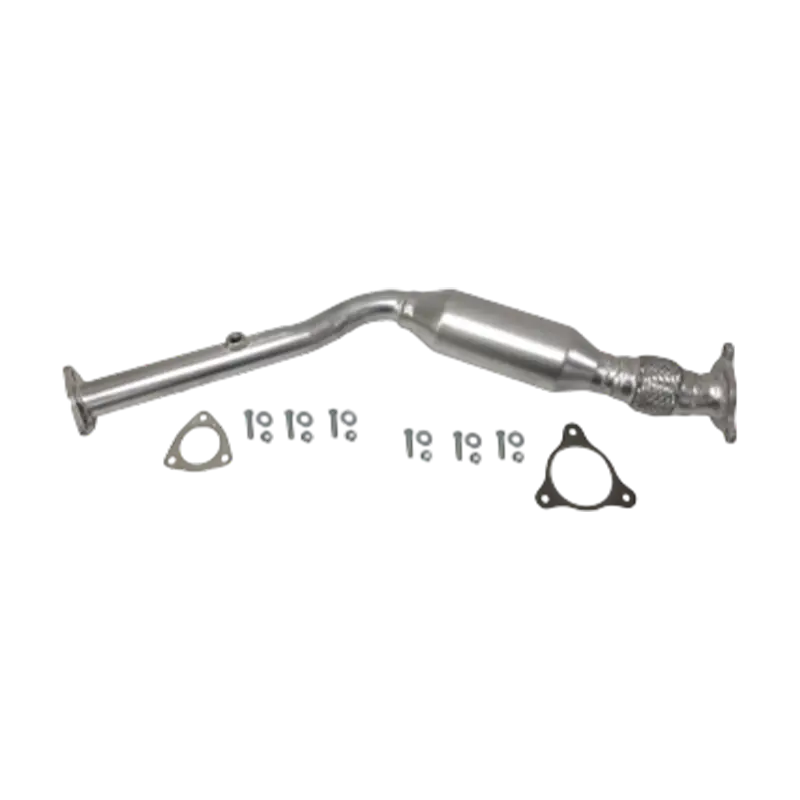
This product is designed for vehicles equipped with a 2.2L engine and an exhaust system OE number of 53508, applicable to 2003-2004 model years. It is...
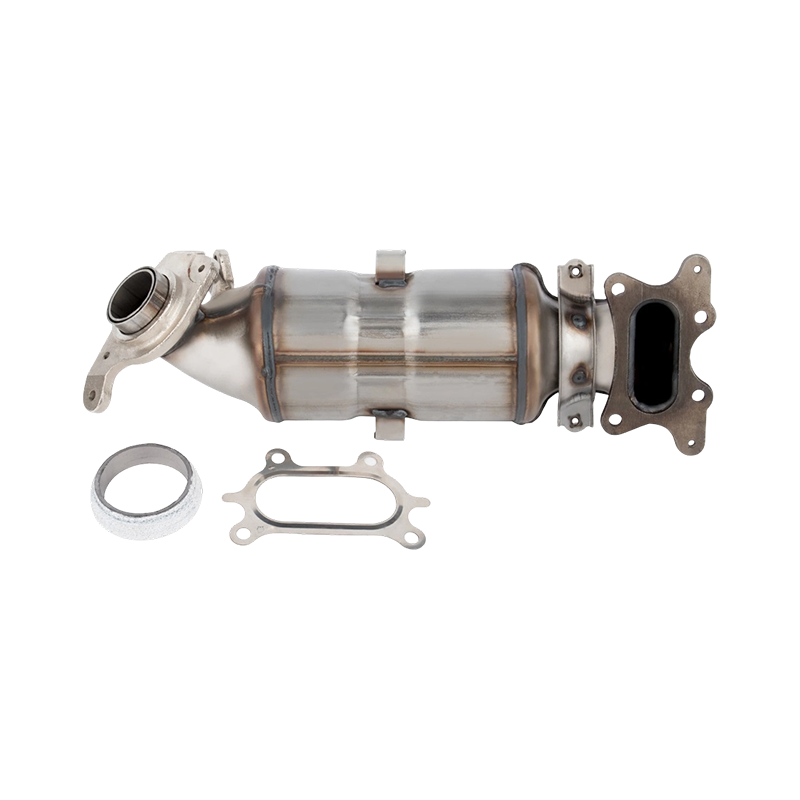
This product is designed for vehicles equipped with a 1.8L four-cylinder SOHC engine and an exhaust system OE number of 674-986, applicable to 2006-20...
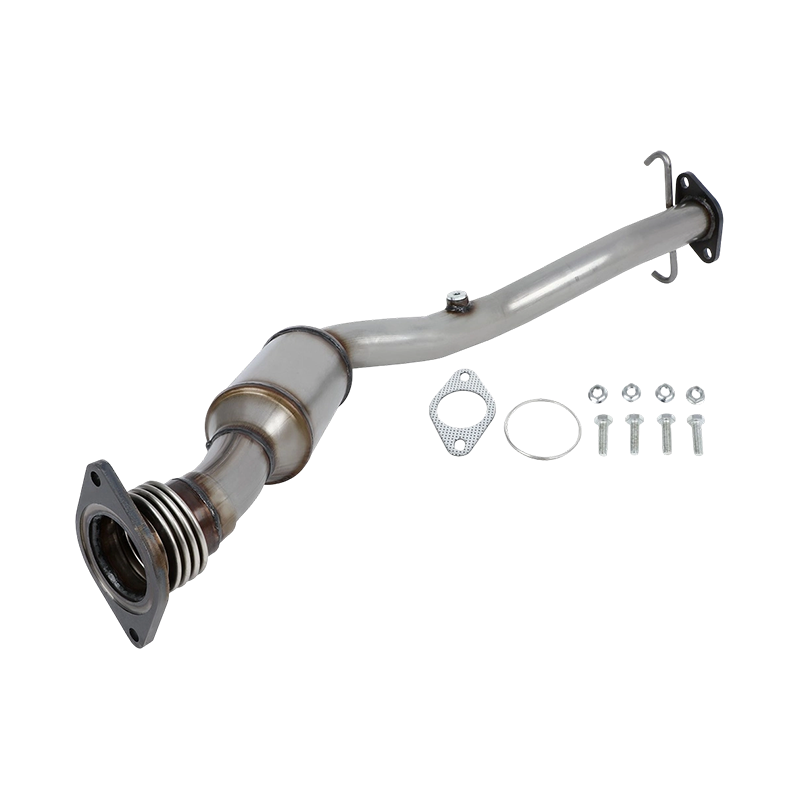
This product is designed for vehicles equipped with a 3.8L engine and an exhaust system OE number of 54752, applicable to 2004-2008 model years. It is...
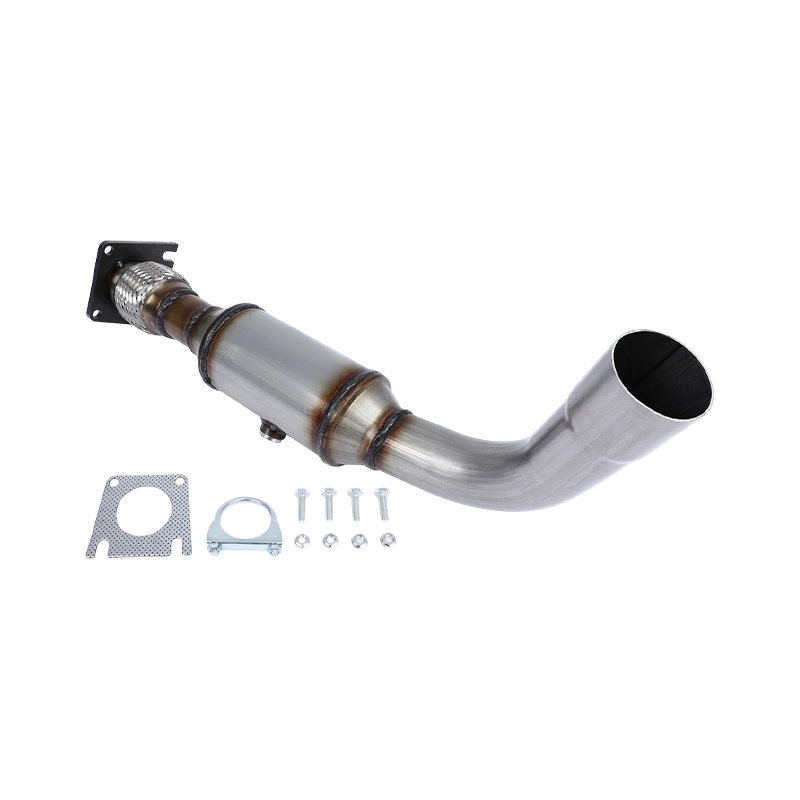
This product is designed for vehicles equipped with a 3.8L engine and an exhaust system OE number of 42912, applicable to 2008-2010 model years. It is...
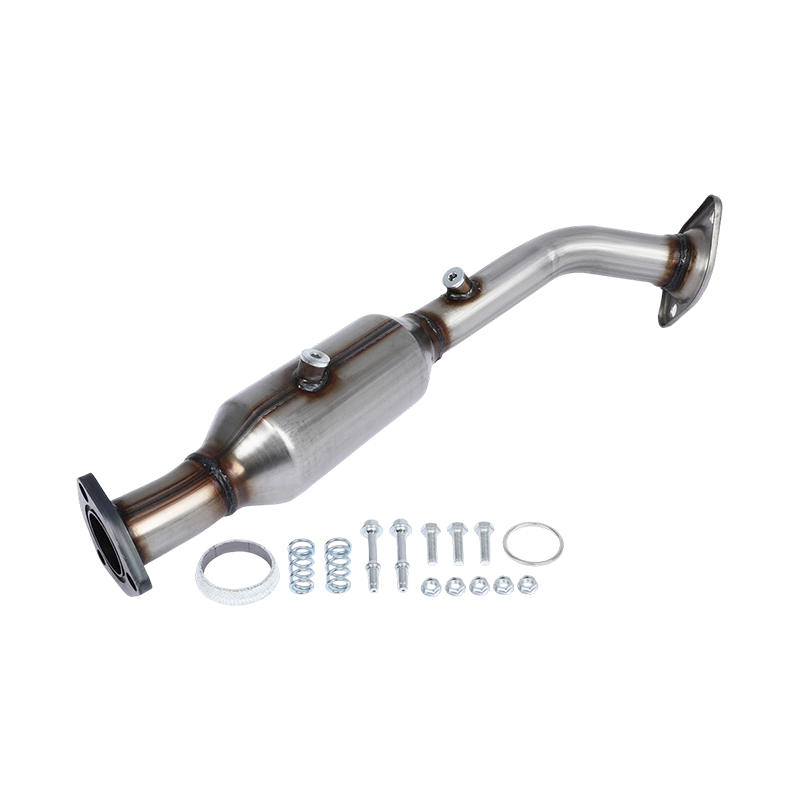
This product is designed for vehicles equipped with a 2.0L base configuration engine and an exhaust system OE number of 53583, applicable to 2002-2006...
Three-Way Catalytic Converters: Essential Emission Control Devices Three-way catalytic converters a......
READ MOREEvery gasoline engine that meets modern emission standards depends on a component most drivers neve......
READ MOREThe short answer first: a diesel oxidation catalyst, usually shortened to DOC, is the first functio......
READ MOREA DOC (Diesel Oxidation Catalyst) is a critical emissions control component that reduces harmful pol......
READ MOREIf your diesel engine suddenly loses power while the exhaust smells raw and oily, the problem may b......
READ MOREA construction fleet manager in Shandong noticed fuel consumption creeping up on a three-year-old w......
READ MORE