


 English
 русский
 Español
SCRF (DPF Coated with Cu-Fe Base) Catalyst
SCRF catalysts integrate SCR functionality directly onto a diesel particulate filter (DPF), combining NOx reduction and particulate filtration into a ...
Selective Catalytic Reduction (SCR) catalysts are the most widely deployed and technically proven technology for removing nitrogen oxides (NOx) from the exhaust gases of combustion processes across power generation, transportation, marine, and industrial sectors. They work by facilitating the chemical reaction between NOx in the exhaust stream and a reducing agent, most commonly ammonia or urea derived ammonia, to convert the harmful nitrogen oxides into harmless molecular nitrogen and water vapor. The technology has been in industrial use since the 1970s and in mobile diesel applications since the 2000s, and today it represents the principal compliance pathway for NOx emission limits under environmental regulations on four continents.
The direct answer for anyone evaluating SCR catalysts is this: the two principal catalyst chemistries in commercial use are vanadium based SCR catalysts and zeolite based SCR catalysts, and the correct choice between them depends on the exhaust gas temperature profile of the specific application, the required NOx conversion efficiency, and the tolerance of the system for ammonia slip. Vanadium catalysts operate optimally in the 280 to 420 degree Celsius range and are the standard in stationary power plants and industrial installations. Zeolite catalysts, particularly those using copper or iron exchanged zeolite frameworks, operate effectively across a wider temperature window of 200 to 600 degrees Celsius and dominate mobile applications including diesel trucks, passenger cars, and non road equipment where exhaust temperatures are highly variable. This article covers the reaction chemistry, catalyst types, operating parameters, applications, and performance expectations for SCR systems in full technical depth.
The fundamental chemistry of selective catalytic reduction involves the reaction of nitrogen oxides with ammonia (NH3) in the presence of a catalyst, using oxygen from the exhaust gas as an additional reactant. The term selective in the name reflects the fact that the catalyst promotes the reaction of ammonia specifically with NOx rather than allowing the ammonia to react with excess oxygen in the exhaust to form additional NOx or other undesirable compounds. This selectivity is what makes the process useful: without it, introducing ammonia into a hot, oxygen rich exhaust stream would simply create new pollutants rather than destroying existing ones.
NOx in exhaust gas is composed primarily of nitric oxide (NO) and nitrogen dioxide (NO2), with the relative proportions depending on combustion conditions and whether an upstream oxidation catalyst is present. The SCR reactions that convert these species are:
In mobile and most stationary applications, the ammonia required for the SCR reaction is not stored or transported as pure ammonia gas (which is toxic and difficult to handle safely) but is generated in situ by the thermal decomposition and hydrolysis of aqueous urea solution. Diesel exhaust fluid (DEF), sold under the commercial name AdBlue in Europe, is a precisely formulated 32.5 percent solution of high purity urea in deionized water. This specific concentration corresponds to the eutectic composition of the urea water system, giving it the lowest possible freezing point of minus 11 degrees Celsius, which reduces but does not eliminate the cold temperature storage and dispensing challenges associated with DEF systems in cold climates.
When DEF is injected into the hot exhaust stream upstream of the SCR catalyst, it undergoes a two step conversion to ammonia: first, thermolysis of urea at temperatures above approximately 130 degrees Celsius produces ammonia and isocyanic acid (HNCO); second, the isocyanic acid hydrolyzes with water vapor in the exhaust to produce additional ammonia and carbon dioxide. The net result is that each mole of urea produces two moles of ammonia for the SCR reaction. The precise dosing of DEF to match the instantaneous NOx concentration and exhaust temperature in mobile applications requires a sophisticated control system that integrates NOx sensor readings, exhaust temperature sensors, and a dosing pump capable of injecting quantities from a few milliliters per minute at idle to several hundred milliliters per minute at full load.
The catalyst is the heart of any SCR system, and the specific catalyst chemistry determines the operating temperature window, the NOx conversion efficiency achievable, the tolerance to exhaust contaminants such as sulfur and phosphorus, and the useful service life before catalyst deactivation requires regeneration or replacement. Two major catalyst families account for virtually all commercial SCR installations worldwide, with a third family gaining increasing importance in specific applications.
Vanadium based Selective Catalytic Reduction (SCR) catalysts use vanadium pentoxide (V2O5) as the active catalytic species, supported on titanium dioxide (TiO2) with tungsten trioxide (WO3) as a promoter and stabilizer. The catalyst is typically prepared as a washcoat applied to a honeycomb ceramic or metal substrate, or extruded as a homogeneous honeycomb structure for large stationary applications. The active vanadium sites catalyze the oxidation reduction cycle that enables the SCR reaction: V5+ sites adsorb and activate ammonia, while the reduced V4+ sites are re oxidized by oxygen from the exhaust gas to complete the catalytic cycle.
Vanadium SCR catalysts achieve their peak NOx conversion efficiency of 90 to 98 percent in the temperature range of 280 to 420 degrees Celsius, which corresponds well to the exhaust gas temperatures of stationary diesel generators, natural gas turbines operating at part load, and industrial boilers and process heaters. Their advantages for stationary applications include excellent sulfur tolerance (they can operate in exhaust streams with sulfur dioxide concentrations above 1,000 parts per million without significant deactivation), proven long term stability (catalysts in coal fired power plants routinely achieve service lives of 5 to 10 years before replacement is required), and relatively low cost compared to zeolite alternatives at the volumes required for large stationary installations.
The primary limitations of vanadium SCR catalysts are their narrow operating temperature window and their upper temperature instability. Above approximately 500 degrees Celsius, the vanadium sites undergo sintering and the TiO2 support undergoes a phase transition from the catalytically favorable anatase form to the less active rutile form, causing irreversible deactivation. This temperature sensitivity makes vanadium catalysts unsuitable for mobile applications where the exhaust can reach 600 degrees Celsius or above during diesel particulate filter regeneration events, and limits their applicability in any system where exhaust temperature excursions above 500 degrees Celsius are possible.
Zeolite based SCR catalysts use the microporous crystalline aluminosilicate framework of zeolite materials as the catalyst support, with metal ions exchanged into the zeolite framework to serve as the active SCR sites. The most commercially important zeolite SCR catalysts use copper (Cu zeolite) or iron (Fe zeolite) as the active metal, with the specific zeolite framework structure (most commonly SSZ 13 chabazite, beta zeolite, or ZSM 5) providing the pore geometry and acid site density that govern catalyst performance and durability.
The major advantage of zeolite SCR catalysts over vanadium catalysts is their much wider and more thermally stable operating window. Copper exchanged chabazite (Cu CHA) catalysts, which have become the dominant catalyst type in passenger car and light truck SCR applications, deliver:
Iron exchanged zeolite (Fe zeolite) catalysts offer different performance characteristics compared to Cu zeolite: they are more active at higher temperatures (300 to 600 degrees Celsius) and show better sulfur tolerance at low temperatures, but are less active below 250 degrees Celsius. Iron zeolite catalysts based on beta zeolite and ZSM 5 frameworks were the first zeolite SCR catalysts to be commercialized in heavy duty diesel trucks in the United States in the early 2000s, before Cu CHA catalysts emerged with superior low temperature performance for the full range of mobile applications.
Research into SCR catalyst chemistries beyond vanadium and zeolite systems has identified several promising alternatives for specific applications. Manganese based SCR catalysts on TiO2 or CeO2 supports demonstrate exceptionally high activity at temperatures below 200 degrees Celsius, addressing the low temperature limitation of all current commercial SCR catalysts for cold start emission control. Laboratory studies of MnOx CeO2 binary oxide catalysts have reported NOx conversion efficiencies above 90 percent at temperatures as low as 120 to 150 degrees Celsius, compared to the 200 degrees Celsius minimum for Cu CHA catalysts. The current barrier to commercialization of these low temperature manganese catalysts is their poor selectivity (production of N2O rather than N2 at low temperatures) and their sensitivity to sulfur poisoning, which cause unacceptable performance degradation in real exhaust conditions. Active research programs at major catalyst manufacturers are addressing these limitations, and low temperature SCR catalysts with commercial quality performance and durability represent a near term development opportunity that would significantly improve cold start NOx control in both mobile and stationary applications.
The active catalyst material is not used as a loose powder but is integrated with a structured substrate that provides the physical form needed for a practical exhaust aftertreatment device. The substrate determines the geometric surface area available for catalyst contact with the exhaust gas, the pressure drop imposed on the exhaust system, the heat capacity of the catalyst assembly, and the mechanical durability of the system in service. Two substrate types dominate commercial SCR catalyst design for mobile applications, with a third type standard for large stationary installations.
Cordierite (2MgO 2Al2O3 5SiO2) ceramic honeycomb monoliths are the dominant substrate for mobile SCR applications. They are produced by extrusion of plasticized cordierite paste through a die with the channel pattern, followed by firing at approximately 1,400 degrees Celsius to develop the final ceramic microstructure. The catalyst washcoat, containing the zeolite or vanadium active material, is deposited onto the channel walls of the fired monolith substrate. Cell density (the number of square channels per square inch of monolith cross section) and wall thickness are the primary design parameters: typical SCR catalyst monoliths for passenger cars use cell densities of 400 to 600 cells per square inch (cpsi) with wall thicknesses of 4 to 6 thousandths of an inch (mil), while heavy duty truck applications use 200 to 400 cpsi at 6 to 8 mil wall thickness to balance geometric surface area against pressure drop and thermal mass.
Metal foil honeycomb substrates are produced from thin corrugated sheets of high temperature ferritic stainless steel (typically Fe Cr Al alloy with aluminum content of 4 to 6 percent that forms a protective alumina layer at high temperatures) wound or stacked into a honeycomb structure and brazed at contact points. Metal substrates offer advantages over ceramic for some applications: their higher thermal conductivity improves temperature uniformity across the catalyst cross section, their lower wall thickness at equivalent channel pitch allows higher cell densities and geometric surface areas than ceramic at the same pressure drop, and their resistance to mechanical shock and vibration is higher due to the ductility of metal compared to the brittle fracture behavior of ceramic. Metal substrates are preferred for extreme duty applications including construction equipment, mining machinery, and marine high speed engines where vibration and shock loading would risk ceramic monolith fracture.
Large stationary SCR installations for power plants and industrial sources use an entirely different substrate approach: the active catalyst material (vanadium TiO2 WO3) is extruded directly as a honeycomb structure, without a separate substrate, at cell densities of 15 to 50 cpsi with correspondingly large channel dimensions. This low cell density design provides very low pressure drop (critical in large gas turbine and boiler applications where exhaust fan energy consumption is a significant operating cost) while the extruded through the wall catalyst composition ensures that the active catalyst layer is not limited to the thin washcoat on the channel surface but penetrates the full wall thickness, maximizing catalyst utilization per unit volume. Extruded vanadium TiO2 catalyst modules are typically supplied in standardized elements of approximately 150 mm x 150 mm cross section and 500 to 1,000 mm length, stacked in layers within the SCR reactor housing and replaceable individually as deactivation occurs.
SCR catalysts are deployed across a wider range of applications than any other single NOx control technology, and the specific design parameters of the catalyst and system are customized substantially for each application sector based on the exhaust temperature profile, NOx concentration, available space, regulatory limit, and reducing agent supply logistics.
The stationary power and industrial sector was the original market for SCR technology, developed in Japan in the 1970s for coal fired power plants and subsequently adopted worldwide for natural gas turbines, diesel generators, waste incineration plants, cement kilns, and industrial boilers. Modern stationary SCR systems for coal fired power plants achieve NOx reductions of 80 to 95 percent, bringing stack emissions from an uncontrolled level of 400 to 700 milligrams of NOx per normal cubic meter to 20 to 80 mg/Nm3, well within the limits of the European Industrial Emissions Directive and equivalent regulations in the United States, China, and other major economies. The catalyst volume required for large utility scale applications is enormous: a single 500 megawatt coal fired generating unit may use 1,500 to 3,000 cubic meters of extruded vanadium catalyst across multiple reactor layers, with the catalyst replaced in layers on a rotating schedule to maintain consistent NOx conversion efficiency as individual layers deactivate over time.
The heavy duty diesel vehicle sector adopted SCR technology as the primary NOx control pathway from approximately 2005 in Europe (Euro IV/V standards) and 2010 in the United States (EPA 2010 emissions standards), driven by emission limits that required NOx reductions of 90 to 95 percent from pre control levels. The SCR system in a modern heavy duty diesel truck consists of a diesel oxidation catalyst (DOC) immediately downstream of the engine turbocharger for NO to NO2 oxidation and exhaust warming, followed by a diesel particulate filter (DPF) for particulate matter control, followed by the urea injection mixer, and finally the SCR catalyst brick and an ammonia slip catalyst (ASC) downstream to oxidize any excess ammonia.
The SCR catalyst in a Class 8 highway truck is typically a Cu zeolite monolith of 20 to 35 liters total catalyst volume, operating over the exhaust temperature range of 200 to 550 degrees Celsius at highway cruise conditions, and is designed to achieve NOx conversion efficiencies above 95 percent over a certified useful life of 700,000 kilometers or 10 years. DEF consumption in these applications runs at approximately 3 to 8 percent of diesel fuel consumption by volume, requiring a DEF tank of 60 to 100 liters on a typical Class 8 truck to provide adequate range between DEF refills on long haul routes.
Passenger car diesel SCR systems face a more challenging technical specification than heavy duty truck systems because the exhaust temperature profile during urban driving and cold start conditions is substantially lower and more variable, and the physical space available for the aftertreatment system is severely constrained by the vehicle packaging envelope. The introduction of Euro 6d TEMP and Euro 6d real world driving emission (RDE) limits, which require demonstrated NOx control under actual on road conditions rather than only on the New European Driving Cycle laboratory test, forced catalyst manufacturers to develop SCR catalysts with significantly improved cold start and low load performance.
Modern passenger car SCR systems address the cold start challenge through several engineering approaches: positioning the Selective Catalytic Reduction (SCR) catalyst as close as possible to the engine (the close coupled position) to maximize exhaust heat available during warm up; using an electrically heated catalyst element to accelerate the catalyst to its operating temperature before engine exhaust heat is sufficient; and storing ammonia on the SCR catalyst surface during high temperature operation for release during cold start periods when DEF hydrolysis cannot proceed due to insufficient exhaust temperature.
The International Maritime Organization (IMO) Tier III NOx emission standard, mandatory for new marine vessels in designated Emission Control Areas (ECAs) from 2016, requires an 80 percent NOx reduction relative to Tier I levels. SCR technology is the dominant compliance pathway for large marine diesel and gas engines to meet Tier III, with systems installed on hundreds of ocean going vessels since 2016. Marine SCR presents unique engineering challenges not encountered in land based applications: the catalyst must tolerate the high sulfur content of heavy fuel oil (HFO) combustion exhaust (up to 3.5 percent sulfur outside ECAs), accommodate the very large exhaust volumes of slow speed two stroke marine diesel engines, and survive the corrosive marine environment for intervals of 5,000 to 30,000 hours between maintenance overhauls.
Marine SCR systems operating on HFO use specially formulated vanadium based catalysts with enhanced sulfur tolerance and operate in a high dust configuration where the catalyst is positioned upstream of the particulate scrubber (if fitted), requiring robust catalyst elements resistant to fouling and mechanical abrasion by fly ash particles in the exhaust stream.
Construction equipment, agricultural machinery, mining equipment, and other non road mobile machinery (NRMM) sectors are subject to progressively tightening NOx emission standards including EU Stage V and EPA Tier 4 Final, both of which require NOx reductions of 80 to 95 percent from pre regulation levels. SCR technology is applied across this sector in engines from 19 kW to well above 500 kW, with the catalyst system scaled proportionally to engine displacement and exhaust flow rate. The durability requirements for NRMM SCR catalysts are particularly demanding because construction and mining equipment may operate in extremely dusty environments with exhaust temperatures that cycle widely between low load idle (200 to 250 degrees Celsius) and high load operation (450 to 550 degrees Celsius), requiring catalysts with robust hydrothermal stability and resistance to particulate fouling.
All SCR catalysts experience gradual deactivation over time in service, reducing their NOx conversion efficiency and eventually requiring regeneration or replacement to restore compliance with emission limits. Understanding the mechanisms of catalyst deactivation is essential for optimizing catalyst service life through appropriate operating practices and for specifying catalyst chemistries and operating conditions that minimize deactivation rate.
Exposure to temperatures above the catalyst's rated upper limit causes irreversible sintering of the active metal sites and structural changes to the support material. For vanadium TiO2 catalysts, sintering of the V2O5 active phase and the anatase to rutile TiO2 phase transition both contribute to activity loss at temperatures above 500 degrees Celsius. For Cu zeolite catalysts, the primary deactivation pathway at high temperatures is hydrothermal dealumination of the zeolite framework and migration of copper ions from their active exchange sites to form inactive CuO clusters, with the rate of both processes accelerating strongly with temperature in the presence of water vapor (which is always present at significant concentrations in combustion exhaust). Hydrothermal aging at 750 degrees Celsius for 100 hours in 10 percent water vapor is a widely used standard aging condition for evaluating Cu zeolite catalyst durability, and the best commercial Cu CHA catalysts retain over 90 percent of their fresh SCR activity after this treatment.
Sulfur dioxide in the exhaust, derived from the sulfur content of the fuel, reacts with the SCR catalyst and its support to form sulfate species that block active sites and reduce NOx conversion efficiency. The extent of sulfur poisoning depends on the sulfur concentration in the exhaust, the exhaust temperature (sulfation rate increases at lower temperatures and is reversible at higher temperatures above approximately 450 to 500 degrees Celsius for most catalyst systems), and the specific catalyst chemistry. Vanadium TiO2 catalysts are inherently more sulfur tolerant than zeolite catalysts because the TiO2 support does not form stable bulk sulfates at typical SCR operating temperatures, and the vanadium active sites are more resistant to sulfation than copper or iron sites in zeolite frameworks.
For mobile diesel applications using ultra low sulfur diesel (ULSD) with sulfur content below 10 parts per million, sulfur poisoning is typically a minor contributor to catalyst deactivation compared to thermal aging and hydrocarbon fouling. For applications burning fuels with higher sulfur content, including older diesel formulations and most marine fuels, sulfur tolerance is a primary catalyst selection criterion.
Engine oil additives, including phosphorus based anti wear agents (ZDDP) and calcium based detergents, are volatilized and carried into the exhaust stream during normal engine operation. These compounds deposit on the Selective Catalytic Reduction (SCR) catalyst surface and progressively block active sites, with phosphorus poisoning particularly severe because it forms stable phosphate compounds with both the zeolite framework and the copper active sites in Cu zeolite catalysts. Studies of catalyst deactivation in passenger car SCR applications have found that phosphorus accumulation on the catalyst surface of 0.1 to 0.5 percent by weight can reduce NOx conversion efficiency by 10 to 30 percentage points, with the effect becoming significant after approximately 150,000 to 200,000 kilometers of operation with standard engine oil consumption rates. Low phosphorus engine oils, increasing the oil service interval to reduce total oil consumption, and optimizing engine piston ring sealing to minimize oil passage into the exhaust are the primary mitigation strategies for oil derived catalyst poisoning in passenger car applications.
The following table consolidates the key performance parameters and application characteristics of the three main commercial SCR catalyst types to support catalyst selection and system specification decisions across different application sectors.
| Parameter | Vanadium TiO2 WO3 | Copper Zeolite (Cu CHA) | Iron Zeolite (Fe Beta ZSM 5) |
|---|---|---|---|
| Optimal temperature range | 280 to 420 degrees C | 200 to 550 degrees C | 300 to 600 degrees C |
| Peak NOx conversion efficiency | 90 to 98 percent | 92 to 97 percent | 88 to 95 percent |
| Maximum operating temperature | 500 degrees C (irreversible damage above) | 700 to 750 degrees C (hydrothermal) | 650 to 700 degrees C |
| Sulfur tolerance | Excellent (above 1,000 ppm SO2) | Good (below 50 ppm SO2 preferred) | Good to moderate |
| Low temperature activity (200 degrees C) | Below 30 percent conversion | Above 70 percent conversion | 40 to 60 percent conversion |
| Relative cost per liter of catalyst | Low to medium | Medium to high | Medium |
| Primary applications | Power plants, industrial boilers, marine HFO | Passenger cars, light trucks, NRMM | Heavy duty trucks, industrial engines |
Selective Catalytic Reduction catalyst technology has delivered some of the most impactful air quality improvements of the past four decades across all combustion source categories, and its continued development is central to meeting the increasingly stringent NOx emission limits being adopted by regulatory agencies worldwide. The ongoing shift toward lower NOx limits in both stationary and mobile source regulations, combined with the growing penetration of natural gas as a fuel source and the introduction of hybrid and plug in hybrid powertrains that create new low temperature exhaust profiles, is driving continued innovation in catalyst chemistry and system design. The selection of the correct catalyst type and operating parameters for any specific application remains the foundation of effective NOx control, and the framework provided in this article gives engineers and procurement professionals the technical basis for making that selection correctly.
A complete SCR emission control system is not simply a catalyst in a housing. It is an integrated assembly of upstream oxidation catalysts, injection and mixing hardware, the SCR catalyst itself, and in most modern systems an ammonia slip catalyst (ASC) downstream of the SCR catalyst that oxidizes any unreacted ammonia that passes through the SCR stage before it is emitted to the atmosphere. Ammonia is itself a regulated pollutant at the concentrations that can slip through an over dosed or improperly calibrated SCR system, and the smell of ammonia in the exhaust of a defective DEF dosing system is one of the most recognizable symptoms of an SCR system malfunction in heavy duty truck service.
The stoichiometric ratio of ammonia to NOx (the alpha ratio) delivered to the Selective Catalytic Reduction (SCR) catalyst has a direct and critical effect on both NOx conversion efficiency and ammonia slip. At an alpha ratio of exactly 1.0 (one mole of ammonia per mole of NOx entering the catalyst), the SCR catalyst can achieve its maximum NOx conversion efficiency while the SCR reaction consumes all ammonia in stoichiometric balance with the converted NOx. In practice, SCR systems for mobile diesel applications operate at alpha ratios of 0.9 to 1.05, deliberately maintaining a slight ammonia excess to maximize NOx conversion while relying on the ASC downstream to oxidize the small resulting ammonia slip to nitrogen and water. Operating at alpha ratios below 0.9 leaves unreacted NOx in the exhaust and risks non compliance with emission limits. Operating at alpha ratios substantially above 1.1 produces ammonia slip levels that exceed the catalyst's storage and ASC's oxidation capacity, resulting in ammonia emissions that are both a regulatory violation and an occupational exposure concern in enclosed environments such as vehicle maintenance workshops.
One of the practical challenges in SCR system operation at low exhaust temperatures is the formation of solid urea deposits in the DEF injection and mixing section of the exhaust pipe. When DEF is injected into exhaust gas below approximately 200 to 220 degrees Celsius, the thermal decomposition and hydrolysis of urea to ammonia is incomplete, and intermediate decomposition products including cyanuric acid, biuret, and melamine can crystallize and accumulate as solid deposits that progressively restrict the exhaust flow path and eventually block the DEF injector or the SCR catalyst entrance face. Deposit formation is particularly problematic in low load operation typical of urban bus routes, delivery vehicles, and construction equipment at idle, where exhaust temperatures may be consistently below 200 degrees Celsius for extended periods. SCR system engineers address this through active heating of the DEF injector body, optimization of the DEF injection spray pattern and droplet size to maximize evaporation before impingement on cold surfaces, and through the development of passive and active mixing elements that improve the homogeneity of the ammonia concentration entering the SCR catalyst. Catalyst manufacturers and OEMs also specify minimum DEF dosing temperature thresholds, typically 180 to 200 degrees Celsius, below which the DEF dosing system is inhibited to prevent deposit formation at the cost of temporary NOx conversion suspension.
Regulatory requirements for SCR equipped vehicles in the United States (EPA OBD requirements) and Europe (Euro 6 OBD requirements) mandate that the engine control system continuously monitors the performance of the SCR aftertreatment system and alerts the driver if the system is malfunctioning or delivering insufficient NOx reduction. The monitoring system uses a combination of NOx sensors upstream and downstream of the SCR catalyst to calculate the actual NOx conversion efficiency, compares this against the expected efficiency based on operating conditions, and illuminates a malfunction indicator lamp (MIL) if the conversion efficiency falls below a specified threshold that indicates catalyst deactivation or DEF dosing system failure. For Euro 6 heavy duty trucks, the NOx conversion efficiency monitoring threshold that triggers a MIL is set to detect efficiency degradation to 50 percent below the fresh catalyst specification, ensuring that significantly underperforming SCR systems are identified and serviced before they accumulate substantial excess emissions. Non compliance with OBD monitoring requirements carries significant regulatory penalties for vehicle manufacturers, and accurate NOx sensor performance is therefore a critical system reliability requirement for the complete SCR system over its certified useful life.
Bosch H, Janssen F. Catalytic reduction of nitrogen oxides: a review on the fundamentals and technology. Catalysis Today. 1988;2(4):369 to 531.
Busca G, Lietti L, Ramis G, Berti F. Chemical and mechanistic aspects of the selective catalytic reduction of NOx by ammonia over oxide catalysts: a review. Applied Catalysis B: Environmental. 1998;18(1 to 2):1 to 36.
Epling W S, Campbell L E, Yezerets A, Currier N W, Parks J E. Overview of the fundamental reactions and degradation mechanisms of NOx storage and reduction catalysts. Catalysis Reviews: Science and Engineering. 2004;46(2):163 to 245.
Johnson T V. Review of vehicular emissions trends. SAE International Journal of Engines. 2015;8(3):1152 to 1167.
Kwak J H, Tonkyn R G, Kim D H, Szanyi J, Peden C H F. Excellent activity and selectivity of Cu-SSZ-13 in the selective catalytic reduction of NOx with NH3. Journal of Catalysis. 2010;275(2):187 to 190.
Nova I, Tronconi E. Urea-SCR Technology for deNOx After Treatment of Diesel Exhausts. New York: Springer; 2014.
Perez-Ramirez J, Kapteijn F, Schöffel K, Moulijn J A. Formation and control of N2O in nitric acid production: where do we stand today? Applied Catalysis B: Environmental. 2003;44(2):117 to 151.
Qi G, Yang R T, Chang R. MnOx-CeO2 mixed oxides prepared by co-precipitation for selective catalytic reduction of NO with NH3 at low temperatures. Applied Catalysis B: Environmental. 2004;51(2):93 to 106.
Tronconi E, Nova I, Colombo M. Mathematical modeling and experimental verification of NH3-SCR reactors for NO control in diesel exhaust. AIChE Journal. 2010;56(2):373 to 390.
Wang D, Zhang L, Li J, Kamasamudram K, Epling W S. NH3-SCR over Cu/SAPO-34: particulate matter and water effects on deactivation and regeneration. Catalysis Today. 2014;231:64 to 74.
Content
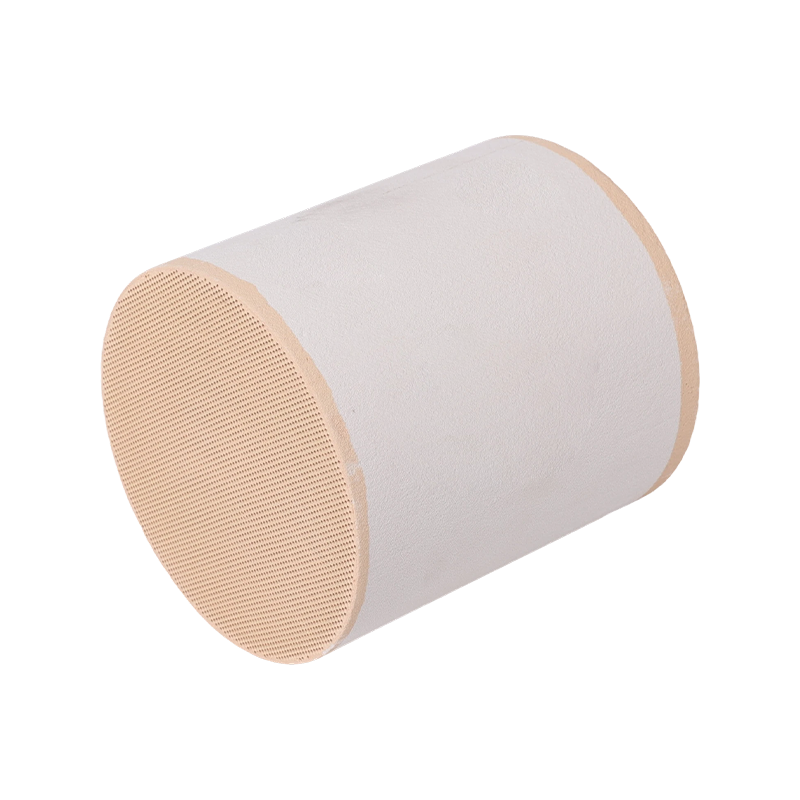
SCRF catalysts integrate SCR functionality directly onto a diesel particulate filter (DPF), combining NOx reduction and particulate filtration into a ...
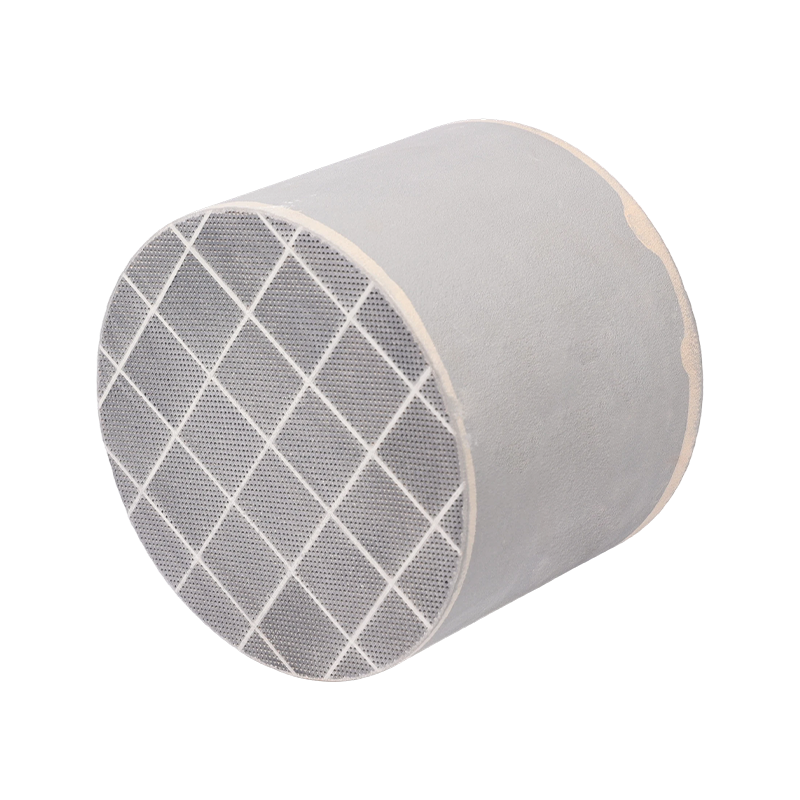
The SCR catalyst also follows the carrier–coating–active component structure; however, its active components are fundamentally different from those in...
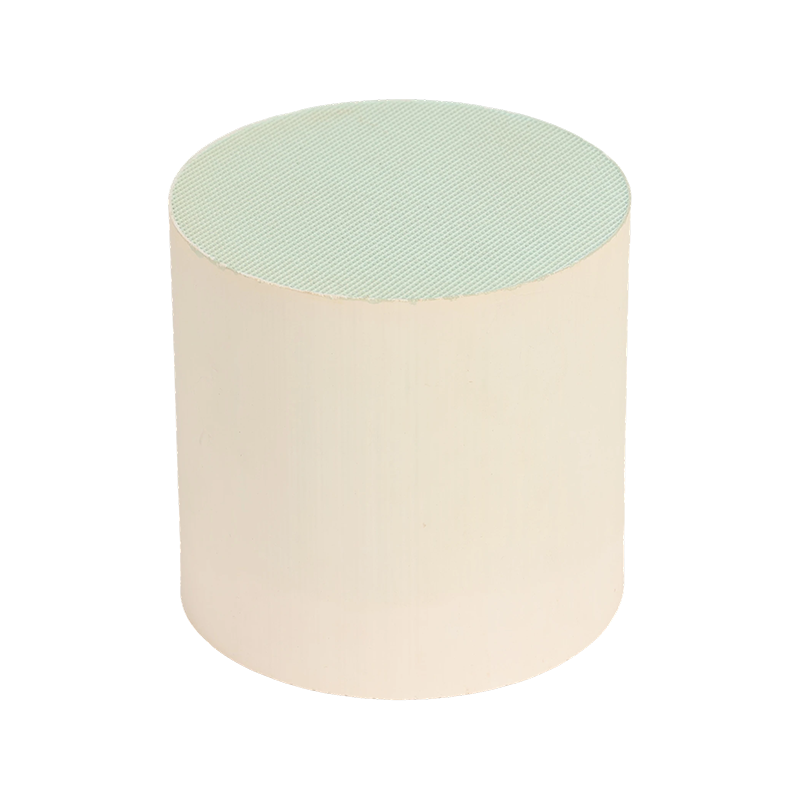
Copper-based SCR catalysts, particularly Cu-CHA structures such as Cu-SAPO-34 and Cu-SSZ-13, are widely recognized for their superior low-temperature ...
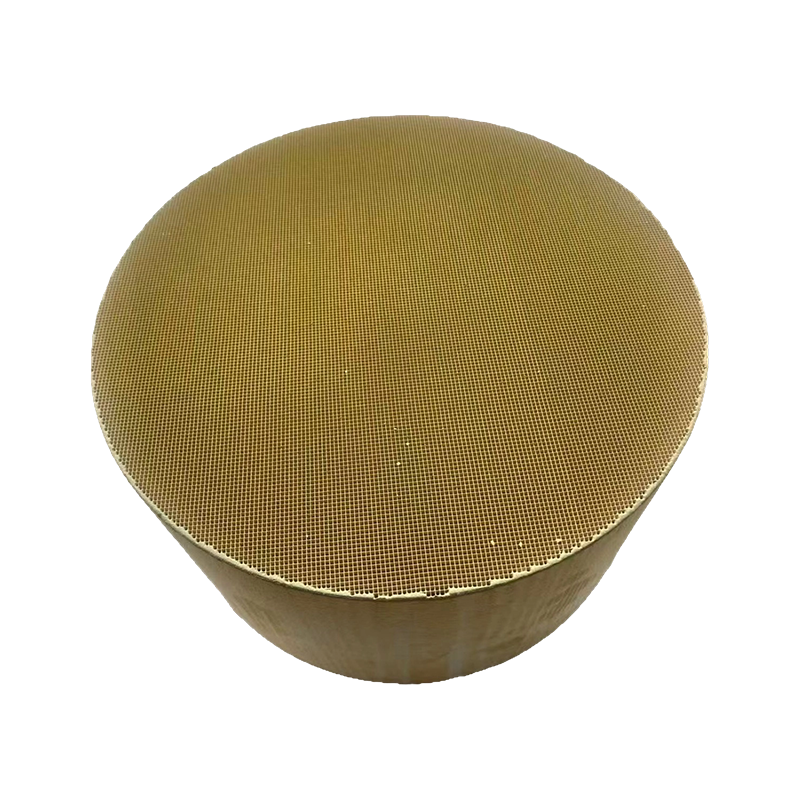
Vanadium-based SCR catalysts, using V₂O₅ as the active component, are a mature and cost-effective solution for NOx reduction in diesel exhaust. They a...
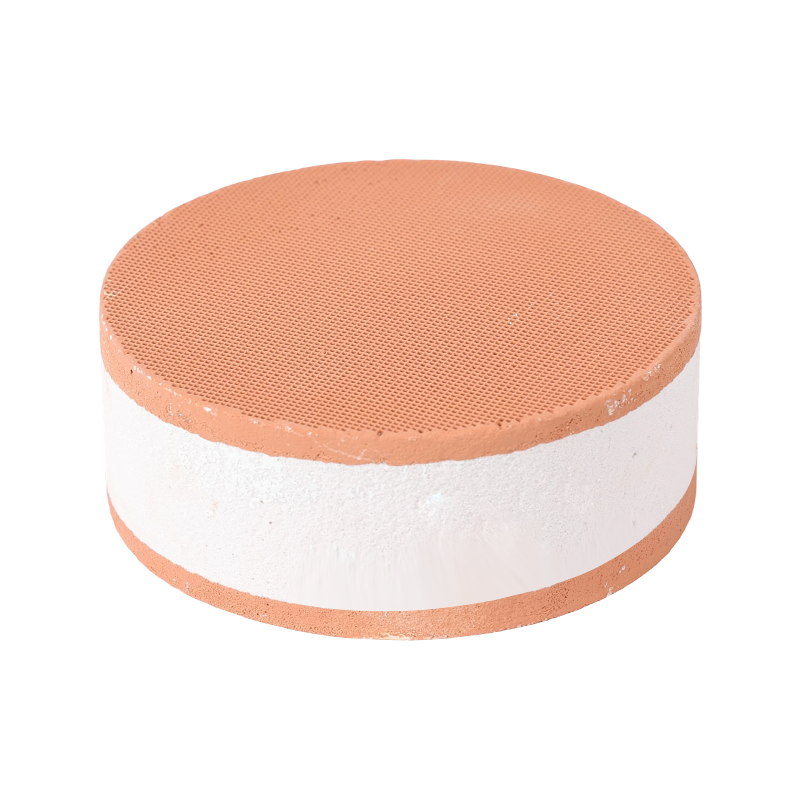
Iron-based SCR (Fe-SCR) catalysts, typically using Fe-Beta zeolites, are designed for high-temperature selective catalytic reduction of NOx in diesel ...
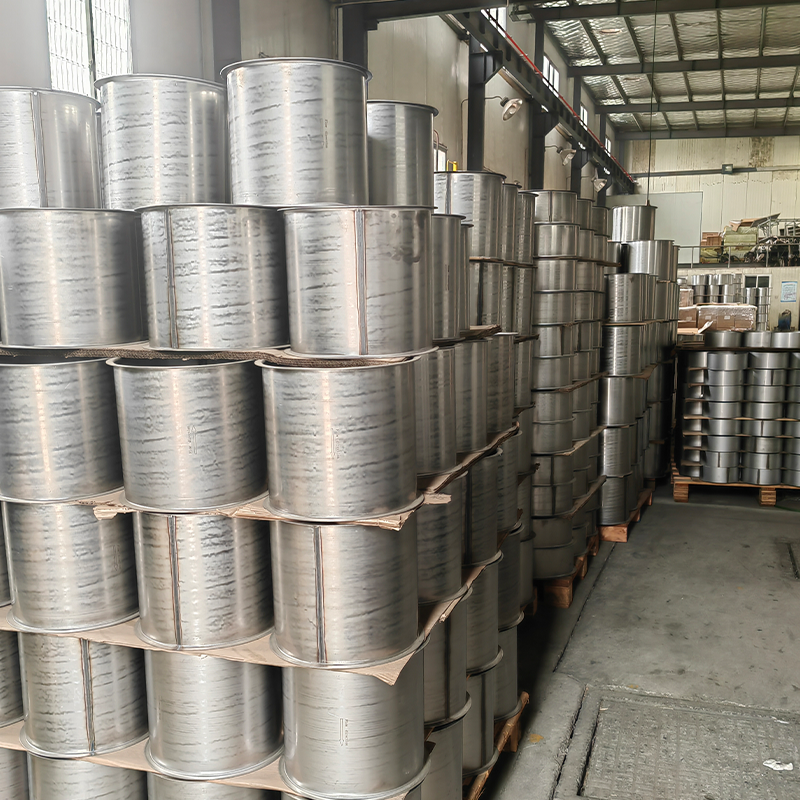
Gasoline Particulate Filter (GPF) welded assemblies are precision modules that integrate filtration, sensing, mechanical connection, and thermal manag...
A 3.0 L diesel van that rarely pushes its catalyst above 220 °C and a 400 kW standby generator runn......
READ MOREEmission control catalysts are the primary technological mechanism used to eliminate toxic environ......
READ MOREEmissions Control / Comparison A three-way catalytic converter is the correct choice for any spark......
READ MOREIntroduction: What Is a DOC Oxidation Catalyst? A diesel oxidation catalyst (DOC) is the first acti......
READ MOREA DOC (Diesel Oxidation Catalyst) is a critical emissions control component that reduces harmful pol......
READ MOREAt roughly 600 operating hours, the dash of a compact loader lights up with a derate warning. The t......
READ MORE