

 English
 русский
 Español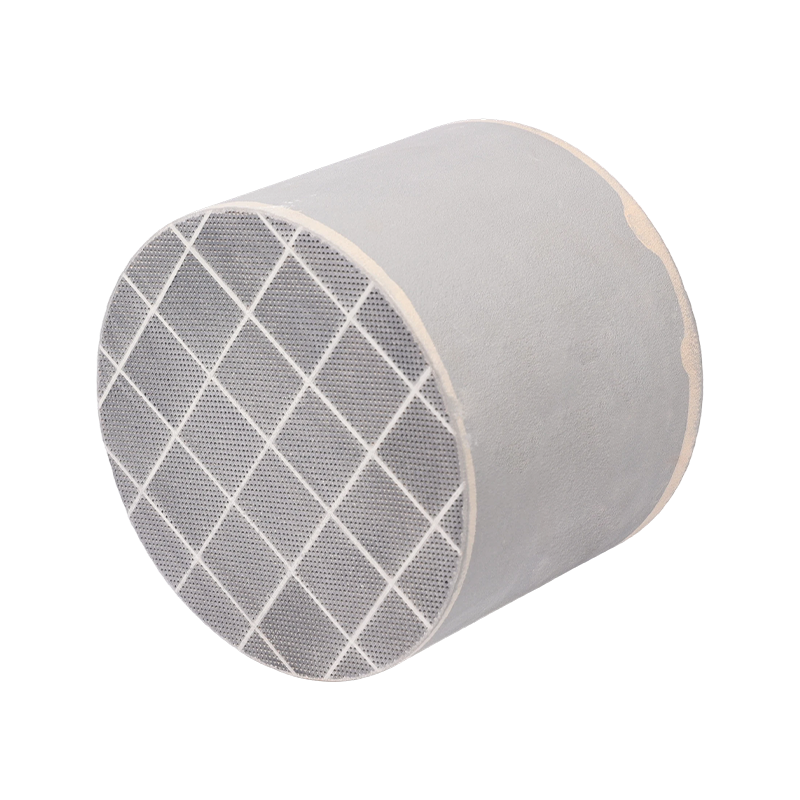
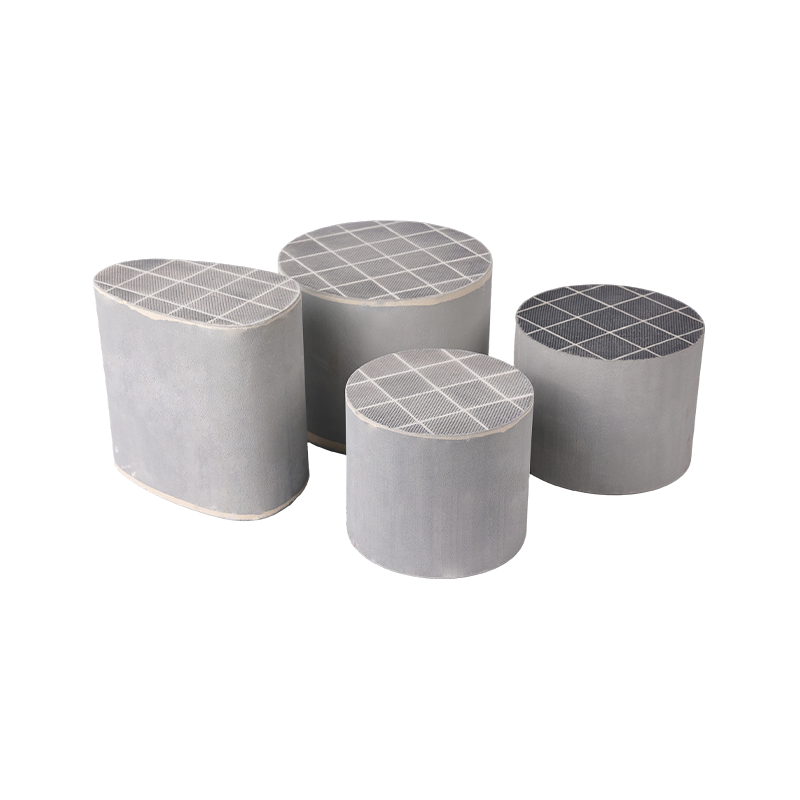
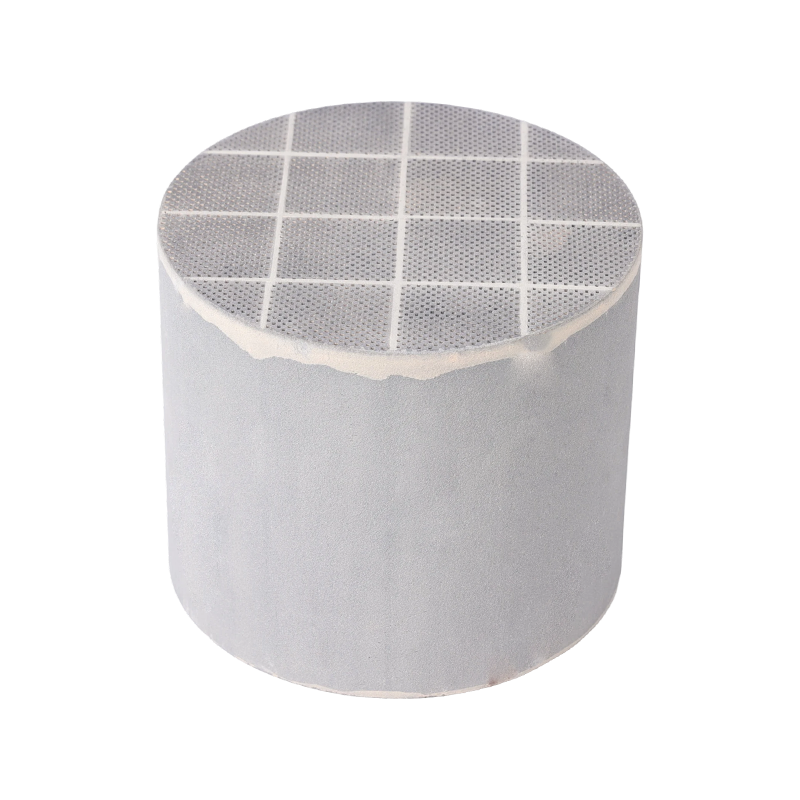
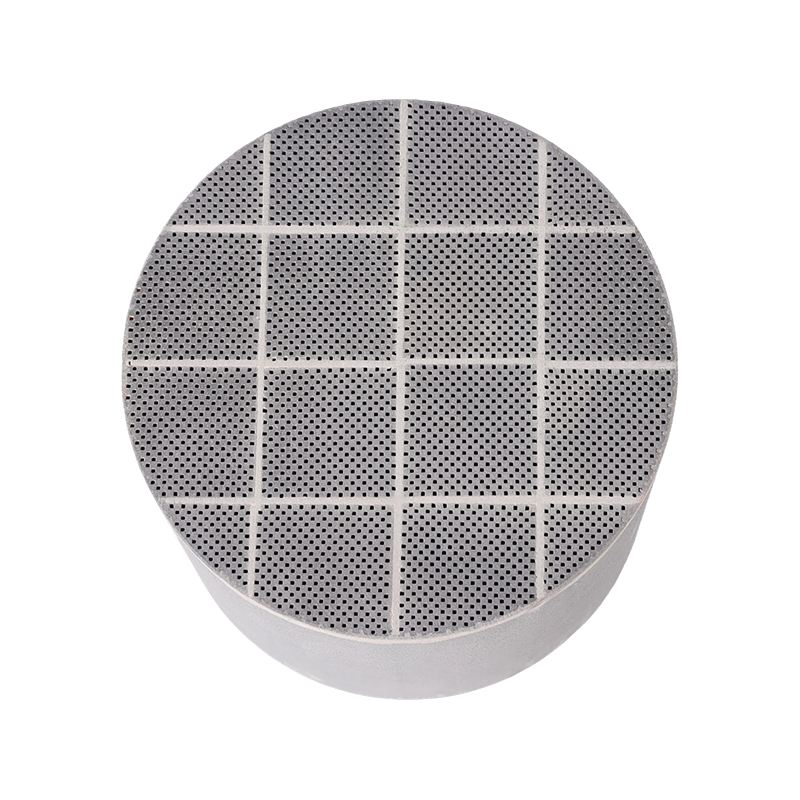
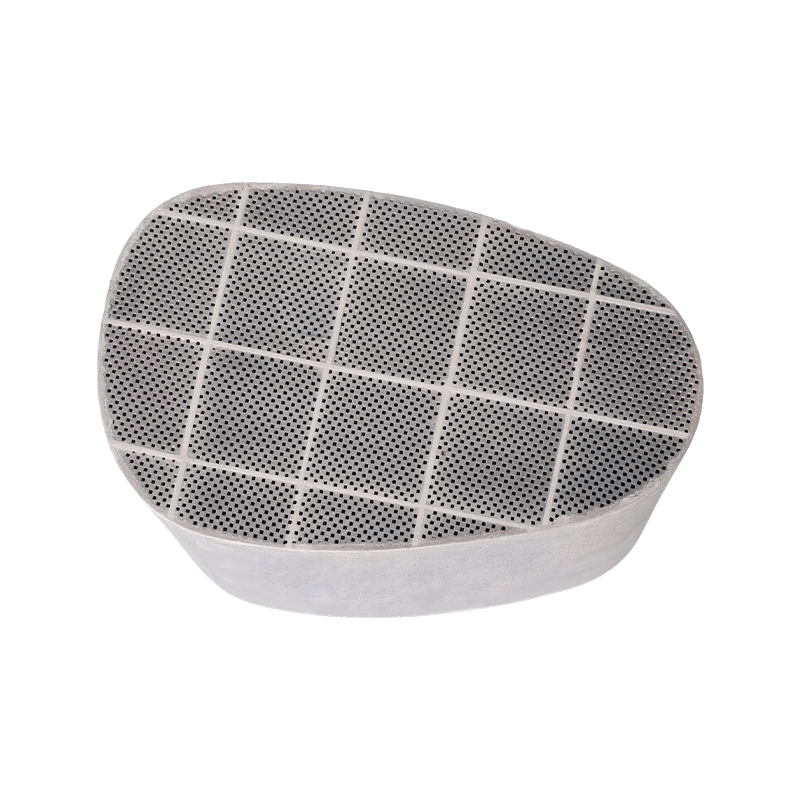
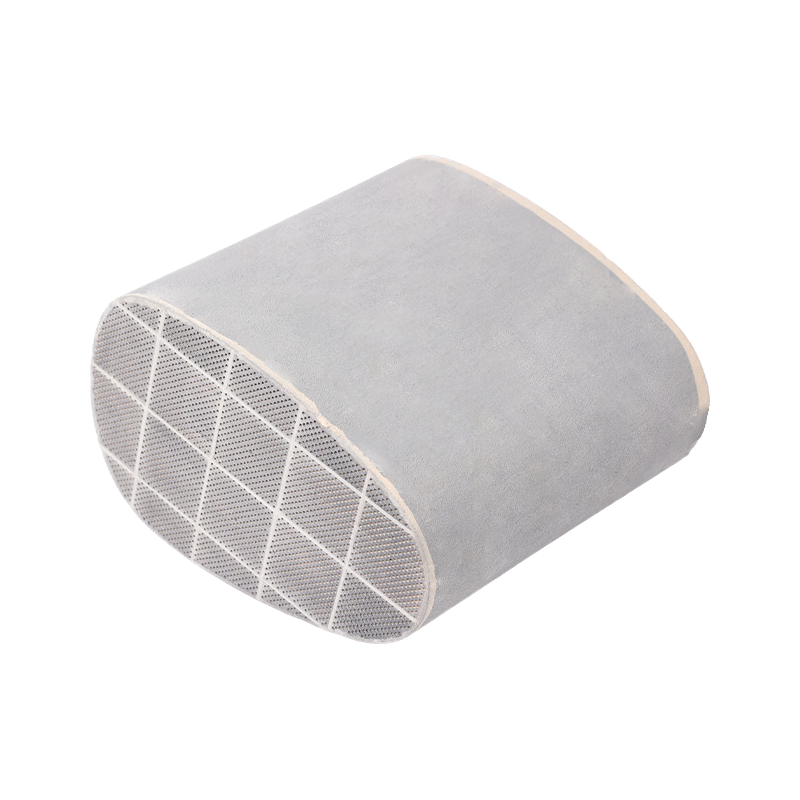
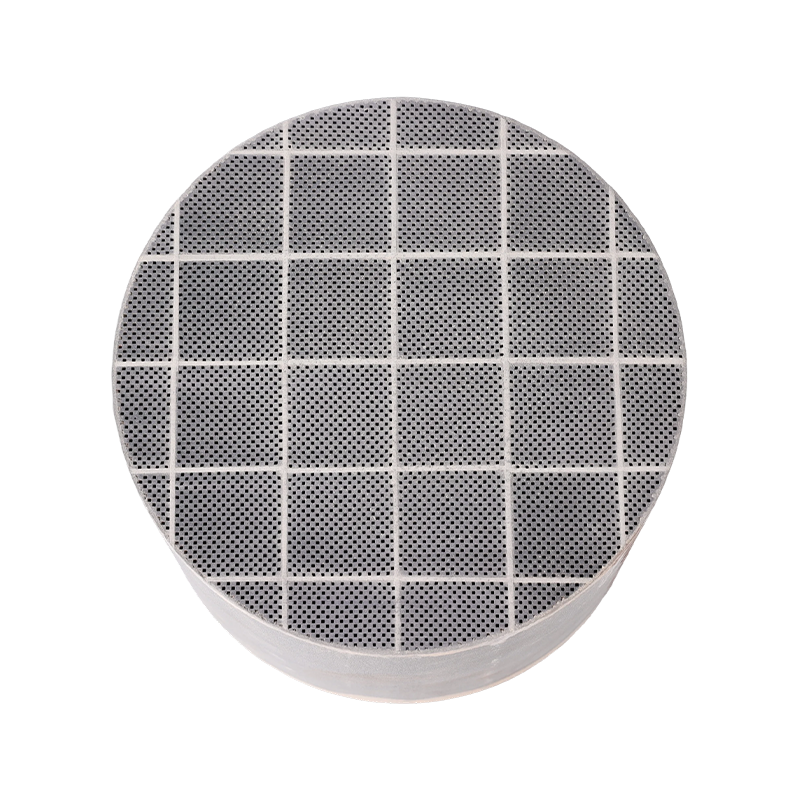
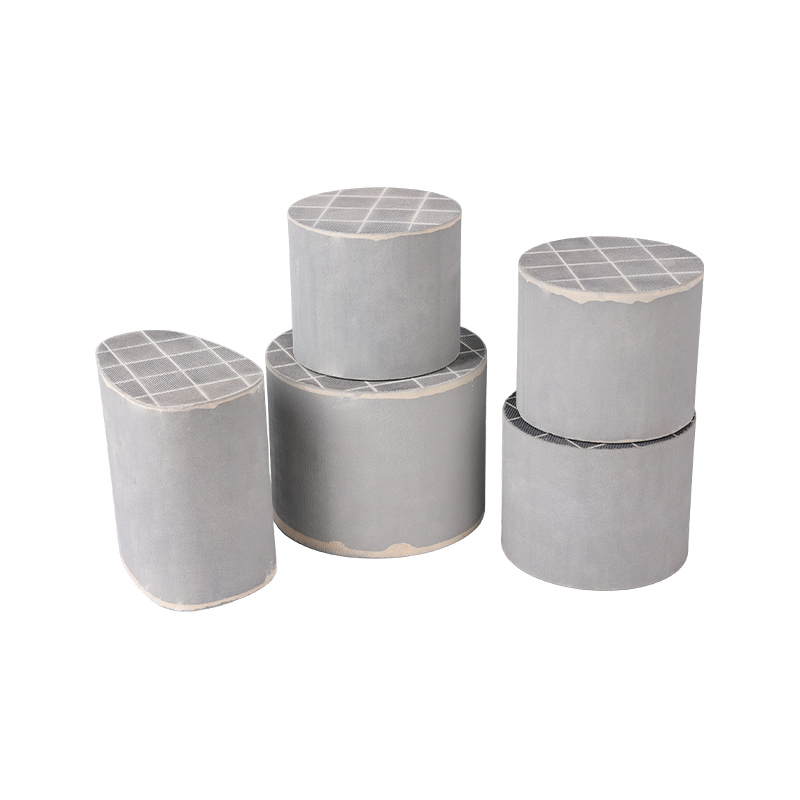
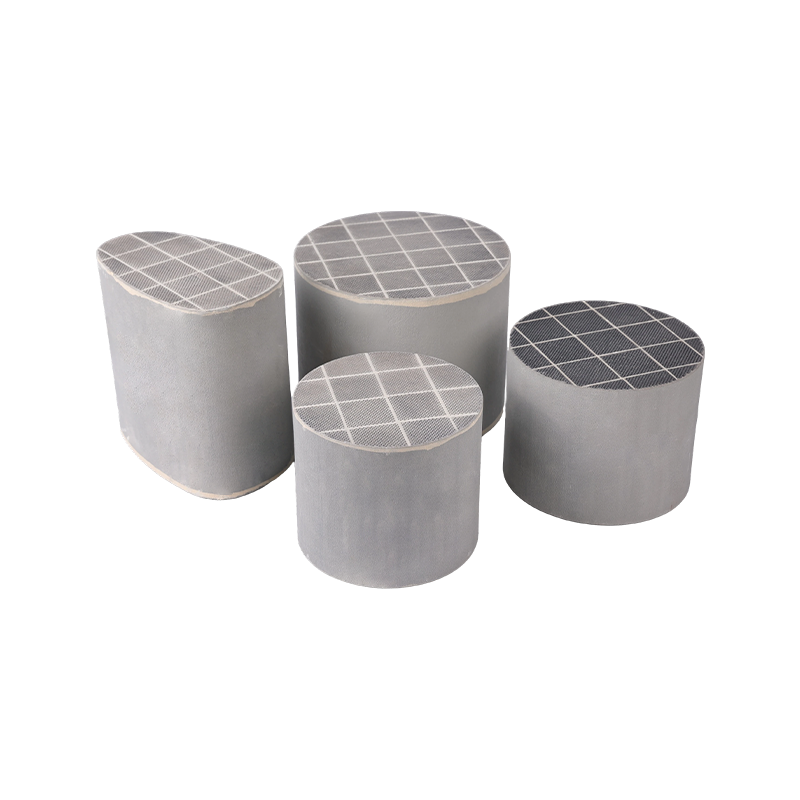
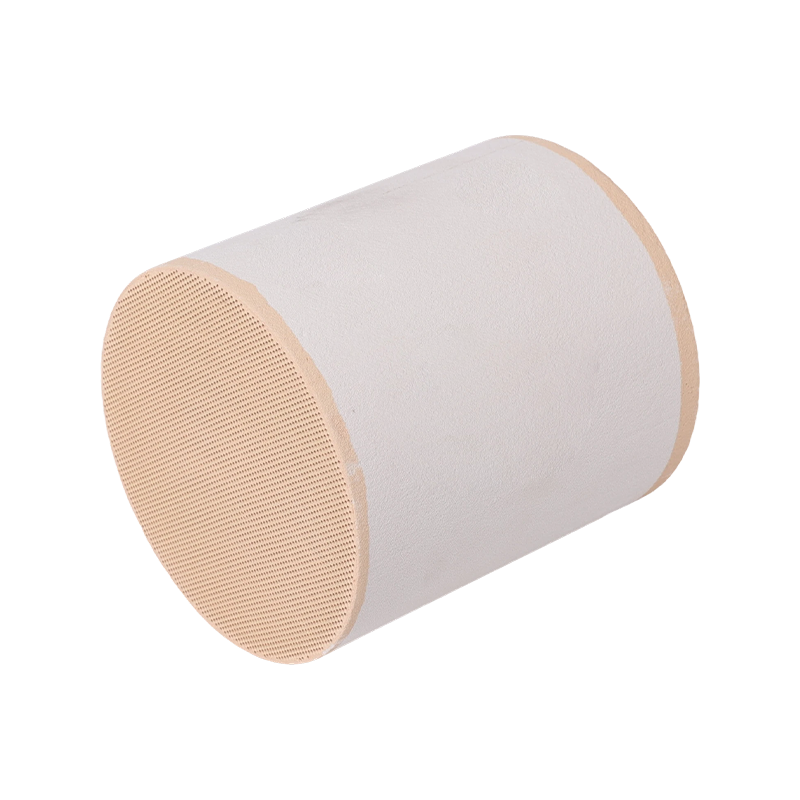
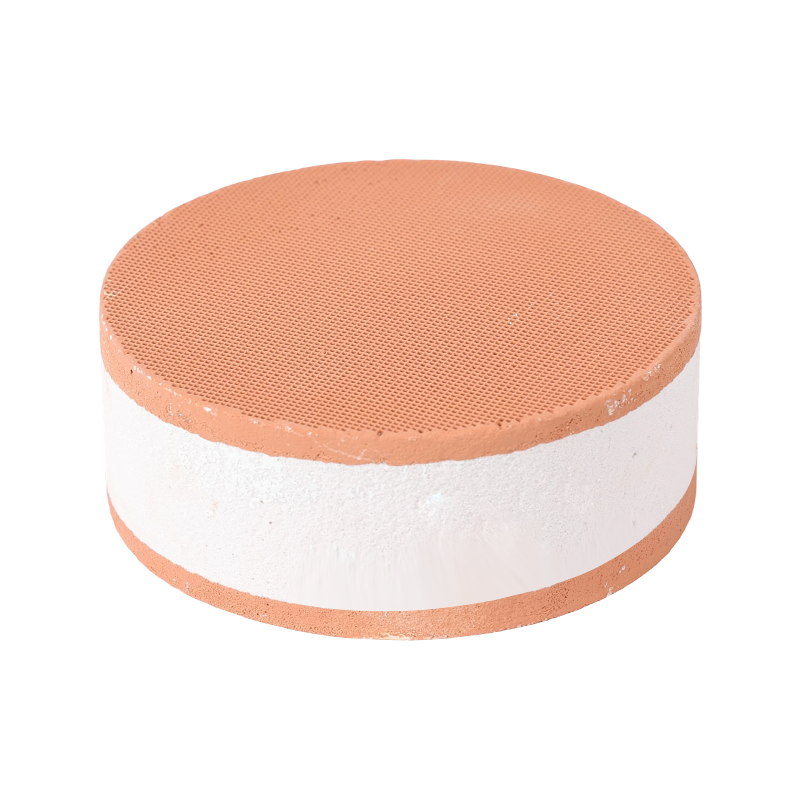
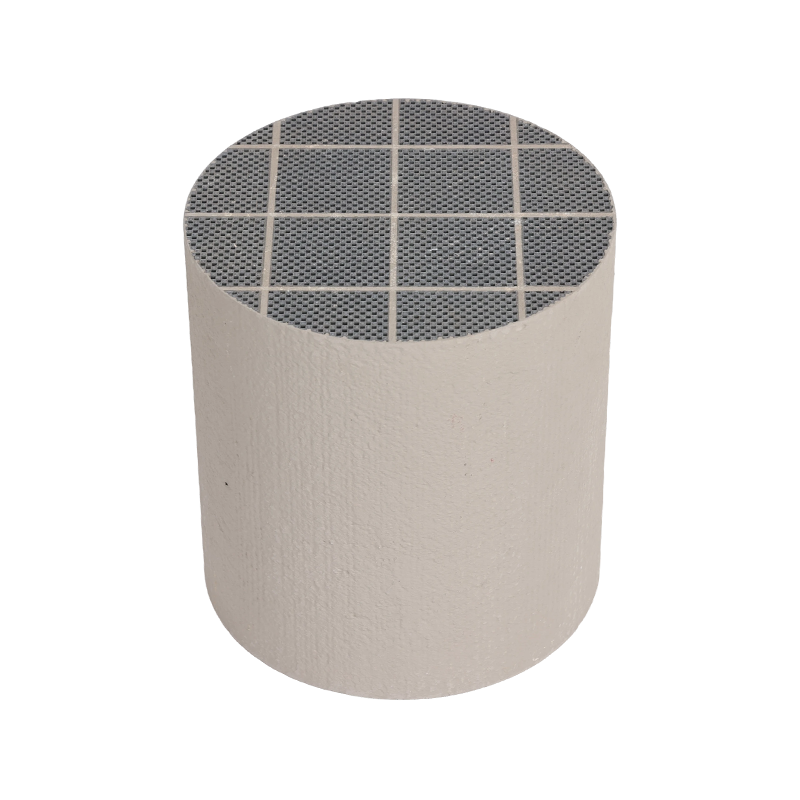
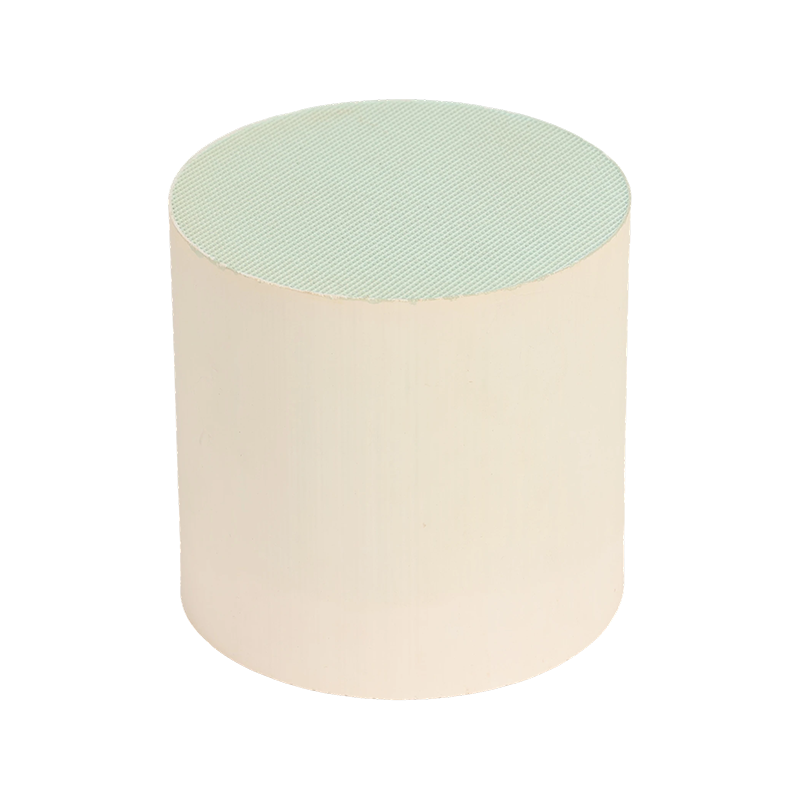
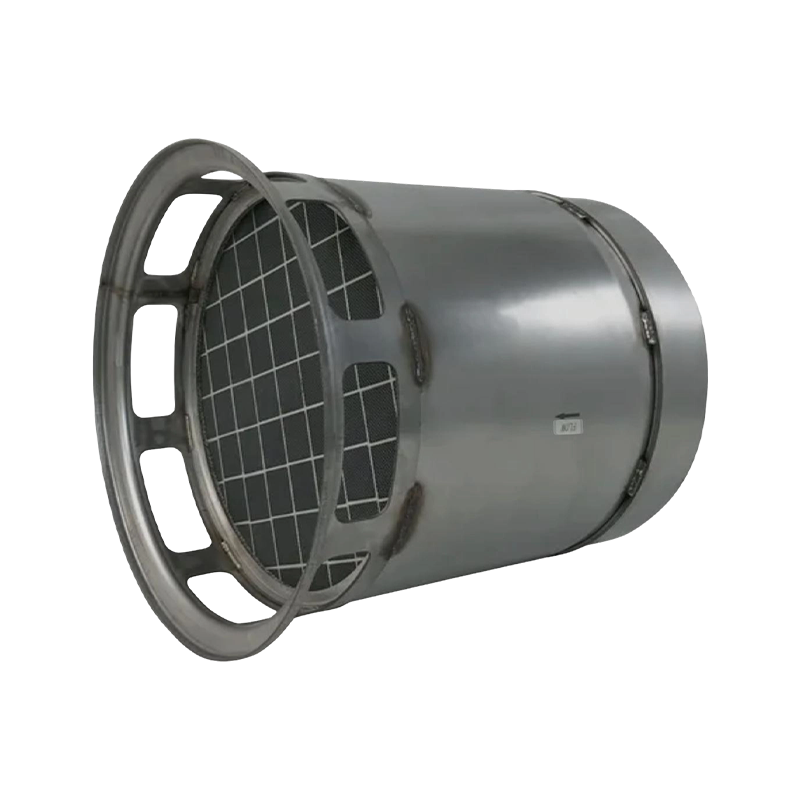
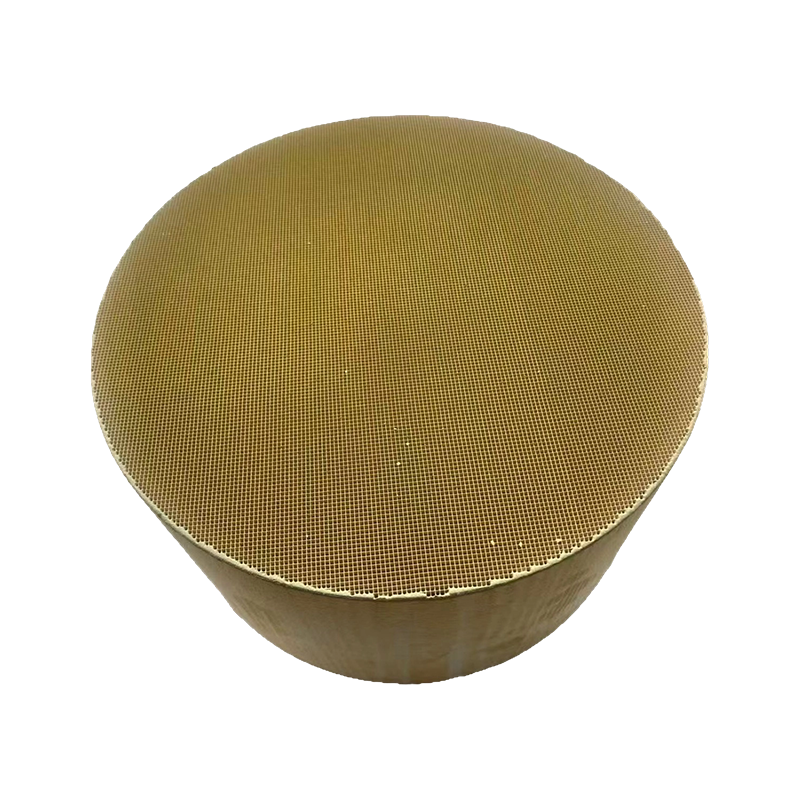
Founded in July 2011,As China Silicon Carbide DPF Carrier Manufacturers and Wholesale Silicon Carbide SCR Catalyst Factory,
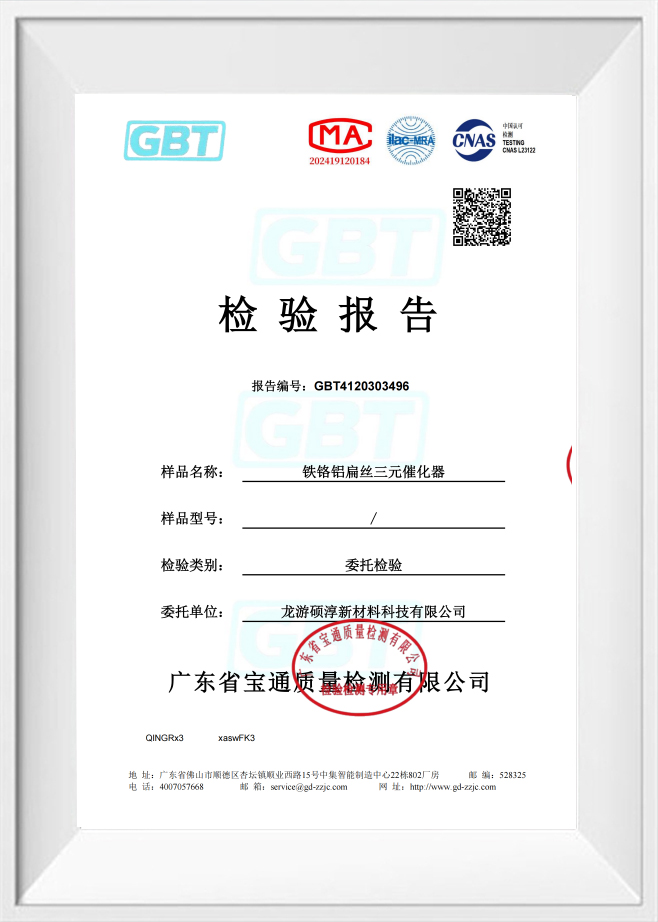
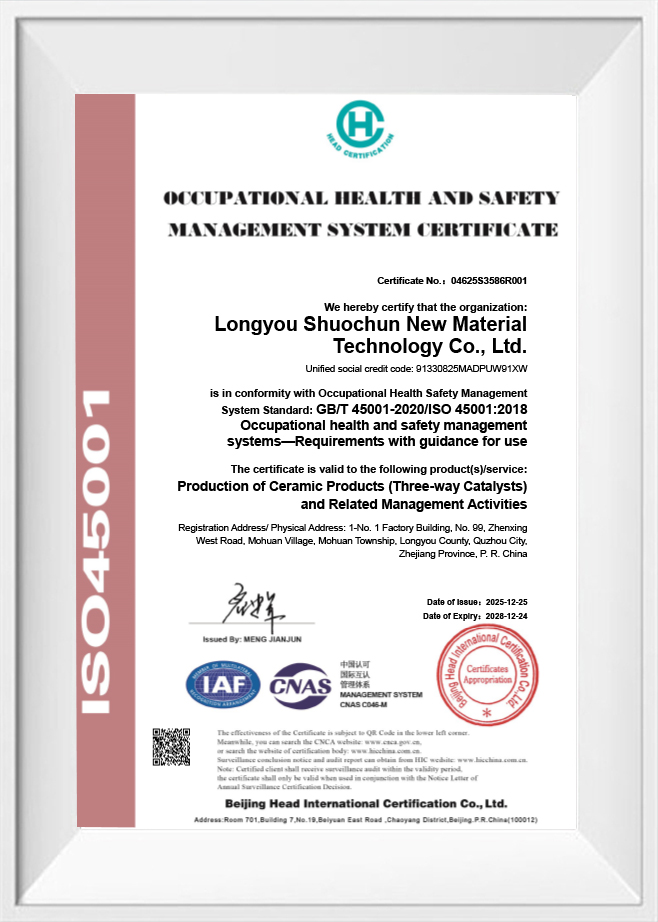
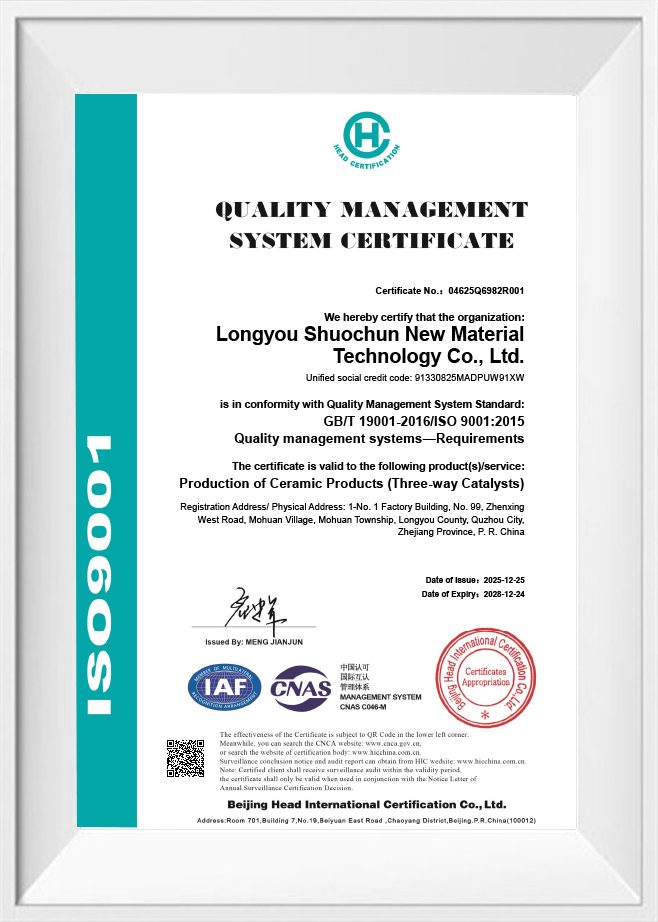
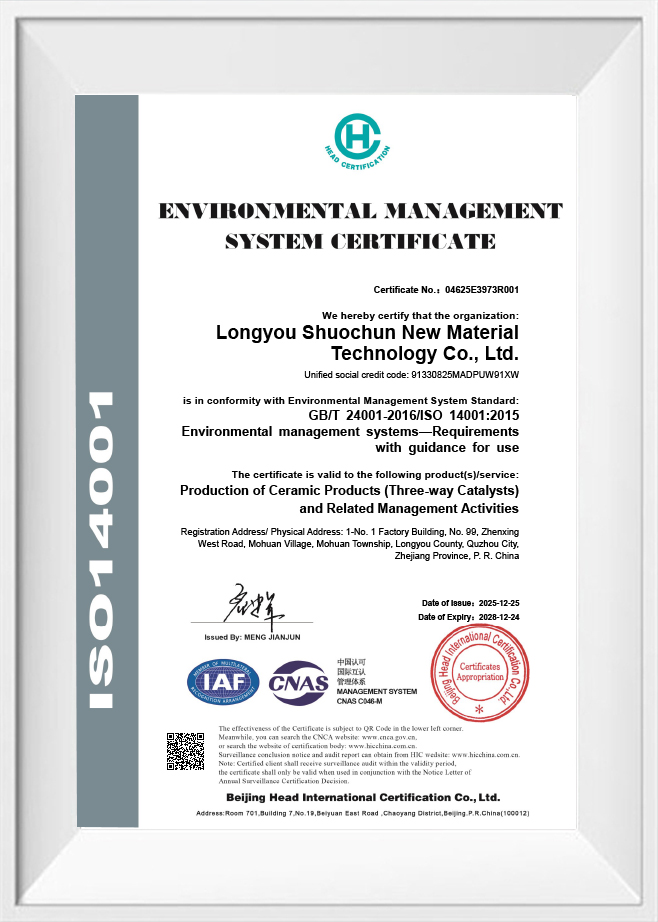
Longyou Shuochun New Material Technology Co., Ltd. is a high-tech enterprise specializing in the coating and sales of three-way catalytic converters. It is deeply engaged in the field of new materials.
The company always keeps an eye on the industry frontier, actively learns from and draws on the advanced formulas and mature technologies of domestic and foreign counterparts. Through in-depth research and localization of mainstream formulas, it accurately adjusts the proportion of raw materials such as rare earths, precious metals and non-precious metals, so as to ensure that the coated carriers produced have stable catalytic activity and reliable performance.
The company's products cover a variety of specifications and models, and its products and technologies are applicable to automobiles, motorcycles, general-purpose engines, construction machinery, marine power, generator sets, agricultural machinery and other fields.
Its core capabilities include:
● Catalyst coating and substrate solutions
● TWC / DOC / SCR / DPF / GPF product range
● Welded exhaust components
● Application-oriented customization
● Technical support for automotive, non-road and industrial power applications
In the future, the company will continue to learn advanced industry experience, optimize production and services, and contribute to the realization of carbon peaking and carbon neutrality goals in China and around the world.
The SCR catalyst also follows the carrier–coating–active component structure; however, its active components are fundamentally different from those in TWC and DOC.
1. Carrier
Materials: Since diesel vehicle SCR systems are typically located downstream of the DOC and DPF, they face high exhaust temperatures and must also withstand the risk of urea crystallization. Therefore:
Cordierite honeycomb ceramics: Commonly used and cost-effective.
Metal carriers: Also widely used, especially for compact designs or applications requiring rapid light-off.
Plate-type carriers: Employed in some large diesel engines (e.g., marine or power station applications), offering superior anti-clogging capability.
2. Coating
Materials: The coating is the chemical core of the SCR catalyst. It is no longer simple alumina but a metal oxide with catalytic activity and adsorption capability.
Titanium dioxide (TiO₂): The main material for most SCR catalyst coatings. It is usually in the anatase crystal form, which provides optimal surface properties and stability, effectively supporting the active components.
Tungsten oxide (WO₃) or molybdenum oxide (MoO₃): Added to TiO₂ as promoters and stabilizers. Their primary functions are:
Enhance the thermal stability of the catalyst, preventing TiO₂ from transforming from the active anatase phase to the inactive rutile phase.
Increase surface acidity, which is crucial for NH₃ adsorption and reaction.
Improve resistance to SO₂ poisoning.
3. Active Components
These determine the type and performance of the SCR catalyst. The main types include:
Vanadium-based catalysts: Using V₂O₅ as the active component.
Characteristics: Mature technology, relatively low cost, high activity in the mid-to-high temperature range (300–400°C).
Drawbacks: Vanadium has certain biological toxicity; at high temperatures (>450°C), V₂O₅ may volatilize, reducing activity and potentially causing environmental contamination; relatively poor low-temperature activity.
Applications: Early and many current heavy-duty diesel vehicles and stationary source denitrification.
Zeolite molecular sieve catalysts:
Copper zeolites: Especially Cu-CHA structures (e.g., Cu-SAPO-34, Cu-SSZ-13), which are the preferred choice for modern diesel vehicles meeting the strictest emission regulations.
Iron zeolites, Such as Fe-Beta, exhibit good activity in higher temperature windows.
Characteristics:
Extremely high thermal stability: can withstand temperatures exceeding 650°C, suitable for close-coupled placement near the engine.
Wide activity temperature window: Cu-CHA catalysts, in particular, have excellent low-temperature activity (~200°C light-off) and high-temperature stability.
High NOx conversion efficiency: capable of meeting ultra-low NOx emission requirements, such as China 6/Euro 6.
Rare-earth-based catalysts: A recent development aimed at reducing or replacing precious metals and vanadium, though not yet widely commercialized.
Core Chemical Reaction Principles
SCR technology primarily relies on reactions between NH₃ and NOx. The main reaction is the standard SCR reaction:
1. Standard SCR Reaction (Dominant Reaction):
4NH₃ + 4NO + O₂ → 4N₂ + 6H₂O
This is the most common reaction, treating approximately over 90% of NO in the exhaust gas.
2. Fast SCR Reaction (Critical Low-Temperature Reaction):
2NH₃ + NO + NO₂ → 2N₂ + 3H₂O
This reaction rate is about 10 times faster than the standard reaction! This explains why the upstream DOC oxidizes NO to form NO₂. When the NO to NO₂ ratio reaches 1:1, the SCR system’s efficiency at low temperatures increases dramatically.
3. Slow SCR Reaction:
4NH₃ + 2NO₂ + O₂ → 3N₂ + 6H₂O
This occurs when the NO₂ proportion is too high, and the reaction rate is relatively slow.
Side Reactions:|
Oxidation of NH₃: At excessively high temperatures, NH₃ may be oxidized by oxygen to produce NOx or N₂O, which can increase emissions.
N₂O Formation: A potent greenhouse gas, it can be generated under specific conditions through side reactions. Well-formulated catalysts aim to suppress this reaction.
Integration and Operating Conditions in Diesel Aftertreatment Systems
A typical Euro VI/China VI diesel aftertreatment system process is as follows:
Engine → DOC → DPF → SCR → ASC