

 English
 русский
 Español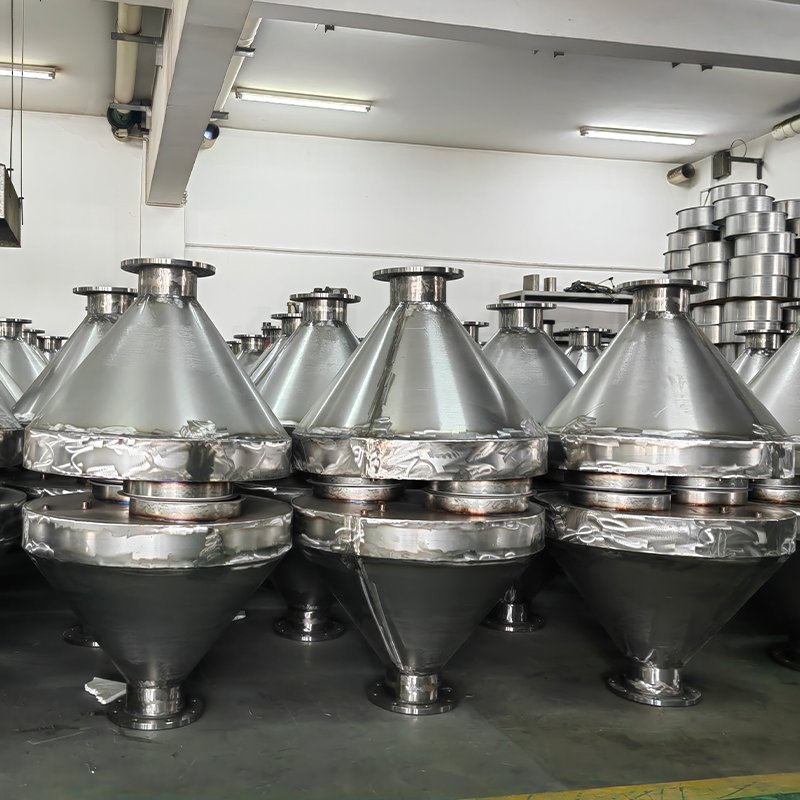
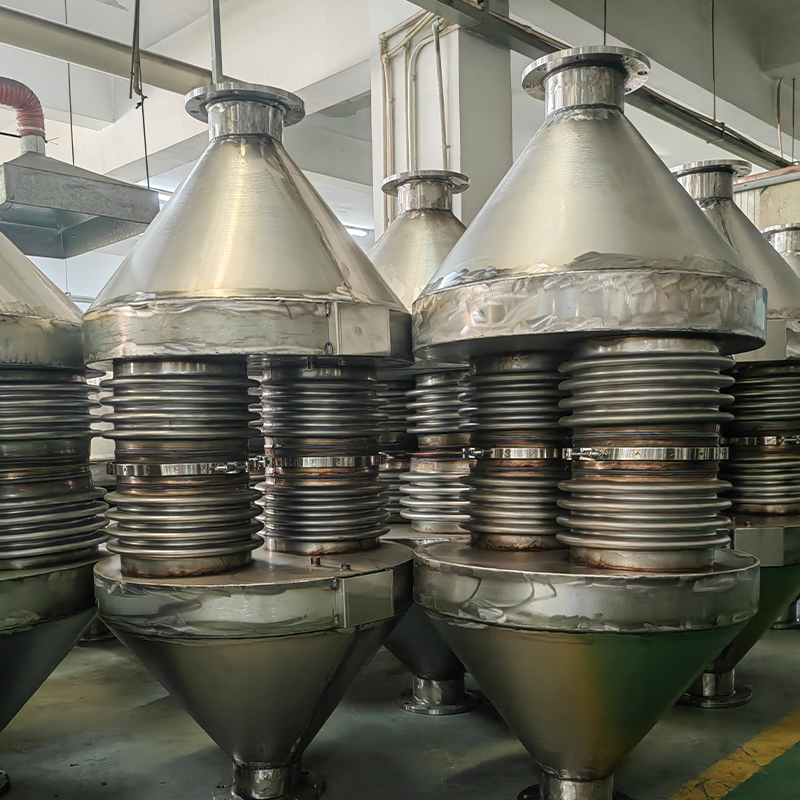
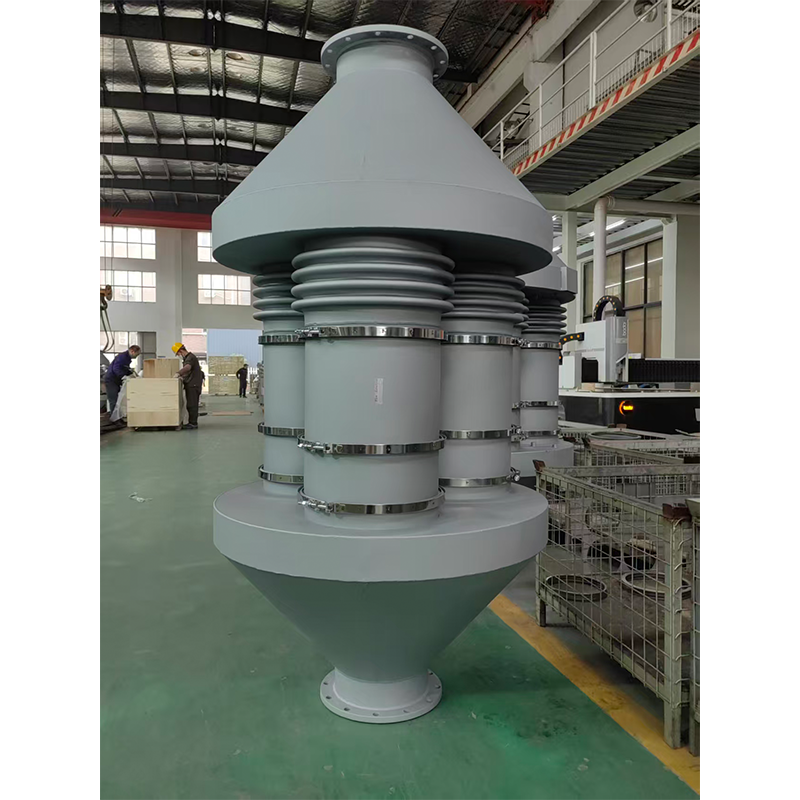
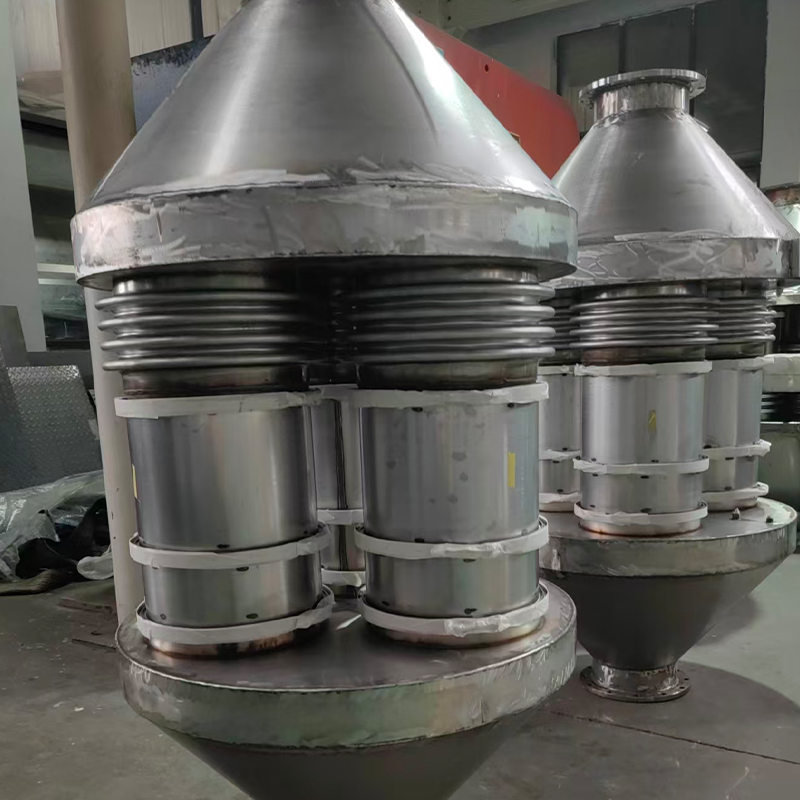
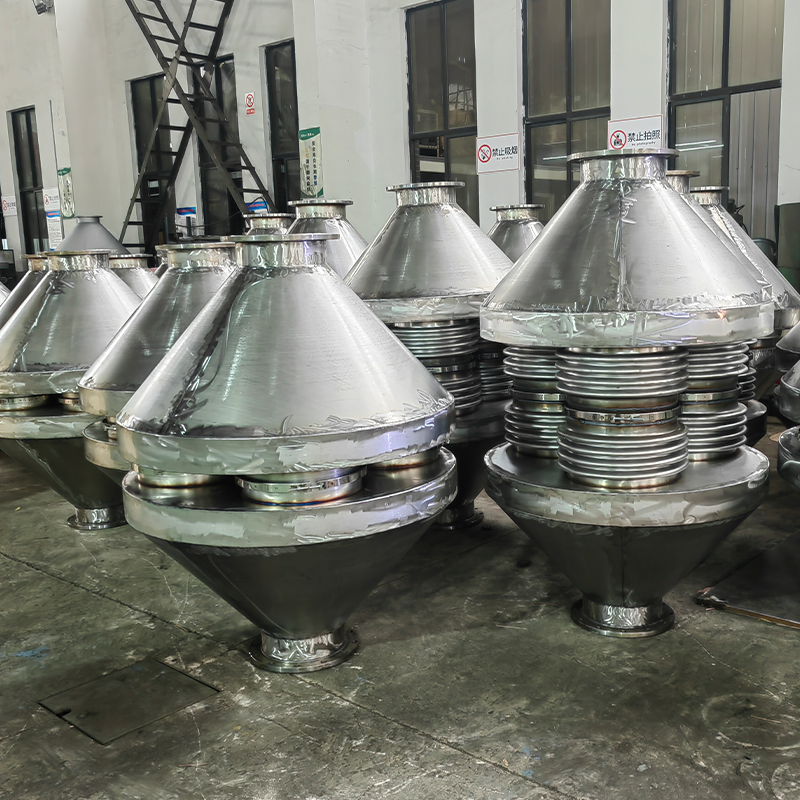
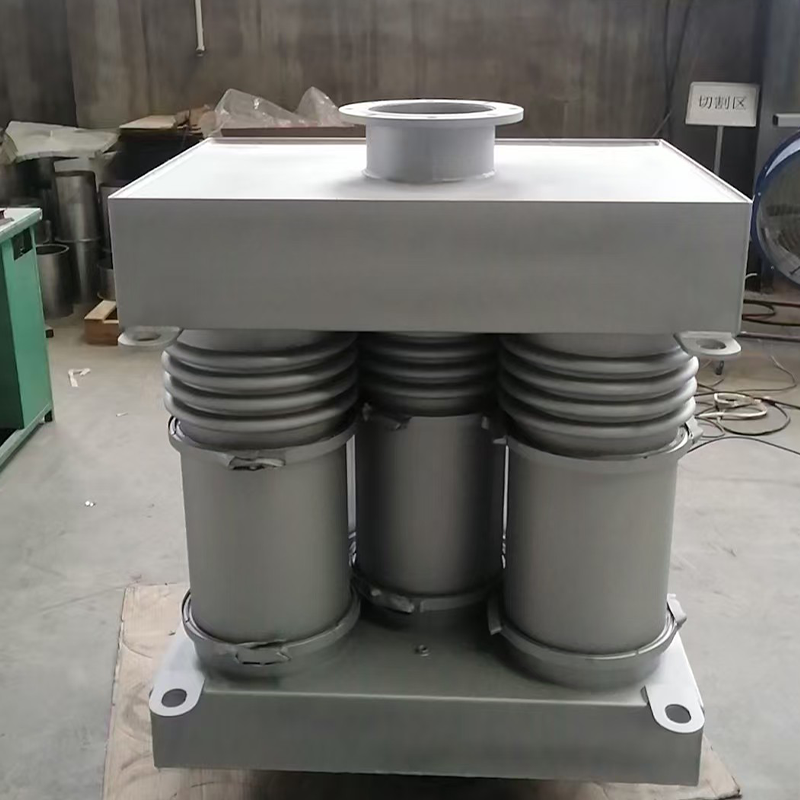
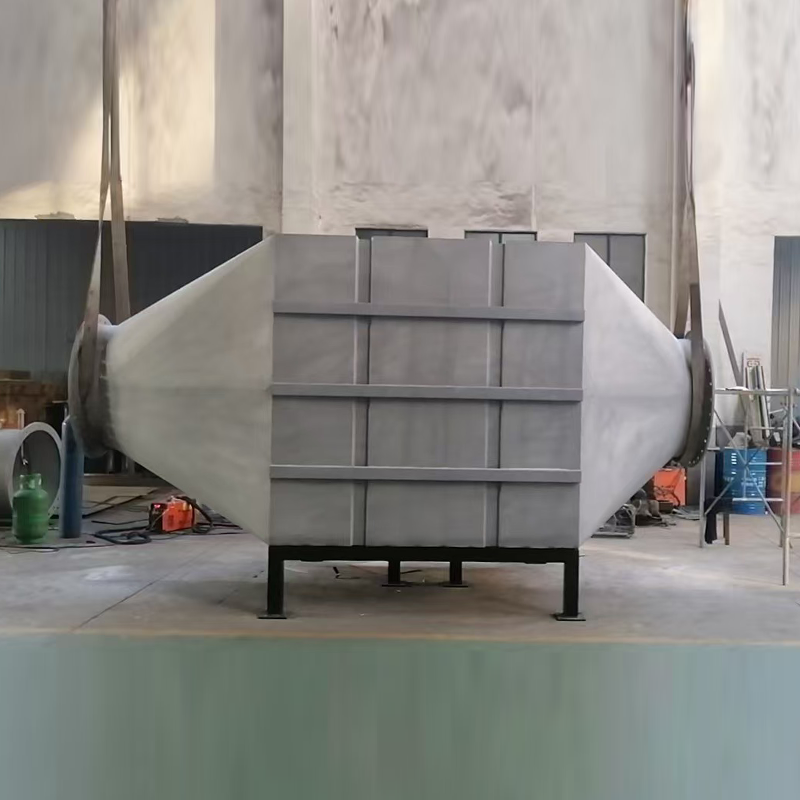
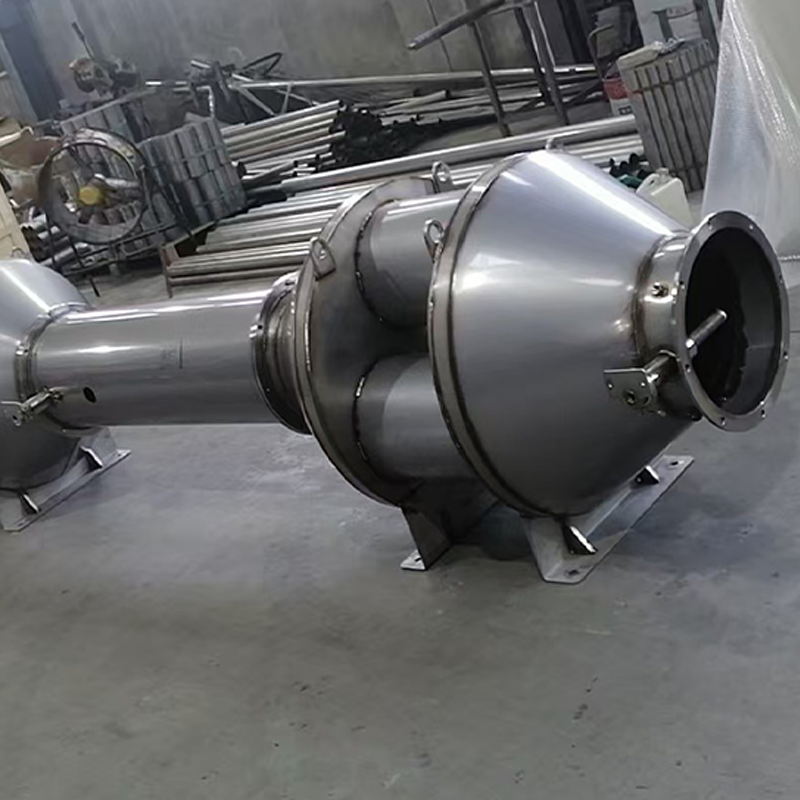
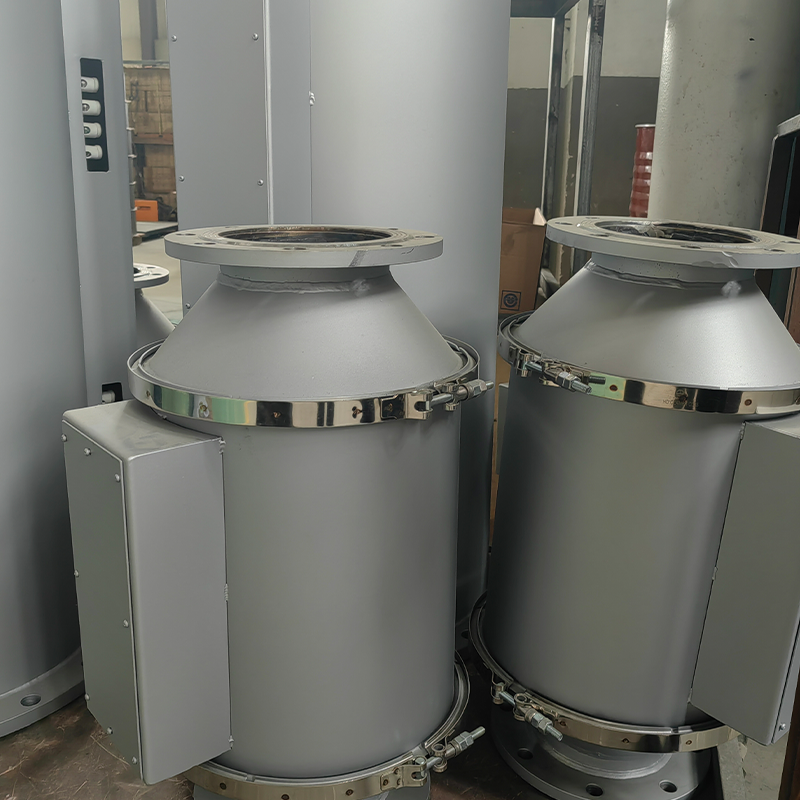
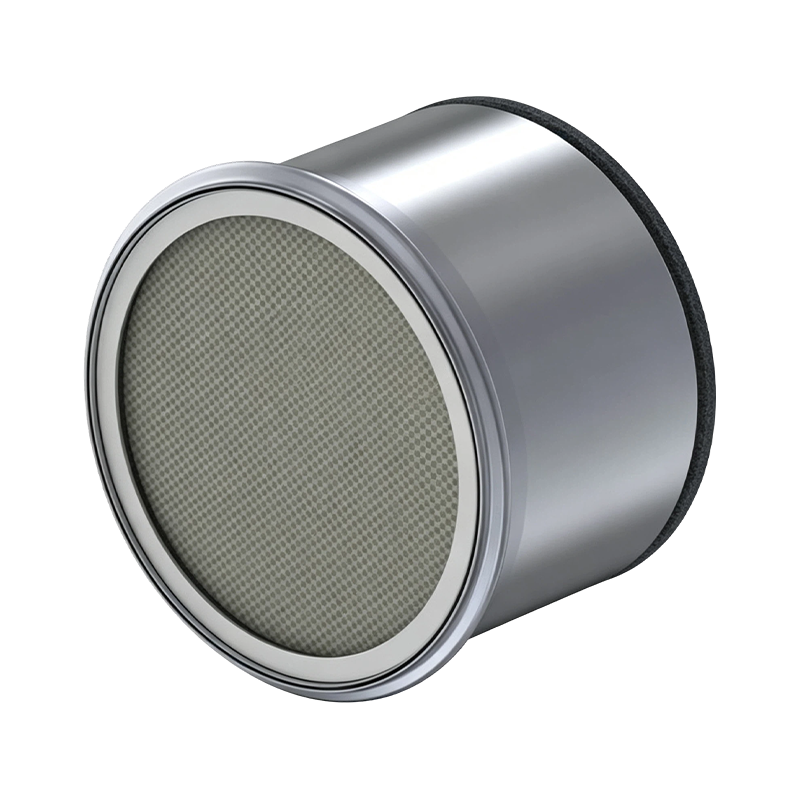
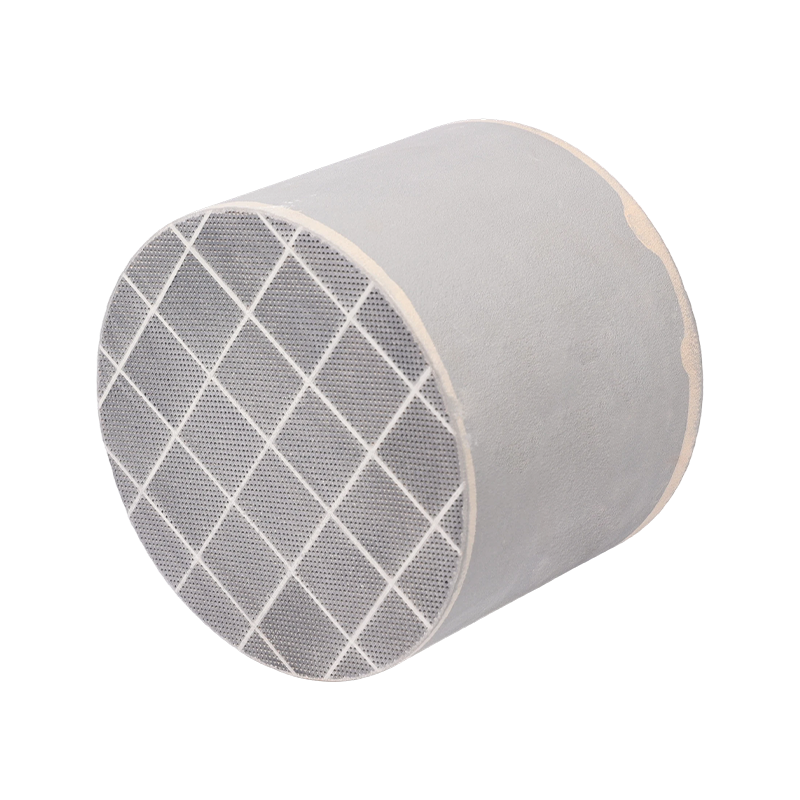
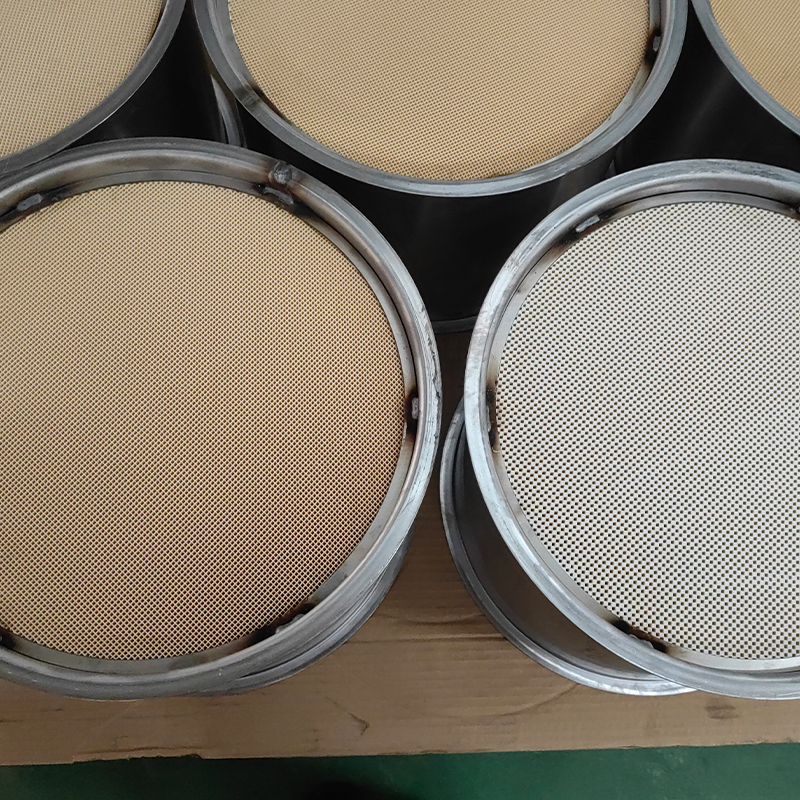
Founded in July 2011,As China Large-Scale Catalyst Unit Suppliers and Wholesale Large-Scale Catalyst Unit Factory,
Longyou Shuochun New Material Technology Co., Ltd. is a high-tech enterprise specializing in the coating and sales of three-way catalytic converters. It is deeply engaged in the field of new materials.
The company always keeps an eye on the industry frontier, actively learns from and draws on the advanced formulas and mature technologies of domestic and foreign counterparts. Through in-depth research and localization of mainstream formulas, it accurately adjusts the proportion of raw materials such as rare earths, precious metals and non-precious metals, so as to ensure that the coated carriers produced have stable catalytic activity and reliable performance.
The company's products cover a variety of specifications and models, and its products and technologies are applicable to automobiles, motorcycles, general-purpose engines, construction machinery, marine power, generator sets, agricultural machinery and other fields.
Its core capabilities include:
● Catalyst coating and substrate solutions
● TWC / DOC / SCR / DPF / GPF product range
● Welded exhaust components
● Application-oriented customization
● Technical support for automotive, non-road and industrial power applications
In the future, the company will continue to learn advanced industry experience, optimize production and services, and contribute to the realization of carbon peaking and carbon neutrality goals in China and around the world.
The three-way catalyst used in large generator sets is a key device that ensures these ‘power-hungry beasts’ can deliver stable electricity while still meeting stringent environmental regulations.
1. Operating Principles of Three-Way Catalysts and Considerations for Large Generator Sets
The three-way catalyst (TWC) used on large generator sets operates based on the catalytic oxidation–reduction reactions that convert the three major harmful exhaust pollutants—carbon monoxide (CO), hydrocarbons (HC), and nitrogen oxides (NOx)—into harmless carbon dioxide (CO₂), water (H₂O), and nitrogen (N₂).
To ensure efficient operation, several critical conditions are indispensable:
(1)Precise Air-Fuel Ratio Control:
It must work in coordination with a closed-loop electronic fuel injection engine. Through feedback from the oxygen sensor and the ECU (Engine Control Unit), the air-fuel ratio must be accurately maintained within a very narrow window near the stoichiometric ratio (approximately 14.7:1).
(2)Proper Operating Temperature: The catalyst must reach approximately 250°C to start working (light-off). The optimal operating temperature range is generally between 400°C and 800/850°C. Temperatures too low will not support effective catalytic reactions, while excessively high temperatures (e.g., exceeding 900–1000°C) may cause catalyst sintering, deactivation, or substrate damage.
(3)Use of Qualified Fuels: Low-sulfur, unleaded fuel or gas must be used. Impurities such as lead, sulfur, and phosphorus can poison the catalyst, causing a significant drop in conversion efficiency.
For large generator sets—with their massive exhaust flow, frequent long-duration continuous operation (as prime-power systems), and higher reliability requirements—the design and selection of the TWC involve additional considerations. These may include using more durable substrates, enhanced catalyst coating formulations, and potentially multistage purification designs.
For large diesel generator sets, meeting emission standards typically requires a combination of DOC, DPF, and SCR systems.
For large gas-fueled generator sets, however, the three-way catalyst serves as the core emission control device.
2. Selection, Operation, and Maintenance Recommendations
When selecting and using exhaust after-treatment systems for large generator sets, several aspects require special attention:
(1)Match According to Fuel Type: This is the most fundamental principle. Gas-fired generator sets use three-way catalytic converters (TWC), while diesel generator sets typically require a combination system of DOC + DPF + SCR. Do not mix them up.
(2)Select According to Operating Scenario: Large generator sets are often used as primary power sources (with annual operating hours reaching 2,000–8,000 hours). Therefore, exhaust purification systems with extremely high durability and reliability must be selected to reduce long-term operating costs and failure risks. Low-quality after-treatment devices tend to fail under high temperatures and vibration, clogging the exhaust system and causing excessive backpressure, severe power loss, and noticeably increased fuel consumption.
(3)Pay Attention to System Backpressure and Flow Distribution: Large generator sets have high exhaust flow rates, and strict requirements exist for both the initial backpressure and the maximum allowable backpressure of the catalyst. During operation, engine backpressure must be closely monitored. When it approaches the limit, the catalyst or filter must be cleaned or serviced promptly to avoid affecting engine performance.
(4)Implement Routine Inspection and Scheduled Maintenance
(5)The catalyst (especially ceramic substrates) is relatively fragile and should be protected from impact or knocking.
(6)The surface temperature becomes very high during operation; keep flammable materials away from the unit and avoid burns.
(7)For devices such as DPFs, regular cleaning of accumulated soot or particulates is required. Some products use manual ash-cleaning methods.