

 English
 русский
 Español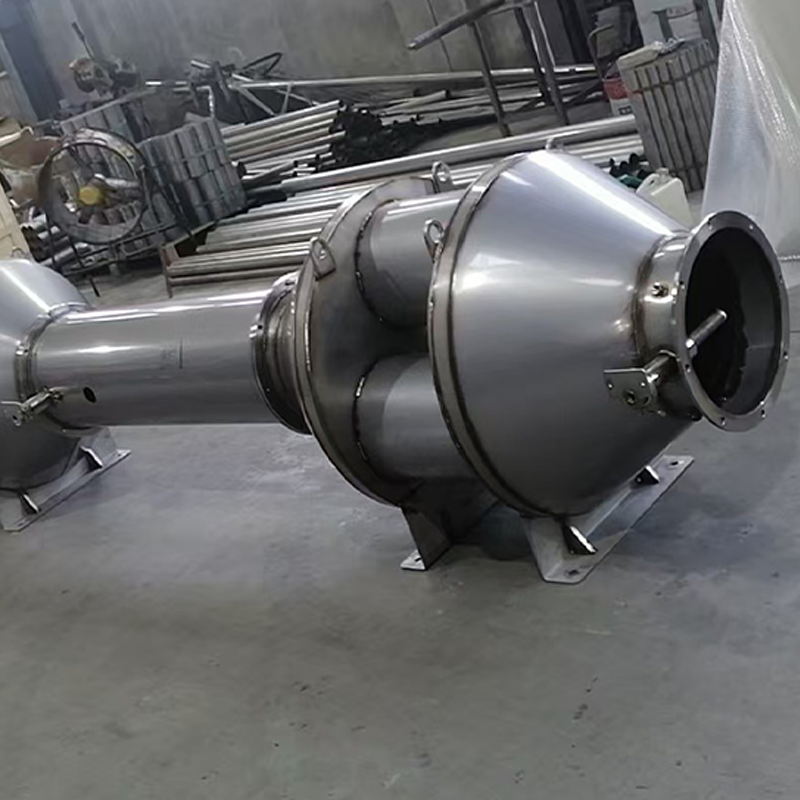
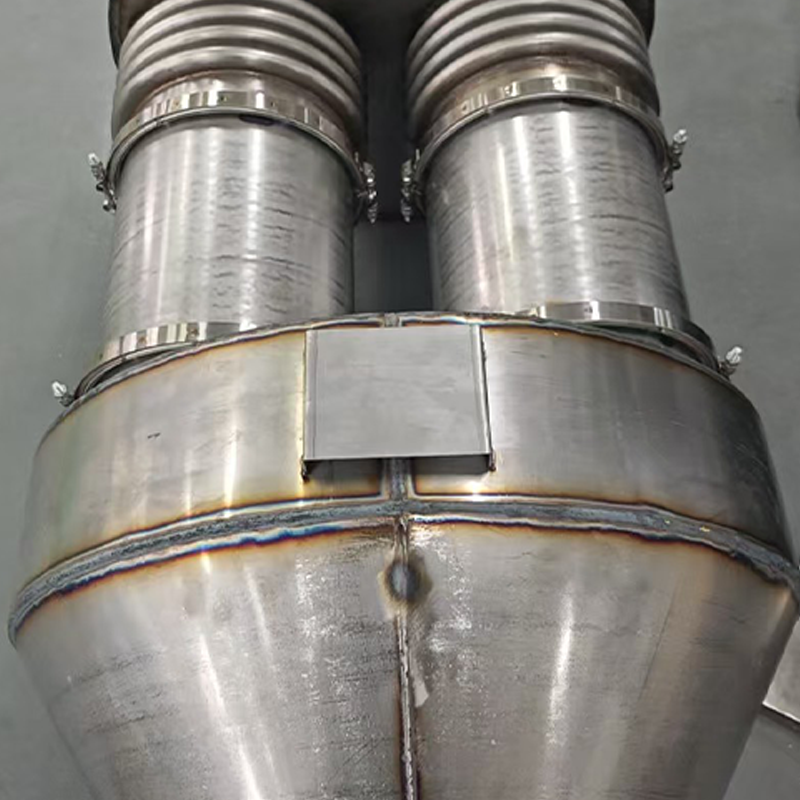
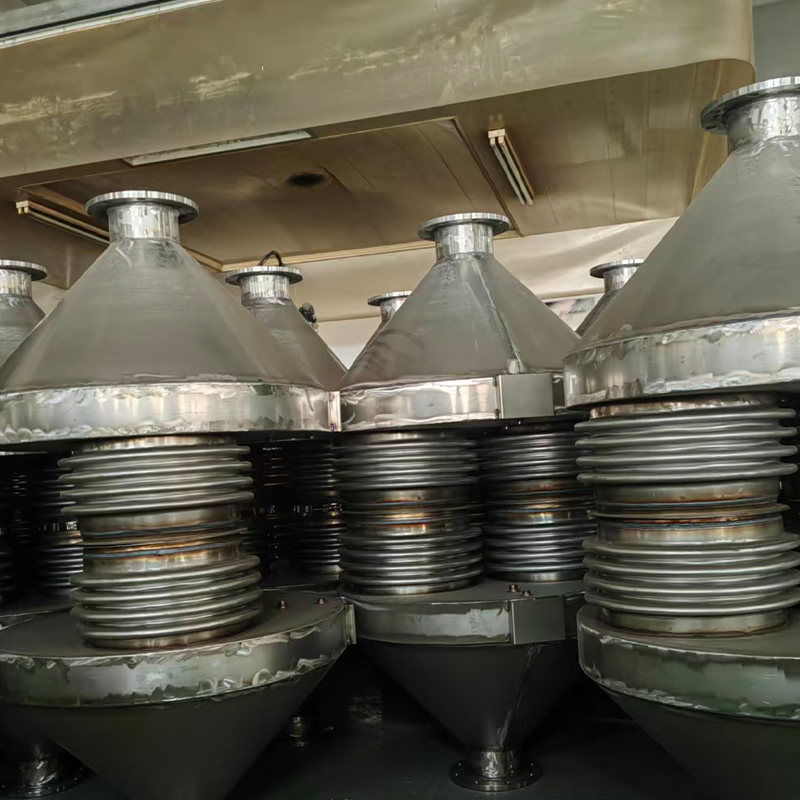
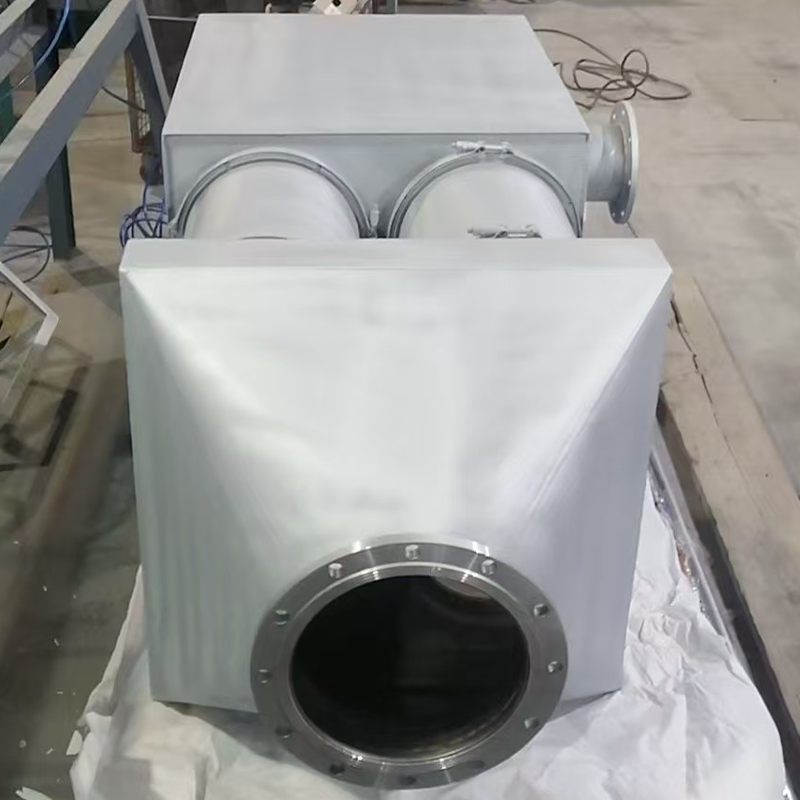
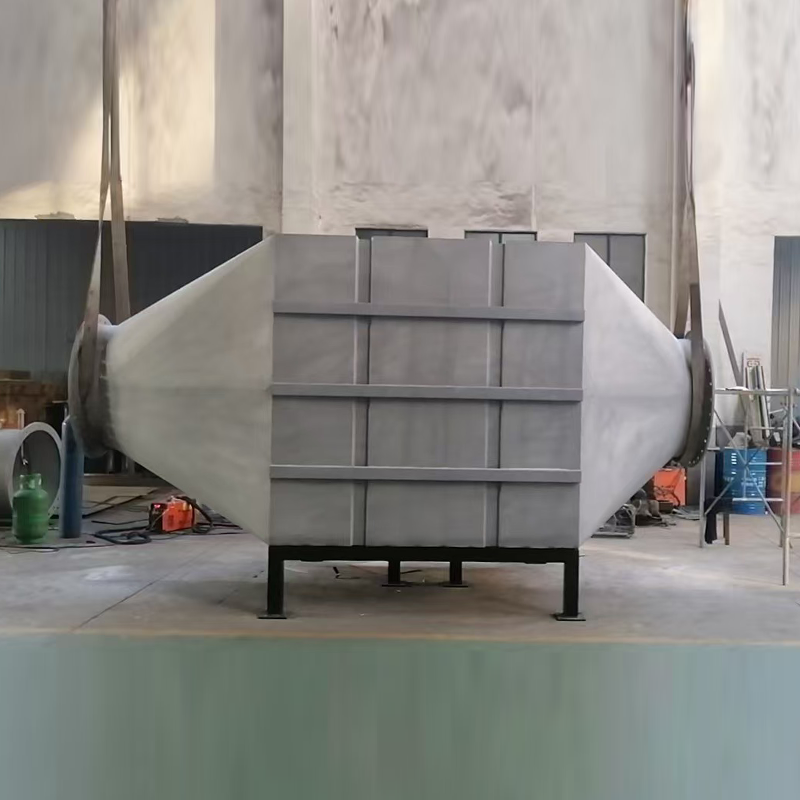
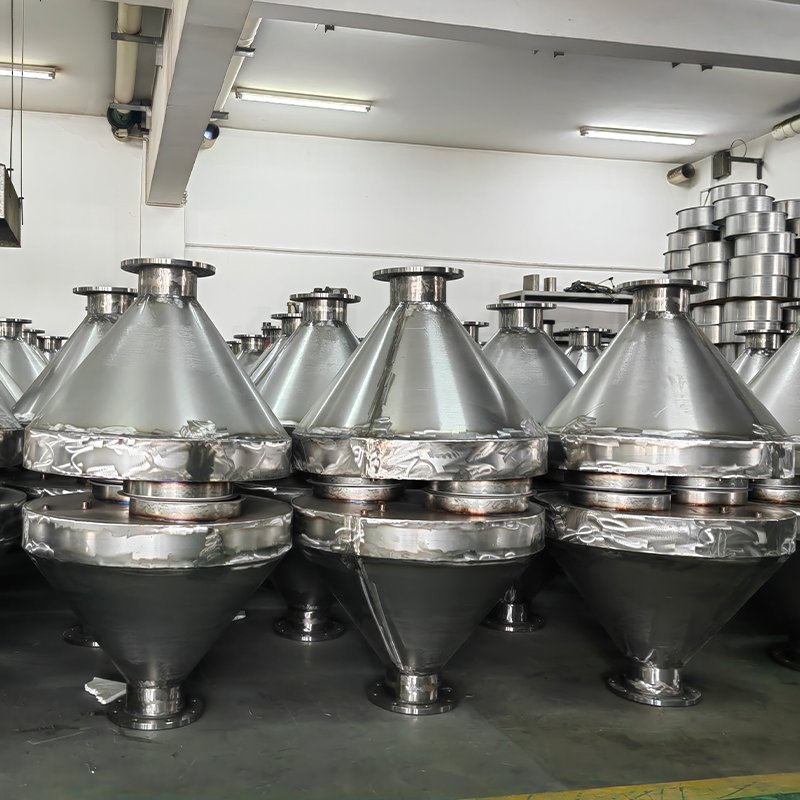
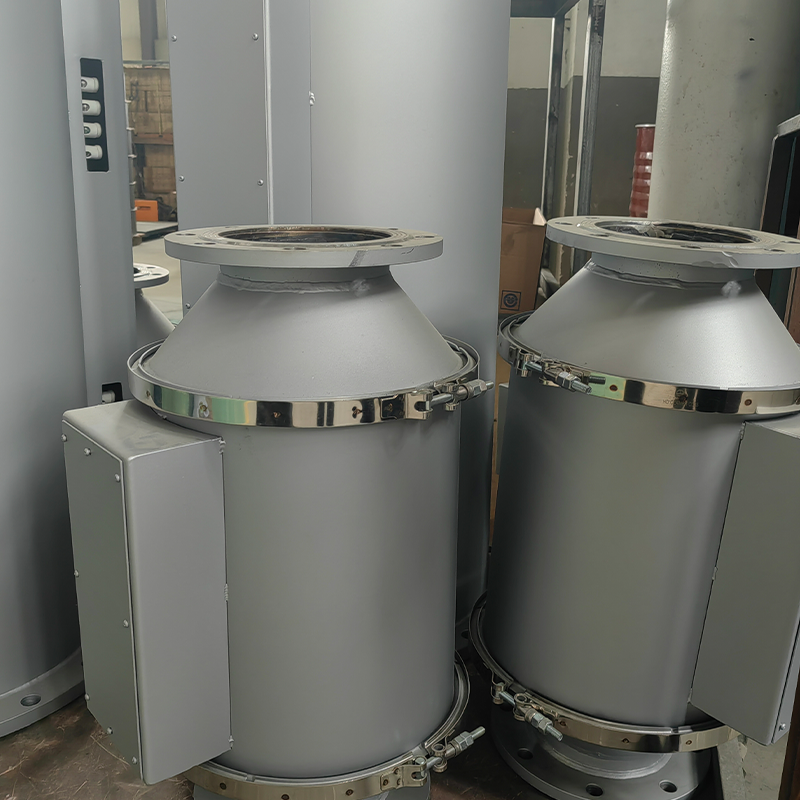
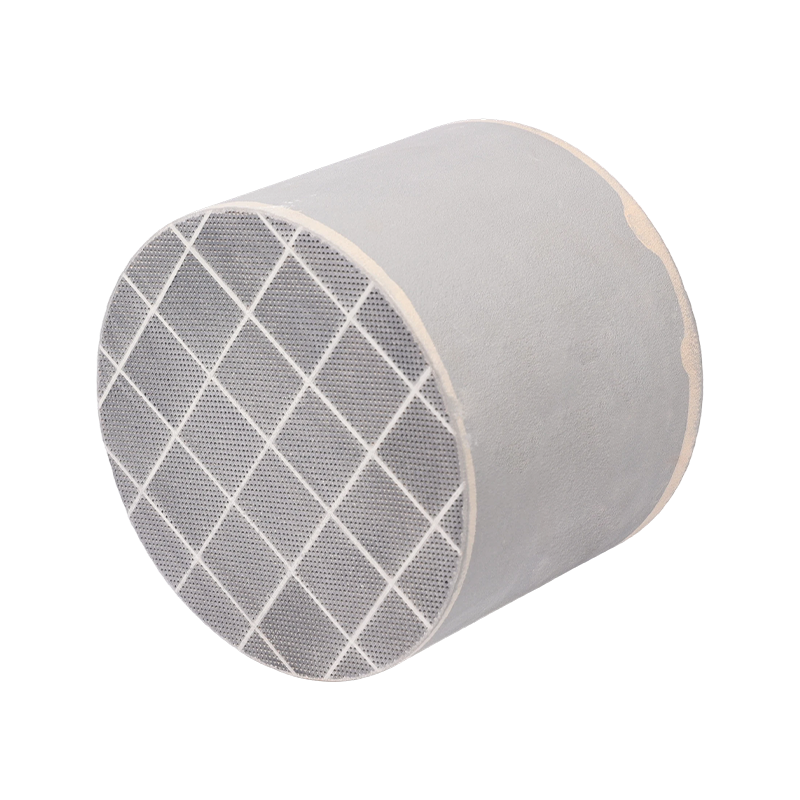
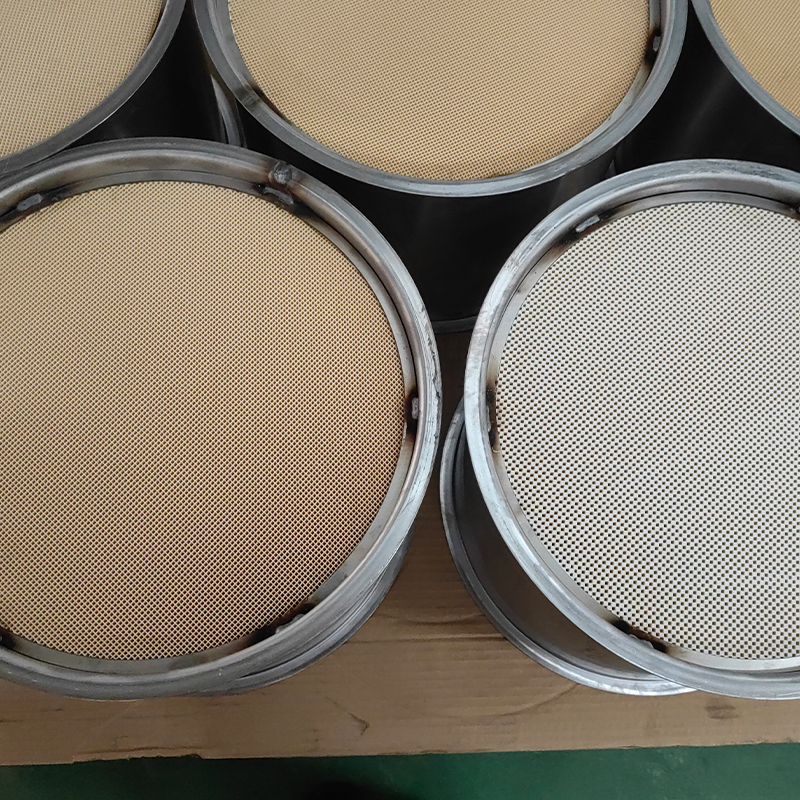
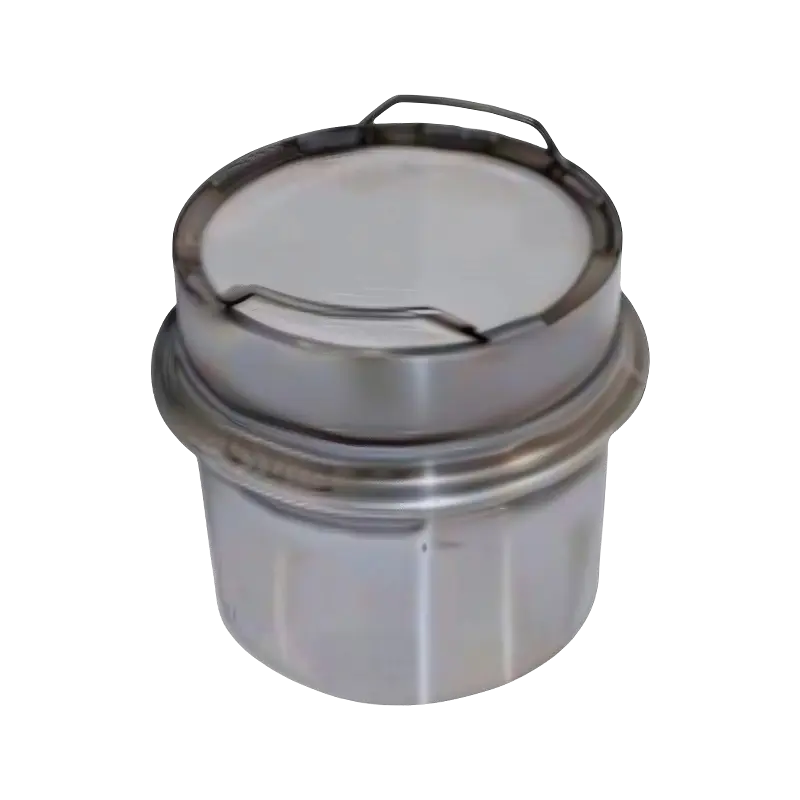
Founded in July 2011,As China Medium-Scale Catalyst Unit Suppliers and Wholesale Medium-Scale Catalyst Unit Factory,
Longyou Shuochun New Material Technology Co., Ltd. is a high-tech enterprise specializing in the coating and sales of three-way catalytic converters. It is deeply engaged in the field of new materials.
The company always keeps an eye on the industry frontier, actively learns from and draws on the advanced formulas and mature technologies of domestic and foreign counterparts. Through in-depth research and localization of mainstream formulas, it accurately adjusts the proportion of raw materials such as rare earths, precious metals and non-precious metals, so as to ensure that the coated carriers produced have stable catalytic activity and reliable performance.
The company's products cover a variety of specifications and models, and its products and technologies are applicable to automobiles, motorcycles, general-purpose engines, construction machinery, marine power, generator sets, agricultural machinery and other fields.
Its core capabilities include:
● Catalyst coating and substrate solutions
● TWC / DOC / SCR / DPF / GPF product range
● Welded exhaust components
● Application-oriented customization
● Technical support for automotive, non-road and industrial power applications
In the future, the company will continue to learn advanced industry experience, optimize production and services, and contribute to the realization of carbon peaking and carbon neutrality goals in China and around the world.
A three-way catalytic converter for medium-sized generator sets is a system optimized for higher exhaust flow rates and longer operating hours. Compared with small generator sets, medium-sized units have higher requirements for power, operating time, and reliability. Therefore, the design, selection, and maintenance of their three-way catalytic converters also have their own distinct characteristics.
1. Detailed Explanation of Core Design and Technical Parameters
A three-way catalytic converter for medium-sized generator sets is a system optimized for higher exhaust flow rates and longer operating hours.
(1)
| Component | Material & Process Details | Function & Design Considerations |
| Catalyst Substrate | Material: Cordierite ceramic or Fe-Cr-Al metal. Cell density: 300–400 CPSI, achieving an optimal balance between backpressure and efficiency. Dimensions: Larger diameter and length to handle higher exhaust flow. Metal substrates are used in applications with strong vibration or where fast light-off is required; ceramic substrates offer better cost effectiveness. | Substrate volume must be precisely matched to engine displacement. |
| Washcoat (Active Coating) | Precious metals: Platinum, rhodium, and palladium with a total loading of 2–8 g/L; formulations optimized for gas or gasoline engines. Additives: High-ratio ceria-zirconia solid solution (10–20%) to withstand wider air-fuel ratio fluctuations. | Oxygen storage capacity is critical to buffer AFR changes during load variations of medium-sized engines. The coating must have high thermal stability to withstand long-duration high-temperature operation. |
| Housing and Encapsulation | Material: 409 or 304 stainless steel, 2–4 mm thick. Matting: High-performance ceramic fiber mat, molded for uniform holding force and sealing. Enhanced welding and flange structure to withstand stronger exhaust pulses and system weight. | Reliable encapsulation is essential for long service life and to prevent substrate movement or damage. |
| Insulation and Safety | Double-layer jacketed housing or ceramic fiber wrap. Surface temperature is typically controlled below 60°C for safety. | Meets engine-room safety standards, protects personnel, and prevents overheating of nearby equipment. |
(2)
| Performance Indicator | Typical Range for Medium-Sized Units | Description |
| Light-off Temperature | 250°C – 300°C | Similar to small generator sets, though a larger thermal mass may require a slightly longer warm-up time. |
| Optimal Operating Window | 400°C – 800°C | High-efficiency conversion range; design must ensure exhaust temperature stays in this zone under common load conditions. |
| Maximum Tolerable Temperature | 950°C – 1000°C (short duration) | Higher requirements than small units to handle potential abnormal operating conditions. |
| Conversion Efficiency | CO: >92%, HC: >90%, NOₓ: >85% | Measured under optimal operating temperature and near-stoichiometric air-fuel ratio, regulatory standards are more stringent. |
| Exhaust Backpressure | < 3.0 – 4.0 kPa (initial) | Backpressure must remain below the engine manufacturer’s limit to avoid impacts on power output and fuel consumption. |
2. Precise Selection Guide: Based on Fuel Type and Application Scenario
Medium-sized generator sets involve higher investment and operating costs, making precise selection essential.
(1)Selection by Fuel Type (Primary Principle)
Gas/Gasoline Generator Sets:
Use standard three-way catalytic converters (TWC).
Key requirement: The engine must be equipped with an oxygen sensor and a closed-loop electronic control system capable of maintaining the air–fuel ratio within a narrow window around the stoichiometric ratio (~14.7:1). For older mechanically controlled engines, an air–fuel ratio control module must be added; otherwise, the TWC cannot operate correctly.
Diesel Generator Sets: Important Note!
Standard TWCs are not suitable. The oxygen-rich exhaust and particulate characteristics of diesel engines render TWCs ineffective.
Correct aftertreatment configuration: Diesel Oxidation Catalyst (DOC) + Diesel Particulate Filter (DPF) + SCR system. An integrated aftertreatment assembly incorporating these technologies should be selected.
(2)Selection by Application Scenario (Determines Service Life and Total Cost)
Backup Power (Annual runtime < 500 hours):
Focus: High initial conversion efficiency to meet emission standards.
Strategy: Cost-effective ceramic substrate catalysts may be chosen, with slightly reduced emphasis on extreme long-term thermal durability.
Prime/Continuous Power (Annual runtime > 500 hours, or continuous operation):
Focus: High durability, reliability, and low maintenance.
Strategy:
Prefer metal substrates for better resistance to thermal shock and mechanical vibration.
Higher precious metal loading and advanced washcoat technologies to withstand sintering and poisoning during long-duration operation.
Thicker housings and more robust connections to handle long-term thermal fatigue and mechanical stress.
3. Operation, Maintenance, and Troubleshooting
Unplanned shutdowns of medium-sized generator sets are costly; therefore, proper operation and maintenance are essential.
(1)Operating Guidelines
Fuel quality: Ultra-low-sulfur gas or gasoline must be used. Sulfur is the primary killer of catalytic converters.
Engine health: Ensure the engine is in good condition. Oil burning, ignition failure, or injector malfunction can allow unburned fuel and carbon deposits to enter the catalyst, causing irreversible blockage and sintering.
Avoid low-temperature operation: Avoid prolonged low-load operation to prevent the catalyst from operating at low temperatures, which may cause pollutants to condense and poison the catalyst.
(2)
| Phenomenon | Possible Cause | Solution & Prevention |
| Significant engine power loss | Catalyst or downstream muffler blockage causing excessive backpressure | Monitor backpressure using a U-tube manometer or sensor. Clean or replace regularly. |
| Emission test failure | Catalyst poisoning or high-temperature sintering leading to deactivation | Diagnose using an exhaust gas analyzer. Prevention is key: use qualified fuel and avoid engine malfunctions. |
| Catalyst housing is glowing red or deforming | Severe engine failure (e.g., misfire) leading to afterburning inside the catalyst | Perform an emergency shutdown! Repair the root engine failure and replace the damaged catalyst. |
| Abnormal metallic rattling noise | Internal substrate breakage or mat deterioration | Replace the catalyst. Check for excessive engine vibration and ensure mounts are secure. |
(3)Recommended Inspection Schedule (for prime-power generator sets):
Daily/Weekly: Visually inspect the housing for discoloration from overheating, abnormal noise, or leakage.
Monthly (~500 hours): Check the tightness of mounting brackets and flange connections.
Every six months (~3000 hours): Measure exhaust backpressure before and after the catalyst.
Annually / As required by regulations: Conduct emission testing using a portable exhaust analyzer to evaluate catalyst performance.