

 English
 русский
 Español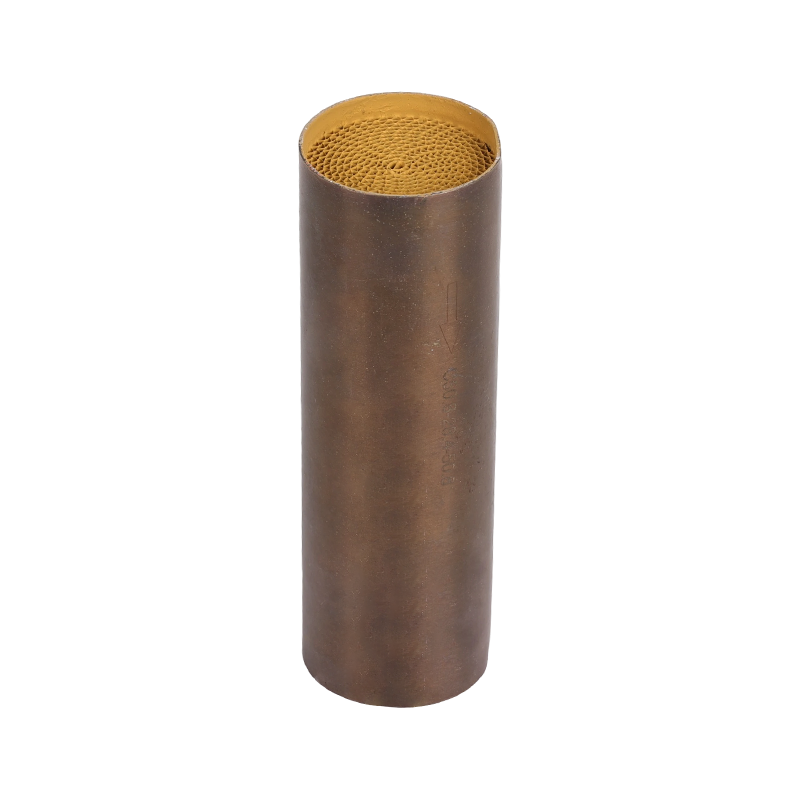
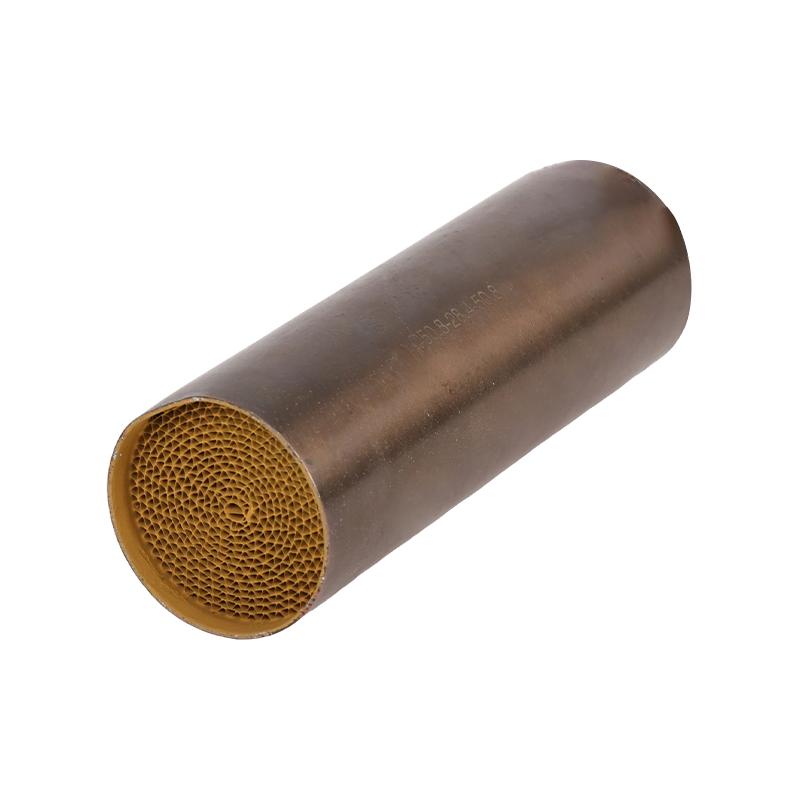
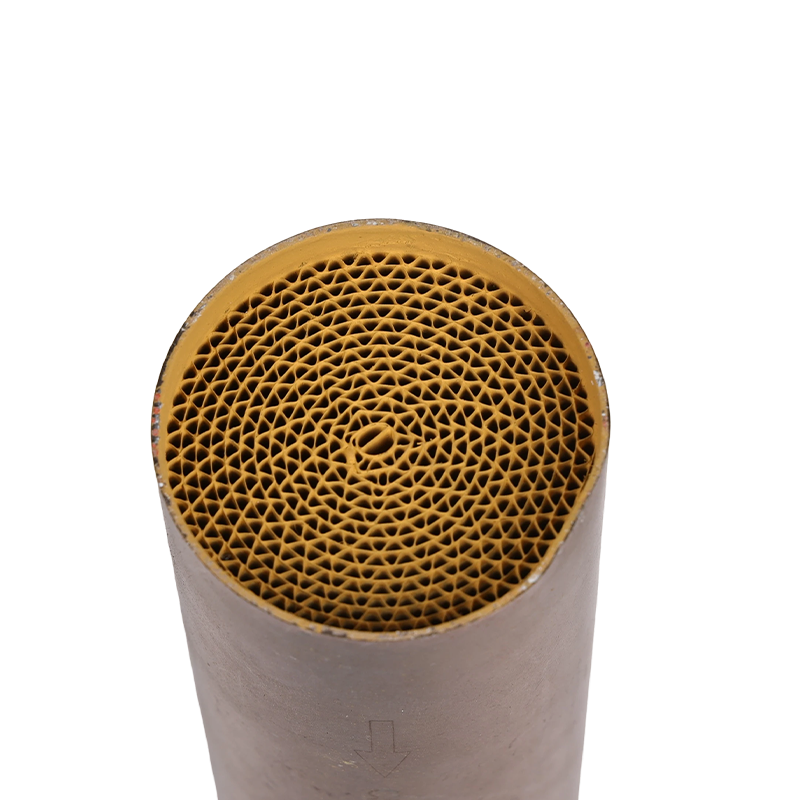
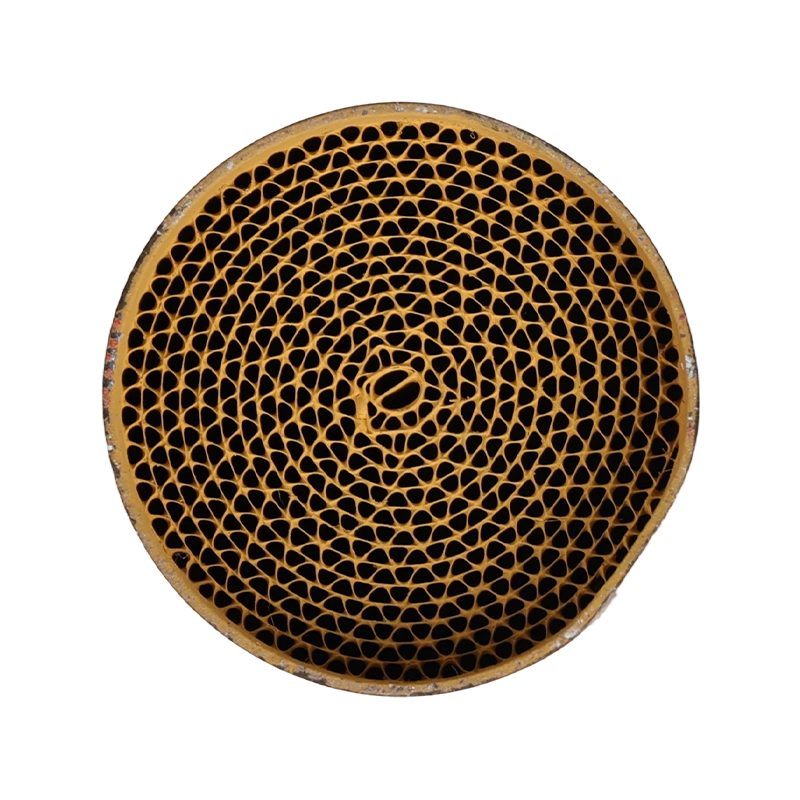
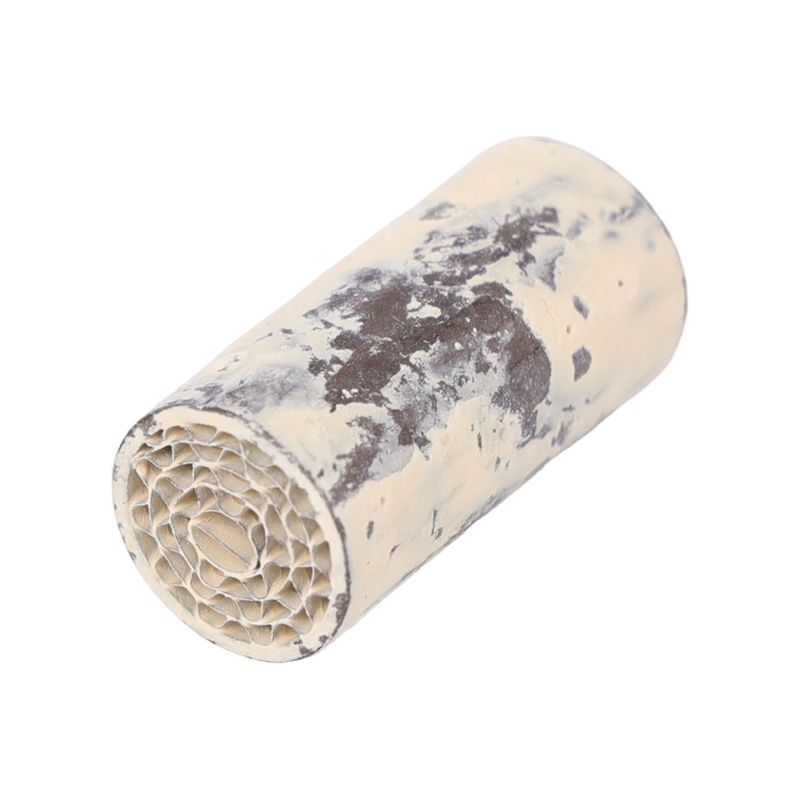
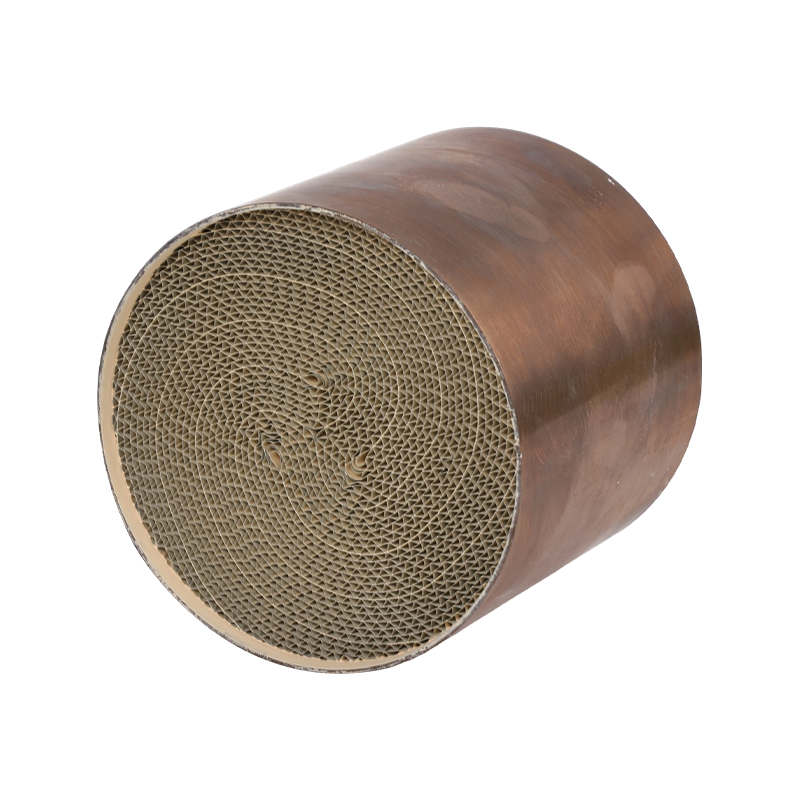
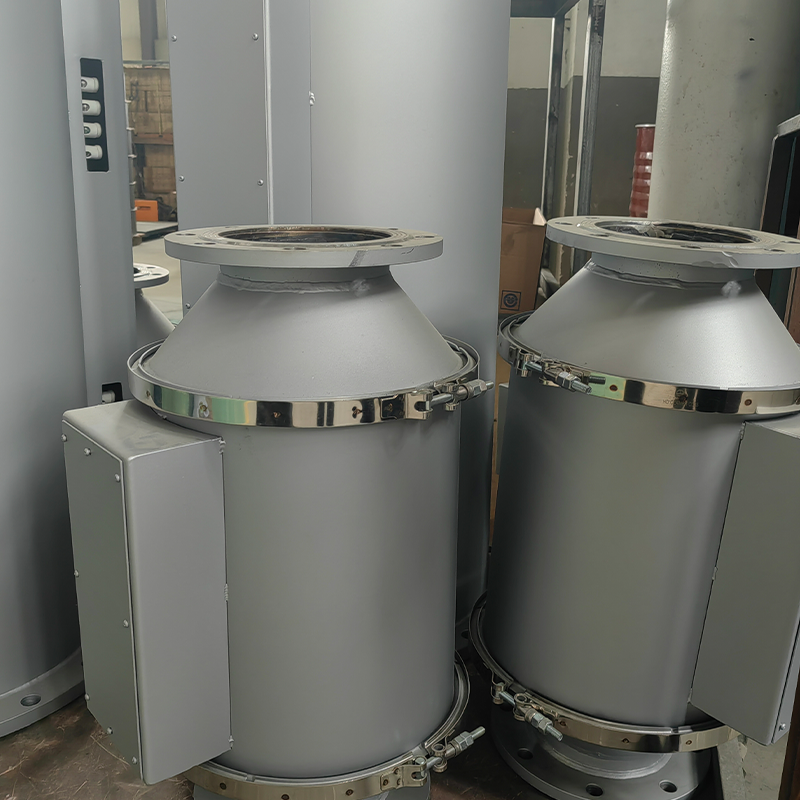
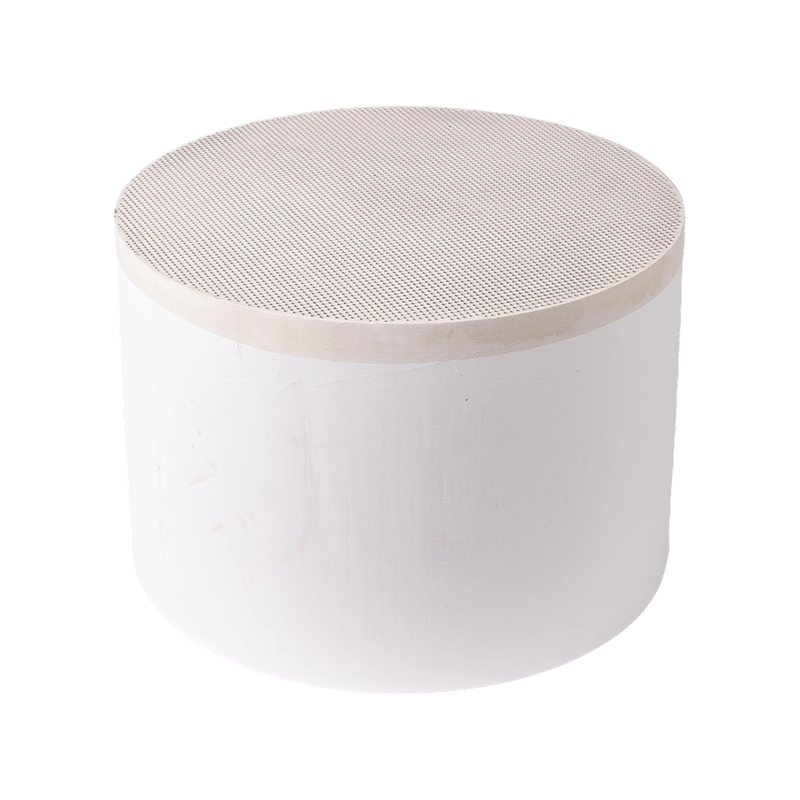
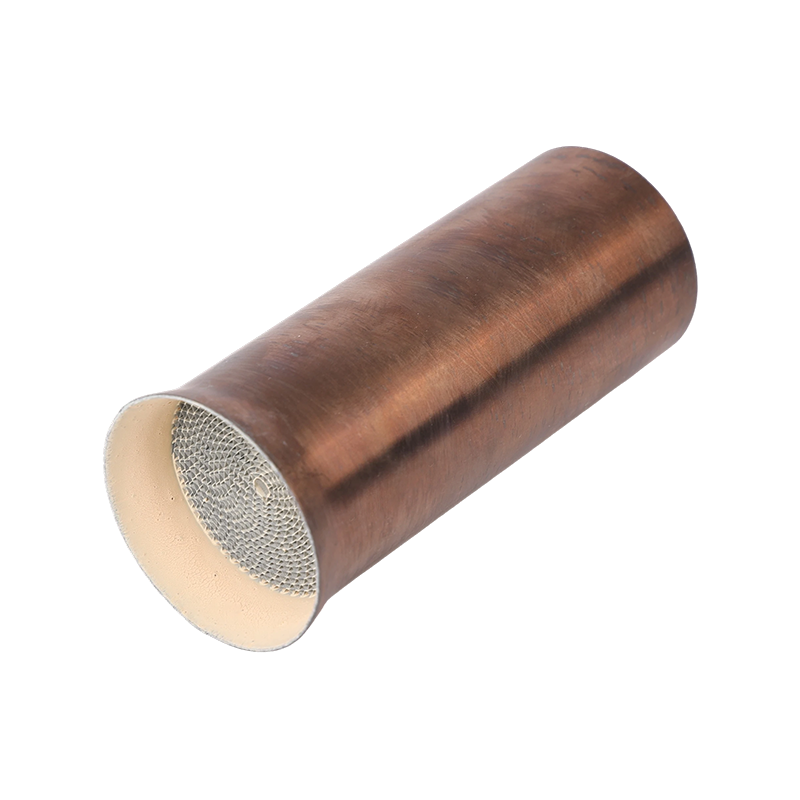
Founded in July 2011,As China Small Metal Substrate Suppliers and Wholesale Small Metal Substrate Factory,
Longyou Shuochun New Material Technology Co., Ltd. is a high-tech enterprise specializing in the coating and sales of three-way catalytic converters. It is deeply engaged in the field of new materials.
The company always keeps an eye on the industry frontier, actively learns from and draws on the advanced formulas and mature technologies of domestic and foreign counterparts. Through in-depth research and localization of mainstream formulas, it accurately adjusts the proportion of raw materials such as rare earths, precious metals and non-precious metals, so as to ensure that the coated carriers produced have stable catalytic activity and reliable performance.
The company's products cover a variety of specifications and models, and its products and technologies are applicable to automobiles, motorcycles, general-purpose engines, construction machinery, marine power, generator sets, agricultural machinery and other fields.
Its core capabilities include:
● Catalyst coating and substrate solutions
● TWC / DOC / SCR / DPF / GPF product range
● Welded exhaust components
● Application-oriented customization
● Technical support for automotive, non-road and industrial power applications
In the future, the company will continue to learn advanced industry experience, optimize production and services, and contribute to the realization of carbon peaking and carbon neutrality goals in China and around the world.
Core Structure and Manufacturing Process
1. Substrate Material
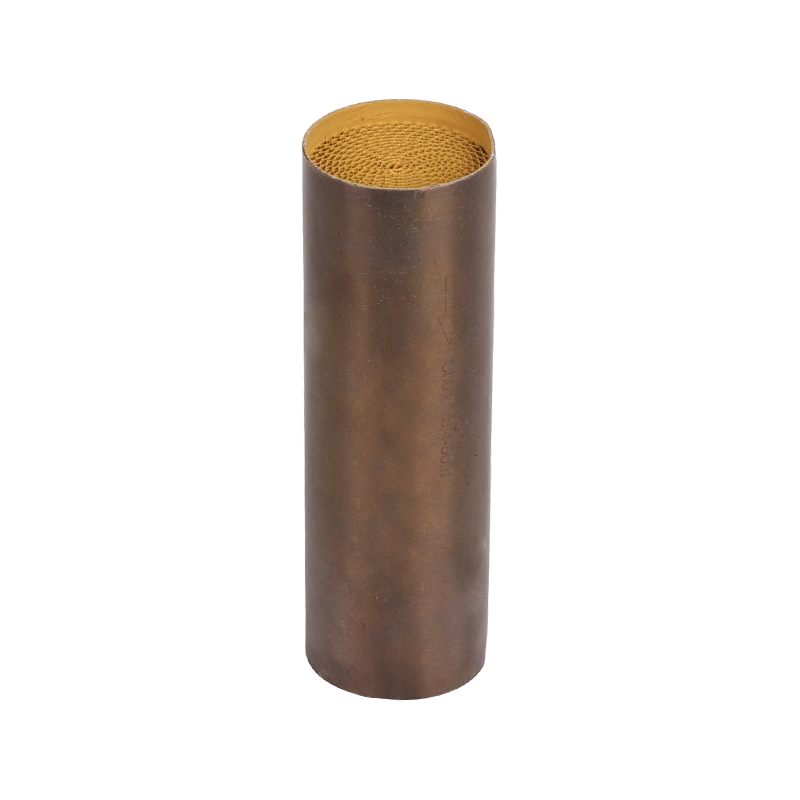
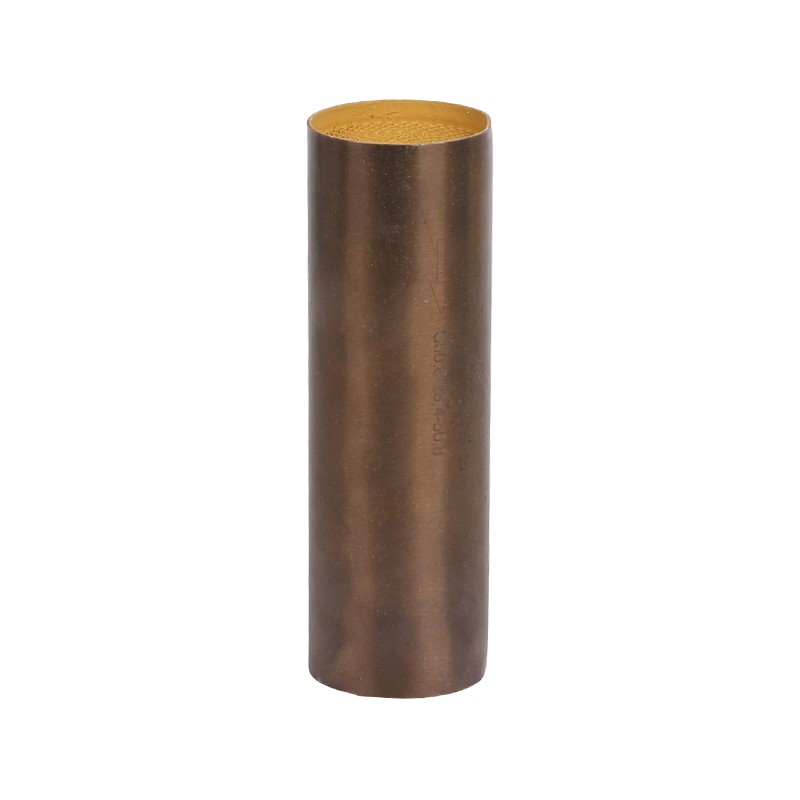
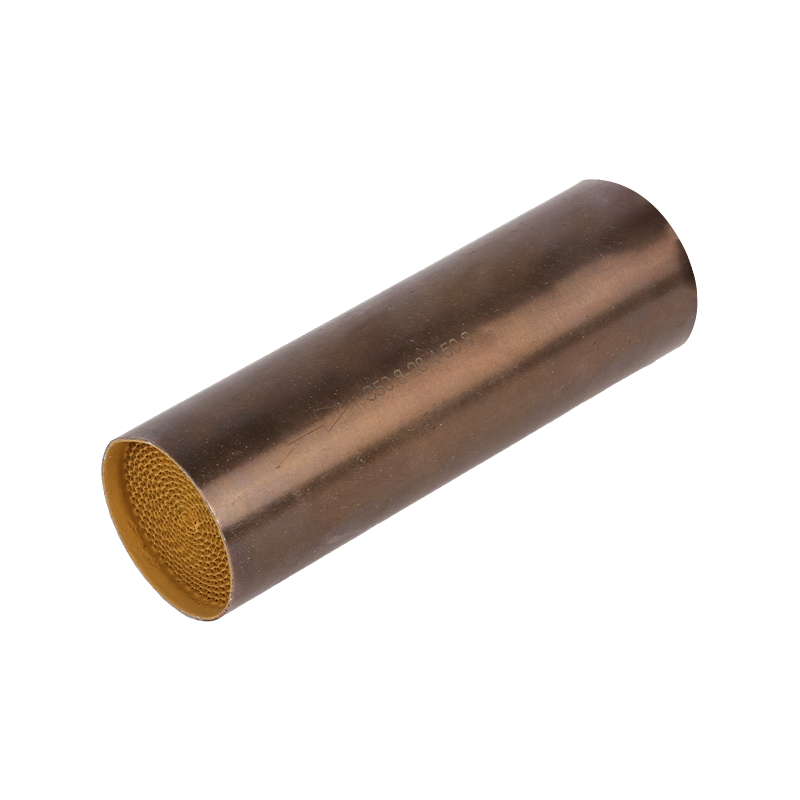
Base Material: Typically made of Fe-Cr-Al (iron-chromium-aluminum) alloy foil, a specialized high-temperature resistant alloy.
Key Properties:
High-temperature oxidation resistance: At elevated temperatures, the alloy surface forms a dense α-alumina (α-Al₂O₃) protective film that prevents further oxidation and corrosion of the substrate.
Excellent heat resistance: The material can withstand prolonged exposure to temperatures above 1000°C.
Controlled thermal expansion coefficient: By adding trace alloying elements, the thermal expansion coefficient can be fine-tuned to improve structural stability.
2. Manufacturing Process
Foil Processing: The Fe-Cr-Al alloy foil is rolled to the required thickness, typically between 0.03 mm and 0.08 mm.
Forming and Welding: The foil is alternately shaped into corrugated and flat layers, then wound into cylindrical or oval structures. The contact points are joined by high-temperature brazing, forming a robust honeycomb monolith with numerous parallel channels.
Coating Application: Because the metallic surface is smooth and chemically inert, direct coating adhesion is difficult. Therefore, the foil surface undergoes pretreatment—commonly high-temperature oxidation or sandblasting—to create a microscopically roughened surface. Alternatively, an aluminized layer may be preformed to enhance the adhesion of the washcoat layer.
Outstanding Advantages of Metal Substrates
Compared with traditional cordierite ceramic substrates, metal substrates offer the following remarkable advantages:
1. Exceptional Mechanical Strength and Impact Resistance
Advantage: Unlike ceramics, metal substrates do not crack under vibration, thermal stress, or physical impact, ensuring a high level of reliability.
Application: Ideal for harsh operating environments such as motorcycles, off-road vehicles, and construction machinery.
2. Extremely Thin Wall Thickness and Low Thermal Mass
Wall Thickness: Metal foils can be as thin as 0.03 mm, whereas ceramic substrates typically have wall thicknesses of 0.1–0.15 mm.
Advantages:
Low Back Pressure: The thinner walls provide smoother exhaust flow and lower resistance, which benefits engine power output.
Fast Light-off: Due to the low thermal mass and rapid heating of thin metal walls, the catalyst can reach light-off temperature within seconds after a cold start. This feature is crucial for reducing emissions during the cold-start phase—the most critical period for emission control.
3. Excellent Thermal Conductivity
Advantage: Heat can quickly transfer throughout the substrate, ensuring uniform temperature distribution and preventing local overheating that could lead to catalyst sintering and deactivation. Enhanced heat transfer across the substrate also promotes regeneration and accelerates catalytic reactions.
4. Superior Thermal Shock Resistance
Advantage: Metal substrates can withstand sudden temperature fluctuations in the exhaust system—such as rapid transitions from high-speed driving to idling or during DPF active regeneration—without structural damage.
5. High Design Flexibility
Advantage: Metal foils can be wound into various shapes (such as conical or non-circular cross-sections), allowing for better utilization of irregular exhaust space and enabling more compact system designs.
Disadvantages and Challenges of Metal Substrates
1. High Cost: The use of special alloy materials and complex manufacturing processes—particularly brazing—makes metal substrates significantly more expensive than ceramic substrates.
2. Coating Adhesion Challenges: Ensuring that the washcoat adheres firmly to the metal surface while maintaining durability under intense thermal cycling and vibration presents a major technical challenge during production.
3. High-Temperature Oxidation Limits: Although metal substrates offer excellent heat resistance, prolonged exposure to extremely high temperatures can cause the protective oxide layer to degrade, leading to substrate oxidation or powdering. As a result, their maximum continuous operating temperature generally remains lower than that of top-grade ceramic materials.
Core Application Scenarios
Owing to the aforementioned advantages and limitations, metal substrates are not universally applicable but perform exceptionally well in specific areas where their strengths can be fully utilized:
1. Motorcycle Catalysts
Requirement: Motorcycle engines generate intense vibration, have limited installation space, and are highly sensitive to weight and exhaust backpressure.
Match: The high strength, lightweight nature, vibration resistance, and flexible design of metal substrates make them an ideal fit for these conditions.
2. Close-Coupled Catalysts
Requirement: To achieve optimal cold-start emission performance, the catalyst is installed as close as possible to the engine exhaust manifold. This area experiences extremely high temperatures and severe thermal shocks.
Match: The rapid light-off capability and excellent thermal shock resistance of metal substrates make them ideal for close-coupled applications, often used in combination with a downstream main ceramic catalyst.
3. High-Performance and Sports Cars
Requirement: These vehicles demand high power output (requiring low backpressure) and quick throttle response.
Match: The low backpressure characteristics of metal substrates help maximize engine performance and responsiveness.
4. Diesel Oxidation Catalysts (DOC)
Requirement: Diesel engines have relatively low exhaust temperatures during cold start; the DOC must light off rapidly to convert HC and CO while generating NO₂ to support passive regeneration of the downstream DPF.
Match: Metal DOCs reach their operating temperature more quickly, enhancing the overall efficiency of the emission control system.
5. Variable-Geometry and Integrated Silencer Catalysts
Requirement: Leveraging their structural flexibility, metal substrates can integrate catalytic and silencing functions or be shaped to optimize exhaust gas flow.