

 English
 русский
 Español
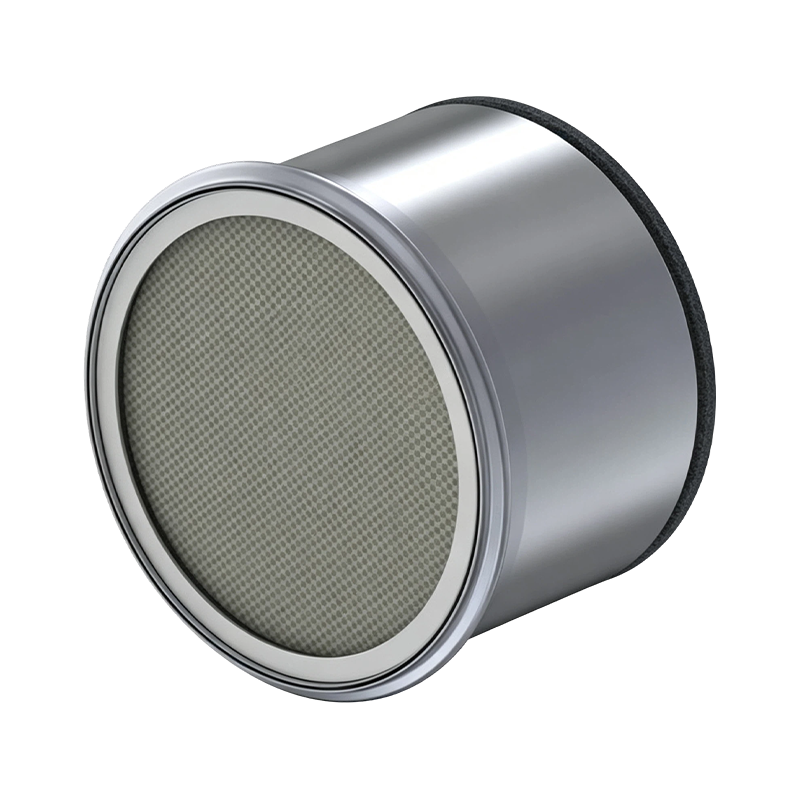
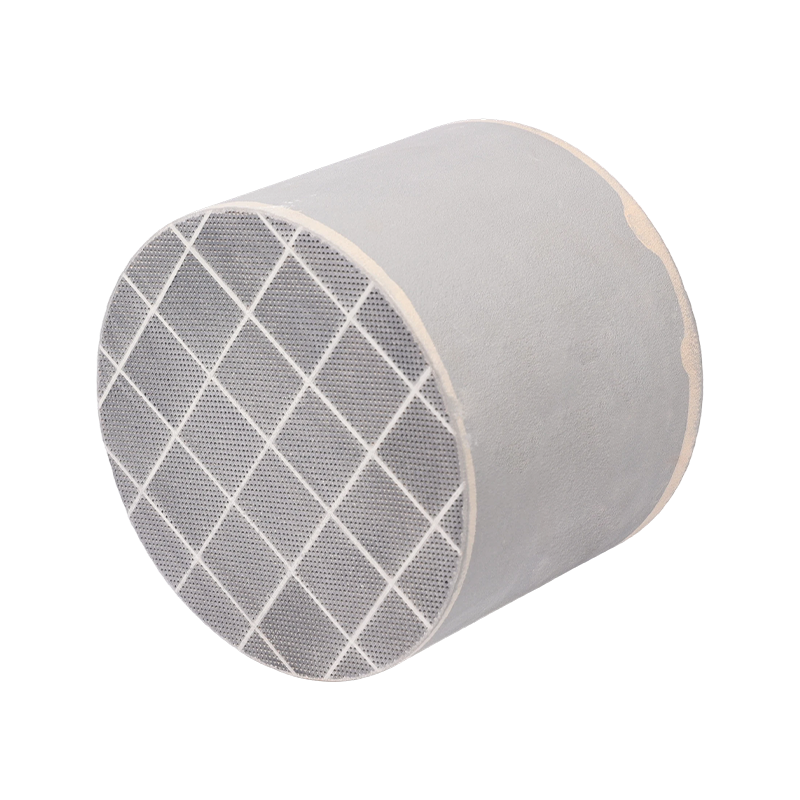
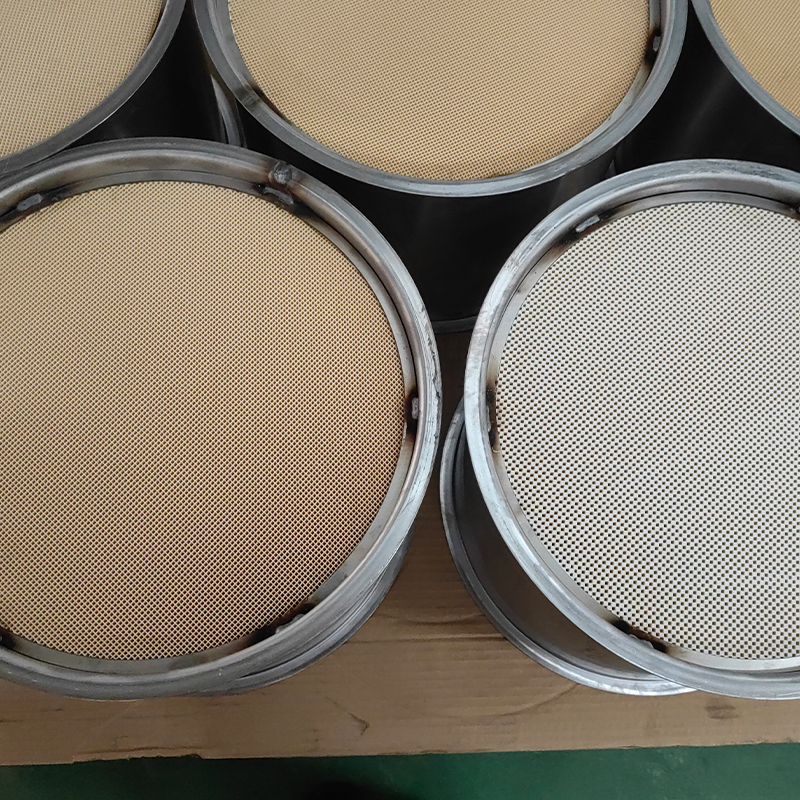
Founded in July 2011,As China Extra-Large Scale Catalyst Unit Suppliers and Wholesale Extra-Large Scale Catalyst Unit Factory,
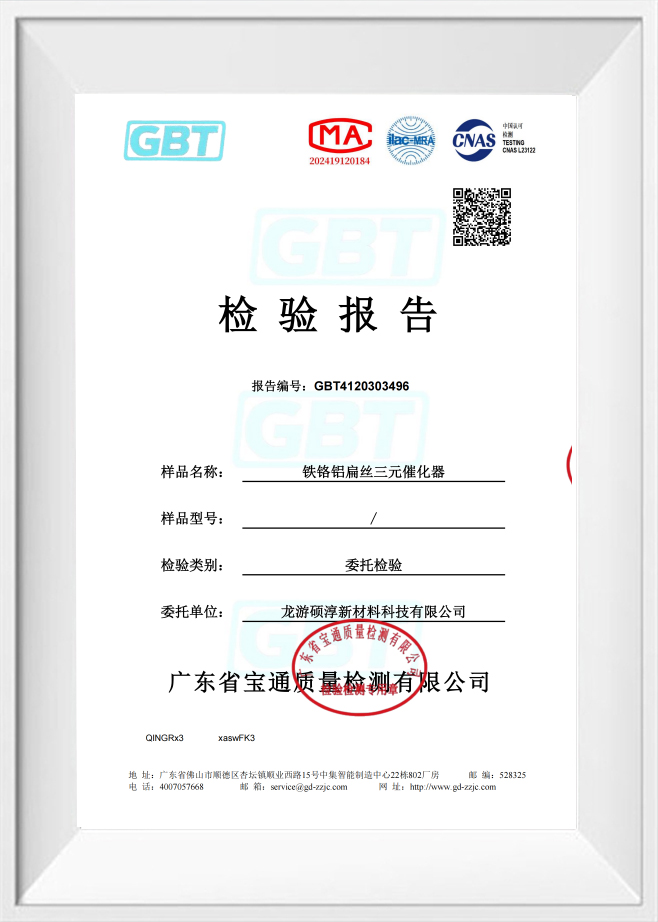
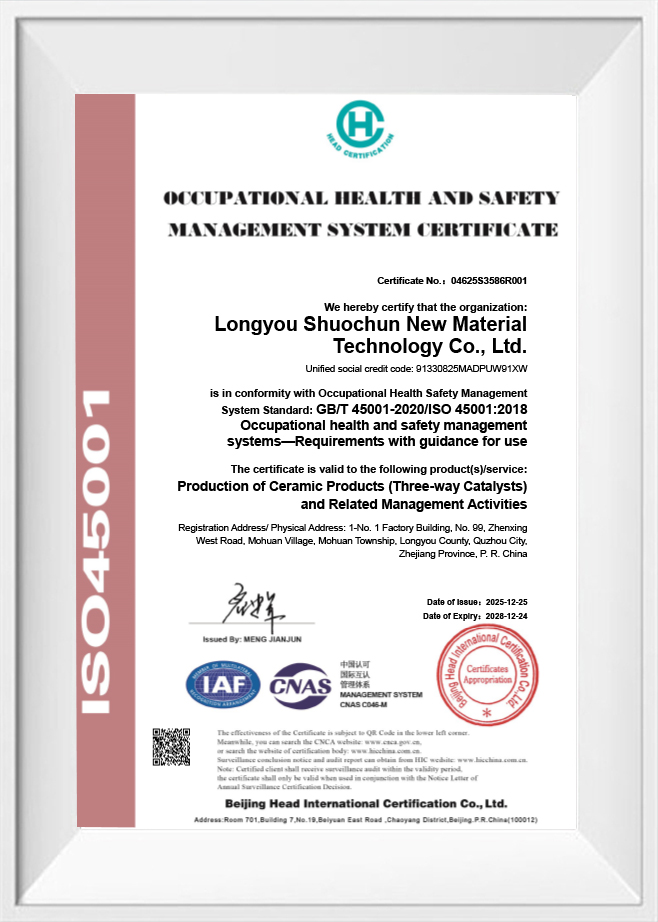
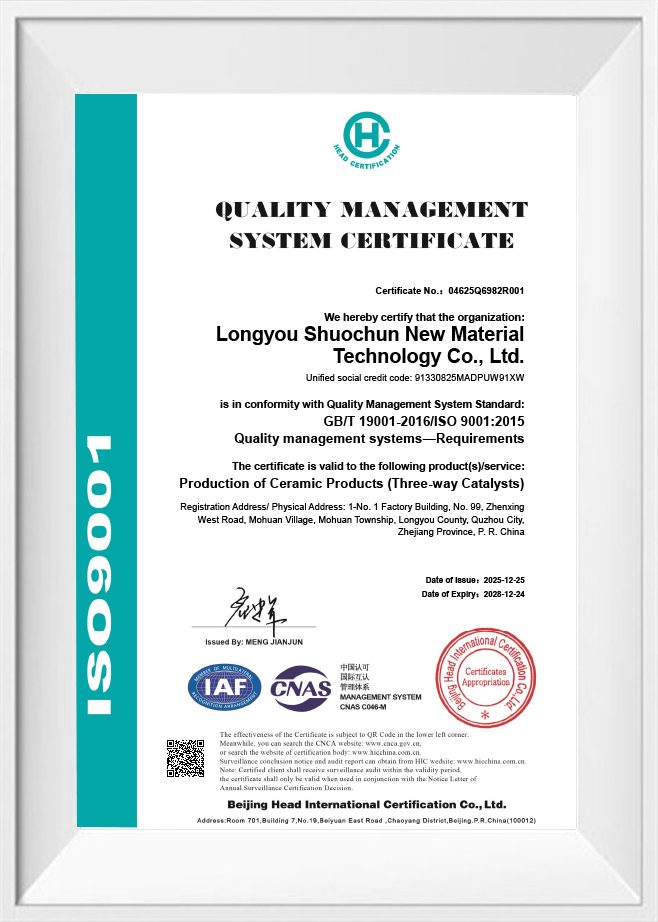
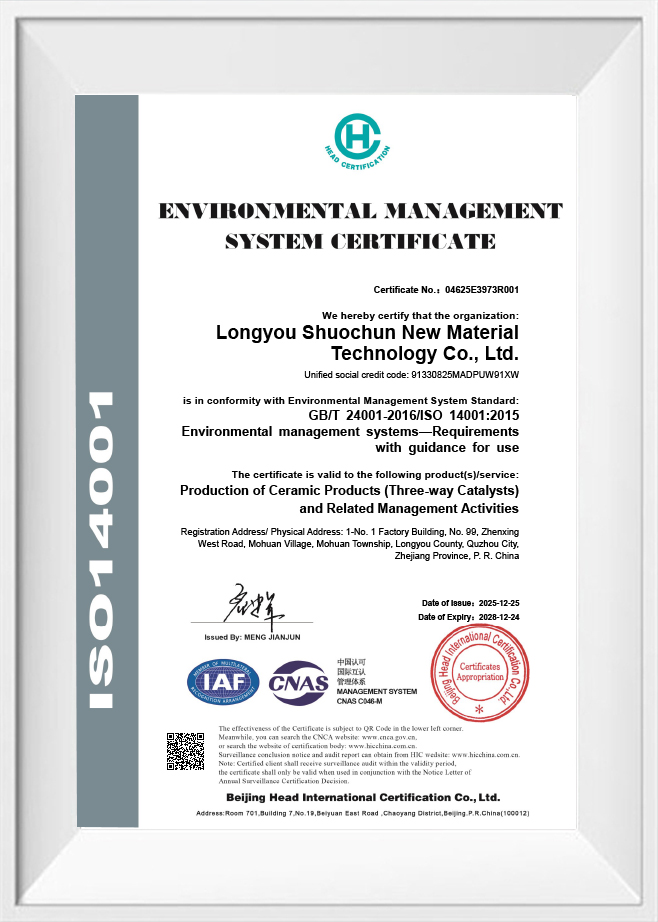
Longyou Shuochun New Material Technology Co., Ltd. is a high-tech enterprise specializing in the coating and sales of three-way catalytic converters. It is deeply engaged in the field of new materials.
The company always keeps an eye on the industry frontier, actively learns from and draws on the advanced formulas and mature technologies of domestic and foreign counterparts. Through in-depth research and localization of mainstream formulas, it accurately adjusts the proportion of raw materials such as rare earths, precious metals and non-precious metals, so as to ensure that the coated carriers produced have stable catalytic activity and reliable performance.
The company's products cover a variety of specifications and models, and its products and technologies are applicable to automobiles, motorcycles, general-purpose engines, construction machinery, marine power, generator sets, agricultural machinery and other fields.
Its core capabilities include:
● Catalyst coating and substrate solutions
● TWC / DOC / SCR / DPF / GPF product range
● Welded exhaust components
● Application-oriented customization
● Technical support for automotive, non-road and industrial power applications
In the future, the company will continue to learn advanced industry experience, optimize production and services, and contribute to the realization of carbon peaking and carbon neutrality goals in China and around the world.
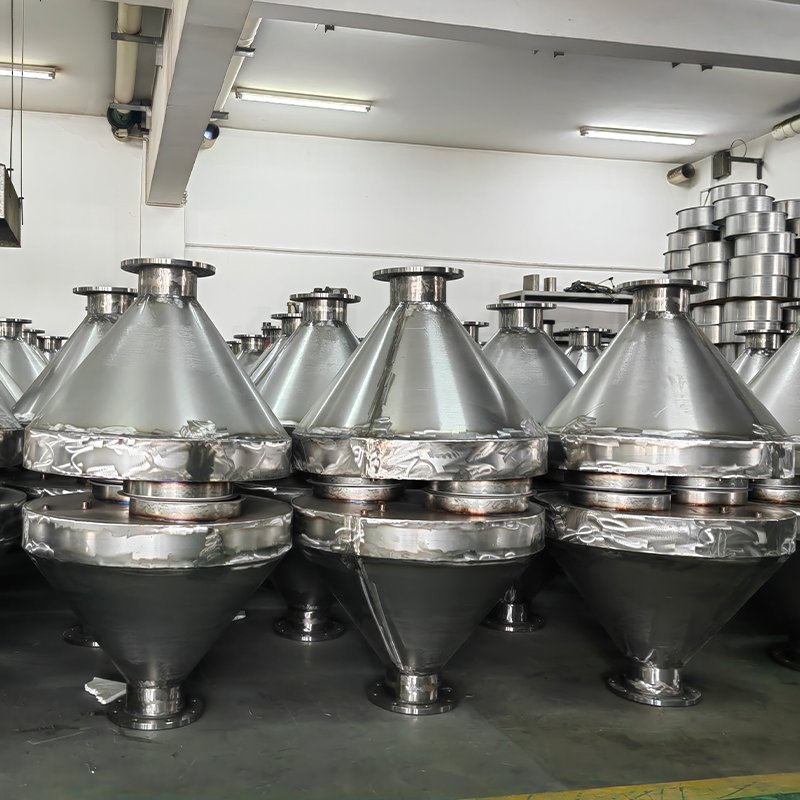
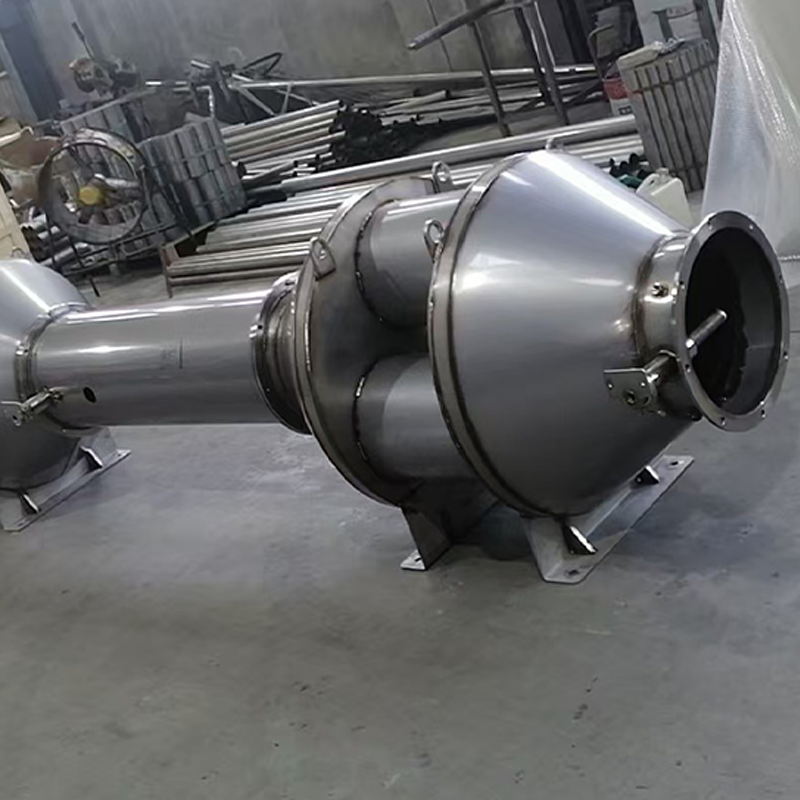
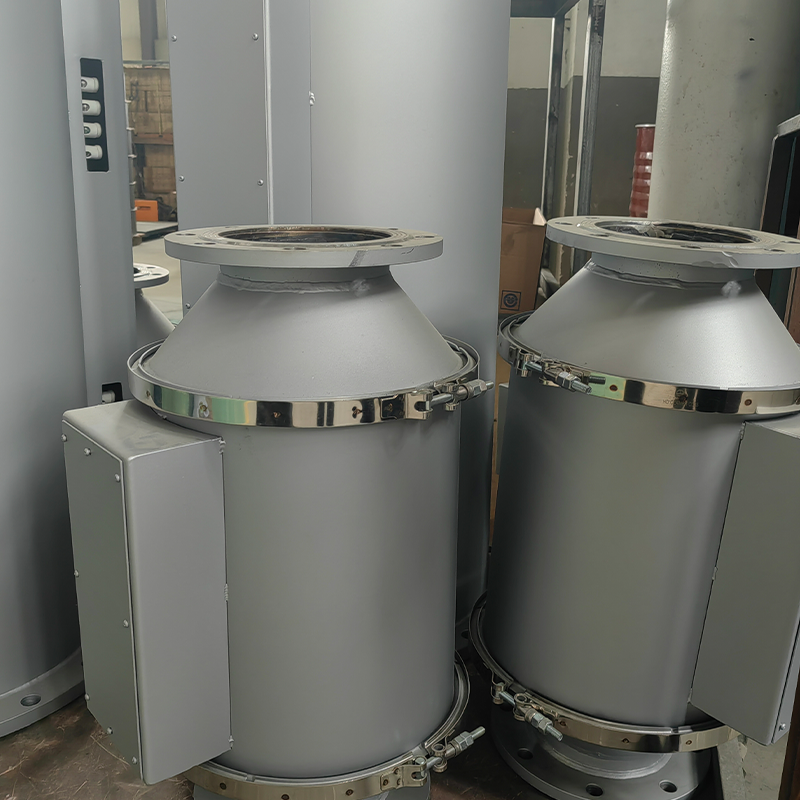
An ultra-large generator set three-way catalytic converter is a device capable of converting harmful exhaust gases—such as carbon monoxide (CO), hydrocarbons (HC), and nitrogen oxides (NOₓ)—from ultra-large generator sets into harmless substances including carbon dioxide (CO₂), water (H₂O), and nitrogen (N₂) through oxidation and reduction reactions, thereby reducing the environmental impact of the exhaust emissions.
1. Special Design of Ultra-Large Generator Set Three-Way Catalysts
Due to the massive exhaust flow, potential for continuous long-duration operation, and higher reliability requirements of ultra-large generator sets, their three-way catalysts involve special considerations in design and selection:
(1)Managing Complex Exhaust Flow and Enhancing Purification Efficiency: Ultra-large generator sets have high exhaust flow rates, demanding uniform flow distribution. Flow equalization devices (such as adjustable vanes) and optimized guide plate designs (including horizontal, upward-tilted, and downward-tilted flow holes) are crucial for improving conversion efficiency and service life. To ensure effective purification, multistage catalytic units in series or dual-substrate designs are often used (e.g., larger cell size in the front-stage substrate and smaller in the rear-stage), achieving stepwise deep purification.
(2)Reinforced Structure and Corrosion Resistance: To withstand harsh operating environments (e.g., high humidity and salt spray in marine settings), ultra-large catalysts typically use high-grade corrosion-resistant stainless steel for the housing. Internally, the substrates are secured with high-performance mats and locking plates to withstand extreme vibration and impact.
(3)Efficient Thermal Insulation and Waste Heat Recovery: Large catalysts operate at high temperatures, making high-efficiency composite insulation sleeves (e.g., stainless steel mesh, glass fiber, and asbestos layers) critical for controlling engine room temperature and protecting equipment. Some advanced designs also employ vacuum chamber insulation (forming a vacuum chamber via vacuum welding) or integrate exhaust heat recovery systems to generate power from waste heat, improving overall energy efficiency.
2. Selection, Operation, and Maintenance Recommendations
When selecting and using exhaust after-treatment systems for ultra-large generator sets, the following aspects require special attention:
(1)Precise Matching by Fuel Type: This is the most fundamental principle. Gas-fired generator sets (such as natural gas, biogas, LPG) use three-way catalytic converters (TWC), capable of simultaneously treating CO, HC, and NOx. Diesel generator sets, due to their exhaust characteristics, typically require a combination of Diesel Oxidation Catalyst (DOC), Diesel Particulate Filter (DPF), and SCR system to handle pollutants.
(2)Focus on Key Performance According to Operating Scenario: Ultra-large generator sets are often used as primary or base-load power sources (with annual operating hours reaching 2,000–8,000 hours). Therefore, exhaust purification devices with extremely high durability and reliability must be selected to reduce long-term operating costs and failure risks. Low-quality devices are prone to failure under high temperature and vibration, potentially clogging the exhaust system, causing excessive engine backpressure, severe power loss, and significantly increased fuel consumption.
(3)Implement Routine Inspection and Scheduled Maintenance
(4)The catalyst (especially ceramic substrates) is relatively fragile and should be protected from impacts or knocks. During operation, the surface temperature is very high; flammable materials should be kept away, and precautions should be taken to prevent burns.
(5)During use, closely monitor changes in engine backpressure. If backpressure approaches the maximum allowable limit, the engine should be shut down promptly, and the catalyst or filter cleaned to prevent performance degradation.
(6)For modular or split designs, periodically inspect the substrate surface and perform cleaning as needed.
For configuring exhaust after-treatment systems on ultra-large generator sets, the key lies in “matching the right solution to the engine”: select TWC for gas engines and DOC+DPF+SCR systems for diesel engines. For ultra-large, continuously operated generator sets, focus on long service life, high reliability, and maintainability. At the same time, ensure qualified fuels, precise engine control, and proper installation and maintenance to guarantee long-term stable and efficient operation.