


 English
 русский
 Español
Core-Free DPF Filter Unit
A diesel particulate filter (DPF) sold without a core-exchange requirement, so installation is quicker and simpler.Ordering: no core deposit or return...
High-performance special ceramics are a class of high-performance ceramic materials made from high-purity artificially synthesized inorganic compounds through precise sintering processes. The following provides a detailed introduction from six aspects: definition, classification, performance characteristics, application fields, forming processes, and development trends:
I. Definition High-performance special ceramics break through the limitations of traditional ceramics, which primarily use clay as a raw material. They mainly use oxides, carbides, nitrides, silicides, etc., and sometimes can be combined with metals to form ceramic-metal composite materials. They are prepared using modern materials science processes and possess unique and superior properties.
II. Classification Based on performance and material characteristics, high-performance special ceramics can be broadly classified into the following categories:
Structural ceramics: Possessing high strength, high hardness, high temperature resistance, corrosion resistance, and oxidation resistance, suitable for harsh environments or engineering applications.
Functional ceramics: Exhibiting many excellent properties in electrical, magnetic, acoustic, optical, and thermal aspects, such as piezoelectric, photoelectric, electro-optic, acousto-optic, and magneto-optic properties.
Semiconductor ceramics: Possessing semiconductor properties, suitable for the manufacture of electronic devices.
Ceramic fiber reinforced ceramic matrix composites: These composites enhance the ceramic matrix with ceramic fibers, improving the material's toughness and impact resistance.
Cereceramics: Composed of ceramic and metallic phases, they combine the advantages of both ceramics and metals.
III. Performance Characteristics
High-performance special ceramics possess the following significant performance characteristics:
High strength and high hardness: Capable of withstanding large loads and friction, suitable for manufacturing wear-resistant and cut-resistant parts.
High temperature and corrosion resistance: Maintains stable performance even in high-temperature and corrosive environments, suitable for high-temperature structural materials and chemical equipment.
Oxidation and acid/alkali resistance: Resistant to oxidation and acid/alkali corrosion, extending the material's service life.
Excellent thermal conductivity and insulation properties: Depending on the chemical composition, they can be used as heat sinks or high-temperature insulating materials.
Multiple functions: Possessing practical functions such as electromagnetic, chemical, and semiconductor kinetic energy capabilities, and these functions can be adjusted according to requirements.
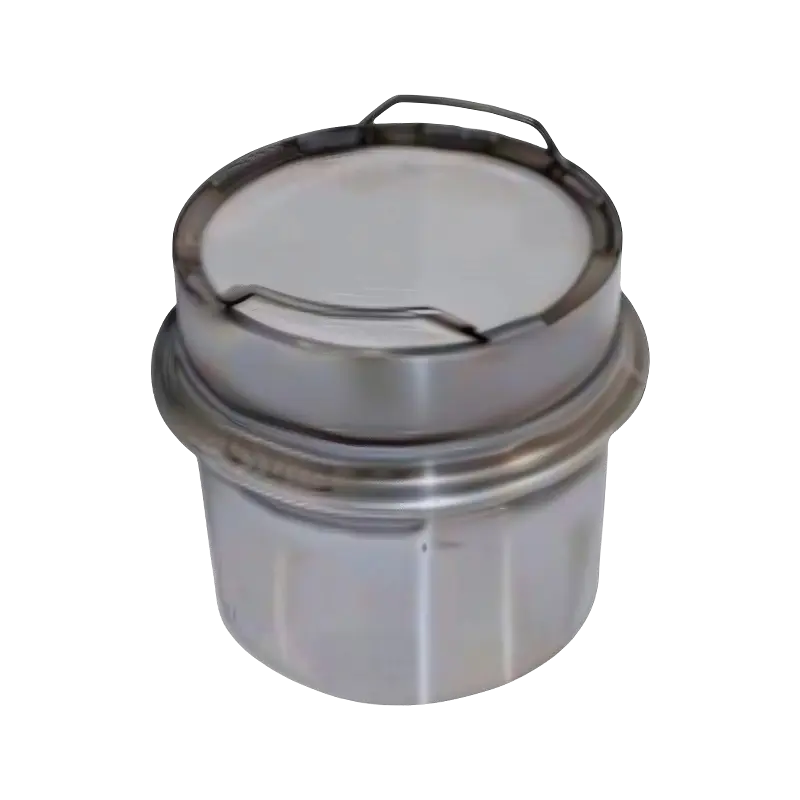
A diesel particulate filter (DPF) sold without a core-exchange requirement, so installation is quicker and simpler.Ordering: no core deposit or return...
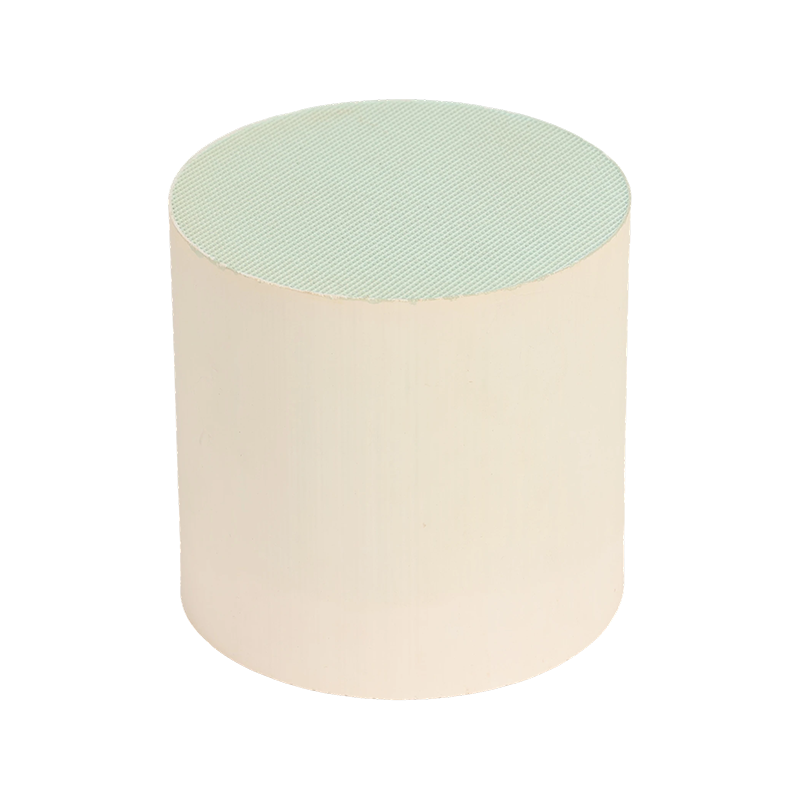
Copper-based SCR catalysts, particularly Cu-CHA structures such as Cu-SAPO-34 and Cu-SSZ-13, are widely recognized for their superior low-temperature ...
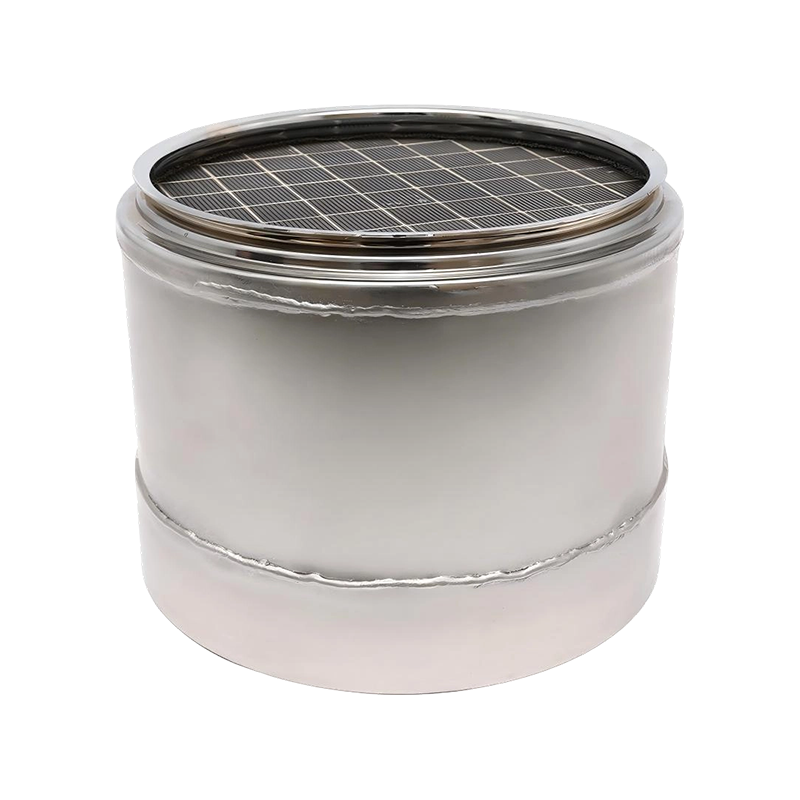
1) Ships as a full assembly rather than just the filter core, so the whole unit can be swapped in one go.2) Sized and positioned to help heavy-duty di...
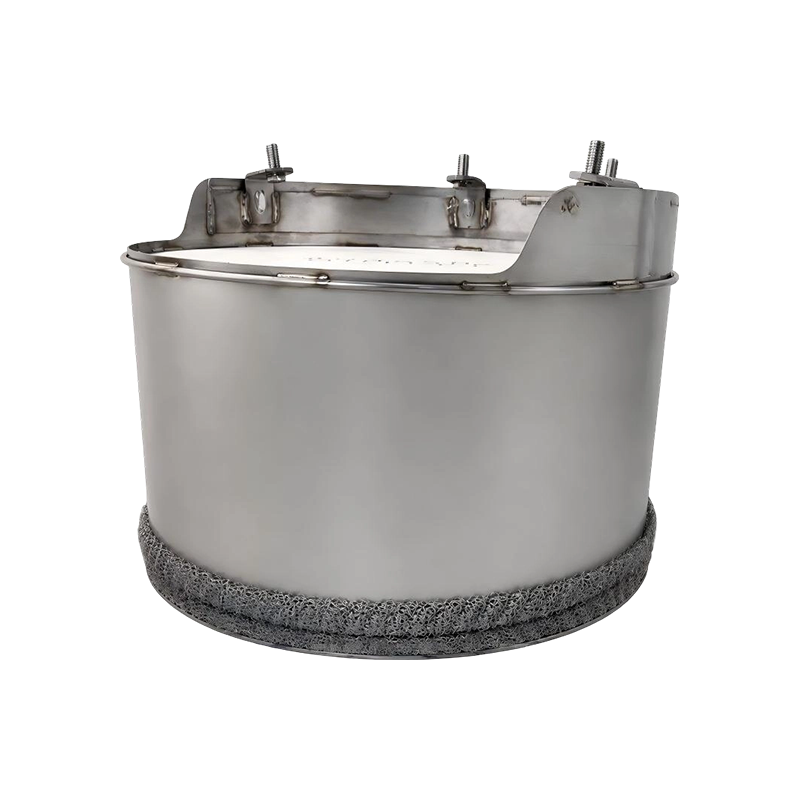
A diesel particulate filter (DPF) sized for compact exhaust layouts without giving up filtration performance.Filtration: ceramic honeycomb core traps ...
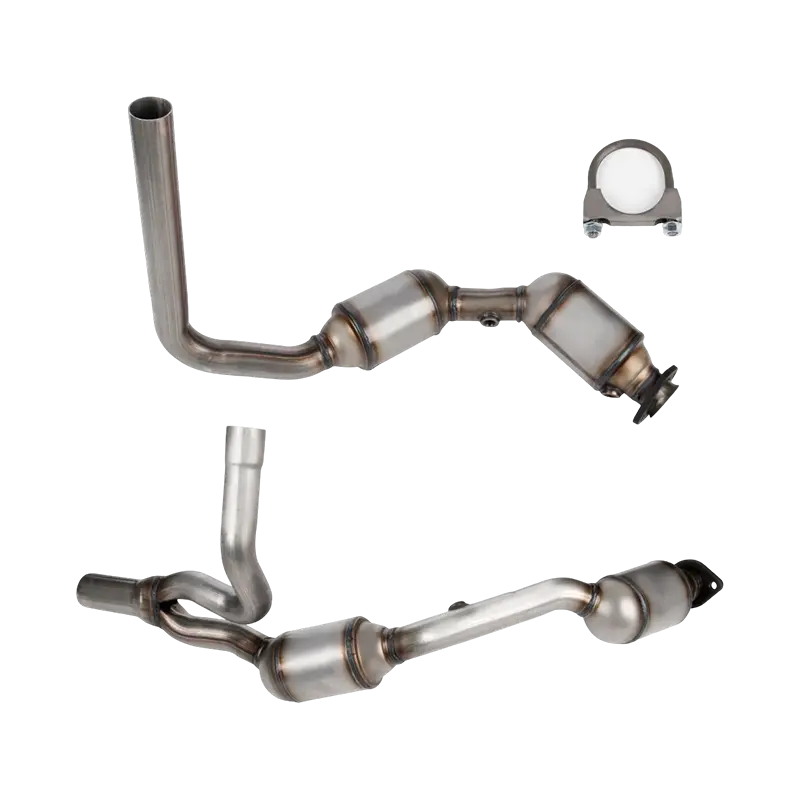
This product is designed for vehicles equipped with a 3.8L engine and an exhaust system OE number of 42638, applicable to 2007-2009 model years. It is...
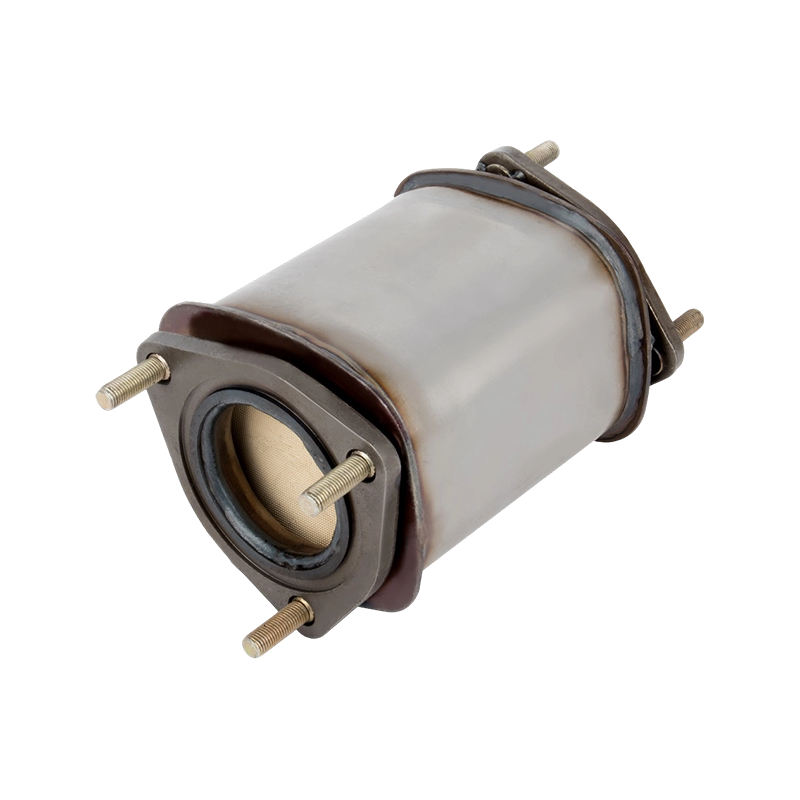
This product is designed for vehicles equipped with a 1.6L engine and an exhaust system OE number of 16474, applicable to 2004-2008 model years. It is...
Application Areas High-performance special ceramics are widely used in the following fields: Machine......
READ MOREWhen an exhaust system integrator or procurement engineer evaluates a catalytic converter, the firs......
READ MOREMetallic Substrate Catalyst vs. Ceramic Substrate Catalyst: Which Performs Better Where It Counts? ......
READ MOREA diesel aftertreatment program usually discovers the need for a custom DPF solution the hard way. ......
READ MOREA catalytic converter shell is the first thing you see under a vehicle, but its stainless-steel bod......
READ MOREEvery gasoline engine that meets modern emission standards depends on a component most drivers neve......
READ MORE