

 English
 русский
 Español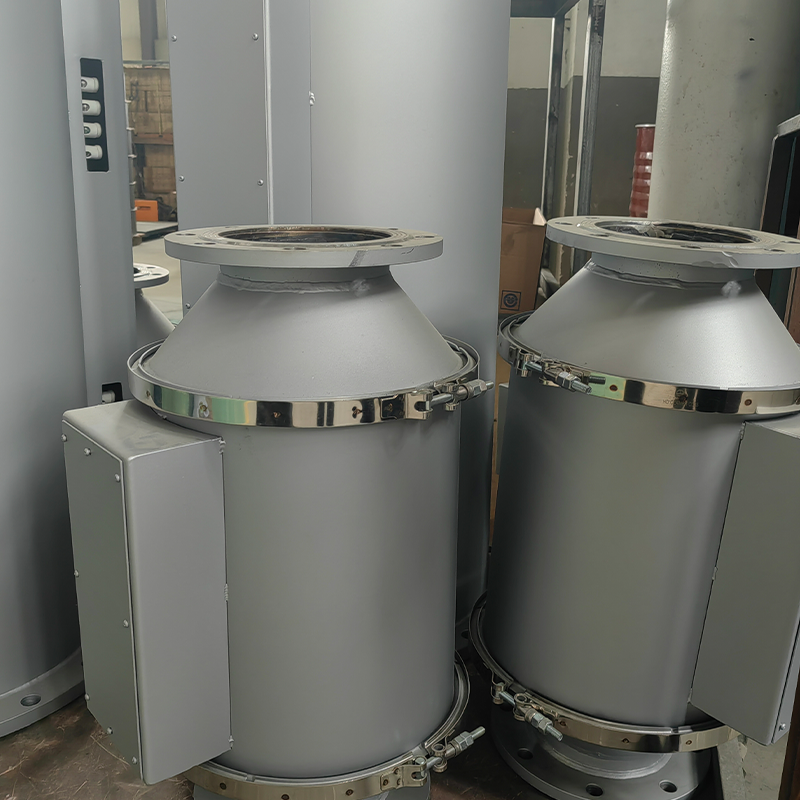
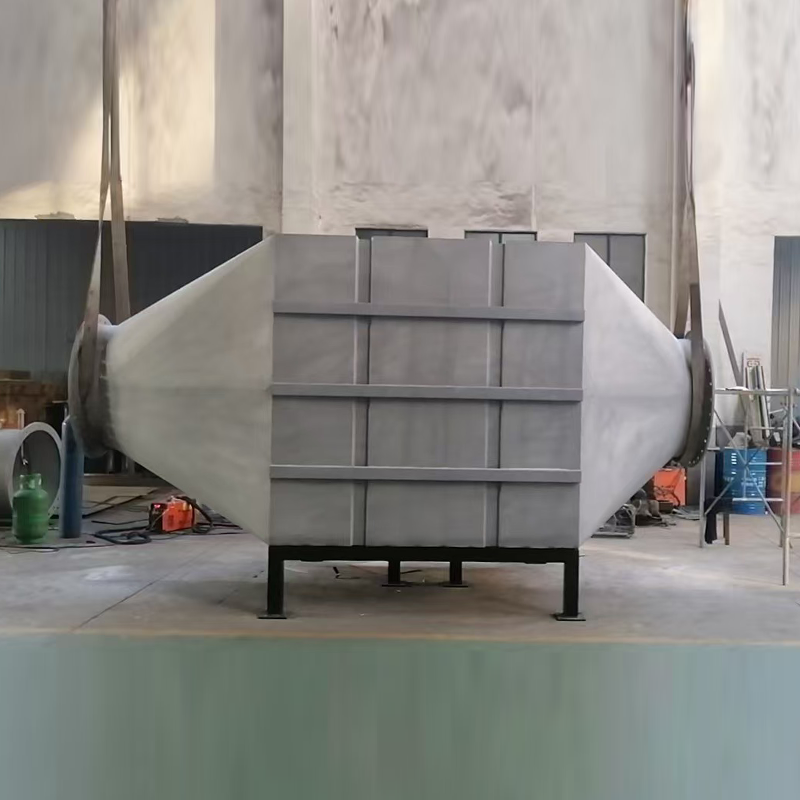
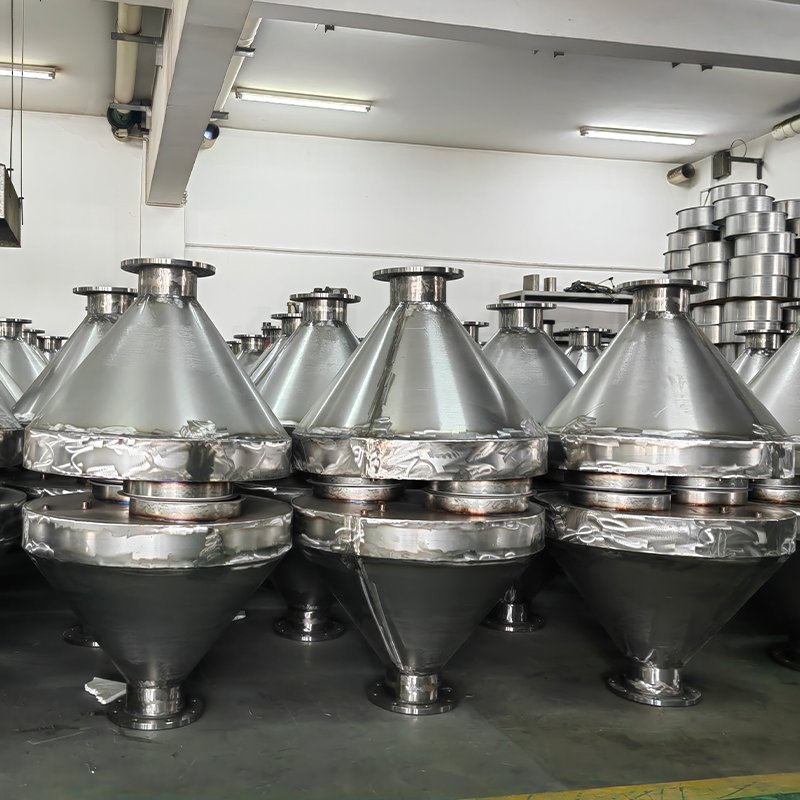
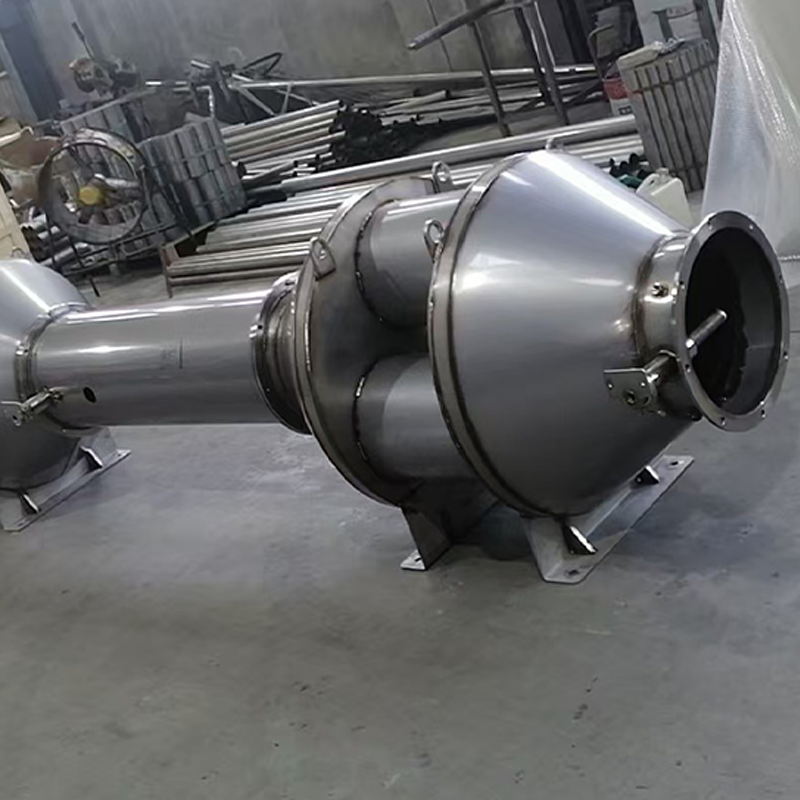
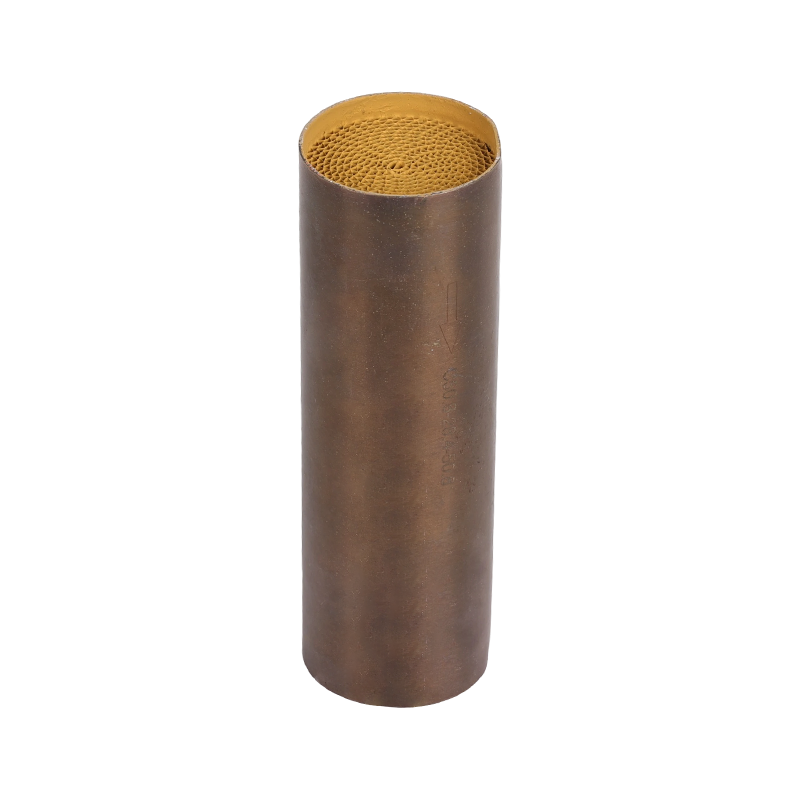
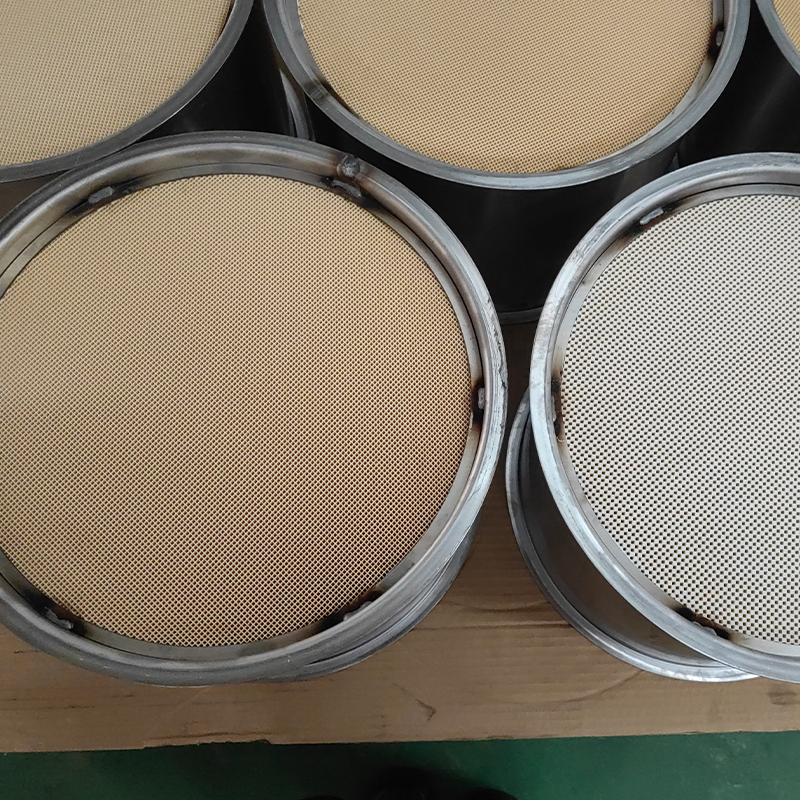
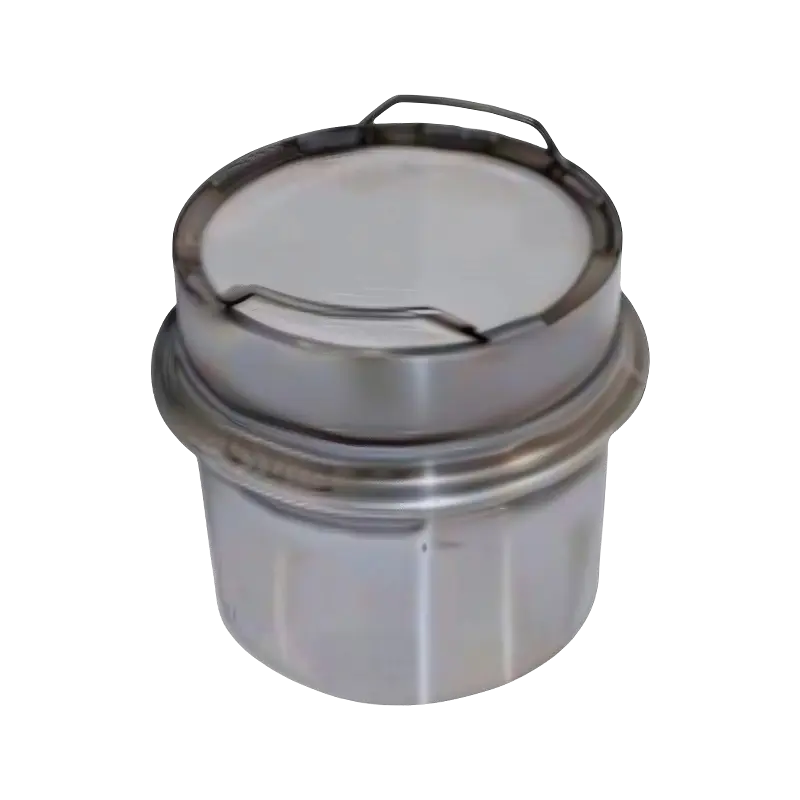
Founded in July 2011,As China Small-Scale Catalyst Unit Suppliers and Wholesale Small-Scale Catalyst Unit Factory,
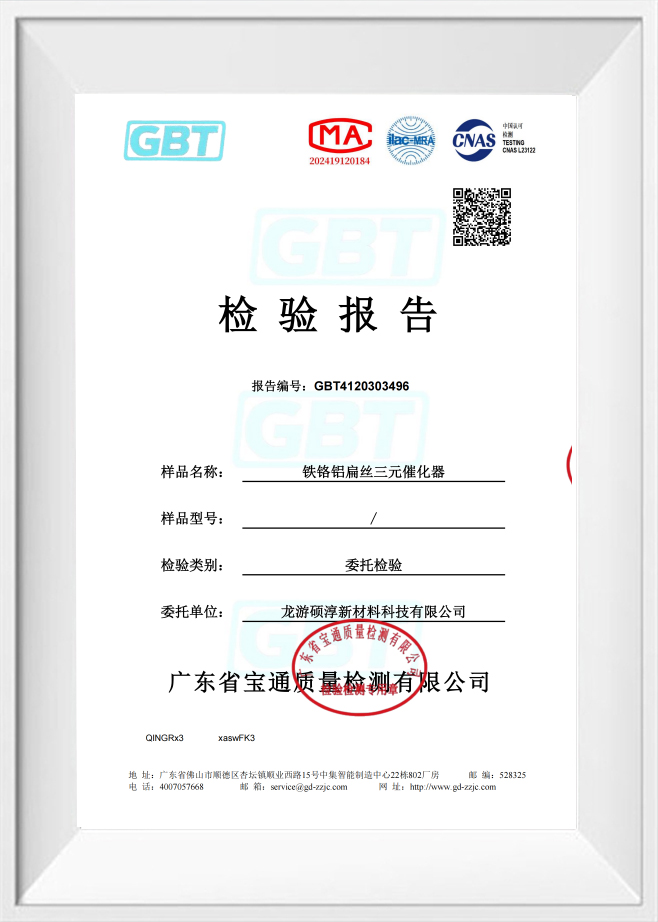
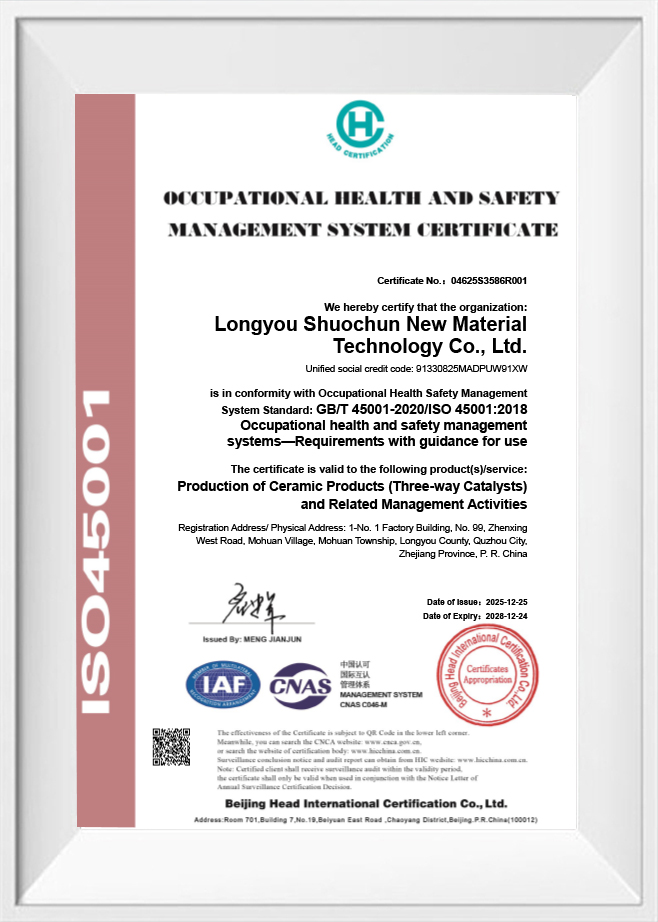
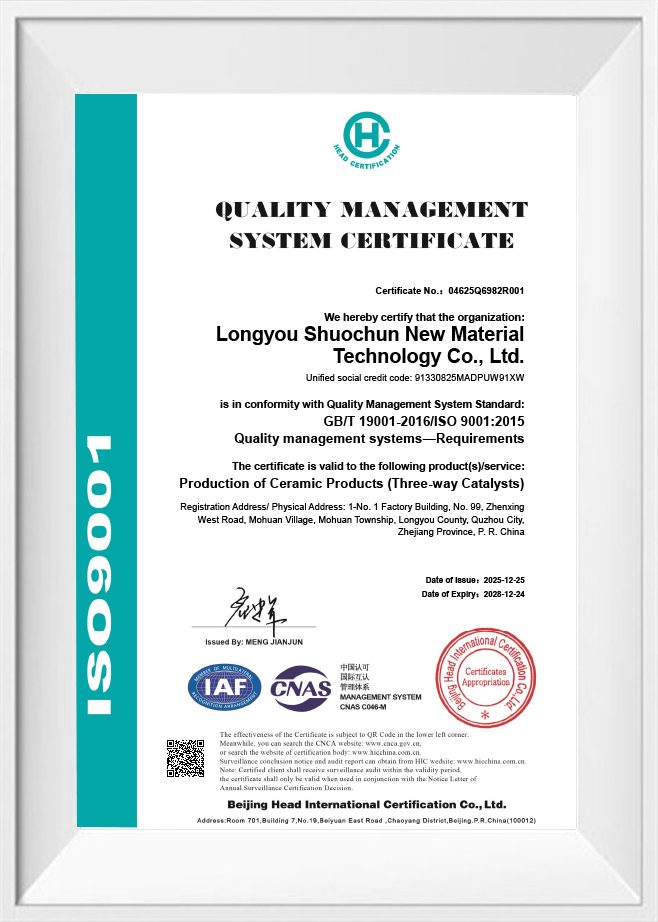
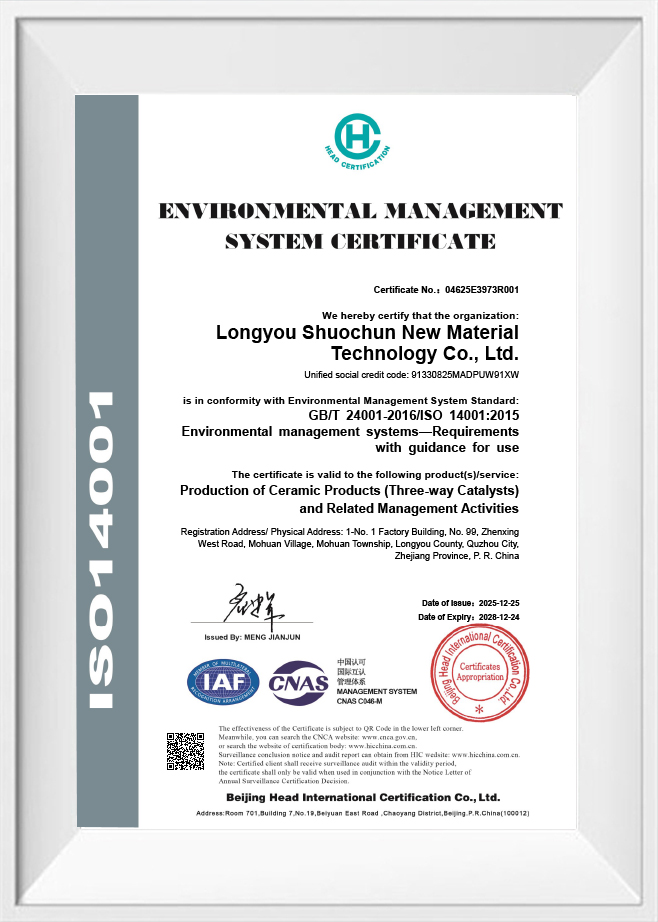
Longyou Shuochun New Material Technology Co., Ltd. is a high-tech enterprise specializing in the coating and sales of three-way catalytic converters. It is deeply engaged in the field of new materials.
The company always keeps an eye on the industry frontier, actively learns from and draws on the advanced formulas and mature technologies of domestic and foreign counterparts. Through in-depth research and localization of mainstream formulas, it accurately adjusts the proportion of raw materials such as rare earths, precious metals and non-precious metals, so as to ensure that the coated carriers produced have stable catalytic activity and reliable performance.
The company's products cover a variety of specifications and models, and its products and technologies are applicable to automobiles, motorcycles, general-purpose engines, construction machinery, marine power, generator sets, agricultural machinery and other fields.
Its core capabilities include:
● Catalyst coating and substrate solutions
● TWC / DOC / SCR / DPF / GPF product range
● Welded exhaust components
● Application-oriented customization
● Technical support for automotive, non-road and industrial power applications
In the future, the company will continue to learn advanced industry experience, optimize production and services, and contribute to the realization of carbon peaking and carbon neutrality goals in China and around the world.
For small generator sets, installing a three-way catalytic converter is an effective method to significantly reduce harmful exhaust emissions and meet environmental requirements. Through catalytic chemical reactions, the three-way catalytic converter transforms the three primary harmful substances in exhaust gas—hydrocarbons (HC), carbon monoxide (CO), and nitrogen oxides (NOx)—into harmless water (H₂O), carbon dioxide (CO₂), and nitrogen (N₂).
To ensure high-efficiency operation, several key conditions must be met:
1. Precise air–fuel ratio control: The system must operate in coordination with a closed-loop electronic fuel injection engine, keeping the air–fuel ratio within a narrow window of approximately 14.6:1 to 14.7:1. This typically requires an oxygen sensor working together with the engine control unit (ECU).
2. Proper operating temperature: The catalytic converter generally begins functioning at around 250 °C (light-off temperature), with an optimal operating range between 350 °C and 800 °C. If the temperature is too low, the reactions cannot proceed effectively; if too high, the catalyst may sinter and lose activity, or the substrate may be damaged.
3. Use of qualified fuel: Low-sulfur, unleaded fuel must be used. Impurities such as lead, sulfur, and phosphorus in the fuel can poison the catalyst and significantly reduce conversion efficiency, and may also form deposits on the substrate surface, causing blockage.
Selection, Usage, and Maintenance Recommendations
When selecting and using a three-way catalytic converter for small generator sets, several aspects require special attention:
1. Match According to Fuel Type: Be sure to choose the corresponding catalytic converter based on the generator set’s fuel. Gas-fueled generator sets (such as natural gas, LPG, and biogas) use a Three-Way Catalyst (TWC), which can simultaneously treat CO, HC, and NOx. Diesel generator sets, due to the characteristics of their exhaust, typically use an Oxidation Catalyst (DOC) combined with a Diesel Particulate Filter (DPF) and an SCR system to handle pollutants.
2. Consider Operating Conditions and Durability: Generator sets can be classified as standby units or prime-power units based on usage conditions.
Standby generator sets typically operate fewer than 100 hours per year and may use emission purification devices with high conversion efficiency but without the need for high durability, helping to reduce procurement costs.
Prime-power generator sets operate between 2,000 and 8,000 hours per year, so they require ultra-durable emission purification systems to reduce long-term operating costs.
High-quality generator exhaust purification systems offer high conversion efficiency, strong durability, and very low failure rates.
3. Implement Routine Inspection and Scheduled Maintenance:
Three-way catalytic converters (especially those with ceramic substrates) are relatively fragile and should not be struck or impacted by hard objects. Since their surface temperature becomes very high during operation, flammable materials should not be placed nearby, and precautions should be taken to avoid burns.
During use, attention must be paid to engine backpressure. When backpressure approaches the engine’s maximum allowable limit, the generator should be shut down in a timely manner and the catalytic converter or filter should be cleaned.