

 English
 русский
 Español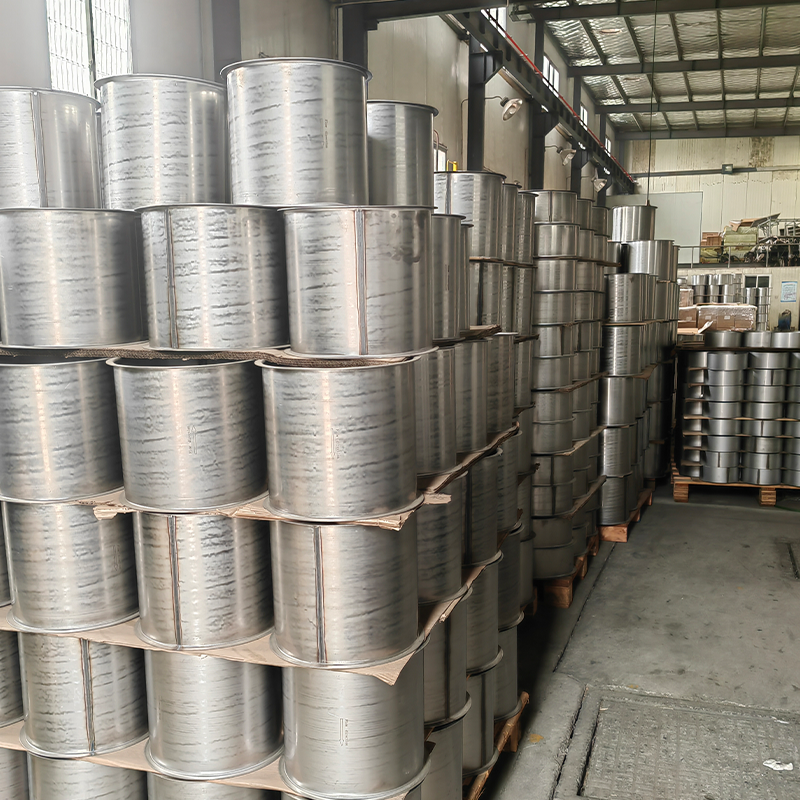
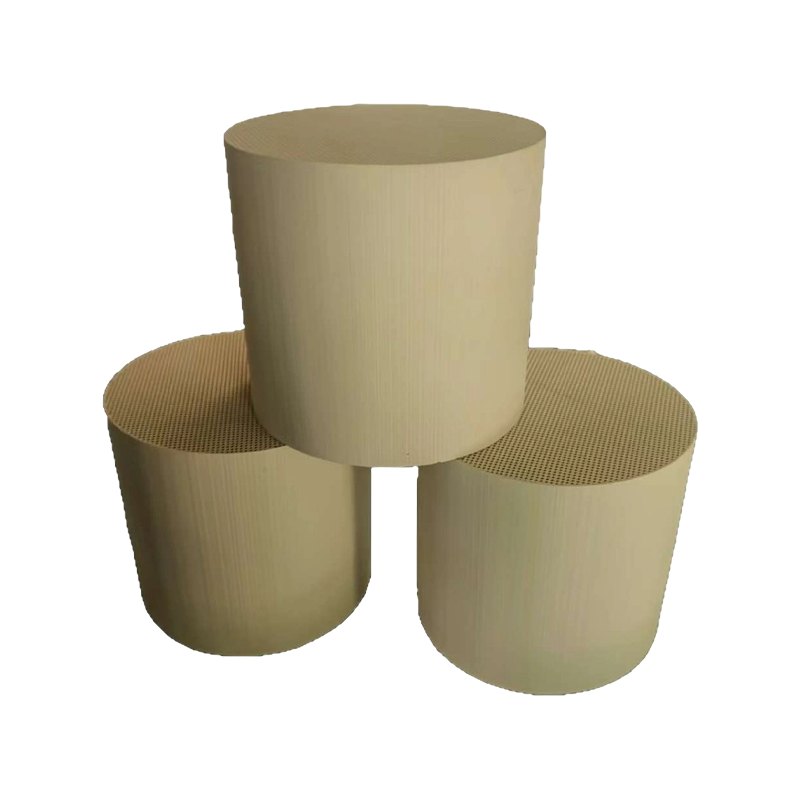
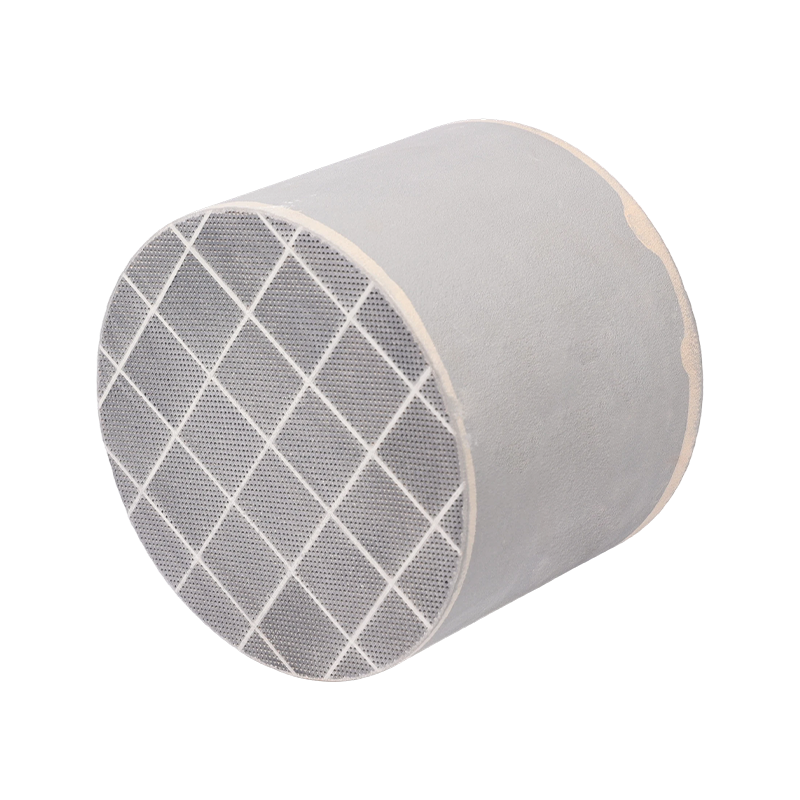
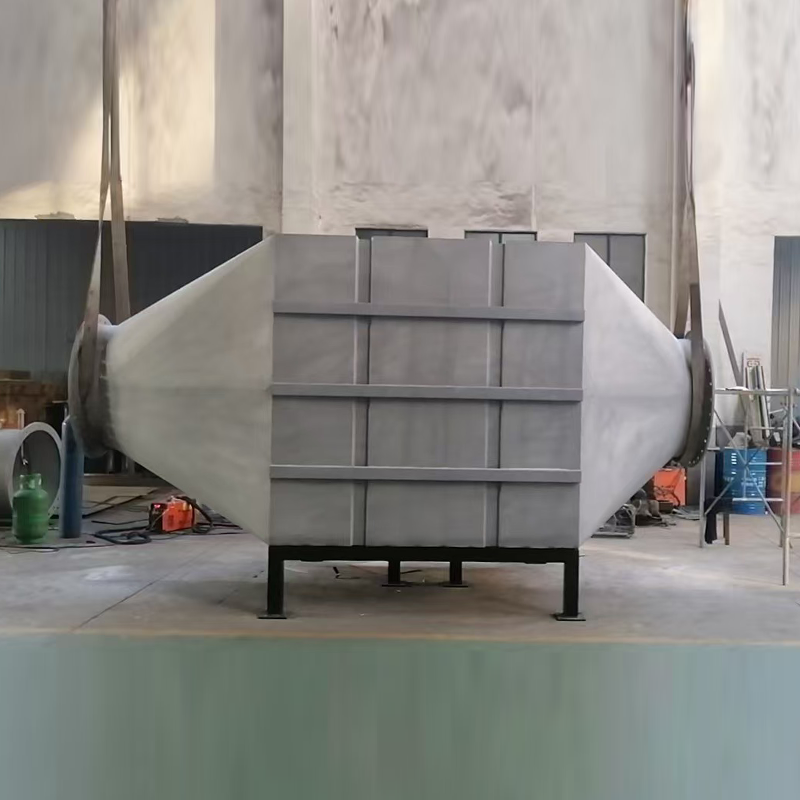
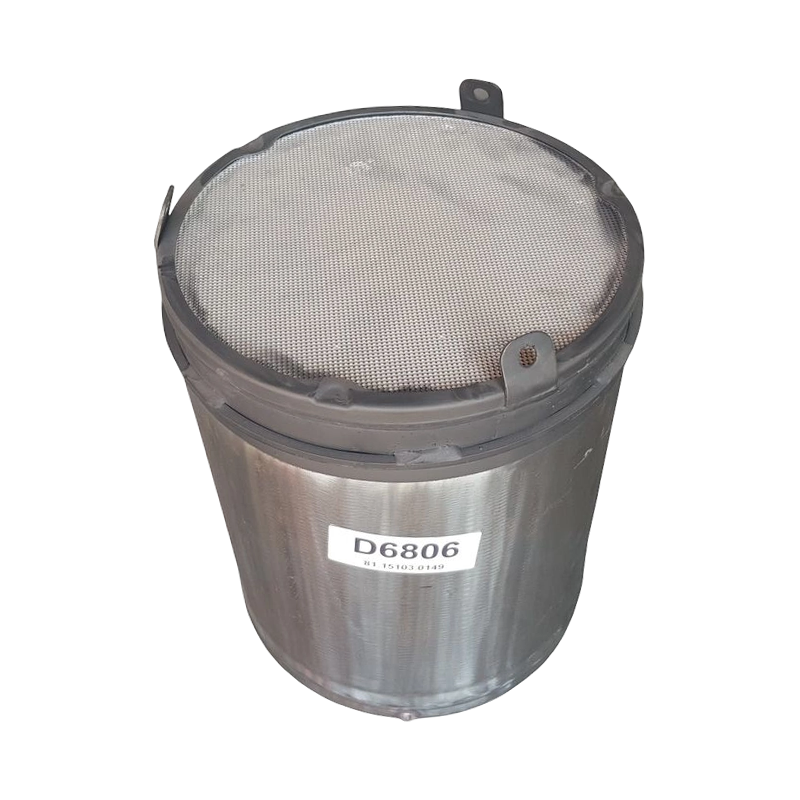
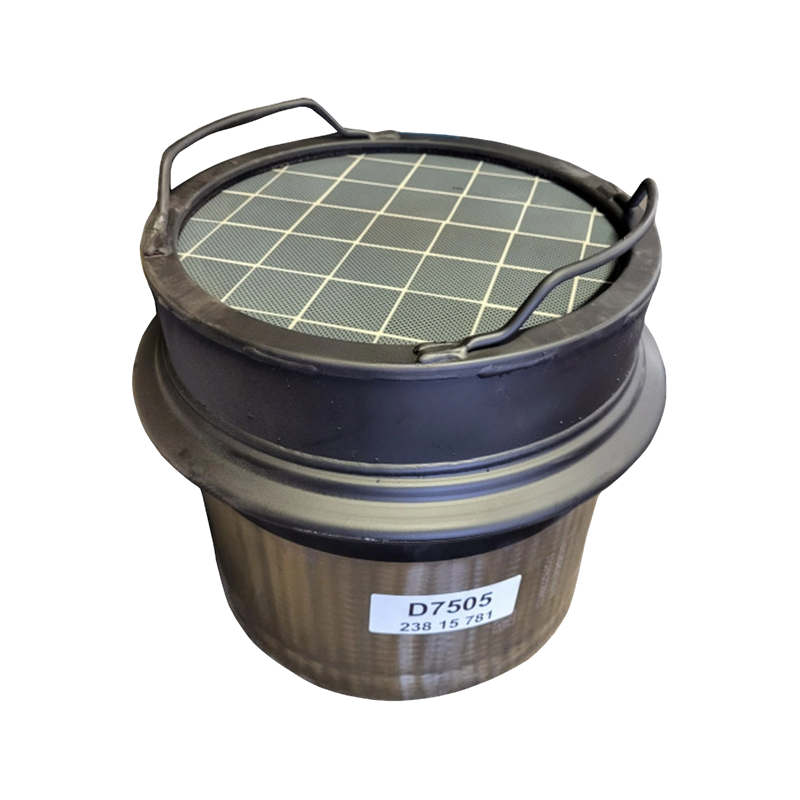
Founded in July 2011,As China Gasoline Particulate Filter (GPF) Catalyst Element Suppliers and Wholesale Gasoline Particulate Filter (GPF) Catalyst Element Factory,
Longyou Shuochun New Material Technology Co., Ltd. is a high-tech enterprise specializing in the coating and sales of three-way catalytic converters. It is deeply engaged in the field of new materials.
The company always keeps an eye on the industry frontier, actively learns from and draws on the advanced formulas and mature technologies of domestic and foreign counterparts. Through in-depth research and localization of mainstream formulas, it accurately adjusts the proportion of raw materials such as rare earths, precious metals and non-precious metals, so as to ensure that the coated carriers produced have stable catalytic activity and reliable performance.
The company's products cover a variety of specifications and models, and its products and technologies are applicable to automobiles, motorcycles, general-purpose engines, construction machinery, marine power, generator sets, agricultural machinery and other fields.
Its core capabilities include:
● Catalyst coating and substrate solutions
● TWC / DOC / SCR / DPF / GPF product range
● Welded exhaust components
● Application-oriented customization
● Technical support for automotive, non-road and industrial power applications
In the future, the company will continue to learn advanced industry experience, optimize production and services, and contribute to the realization of carbon peaking and carbon neutrality goals in China and around the world.
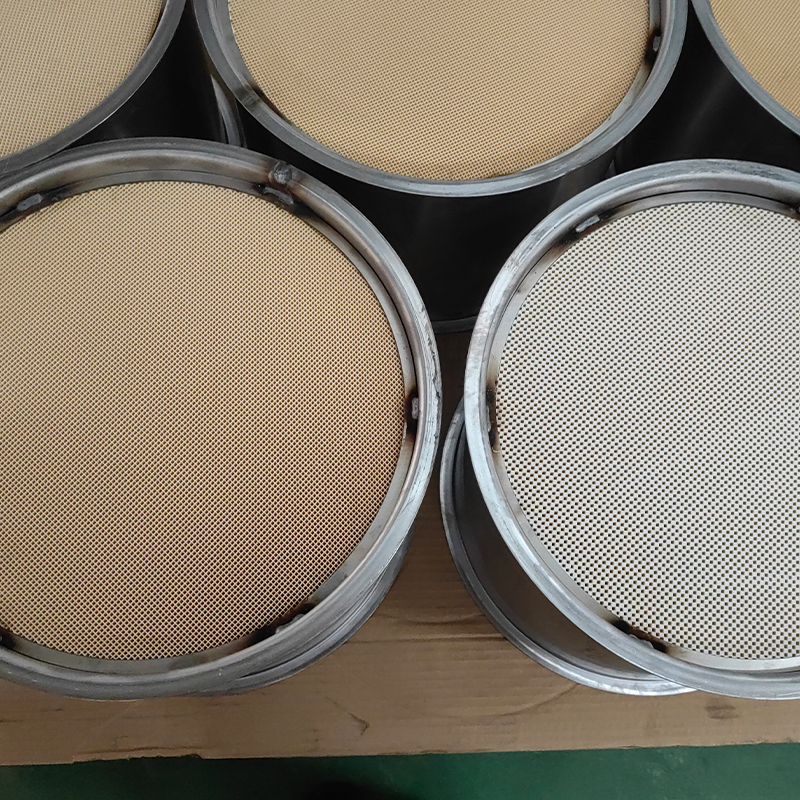
Gasoline Particulate Filter (GPF) welded assemblies are precision modules that integrate filtration, sensing, mechanical connection, and thermal management.Through meticulous welding processes, substrate packaging techniques, and anti-crystallization design, they ensure that the GPF can operate reliably over the long term in harsh exhaust environments. The GPF is a critical component for meeting the stringent emission regulations of modern gasoline vehicles, especially those equipped with Gasoline Direct Injection (GDI) engines. For vehicle owners, understanding its basic working principle and maintenance considerations helps to use and maintain the vehicle more effectively.
1.Key Manufacturing Processes of GPF Welded Assemblies
The manufacturing and quality control of GPF welded assemblies form the foundation of their reliability and mainly involve the following aspects:
Welding Methods and Processes:Each part of the GPF welded assembly must be firmly connected. For example, the pressure-differential sensor sampling tube is welded onto the designated port of the front cone. Such welding operations typically employ techniques such as robotic gas-shielded welding to ensure uniform, strong, and well-sealed welds capable of withstanding high temperatures, vibration, and corrosion.
Substrate Encapsulation Technology:Securely mounting the fragile ceramic substrate inside the metal housing is a key manufacturing step. This is commonly achieved by wrapping and fixing it with ceramic fiber matting, which provides damping, thermal insulation, and sealing to prevent substrate cracking due to vibration, impact, or thermal expansion.
Anti-Crystallization and Thermal Management Design:Considering that GPFs require regeneration within a specific temperature range, the welded assembly design must incorporate insulation and thermal management. Heat shields are often installed on the housing to reduce heat loss, helping the GPF reach operating temperature quickly during cold starts or low-load conditions. Meanwhile, optimized design—often supported by computational fluid dynamics—helps avoid low-temperature zones to prevent condensation-induced blockage from moisture or, though uncommon in gasoline applications, urea-related crystallization principles remain relevant.
2.Maintenance and Usage Considerations for GPFs
As a physical filtration device, a GPF requires periodic regeneration to remove the particulate matter it captures.
Regeneration Mechanisms:GPF regeneration can be categorized into passive regeneration and active regeneration.
Passive Regeneration: During regular driving—especially steady-speed highway driving—exhaust temperatures remain high. The captured particulate matter reacts with oxygen and is naturally oxidized and removed.
Active Regeneration: When a vehicle is frequently driven under short-distance, low-speed conditions and passive regeneration cannot adequately clear particulate buildup, the ECU will intervene by adjusting ignition timing and other parameters to increase exhaust temperature, thereby burning off accumulated particulates.
Maintenance Recommendations:
Monitor Warning Lights: Vehicles equipped with a GPF feature a particulate filter warning indicator. If the warning light turns on, it is recommended to drive at a steady higher speed (e.g., above 80 km/h) on a highway until the light goes off. If the warning light flashes, this indicates severe GPF blockage, and professional inspection or service is required urgently.
Adopt Good Driving Habits: Minimizing extended idling and avoiding prolonged low-speed short trips helps reduce the risk of GPF blockage and supports effective passive regeneration.
Ash Accumulation: Non-combustible ash formed from additives in engine oil accumulates permanently in the GPF. Once ash loading reaches its limit, professional cleaning or replacement of the GPF may be required.