

 English
 русский
 Español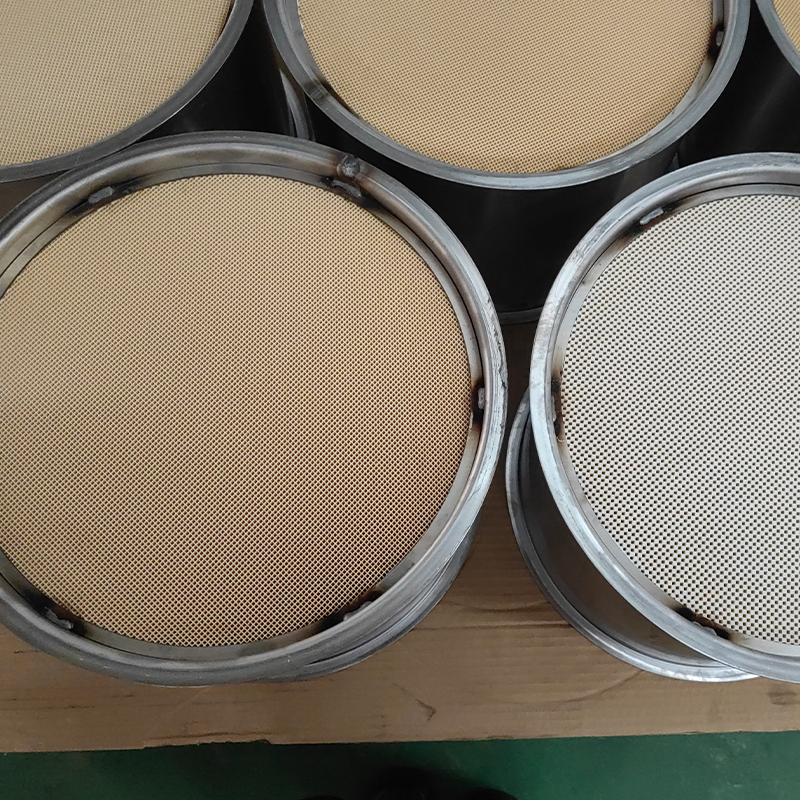
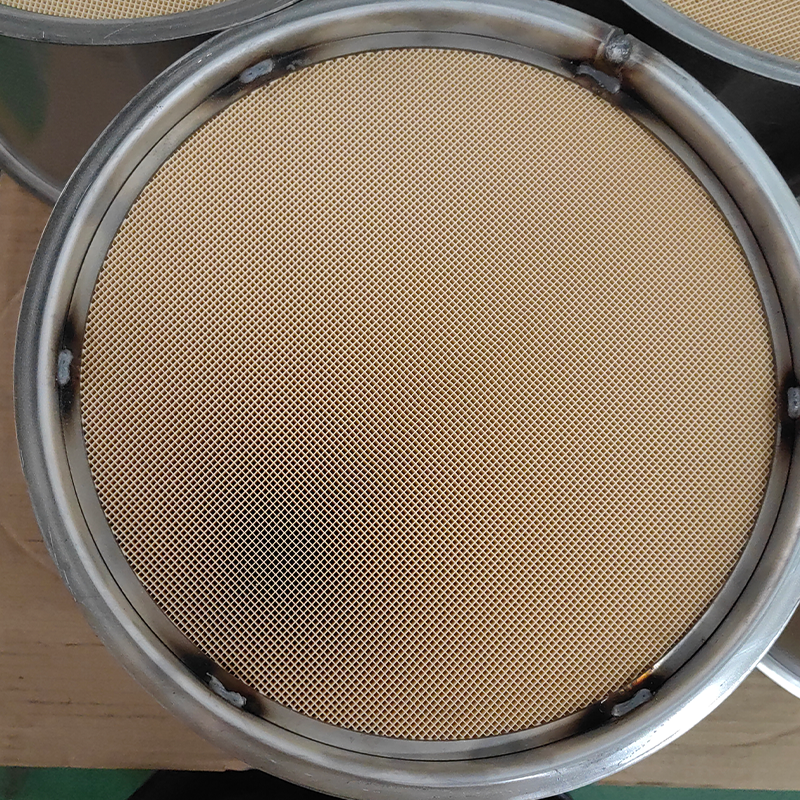
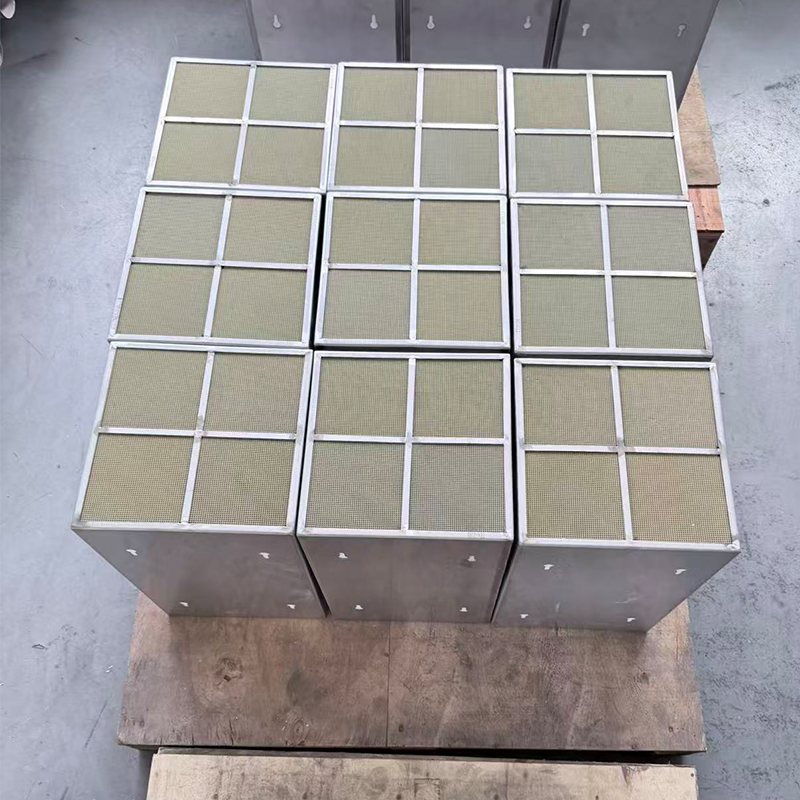
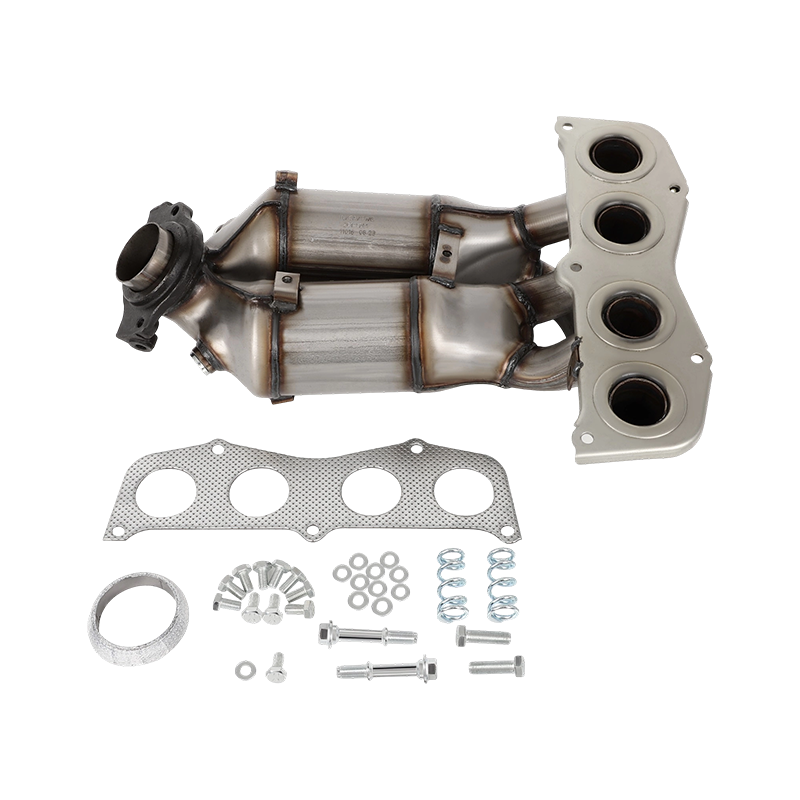
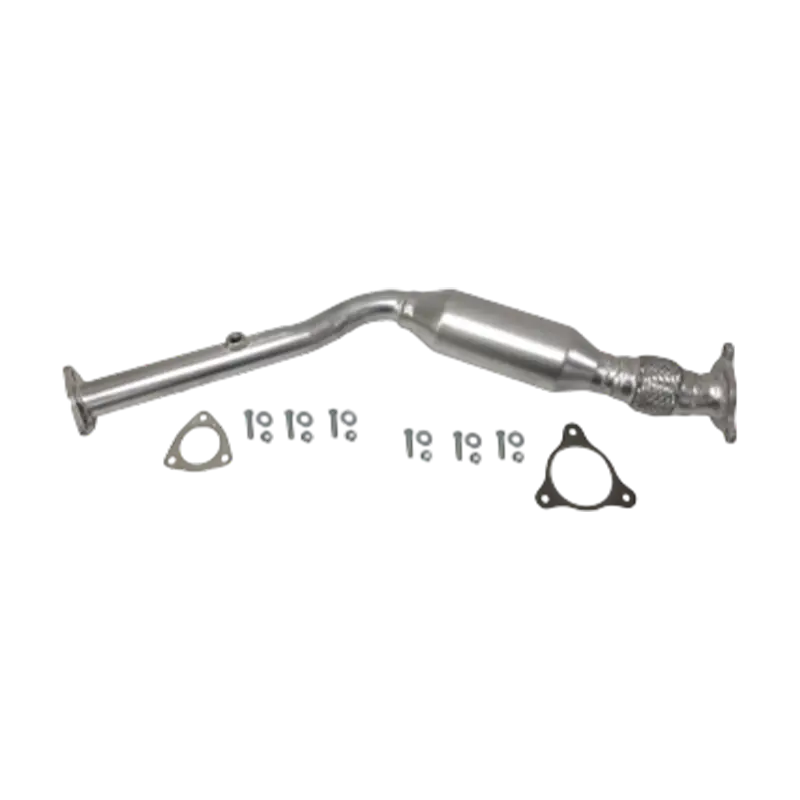
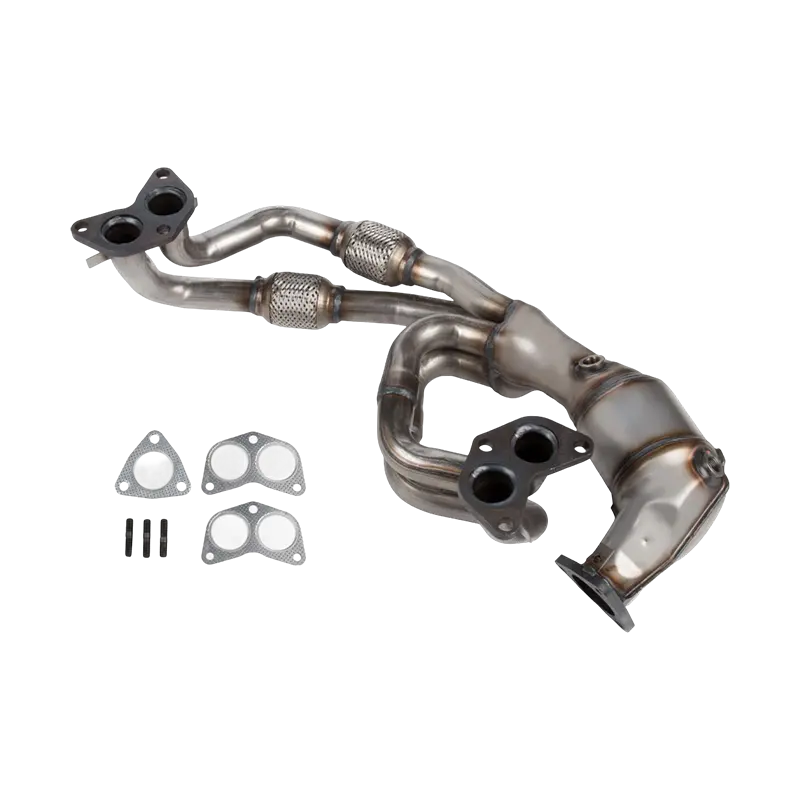
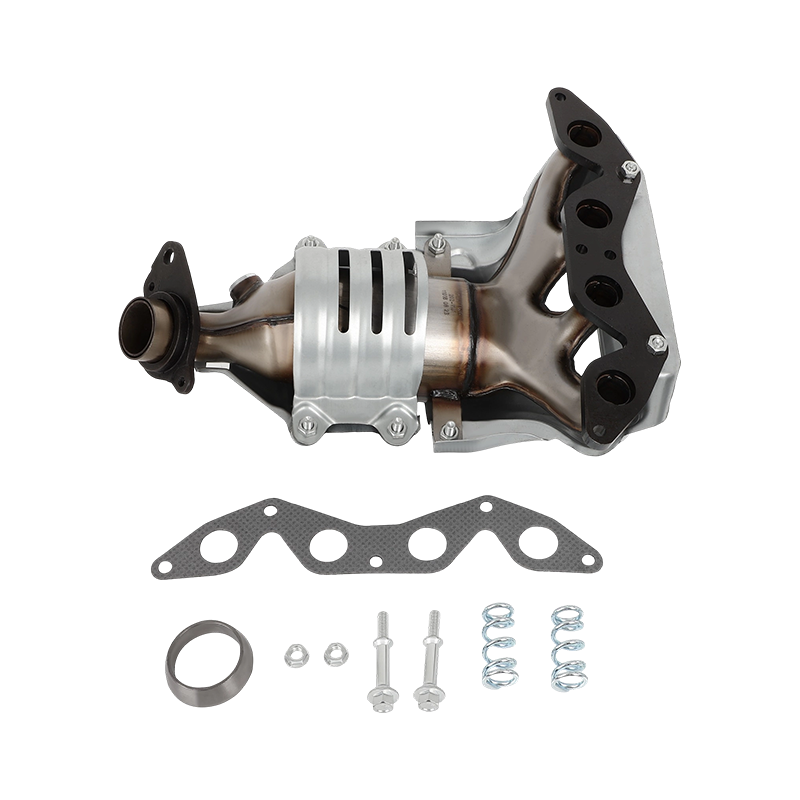
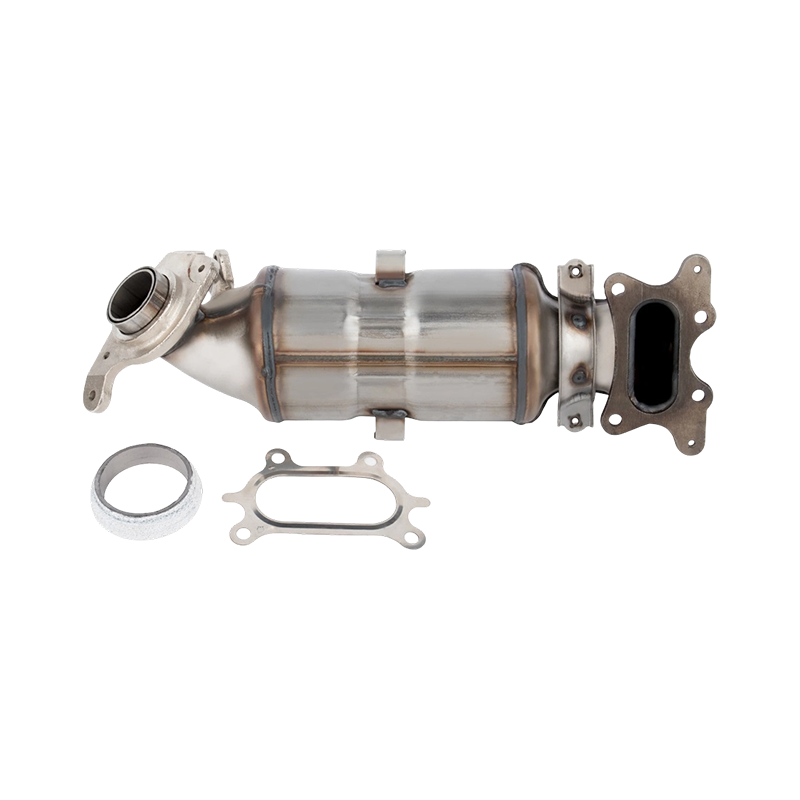
Founded in July 2011,As China Three-Way Catalyst (TWC) Welded Piece Suppliers and Wholesale Three-Way Catalyst (TWC) Welded Piece Factory,
Longyou Shuochun New Material Technology Co., Ltd. is a high-tech enterprise specializing in the coating and sales of three-way catalytic converters. It is deeply engaged in the field of new materials.
The company always keeps an eye on the industry frontier, actively learns from and draws on the advanced formulas and mature technologies of domestic and foreign counterparts. Through in-depth research and localization of mainstream formulas, it accurately adjusts the proportion of raw materials such as rare earths, precious metals and non-precious metals, so as to ensure that the coated carriers produced have stable catalytic activity and reliable performance.
The company's products cover a variety of specifications and models, and its products and technologies are applicable to automobiles, motorcycles, general-purpose engines, construction machinery, marine power, generator sets, agricultural machinery and other fields.
Its core capabilities include:
● Catalyst coating and substrate solutions
● TWC / DOC / SCR / DPF / GPF product range
● Welded exhaust components
● Application-oriented customization
● Technical support for automotive, non-road and industrial power applications
In the future, the company will continue to learn advanced industry experience, optimize production and services, and contribute to the realization of carbon peaking and carbon neutrality goals in China and around the world.
The Three-Way Catalyst (TWC) welded assembly is one of the core components in an automotive exhaust system, and its manufacturing process and quality directly affect the vehicle’s emission performance, safety, and service life.
1.What Is a TWC Welded Assembly?
A TWC welded assembly is not a single component but an integrated module composed of multiple metal parts joined together through welding processes. Its core purpose is to provide a stable and efficient housing and installation environment for the precious metal catalysts (platinum, palladium, rhodium).
A typical TWC welded assembly usually consists of the following elements:
(1)Catalyst shell: Typically a double-layer structure in which the inner layer holds the catalyst substrate, while the outer layer functions as a heat shield, providing insulation and protection.
(2)Catalyst substrate: Usually a honeycomb ceramic or metallic carrier coated with catalytic material.
(3)Mat: An intumescent mat placed between the substrate and the shell to provide fixation, damping, and sealing, preventing substrate damage and exhaust leakage.
(4)Inlet/outlet pipes: Pipes that connect the engine exhaust manifold to the muffler.
(5)Oxygen sensor bosses: Bases used for installing upstream and downstream oxygen sensors.
(6)Hangers/brackets: Components used to secure the entire catalytic converter assembly to the vehicle chassis.
These components are welded together to form a complete TWC welded assembly.
2.Main Welding Processes
Due to the specific materials used in TWC assemblies (mostly stainless steels) and their stringent requirements, the commonly used welding processes include:
(1)Gas-shielded welding
MIG/MAG welding: The most widely used welding method featuring high efficiency and strong adaptability. Pulsed MIG is often applied to obtain cleaner, low-spatter welds. It is suitable for shell longitudinal seams, circumferential seams, and bracket welding.
TIG welding: Provides high weld quality and good appearance but is less efficient. It is typically used for thin-sheet butt joints and oxygen sensor bosses where sealing and appearance requirements are high.
(2)Laser welding
Advantages: Low heat input, minimal deformation, fast welding speed, high depth-to-width ratio, and high automation capability.
Application: Increasingly used for TWC shell longitudinal seam welding, serving as an alternative to traditional MIG processes to achieve higher productivity and weld quality.
(3)Plasma welding
Similar to laser welding, it is a high–energy-density welding method and can be used as an alternative solution in certain applications.
(4)Resistance spot welding
Mainly used for non-sealed attachments such as brackets and hangers.
3.Technical Challenges and Core Requirements
(1)Air-tightness: The most fundamental and critical requirement. Any small leak may result in:
Excess emissions: Untreated exhaust gases escaping directly into the atmosphere.
Incorrect oxygen sensor signals: Affecting air–fuel ratio control, causing increased fuel consumption and reduced engine performance.
Noise: Producing a noticeable “hissing” leak sound.
(2)Thermal deformation control: Welding heat can cause deformation of thin-wall shells. Excessive deformation may affect installation fit or lead to uneven mat pressure, damaging the ceramic substrate. Proper fixtures, welding sequence, and process parameters are needed to control distortion.
(3)Weld high-temperature resistance and corrosion resistance:
TWC operating temperatures can reach up to 1000°C, requiring welds to withstand long-term thermal fatigue and oxidation.
Exhaust gases contain corrosive elements such as sulfur and chlorine, so welds must match the corrosion resistance of the base metal.
(4)Avoiding thermal shock to the substrate:
Ceramic substrates are highly sensitive to sudden temperature changes. Excessive or concentrated heat input during welding may cause microcracks or breakage. Strict control of heat input and cooling rate is required.
(5)Material compatibility:
TWC components commonly use special stainless steels (such as 409L, 439, 441). Filler materials must match base metal properties to ensure weld mechanical strength and corrosion resistance.
4.Quality Control and Inspection
To ensure the reliability of TWC welded assemblies, strict inspections are conducted during production:
(1)In-line visual inspection: Automated camera systems check weld appearance for undercut, spatter, concavity, and other defects.
(2)Air-tightness testing:
Helium mass spectrometry: Provides high-precision leak detection and is typically used for laboratory testing or sampling.
Pressure decay method: More commonly used on production lines by pressurizing the assembly and monitoring pressure changes to determine leakage.
(3)Dimensional inspection: Performed with gauges or CMMs to ensure key installation dimensions comply with design specifications.
(4)Non-destructive testing:
X-ray inspection: Used to detect internal weld defects such as porosity, slag inclusion, or incomplete penetration.
(5)Destructive testing:
Metallographic analysis: Cutting and examining weld microstructure to assess weld quality.
Mechanical testing: Evaluating weld strength, toughness, and related mechanical properties.
5. Development Trends
(1)Automation and intelligence: Extensive use of welding robots and automated lines improves efficiency and consistency. Integration of machine vision and sensors enables real-time monitoring and adaptive welding control.
(2)Lightweight and compact design: Adoption of thinner high-performance stainless steels and optimized structural designs to reduce weight and save space.
(3)New welding technologies: Increasing application of laser welding and laser–arc hybrid welding for higher efficiency and quality.
(4)Modular design: Integrating TWC with GPFs, mufflers, and other components into a single welded unit, forming more complex exhaust aftertreatment modules.