


 English
 русский
 Español
High Precious Metal Content Metallic Tube
A high precious metal content metallic tube is a high-performance carrier structure that integrates both catalytic and structural functions. Its inner...
Application Areas
High-performance special ceramics are widely used in the following fields:
Machinery: Used to manufacture wear-resistant mechanical parts, such as ceramic bearings and cutting tools.
Electronics: Used as electronic ceramics to manufacture capacitors, sensors, piezoelectric elements, etc.
Energy: Used to manufacture high-temperature electrode materials, heat sinks, etc., improving energy efficiency.
Medical: Bioceramics such as alumina and phosphogypsum are used as artificial teeth, artificial bones, artificial joints, etc.
Laser and Nuclear Reaction: Used as laser materials and structural materials in nuclear reactors.
Aerospace: Used to manufacture high-temperature insulation materials and spacecraft components.
Forming Processes
The forming processes for high-performance special ceramics are diverse, mainly including two categories: dry forming and wet forming:
Dry Forming:
Dry Pressing: Organic additives are added to ceramic powder, and the mixture is formed under external pressure. It is easily automated, but uneven pressure distribution may lead to delamination and cracking of the green body.
Isostatic Pressing: Powder is compressed and formed simultaneously by applying isotropic pressure. It can press complex-shaped parts, but the size and shape of the pressed blank are difficult to control precisely.
Ultra-high pressure forming: Mostly used for forming nano-ceramics, it lowers the sintering temperature by increasing the forming pressure.
Powder electromagnetic forming: Utilizes strong pulsed electromagnetic force to densify powder, achieving very high density.
Wet forming:
Plastic forming: Pressing pre-plasticized materials into a rigid mold, including extrusion molding, injection molding, and roll forming.
Colloidal casting: A forming method that shapes a fluid slurry into a self-supporting shape, including slip casting, casting, and tape casting.
Development Trends
With continuous technological advancements, the development trends of high-performance special ceramics are mainly reflected in the following aspects:
Upgrading of raw materials and production equipment: Driving technological development in the special ceramics industry and improving product performance and quality.
Expanding application areas: Widely used in industrial and civilian fields such as lithium batteries, semiconductors, photovoltaics, energy conservation and environmental protection, metallurgy, and thermoelectric power, as well as in protective equipment.
Enhanced international competitiveness: China's special ceramics technology research covers a wide range of fields, and some theoretical research has approached the international mainstream level. Some products have gradually joined the international market competition, and their performance indicators have reached the international advanced level.
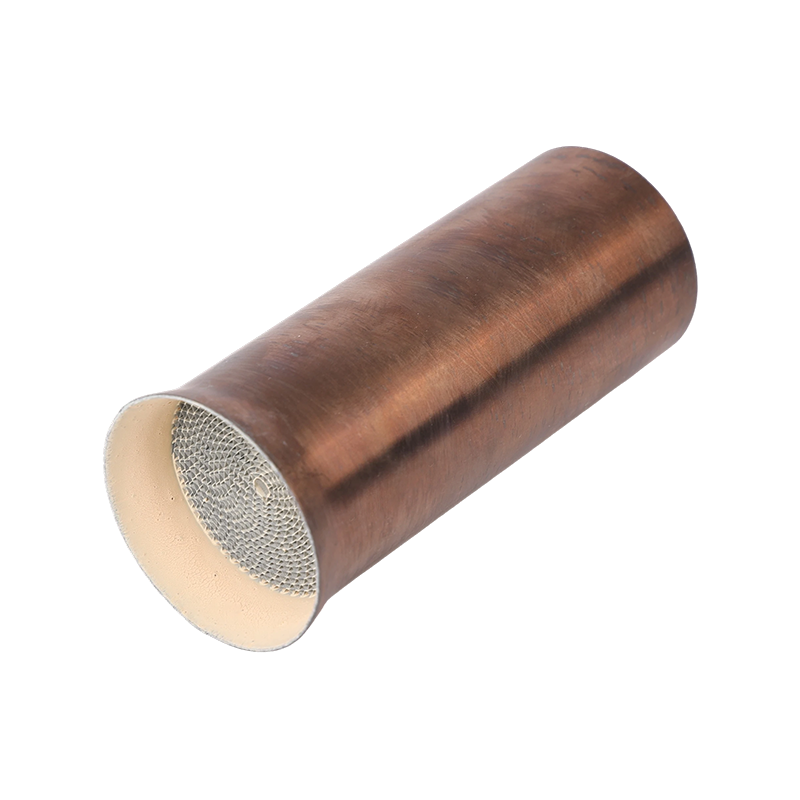
A high precious metal content metallic tube is a high-performance carrier structure that integrates both catalytic and structural functions. Its inner...
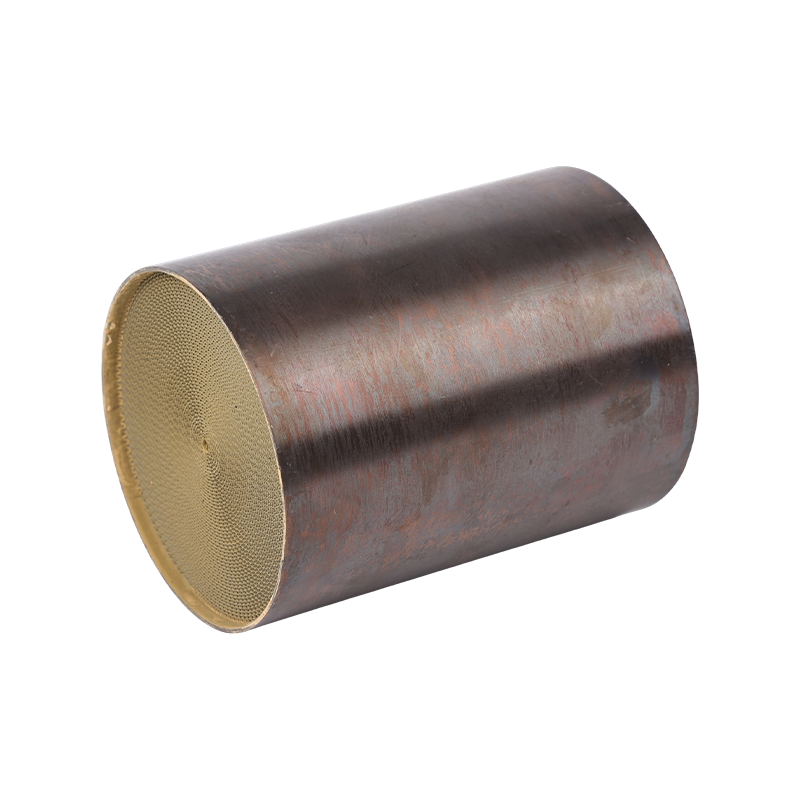
The high precious metal content metallic substrate – Euro 6 standard is an efficient honeycomb-type catalytic carrier designed to meet the stringent r...
High-performance special ceramics are a class of high-performance ceramic materials made from high-p......
READ MOREA Diesel Oxidation Catalyst (DOC) is an emissions control device installed in the exhaust system of......
READ MOREA three-way catalytic converter cleans exhaust gas by running three chemical reactions at once insi......
READ MOREEmission control catalysts are the primary technological mechanism used to eliminate toxic environ......
READ MOREThe short answer first: a diesel oxidation catalyst, usually shortened to DOC, is the first functio......
READ MOREA DPF anti-corrosion filter is built with coated or treated materials to resist rust and chemical ......
READ MORE