

 English
 русский
 Español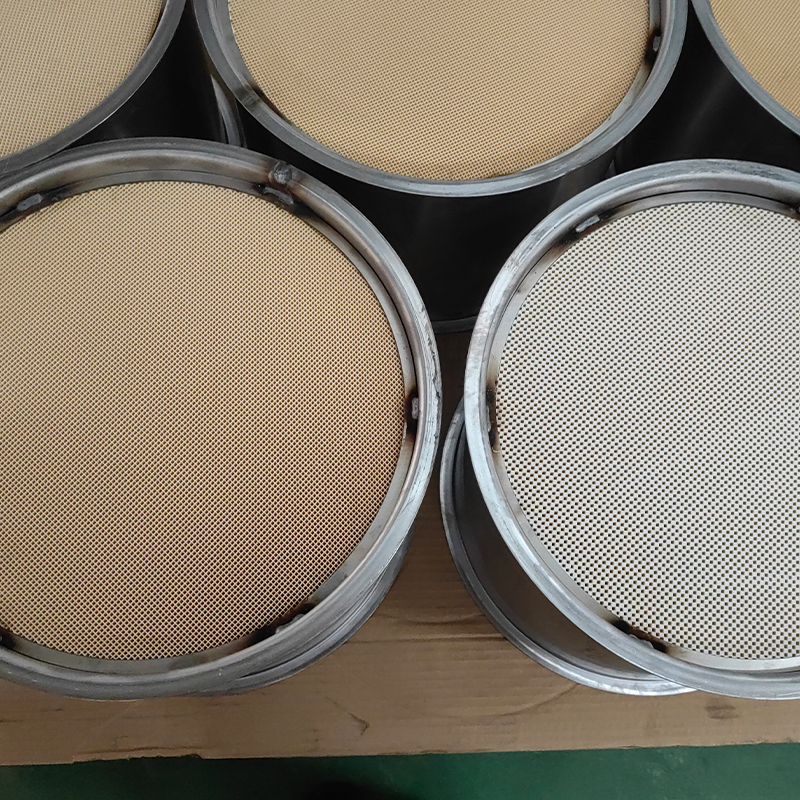
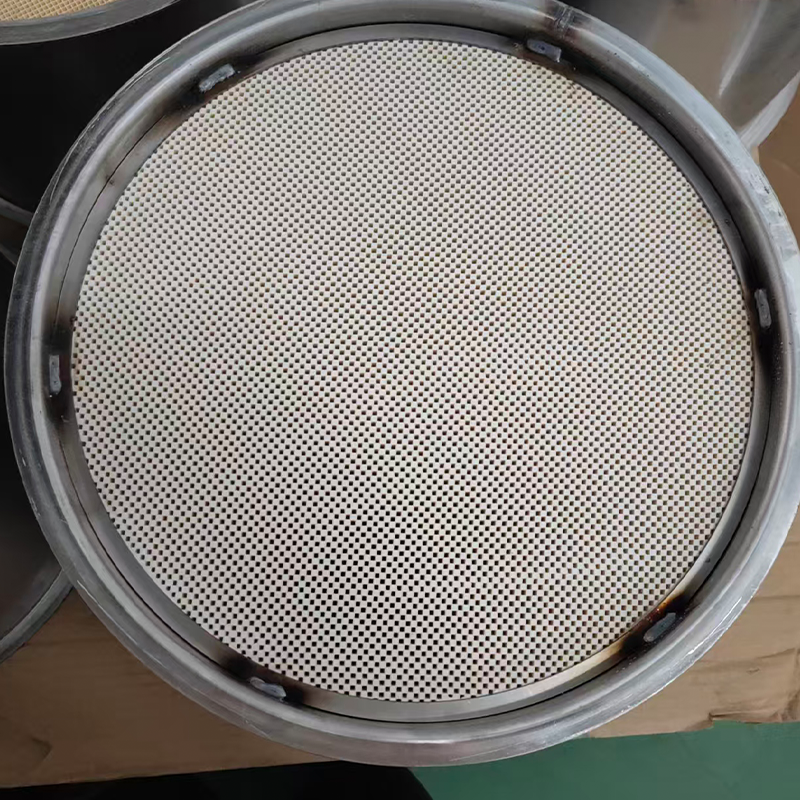
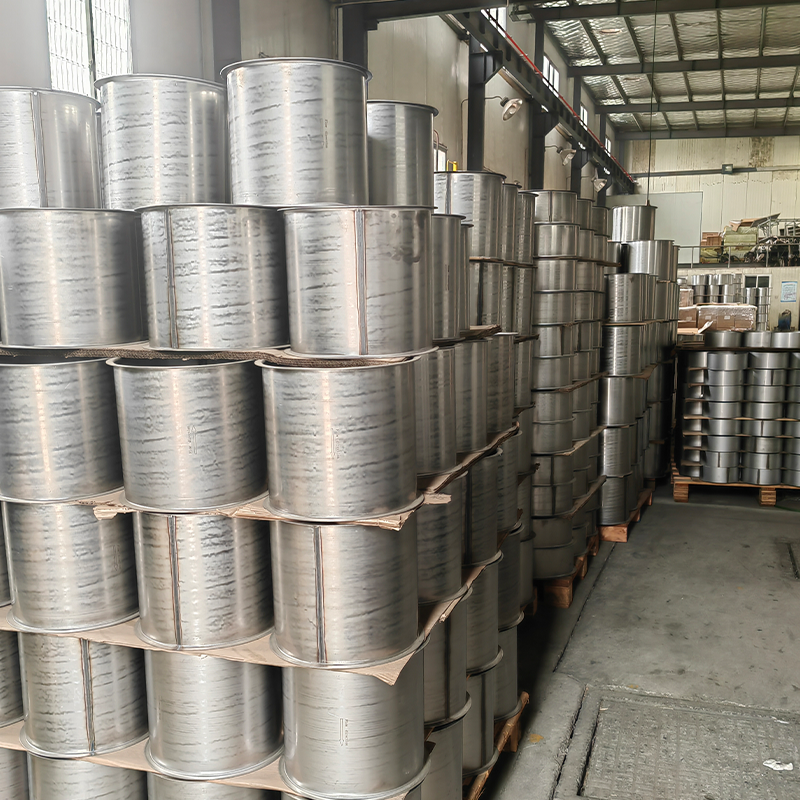
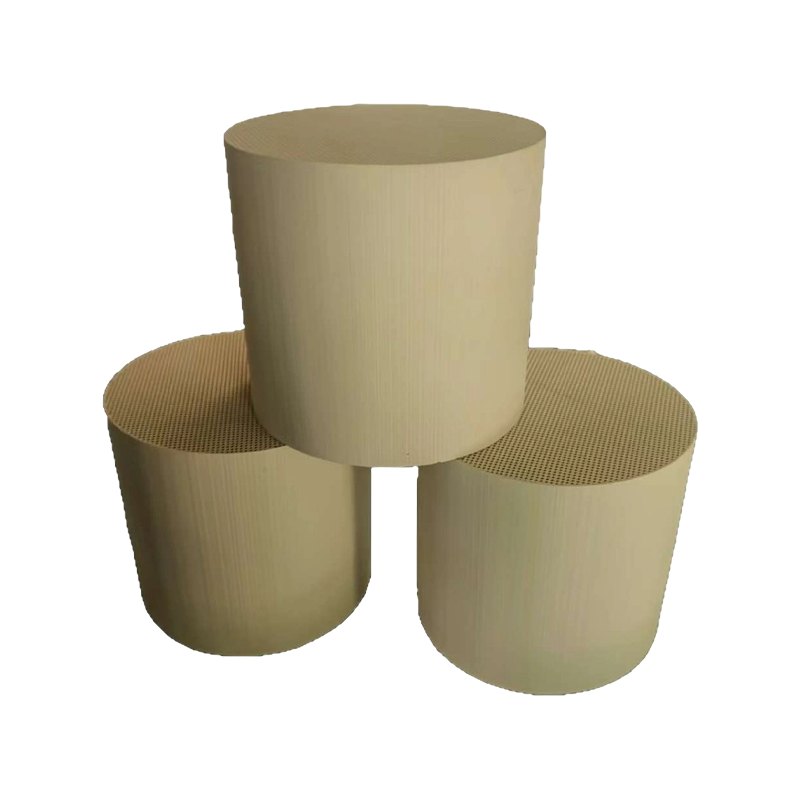
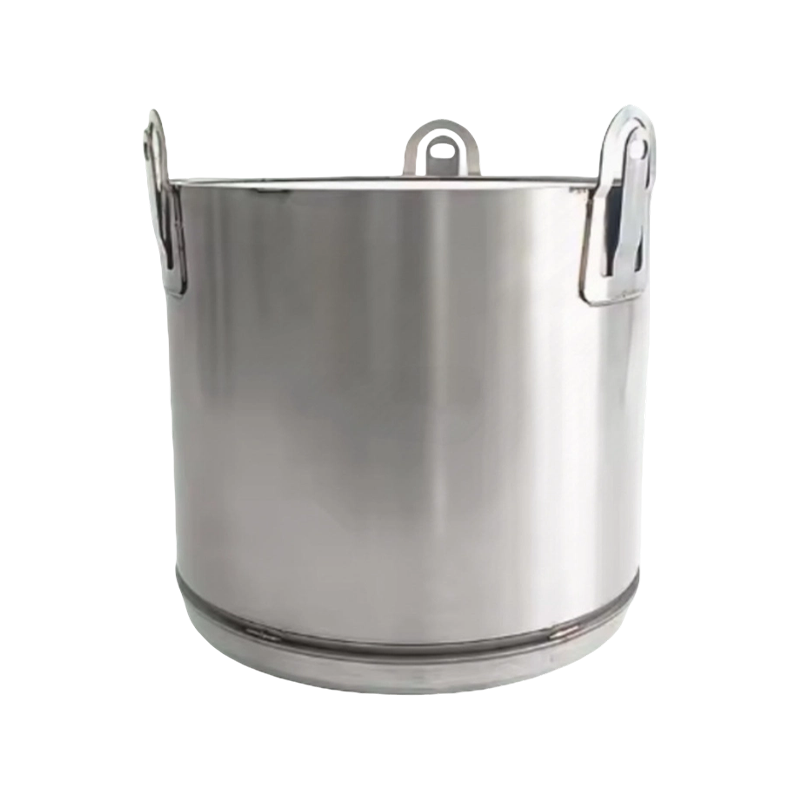
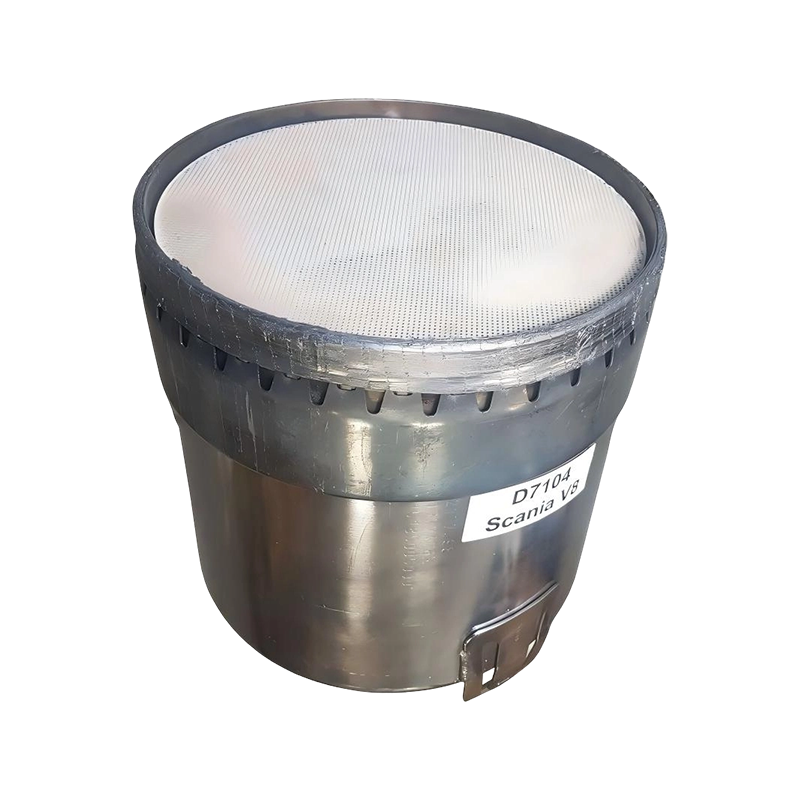
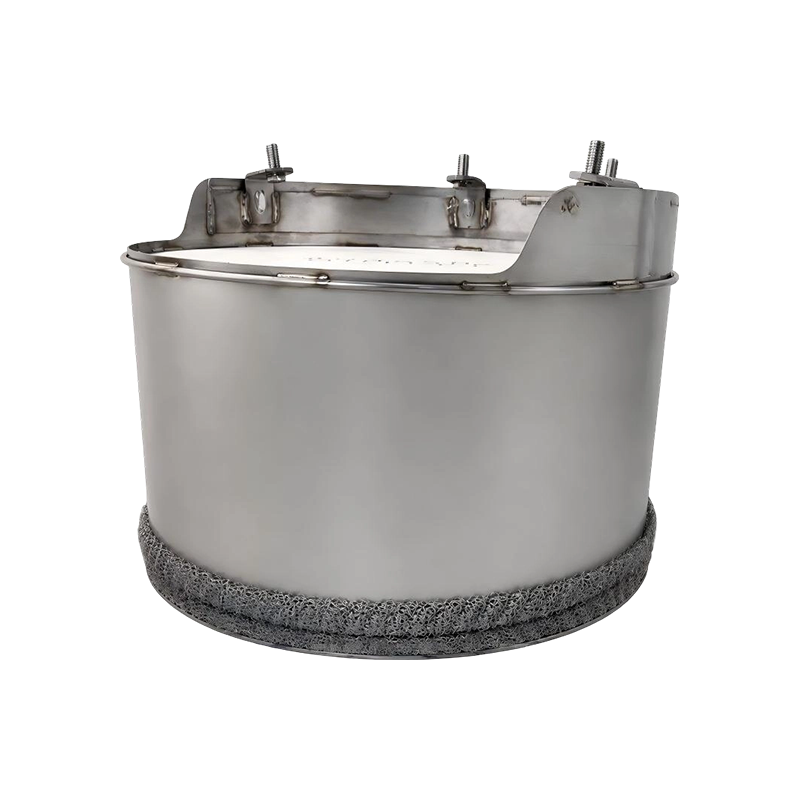
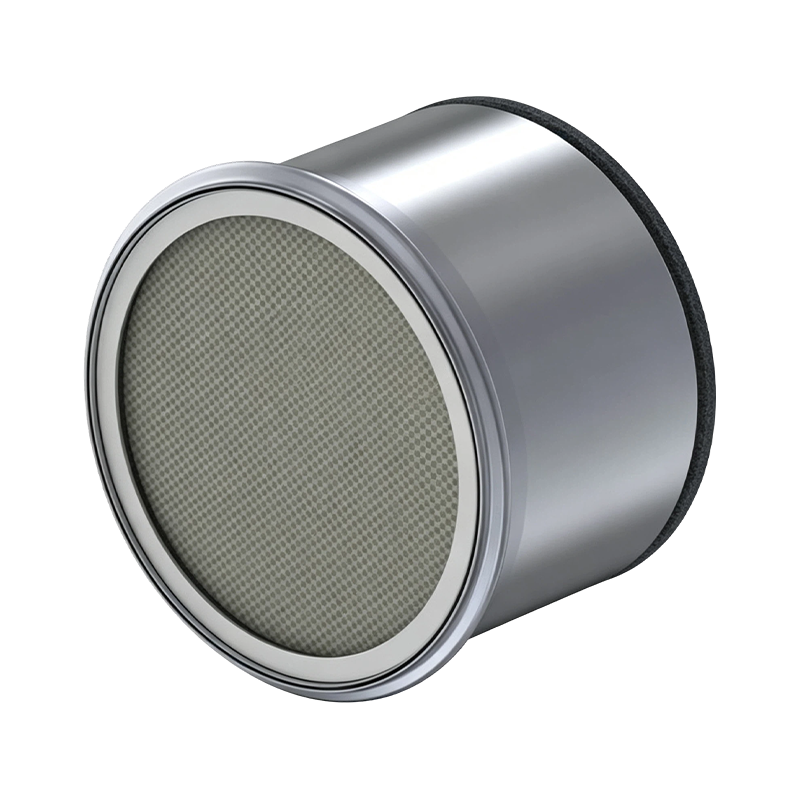
Founded in July 2011,As China Diesel Particulate Filter (DPF) Catalyst Element Suppliers and Wholesale Diesel Particulate Filter (DPF) Catalyst Element Factory,
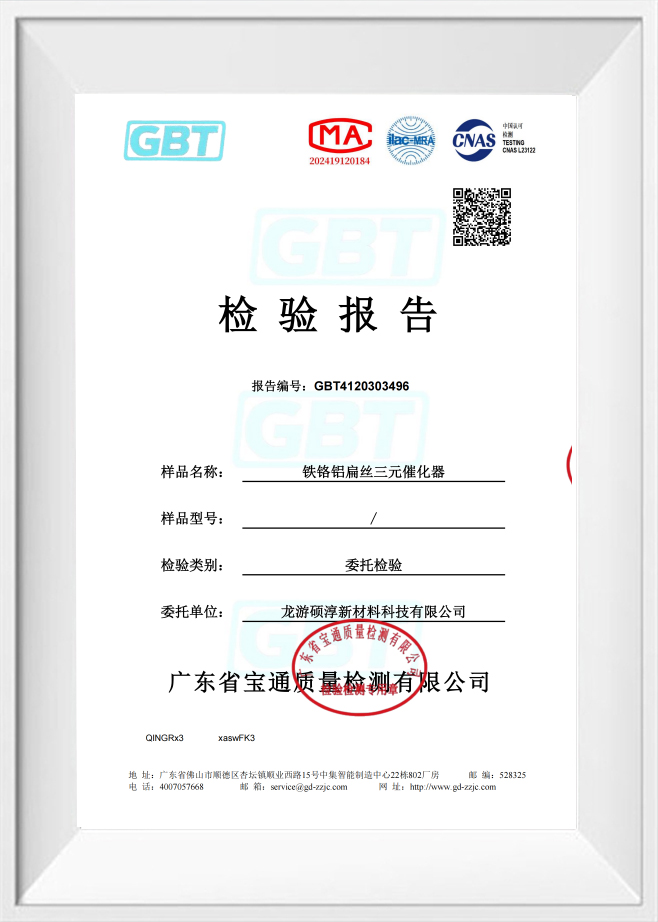
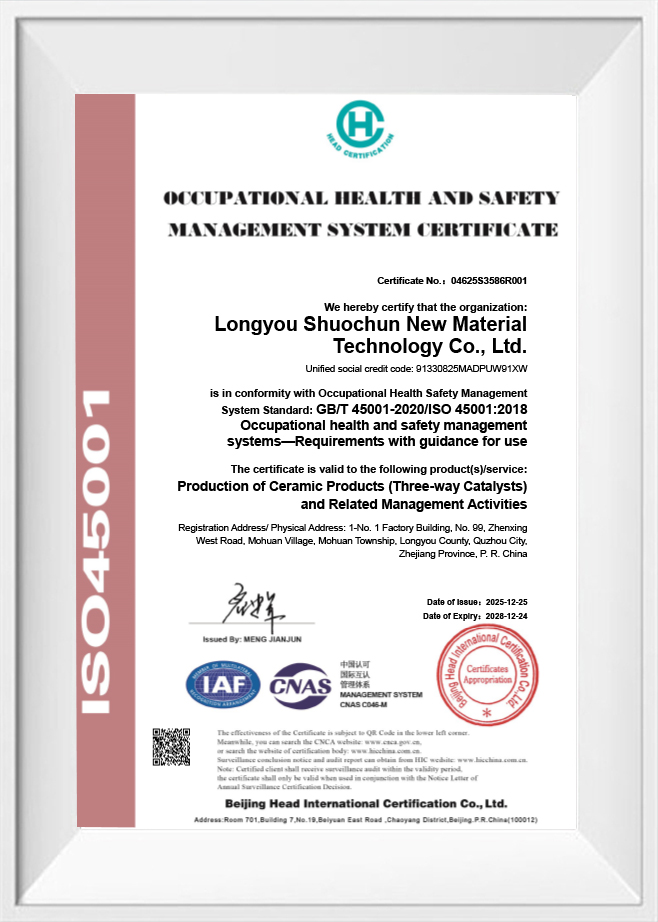
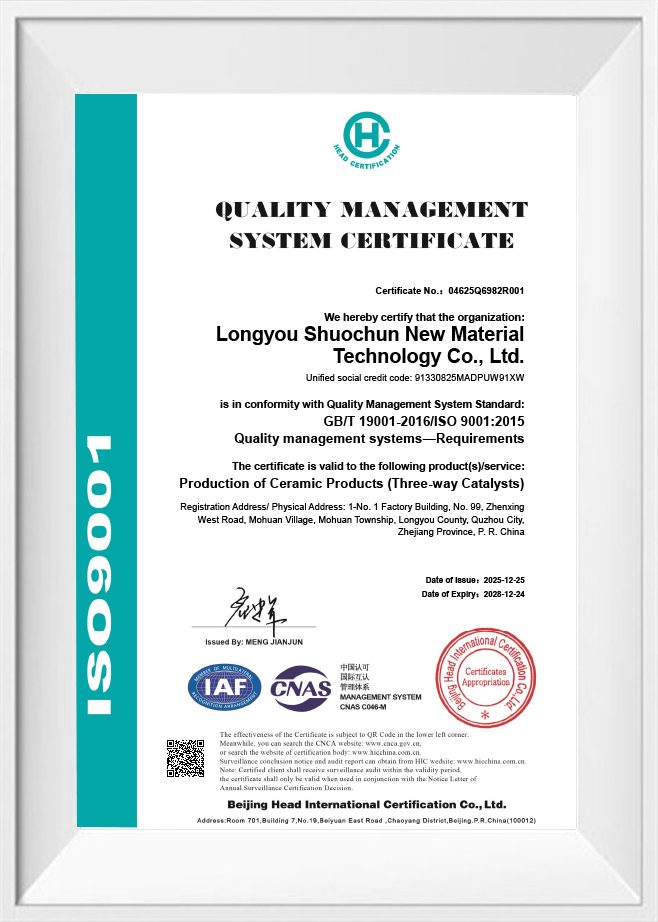
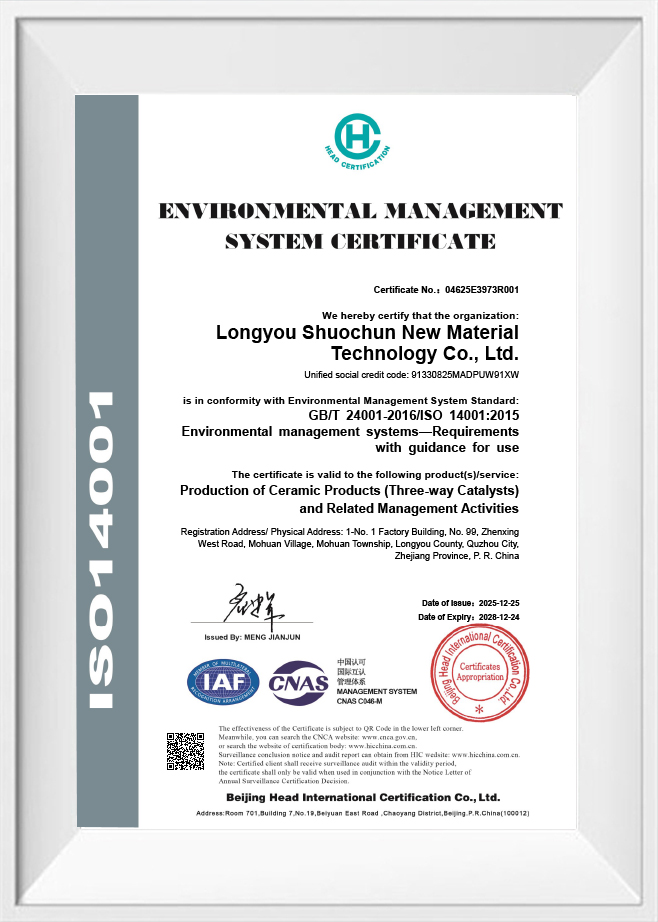
Longyou Shuochun New Material Technology Co., Ltd. is a high-tech enterprise specializing in the coating and sales of three-way catalytic converters. It is deeply engaged in the field of new materials.
The company always keeps an eye on the industry frontier, actively learns from and draws on the advanced formulas and mature technologies of domestic and foreign counterparts. Through in-depth research and localization of mainstream formulas, it accurately adjusts the proportion of raw materials such as rare earths, precious metals and non-precious metals, so as to ensure that the coated carriers produced have stable catalytic activity and reliable performance.
The company's products cover a variety of specifications and models, and its products and technologies are applicable to automobiles, motorcycles, general-purpose engines, construction machinery, marine power, generator sets, agricultural machinery and other fields.
Its core capabilities include:
● Catalyst coating and substrate solutions
● TWC / DOC / SCR / DPF / GPF product range
● Welded exhaust components
● Application-oriented customization
● Technical support for automotive, non-road and industrial power applications
In the future, the company will continue to learn advanced industry experience, optimize production and services, and contribute to the realization of carbon peaking and carbon neutrality goals in China and around the world.
Diesel Particulate Filter (DPF) welded assemblies are critical mechanical modules in the exhaust after-treatment system for achieving efficient particulate matter capture.Through precise welding processes, the DPF core filtration unit is integrated with inlet and outlet pipes, sensor interfaces, and other components into a robust, sealed, and modular device.
1. Welding Processes and Quality Control
The manufacturing and quality control of DPF welded assemblies form the foundation of their reliability:
Core Welding Processes:
Brazing: Commonly used in the manufacturing of metal filter substrates. This process operates at temperatures below the melting point of the base material, enabling smooth surfaces and gas-tight joints that help the filter resist deformation under high-temperature and high-pressure exhaust flow.
Robotic Automated Welding: Applied to components such as housings, end caps, and insulation shells. Compared with manual welding, it significantly improves efficiency and consistency. For example, using specialized clamping fixtures in combination with robotic welding greatly increases production efficiency and product pass rates.
Quality Assurance: The welding process requires precision tooling and fixtures. For instance, patented fixtures from Yunnei Power provide accurate positioning and protection of the substrate during welding to prevent weld spatter damage. Weichai’s compact design reduces component count through lap welding, optimizing spatial layout.
2. Maintenance and Selection of DPF Welded Assemblies
Understanding the structure of DPF welded assemblies is beneficial for future use and maintenance:
Serviceability Design: Some DPF designs are made to be detachable, such as those connected with clamps, allowing the DPF substrate to be removed for cleaning (e.g., water washing) or replacement, which reduces maintenance cost and time.
Selection Considerations: Different designs and processes affect DPF performance. For example, the pleat depth of metal filter substrates influences adsorption capacity and backpressure; compact welded assemblies save installation space; and tapered designs and guide plates optimize internal flow distribution, improving particulate capture efficiency.