


 English
 русский
 Español
Diesel Particulate Filter (DPF) Catalyst Element
Diesel Particulate Filter (DPF) welded assemblies are critical mechanical modules in the exhaust after-treatment system for achieving efficient partic...
A diesel particulate filter is an essential emissions control device designed to capture and incinerate black smoke, soot, and particulate matter (PM) from diesel engine exhaust. By utilizing a porous ceramic honeycomb structure, a properly functioning unit captures over 95% of harmful airborne particulates before they escape into the atmosphere. To maintain this efficiency and prevent crippling engine backpressure, the filter must periodically undergo thermal regeneration to burn off accumulated carbon soot, turning it into harmless ash.
As emissions standards tighten globally, heavy-duty machinery, commercial logistics fleets, and passenger diesel vehicles rely completely on these complex chemical and physical traps. Neglecting the thermal cycles or chemical balances required to maintain a particulate trap does not simply harm the environment; it leads to severe engine restriction, decreased fuel economy, and eventual catalyst failure that can cost thousands of dollars to replace.
The interior of a standard diesel particulate substrate is vastly different from a traditional flow-through catalytic converter. Instead of allowing gas to pass straight through open channels, it forces the exhaust gas through an intricate, wall-flow monolith system.
The filter core typically consists of cordierite, silicon carbide, or ceramic metal fibers. The structure features parallel channels that are alternately plugged at opposite ends. As exhaust gas enters an open channel, it strikes a terminal plug and is forced to escape through the microscopic pores of the channel walls. While the gases easily seep through these porous walls, unburned carbon soot particles are trapped inside the cell walls.
Soot is an organic compound comprised of unburned hydrocarbons that can be eliminated through localized heat. Ash, on the other hand, consists of inorganic materials derived from trace engine oil metals, metallic anti-wear additives, and fuel contaminants. While soot is burned away during standard operation, ash cannot be incinerated and permanently accumulates in the back of the filter cells, eventually requiring mechanical cleaning.
Because the physical substrate has a finite capacity for storing soot, the engine control module (ECM) monitors the restriction level continuously using differential pressure sensors. When soot loading reaches a critical threshold—typically around 45% to 60% volume capacity—the system triggers a regeneration sequence to clear the blockage.
Maintaining an optimal exhaust environment requires tracking sensor variations. Understanding the variance between a clean filter and a heavily compromised unit prevents catastrophic structural cracks or melt-downs caused by localized runaway thermal events.
| Filter Status Condition | Differential Pressure at Idle | Differential Pressure at 2500 RPM | Typical Core Temp Range | Required Fleet Action Protocol |
|---|---|---|---|---|
| Clean / Newly Regenerated | 0.5 - 1.2 kPa | 3.0 - 5.0 kPa | 200°C - 300°C | Standard Operation Allowed |
| Normal Soot Accumulation | 1.5 - 2.5 kPa | 6.0 - 10.0 kPa | 250°C - 400°C | Monitor via ECM Systems |
| Regeneration Threshold Trigger | 3.0 - 4.5 kPa | 12.0 - 18.0 kPa | 600°C - 680°C (Active) | Execute Passive/Active Cycle |
| Critically Restricted Blockage | > 6.0 kPa | > 25.0 kPa | Risk of Thermal Runaway | Immediate Mechanical Service |
When differential pressure values consistently remain high despite consecutive active regeneration cycles, it indicates that the core is restricted by non-combustible ash rather than soot. Continuing to run the system in this state causes severe exhaust choking, reducing power output and leading to cracked turbocharger seals.
While emission control arrays are designed for longevity, poor engine maintenance can quickly ruin a new filter core. Avoiding these common failure points is essential to keep a commercial diesel fleet operating efficiently.
Modern diesel engines fitted with aftertreatment hardware require specialized low-SAPS engine oils (Sustained Sulfated Ash, Phosphorus, and Sulfur). Using standard heavy-duty diesel oils leads to high concentrations of metal compounds in the exhaust stream. These metals permanently clog the honeycomb channels with unburnable ash, cutting the component's lifespan in half.
Failing fuel injectors, faulty turbochargers leaking oil into the intake, or leaking exhaust gas recirculation (EGR) valves can cause excessive amounts of raw oil or fuel to blanket the front face of the filter. This condition, known as face-plugging, blocks exhaust flow and can ignite during active regeneration, causing thermal spikes that crack the inner ceramic core.
When ash storage reaches capacity, the assembly must be detached from the chassis and treated using dedicated off-board equipment. This specialized maintenance process requires an organized sequence to safely clear out trapped metallic debris.
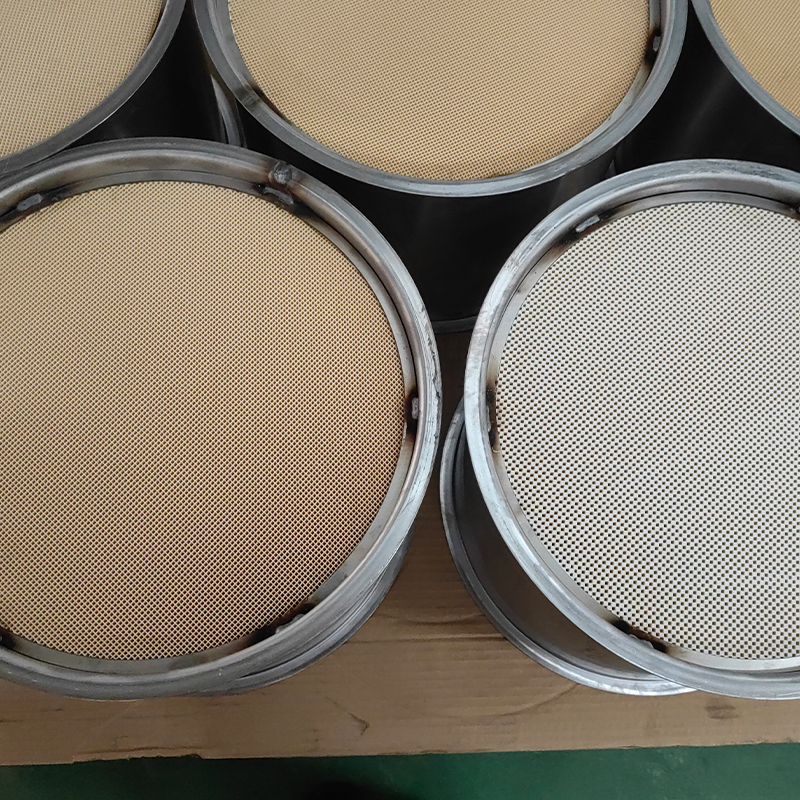
Diesel Particulate Filter (DPF) welded assemblies are critical mechanical modules in the exhaust after-treatment system for achieving efficient partic...
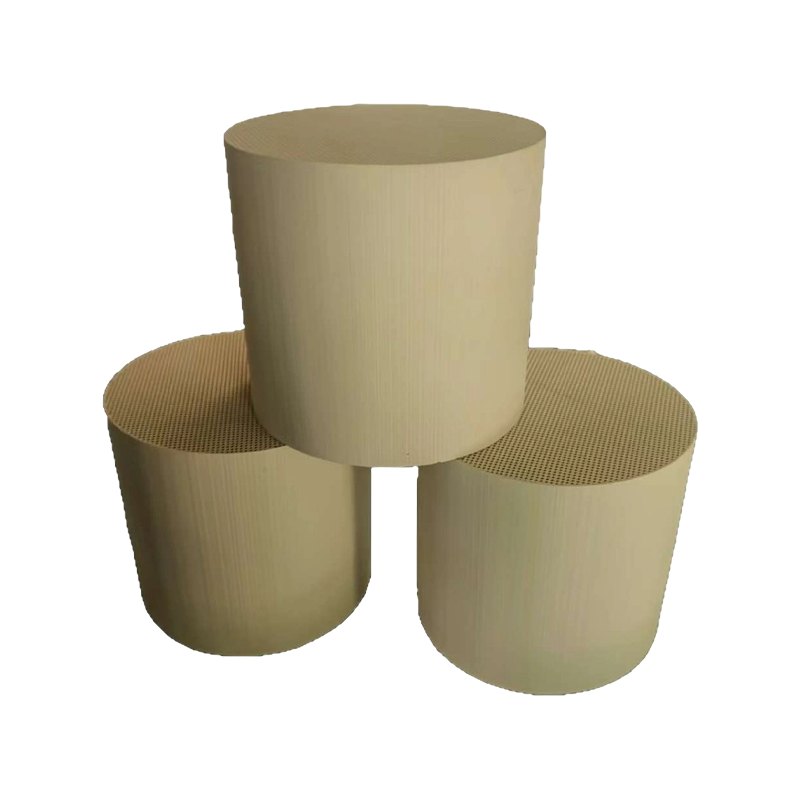
Working Principle of GPF: Filtration and RegenerationThe basic working principle of the Gasoline Particulate Filter (GPF) is highly similar to that of...
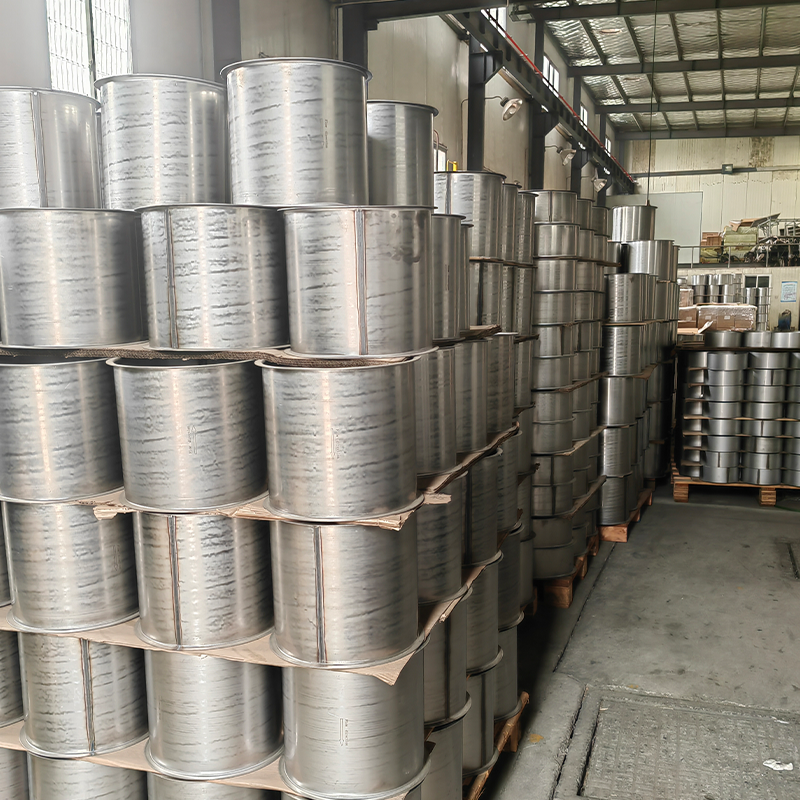
Gasoline Particulate Filter (GPF) welded assemblies are precision modules that integrate filtration, sensing, mechanical connection, and thermal manag...
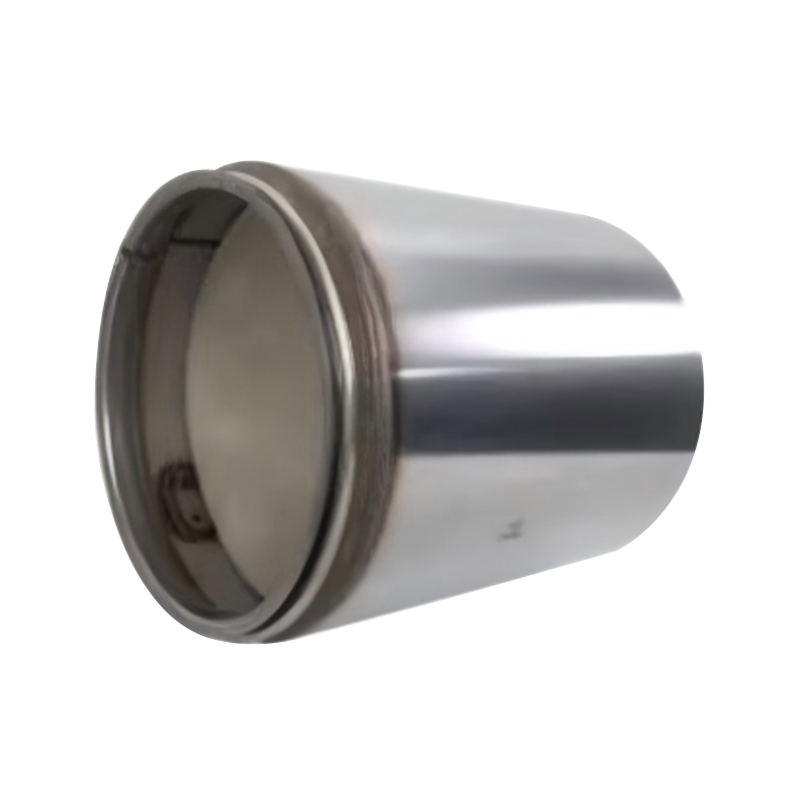
A basic diesel particulate filter (DPF) assembly for heavy-duty diesel trucks needing particulate control.Housing: stainless steel for corrosion resis...
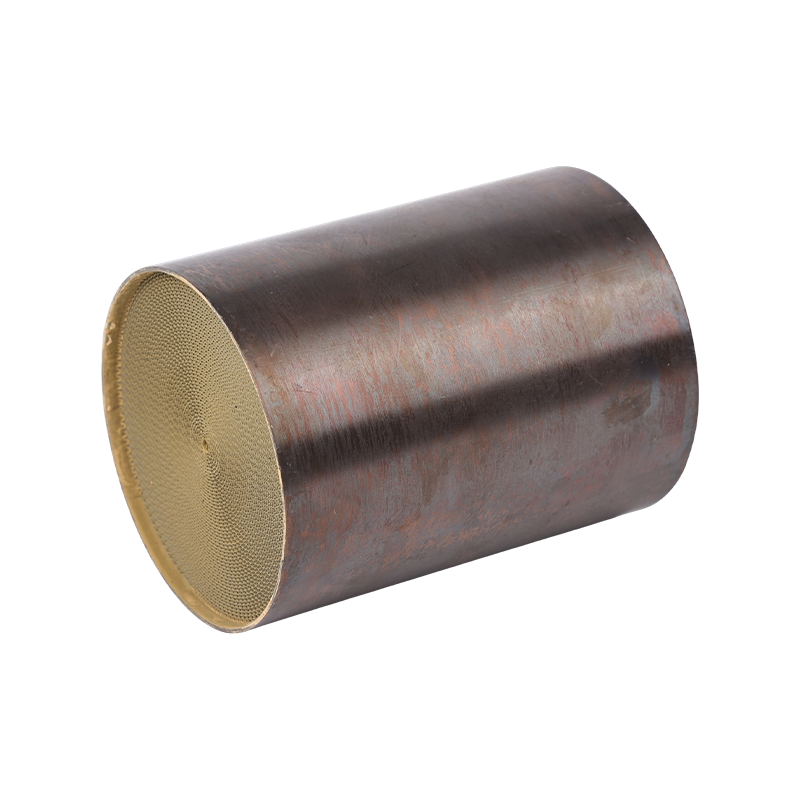
The high precious metal content metallic substrate – Euro 6 standard is an efficient honeycomb-type catalytic carrier designed to meet the stringent r...
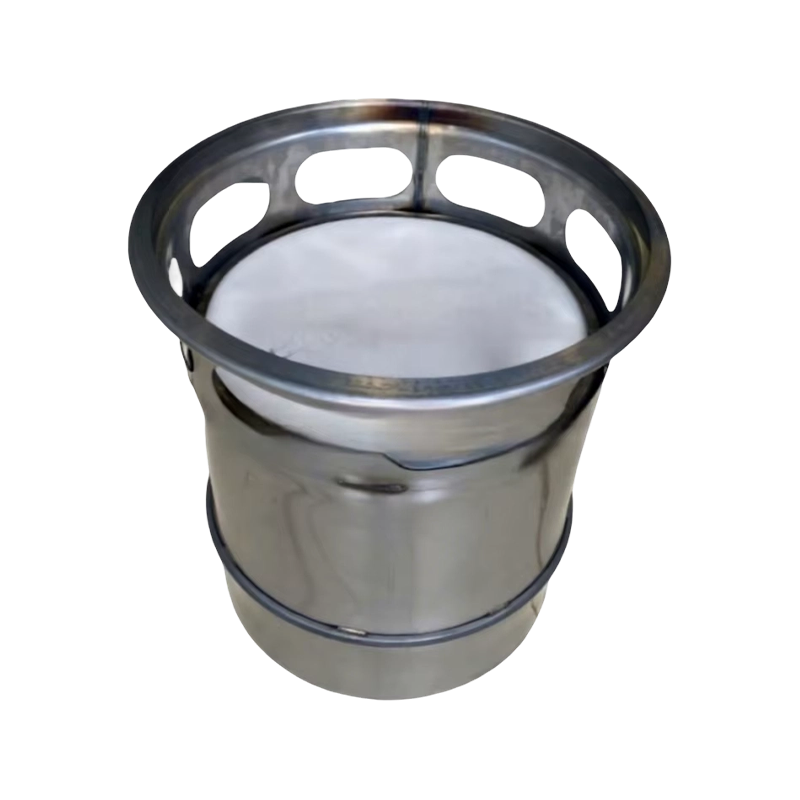
A diesel particulate filter (DPF) built around a ceramic honeycomb substrate that traps soot before it exits the exhaust stream.Filtration: the honeyc...
A DPF anti-corrosion filter is built with coated or treated materials to resist rust and chemical ......
READ MOREDPF Diesel Particulate Filter: The Most Effective Solution for Reducing Diesel Emissions A DPF dies......
READ MOREA diesel particulate filter (DPF) is a critical emissions control device fitted to the exhaust syst......
READ MOREEmission control catalysts are the primary technological mechanism used to eliminate toxic environ......
READ MOREAt roughly 600 operating hours, the dash of a compact loader lights up with a derate warning. The t......
READ MOREA DOC (Diesel Oxidation Catalyst) is a critical emissions control component that reduces harmful pol......
READ MORE