


 English
 русский
 Español
Standard DPF Filter Assembly
A basic diesel particulate filter (DPF) assembly for heavy-duty diesel trucks needing particulate control.Housing: stainless steel for corrosion resis...
Emission control catalysts are the primary technological mechanism used to eliminate toxic environmental pollutants from industrial and automotive exhaust streams, converting up to 99 percent of harmful gases into inert atmospheric components. By utilizing precise mixtures of precious noble metals—primarily platinum, palladium, and rhodium—deposited onto specialized high-surface-area substrates, these devices lower the activation energy required for simultaneous oxidation and reduction reactions. Implementing a multi-stage catalytic converter network is the single most effective engineering strategy for achieving compliance with ultra-stringent global emission standards, transforming carbon monoxide, unburnt hydrocarbons, and nitrogen oxides into harmless carbon dioxide, water vapor, and nitrogen gas.
The operational framework of any emission control catalyst relies on heterogeneous catalysis, a chemical process where the phase of the catalyst (solid) differs from that of the reactants (gas). When toxic exhaust gases flow through the catalyst, they encounter an intricate, honeycomb-like matrix designed to expose the maximum possible surface area to the gas stream. The primary objective is to facilitate two concurrent chemical pathways: reduction, which strips oxygen away from hazardous nitrogen oxides, and oxidation, which adds oxygen to harmful carbon monoxide and unburnt fuel molecules.
The speed and efficiency of these reactions are governed by the specific configuration of the catalytic washcoat—a porous layer of aluminum oxide, zirconium dioxide, and cerium oxide that acts as a structural carrier for atomic-scale clusters of precious metals. The specific noble metals utilized serve highly targeted chemical functions:
Industrial facility managers and automotive powertrain engineers must select catalytic mitigation infrastructure based on the thermodynamic and chemical profile of the exhaust gas stream. The two dominant industrial system designs are Three-Way Catalysts (TWC) and Selective Catalytic Reduction (SCR) networks. These systems treat emissions using fundamentally distinct strategies, operating envelopes, and auxiliary chemical inputs.
Three-Way Catalysts: TWCs are designed for stoichiometric combustion profiles, where the air-to-fuel ratio is maintained precisely at the chemically ideal balance (14.7:1 for standard gasoline). Within this narrow operating band, a single TWC vessel simultaneously reduces NOx while oxidizing CO and hydrocarbons. While exceptionally compact and mechanically simple because they require no external chemical reagents, TWCs lose rapid efficiency if the exhaust stream turns even slightly "lean" (excess oxygen) or "rich" (excess fuel).
Selective Catalytic Reduction Systems: SCR systems are engineered to handle lean-burn configurations, such as massive stationary industrial generators, maritime diesel vessels, and heavy chemical processing infrastructure. Because these exhaust streams contain a massive surplus of oxygen, simultaneous reduction via standard TWC is chemically impossible. Instead, SCR technology injects a liquid reductant—typically an aqueous urea solution—upstream of a specialized base-metal catalyst (often composed of vanadium-titanium or copper-zeolite matrixes). The heat of the exhaust vaporizes the urea into ammonia (NH3), which selectively reacts with NOx molecules on the catalyst surface to generate pure nitrogen and water vapor, achieving superior abatement even in highly oxidizing environments.
| Engineering Metric | Three-Way Catalysts (TWC) | Selective Catalytic Reduction (SCR) |
|---|---|---|
| Primary Target Pollutants | Simultaneous mitigation of CO, HC, and NOx | Targeted destruction of high-volume NOx emissions |
| Ideal Exhaust Chemistry | Strict Stoichiometric window (No excess oxygen) | Lean-burn oxygen surplus environment (Excess oxygen) |
| Reagent/Fluid Consumption | None; operates passively on passing exhaust gases | Requires continuous injection of aqueous urea fluid |
| Operating Temperature Range | High activation threshold (400 to 850+ degrees Celsius) | Broad flexibility (200 to 550 degrees Celsius based on zeolite blend) |
| Typical Conversion Efficiency | 90% to 95% under strict lambda control | 95% to 99%+ with precise urea dosing feedback |
Beyond the active precious metal chemistry, the mechanical stability of an emission control catalyst is deeply dependent on its structural substrate—the physical block that houses the airflow channels. Engineers choose between extruded ceramic cordierite blocks and precision-wound metallic foils, weighing factors like backpressure, thermal shock resistance, and geometric constraints.
Cordierite Ceramic Substrates: Ceramic honeycombs are manufactured through an extrusion process using a synthetic magnesium iron aluminum cyclosilicate compound known as cordierite. This material possesses a nearly zero coefficient of thermal expansion, rendering it highly resistant to structural cracking during rapid temperature shifts. A typical ceramic substrate features a cell density of 400 to 600 cells per square inch (CPSI) with wall thicknesses down to 0.1 millimeters. The porous ceramic surface provides a strong mechanical bond for the catalytic washcoat. However, ceramic walls must be relatively thick to prevent structural shattering under heavy physical impacts, which slightly restricts the net open frontal area and increases exhaust backpressure.
Metallic Monolith Substrates: Formulated from ultra-thin chromium-aluminum stainless steel foils (approximately 0.04 to 0.05 millimeters thick), metallic substrates are wound into highly precise configurations. Because the metal foil walls are significantly thinner than ceramic boundaries, metallic monoliths can easily achieve cell densities of 800 to 1200 CPSI while offering 15 percent less internal flow resistance. This low backpressure maximizes power output in performance engine systems and lowers parasitic losses in high-volume industrial turbines. Additionally, metals conduct heat much faster than ceramics, allowing the catalyst to reach its functional light-off temperature significantly faster during cold startups.
Investing in emission control catalysts involves balancing significant upfront capital expenditures (CAPEX) with long-term operational maintenance costs (OPEX). Because noble metals like platinum and rhodium command premium market valuations, procurement costs are highly sensitive to global metal markets. Consequently, maximizing the operational lifespan of the catalyst asset is essential for maintaining facility profitability.
Consider a large-scale 10-Megawatt natural-gas-fired power plant operating continuous peak-load generation. The facility relies on a massive stationary catalytic converter block containing approximately 150 troy ounces of precious metal washcoat composition. The initial capital procurement for this catalyst module represents an asset expenditure of roughly $240,000. If the plant operators permit upstream tracking errors—such as allowing excessive lubricating oil carryover from turbine seals—the oil's phosphorus and zinc content will deposit directly over the catalytic pores. This mechanism, known as chemical masking or poisoning, creates an impenetrable glaze that deactivates the noble metal sites.
Below is an operational financial model tracking the fiscal outcomes of proactive management versus unmitigated catalyst degradation over a 6-year timeline:
To avoid sudden environmental compliance failures and maximize catalyst lifespan, maintenance technicians must monitor for the physical and chemical degradation mechanisms that continuously threaten the washcoat matrix during service. These mechanisms are classified into thermal, chemical, and mechanical categories.
Thermal degradation primarily manifests as sintering. When a catalyst is exposed to temperatures exceeding its maximum thermal design threshold (typically above 900 degrees Celsius for extended periods), the microscopic noble metal particles dissolved within the washcoat begin to migrate and fuse together into larger, consolidated metal islands. This crystallization drastically reduces the net active surface area available to interact with the passing exhaust gases, permanently lowering the catalyst's conversion rate. Sintering is monitored by tracking the conversion efficiency profile across different temperature gradients using dual-point infrared gas analyzers installed upstream and downstream of the catalyst housing.
Mechanical degradation includes substrate fracturing, washcoat erosion, and structural mat failure. The intense vibrational pulses from high-output engines or industrial turbines can gradually loosen the protective vermiculite insulation wrap that holds the fragile ceramic monolith inside its heavy stainless steel outer casing. Once loose, the substrate bounces micro-fractionally against the steel shell, causing edge-chipping, internal channel blockage, and structural gas bypass. Technicians diagnose these mechanical failures by tracking differential pressure transducers; a sudden drop in backpressure across the catalyst bed often reveals that the internal core has cracked or suffered structural blow-by, requiring immediate mechanical intervention.
• Society of Automotive Engineers (SAE). Advanced Catalytic Substrates and Washcoat Formulations for Emission Abatement. Warrendale, PA.
• Industrial & Engineering Chemistry Research. Deactivation Mechanisms of Precious Metal Monoliths in Stationary Power Generation Applications.
• Water, Air, and Soil Pollution Journal. Comparative Evaluation of Selective Catalytic Reduction and Three-Way Catalytic Systems for Industrial Nitrogen Oxide Mitigation.
Content
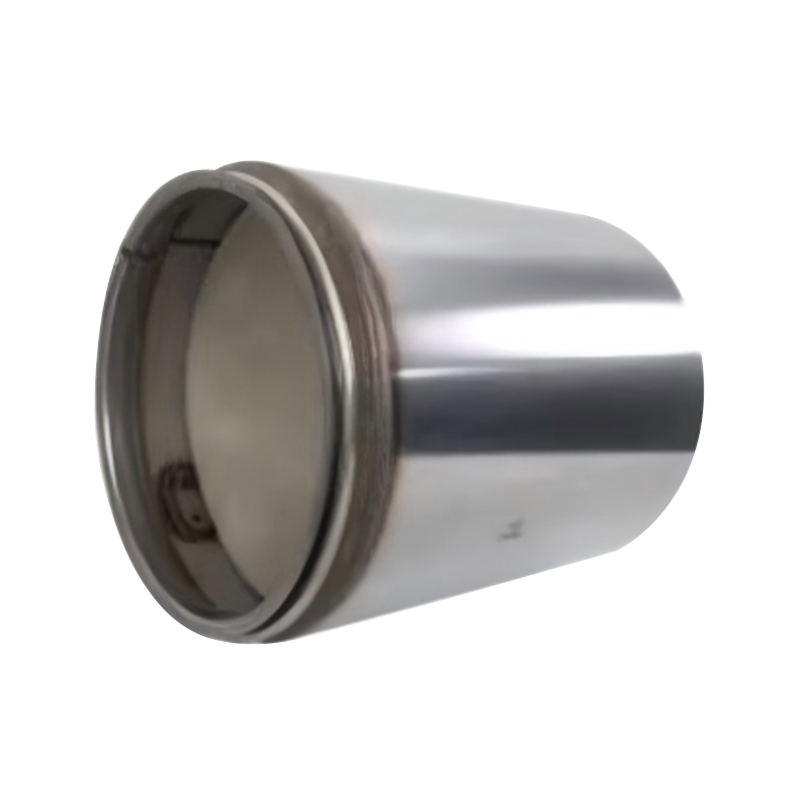
A basic diesel particulate filter (DPF) assembly for heavy-duty diesel trucks needing particulate control.Housing: stainless steel for corrosion resis...
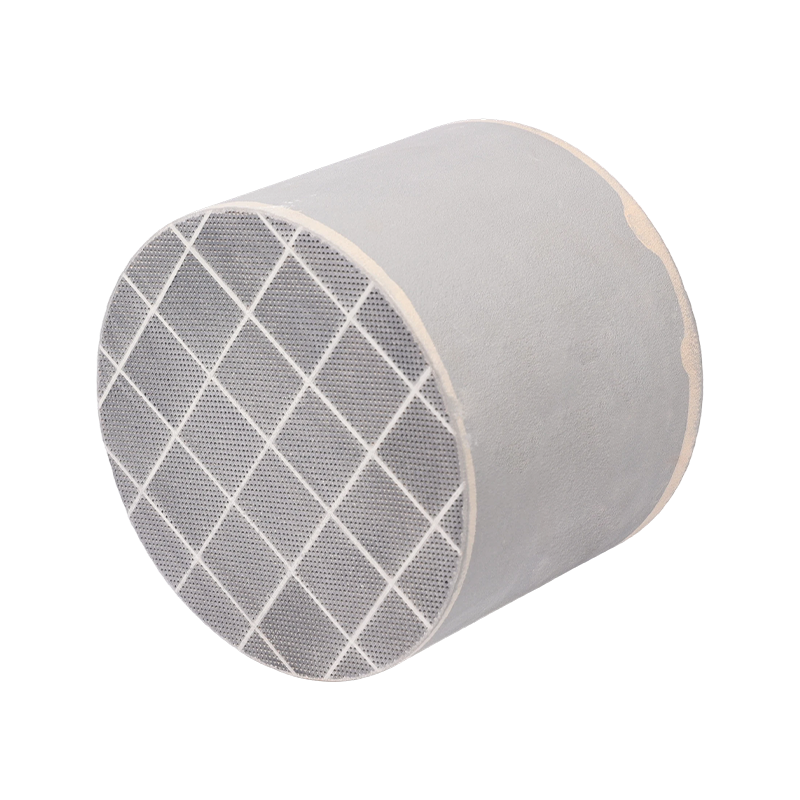
The SCR catalyst also follows the carrier–coating–active component structure; however, its active components are fundamentally different from those in...
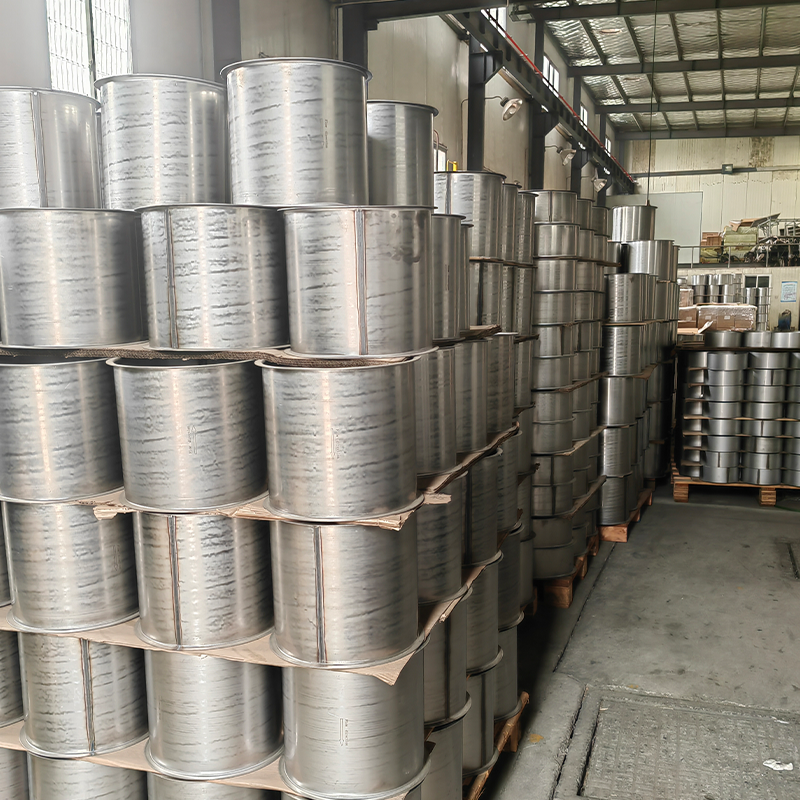
Gasoline Particulate Filter (GPF) welded assemblies are precision modules that integrate filtration, sensing, mechanical connection, and thermal manag...
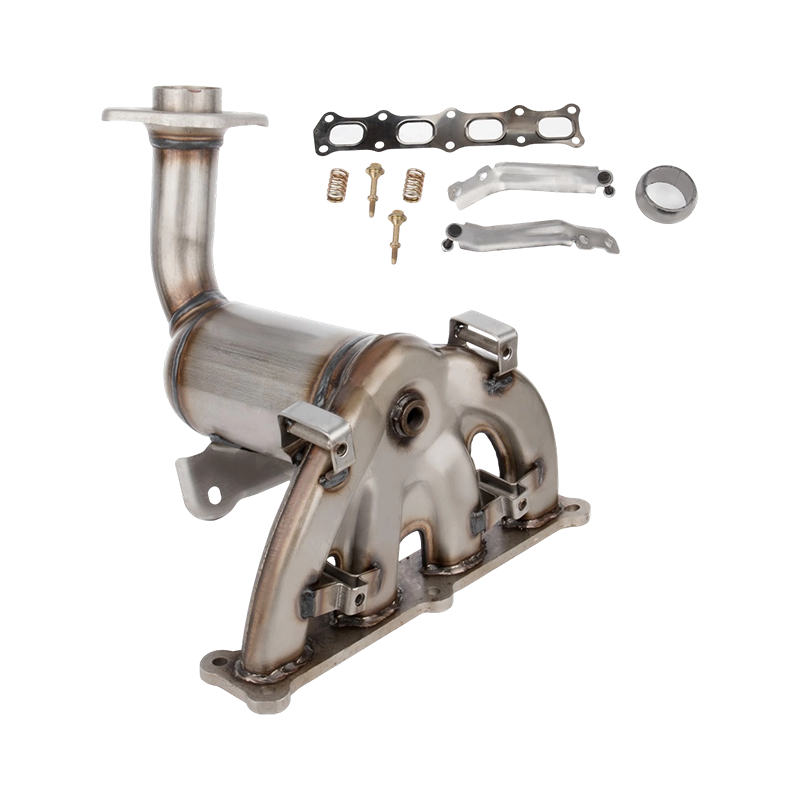
This product is designed for vehicles equipped with a 2.4L AWD engine and an exhaust system OE number of 674-871, applicable to 2007-2010 model years....
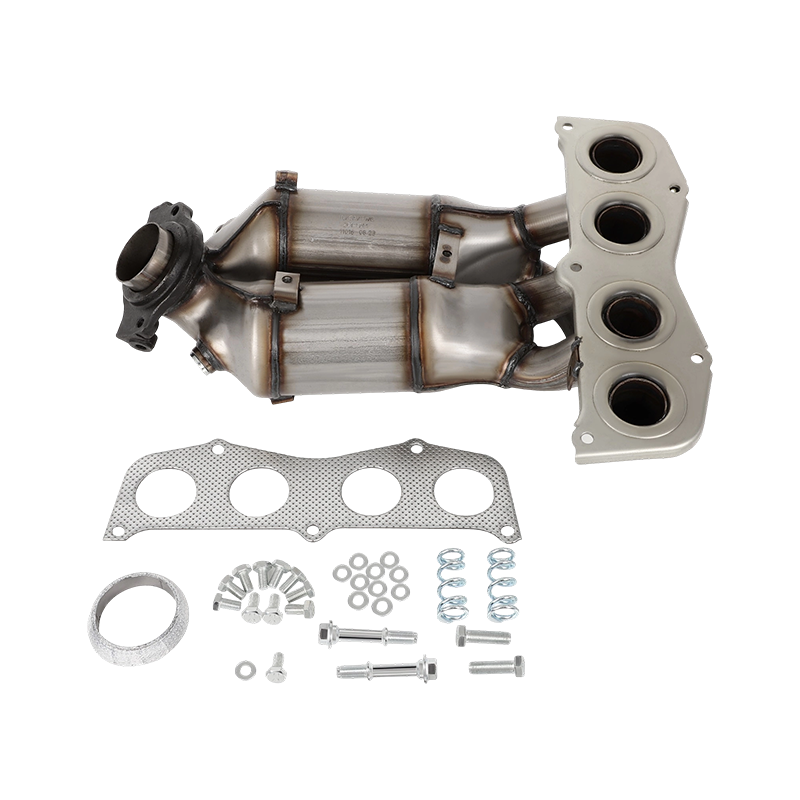
This product is designed for vehicles with an exhaust system OE number of 40583, applicable to 2001-2003 model years. It is an integrated assembly com...
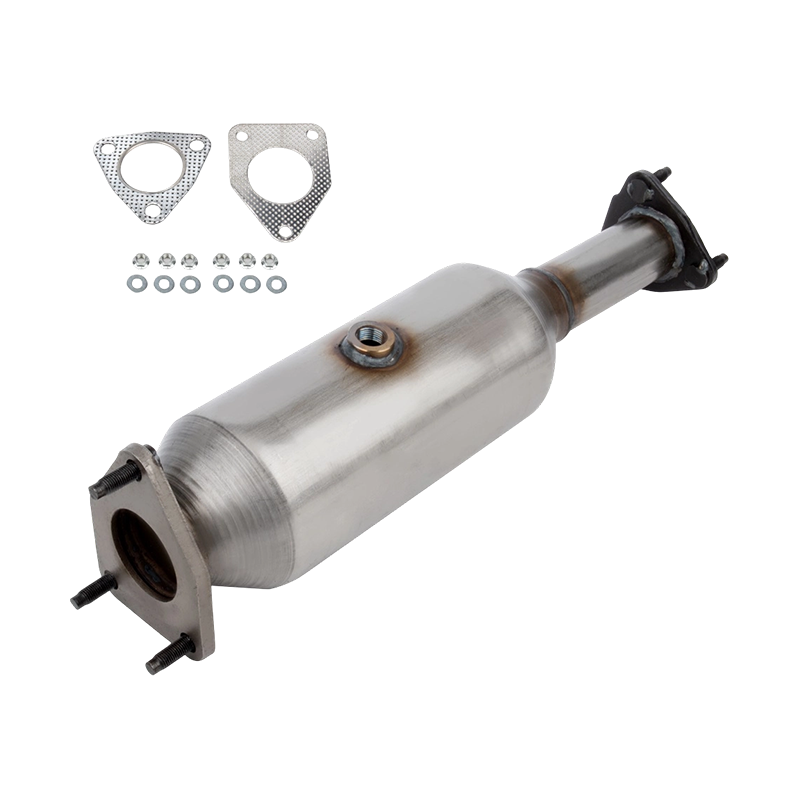
This product is designed for vehicles equipped with a 2.4L engine and an exhaust system OE number of 16299, applicable to 2003-2007 model years. It is...
Understanding Emission Control Catalysts Emission control catalysts play a critical role in the aut......
READ MOREA DOC (Diesel Oxidation Catalyst) is a critical emissions control component that reduces harmful pol......
READ MOREDPF Diesel Particulate Filter: The Most Effective Solution for Reducing Diesel Emissions A DPF dies......
READ MOREAchieving structural integrity and optimal exhaust flow in emission control hardware depends entir......
READ MOREThe Core Function of the Diesel Particulate Filter A diesel particulate filter is an essential emis......
READ MORESelective Catalytic Reduction (SCR) catalysts are the most widely deployed and technically proven t......
READ MORE