


 English
 русский
 Español
Diesel Particulate Filter (DPF) Catalyst Element
Diesel Particulate Filter (DPF) welded assemblies are critical mechanical modules in the exhaust after-treatment system for achieving efficient partic...
A DPF diesel particulate filter is the most reliable technology for capturing and eliminating harmful soot particles from diesel engine exhaust. Modern DPF systems can remove up to 85%–95% of particulate matter emissions, significantly improving air quality while ensuring compliance with strict environmental regulations.
Beyond emissions control, a properly functioning DPF contributes to better engine efficiency, longer service life, and reduced environmental impact. However, achieving these benefits depends on correct usage, maintenance, and system understanding.
A DPF diesel particulate filter is an exhaust after-treatment device designed to trap and store soot particles generated during diesel combustion. It is typically made of porous ceramic materials such as cordierite or silicon carbide, allowing exhaust gases to pass through while capturing solid particles.
As exhaust gases flow through the filter walls, particulate matter is trapped on the surface. Over time, soot accumulates and must be removed to maintain efficiency.
The DPF periodically burns off accumulated soot through a process called regeneration. This can occur in three ways:
The adoption of DPF systems brings measurable advantages to both vehicle performance and environmental protection.
DPF technology dramatically reduces soot emissions, helping vehicles meet Euro 6 and other global emission standards.
A clean DPF ensures optimal exhaust flow, which supports efficient combustion and stable engine performance.
By capturing fine particles, DPF systems reduce air pollution and contribute to healthier urban environments.
Many regions require DPF installation for diesel vehicles. Non-compliance can result in fines or vehicle restrictions.
Different DPF designs are used depending on engine type and application requirements.
| Type | Material | Advantages | Application |
|---|---|---|---|
| Cordierite DPF | Ceramic | Cost-effective, widely used | Passenger vehicles |
| Silicon Carbide DPF | Advanced ceramic | High heat resistance | Heavy-duty vehicles |
| Metal Fiber DPF | Metal fibers | Durable, fast heating | Industrial engines |
DPF systems require proper maintenance to function effectively. Recognizing early warning signs can prevent costly repairs.
Ignoring DPF blockage can increase backpressure by over 50%, potentially damaging the engine and turbocharger. Regular driving at highway speeds or scheduled regeneration helps prevent clogging.
Proper maintenance is essential to maximize the lifespan and efficiency of a DPF diesel particulate filter.
Ensure the vehicle completes regeneration cycles by driving at consistent speeds for sufficient durations.
Low-quality fuel increases soot production, leading to faster DPF clogging.
Professional cleaning can restore up to 90% of the filter’s original capacity, extending its service life.
Maintaining injectors, turbochargers, and EGR systems helps reduce soot generation.
DPF systems continue to evolve to meet stricter emission standards and improve performance.
New materials improve durability and thermal resistance, allowing for longer service intervals.
Modern systems combine DPF with SCR and oxidation catalysts for comprehensive emission control.
Sensors and onboard diagnostics provide real-time data, enabling predictive maintenance and reducing downtime.
Content
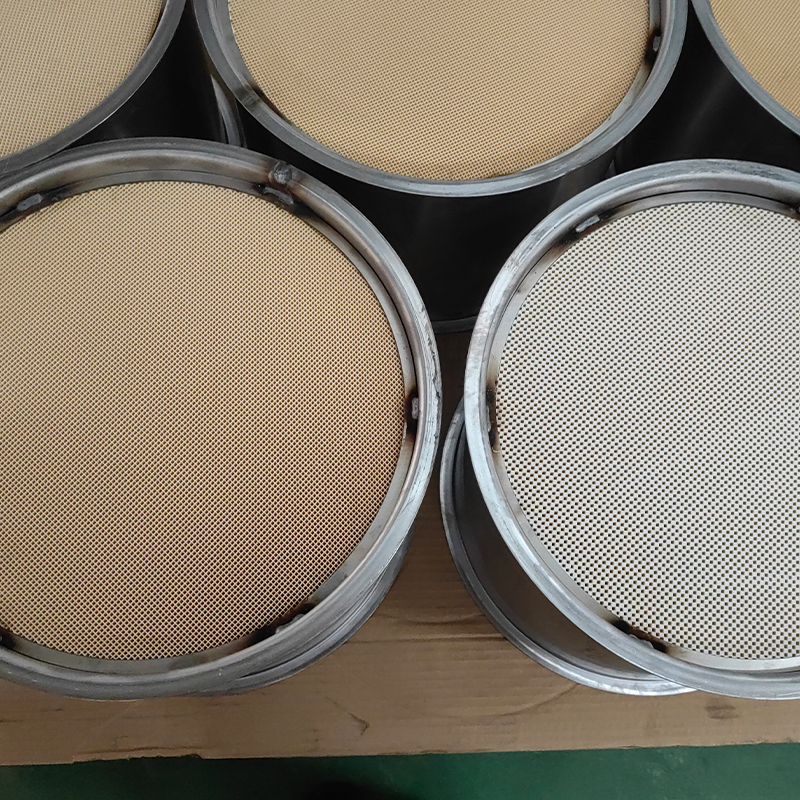
Diesel Particulate Filter (DPF) welded assemblies are critical mechanical modules in the exhaust after-treatment system for achieving efficient partic...
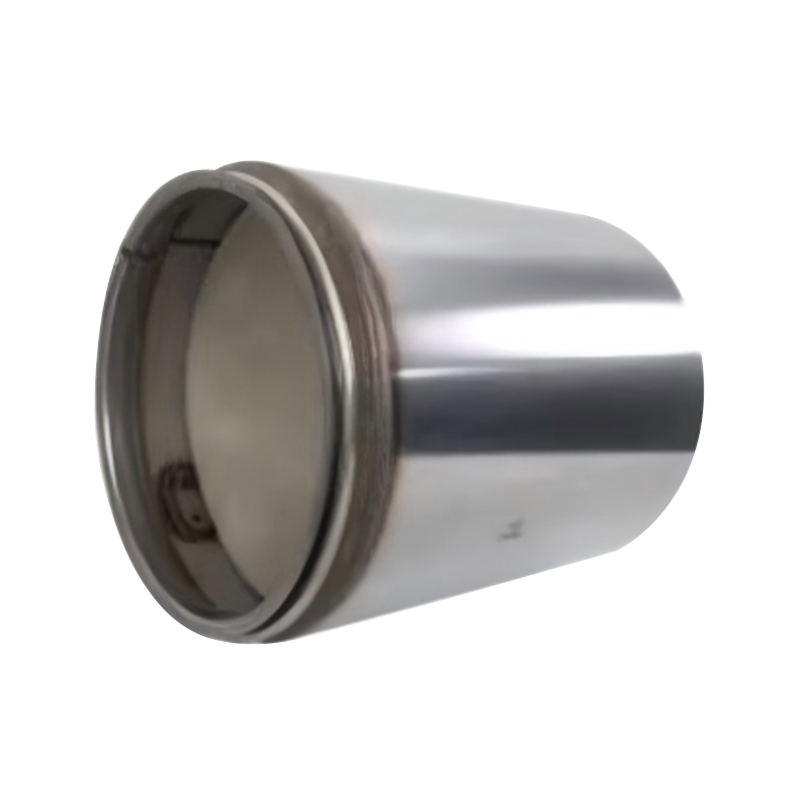
A basic diesel particulate filter (DPF) assembly for heavy-duty diesel trucks needing particulate control.Housing: stainless steel for corrosion resis...
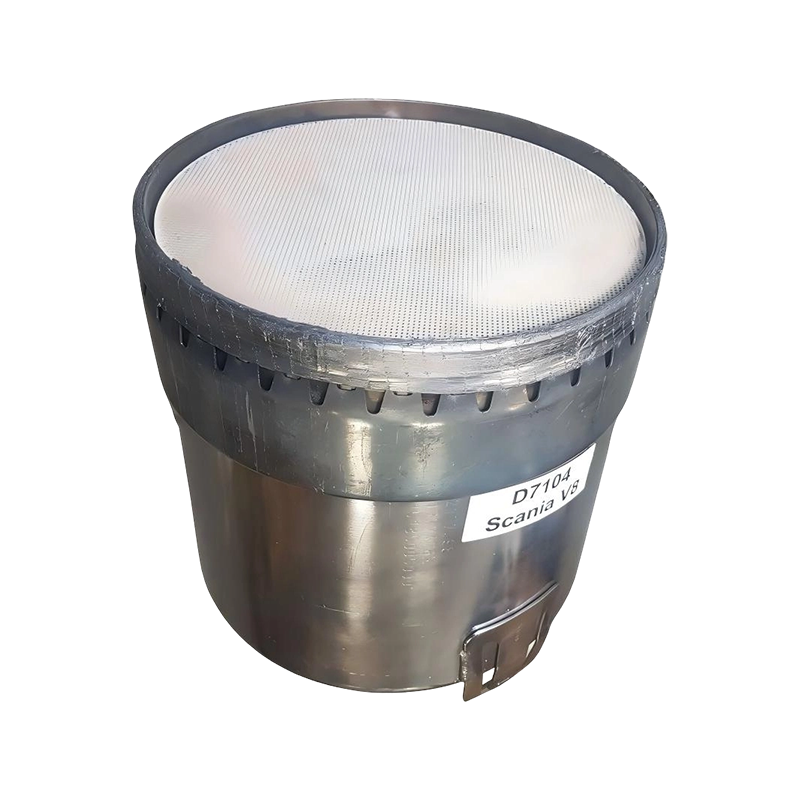
A diesel particulate filter (DPF) built to handle frequent regeneration without losing structural integrity.Heat resistance: withstands the repeated t...
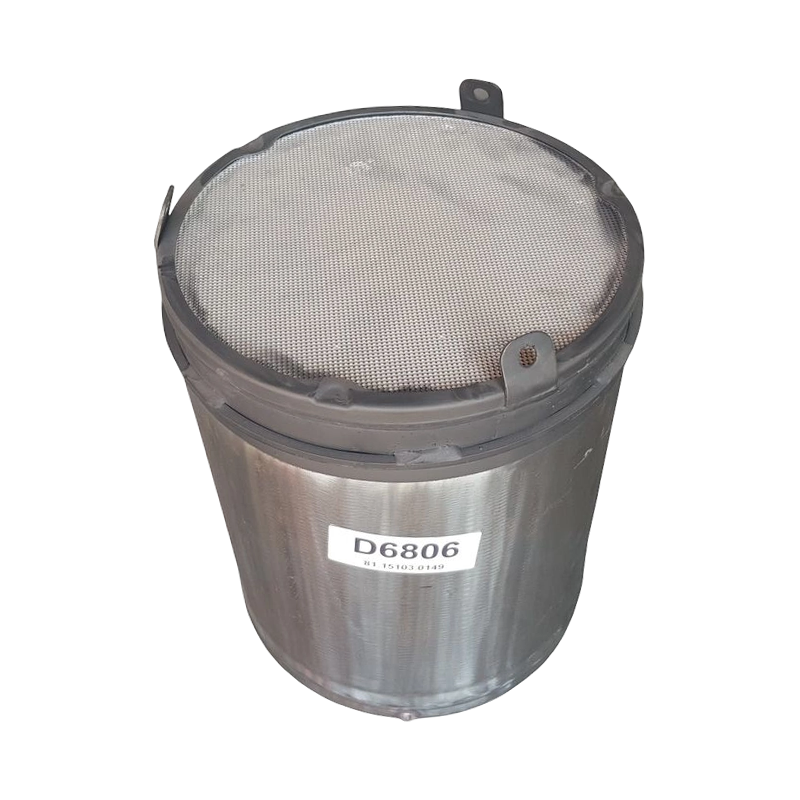
A diesel particulate filter (DPF) that combines soot filtration and muffling into a single exhaust component.Function: reduces both particulate output...
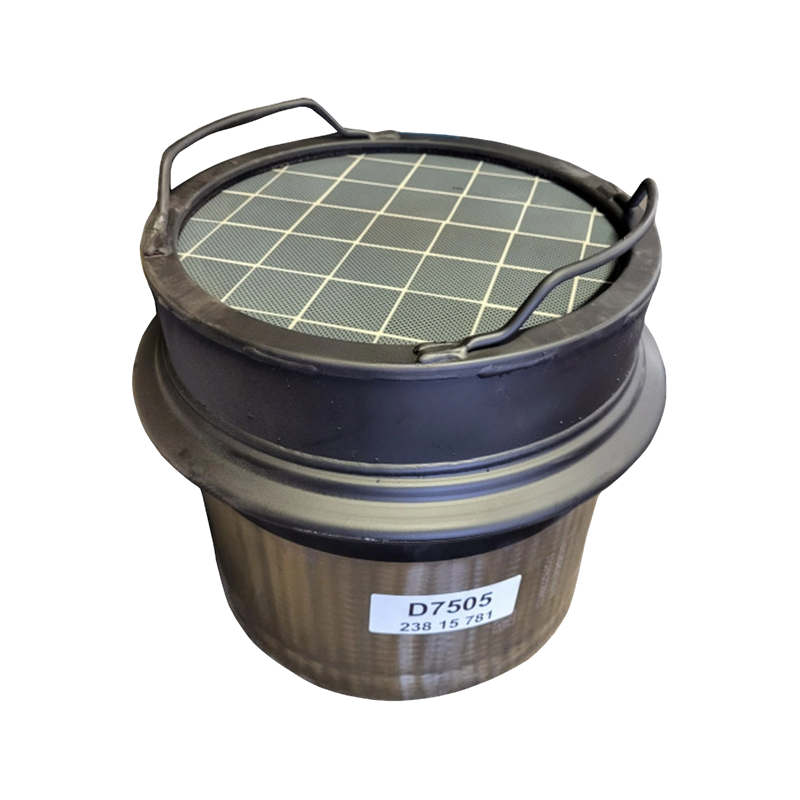
This part number appears frequently in OE parts catalogs for heavy-duty truck soot filters.Manufacturing: produced in-house to the same coating spec a...
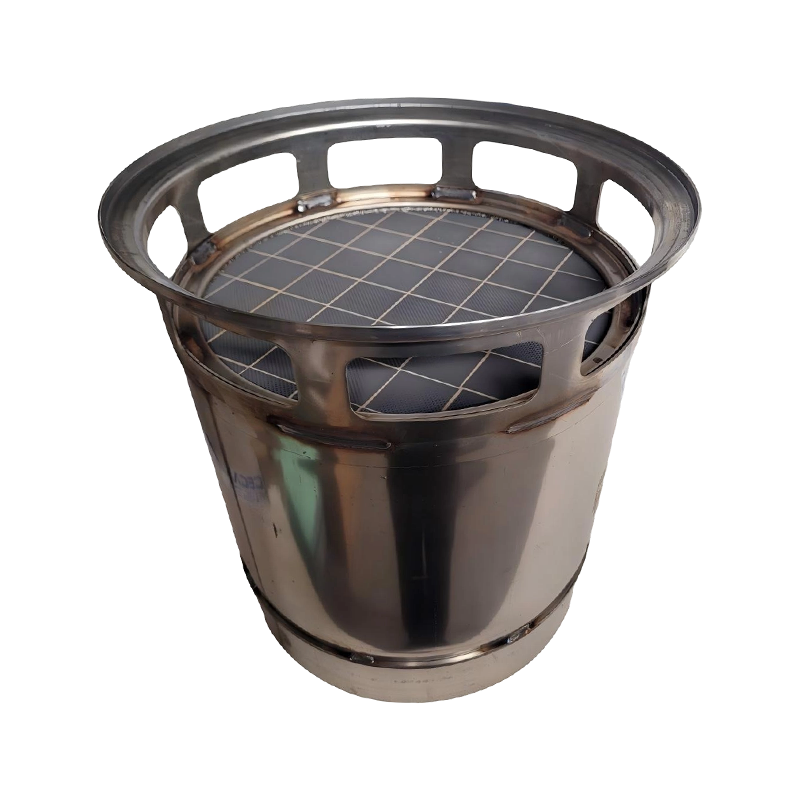
A combined diesel particulate filter (DPF) and catalytic converter housed in a single unit.Function: filters soot and converts other exhaust gases in ...
A DOC (Diesel Oxidation Catalyst) is a critical emissions control component that reduces harmful pol......
READ MOREA diesel particulate filter (DPF) is a critical emissions control device fitted to the exhaust syst......
READ MOREThe Core Function of the Diesel Particulate Filter A diesel particulate filter is an essential emis......
READ MOREA Diesel Oxidation Catalyst (DOC) is an emissions control device installed in the exhaust system of......
READ MOREAt roughly 600 operating hours, the dash of a compact loader lights up with a derate warning. The t......
READ MOREThe most direct signals that a Diesel Oxidation Catalyst (DOC) needs replacement include: a persiste......
READ MORE