


 English
 русский
 Español
Three-Way Catalytic Converter with Exhaust Manifold Assembly
This product is designed for vehicles with an exhaust system OE number of 40583, applicable to 2001-2003 model years. It is an integrated assembly com...
Three-way catalytic converters are critical components in modern vehicles designed to reduce harmful emissions. They simultaneously convert carbon monoxide (CO), hydrocarbons (HC), and nitrogen oxides (NOx) into less harmful gases, such as carbon dioxide, water vapor, and nitrogen, ensuring compliance with stringent environmental regulations.
By integrating oxidation and reduction reactions in a single device, three-way converters efficiently address multiple pollutants, making them a cornerstone of automotive emission control systems.
The three-way catalytic converter achieves its function through a combination of chemical reactions that occur on a ceramic or metallic substrate coated with precious metals such as platinum (Pt), palladium (Pd), and rhodium (Rh).
The converter oxidizes carbon monoxide (CO) and unburned hydrocarbons (HC) into carbon dioxide (CO2) and water (H2O). This occurs over platinum and palladium catalysts, which facilitate the reaction at temperatures typically above 400°C.
Nitrogen oxides (NOx), which contribute to smog and acid rain, are reduced into nitrogen (N2) and oxygen (O2) via rhodium catalysts. This process requires precise control of the air-fuel mixture to optimize reduction efficiency.
Modern three-way converters rely on upstream and downstream oxygen sensors to maintain a near-stoichiometric air-fuel ratio. This ensures maximum conversion efficiency for all three pollutants simultaneously.
The structural design is critical for achieving high conversion efficiency and long-term durability.
Most converters use a ceramic monolith with a honeycomb pattern to maximize surface area while minimizing flow resistance. Metallic substrates offer enhanced thermal shock resistance, making them suitable for high-performance applications.
The substrate is coated with a washcoat containing high surface area aluminum oxide, which disperses the precious metals evenly. Platinum and palladium handle oxidation reactions, while rhodium targets NOx reduction.
The converter housing is made of stainless steel for corrosion resistance and mechanical strength. Insulating materials protect the outer shell from excessive heat and ensure optimal operating temperatures are maintained internally.
The efficiency of a three-way catalytic converter depends on several factors including temperature, air-fuel ratio, and catalyst loading.
| Pollutant | Conversion Efficiency | Optimal Conditions |
|---|---|---|
| Carbon Monoxide (CO) | >95% | Temperature 400–800°C, stoichiometric air-fuel ratio |
| Hydrocarbons (HC) | >90% | Temperature 400–800°C, proper catalyst coating |
| Nitrogen Oxides (NOx) | >85% | Precise air-fuel ratio and rhodium catalyst |
Proper care extends the lifespan of three-way catalytic converters, which typically lasts 100,000–150,000 miles in passenger vehicles.
Three-way catalytic converters are standard in gasoline-powered vehicles, hybrid cars, and even some advanced motorcycles. They are less common in diesel engines, where selective catalytic reduction (SCR) is more typical.
Their integration has significantly reduced vehicle emissions over the past two decades, contributing to cleaner air in urban areas and helping manufacturers comply with regulations such as Euro 6 and U.S. Tier 3 standards.
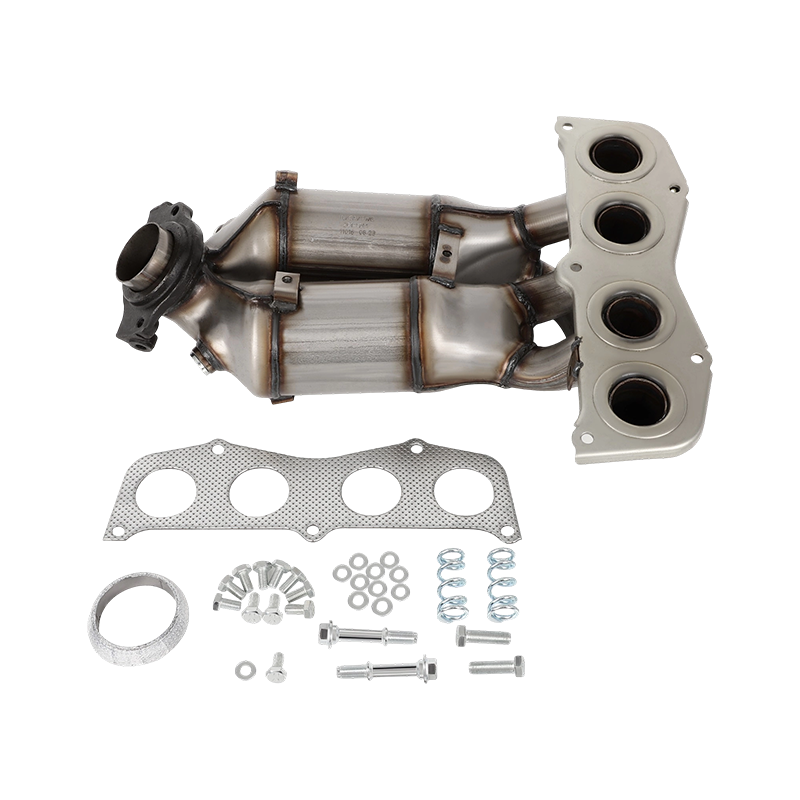
This product is designed for vehicles with an exhaust system OE number of 40583, applicable to 2001-2003 model years. It is an integrated assembly com...
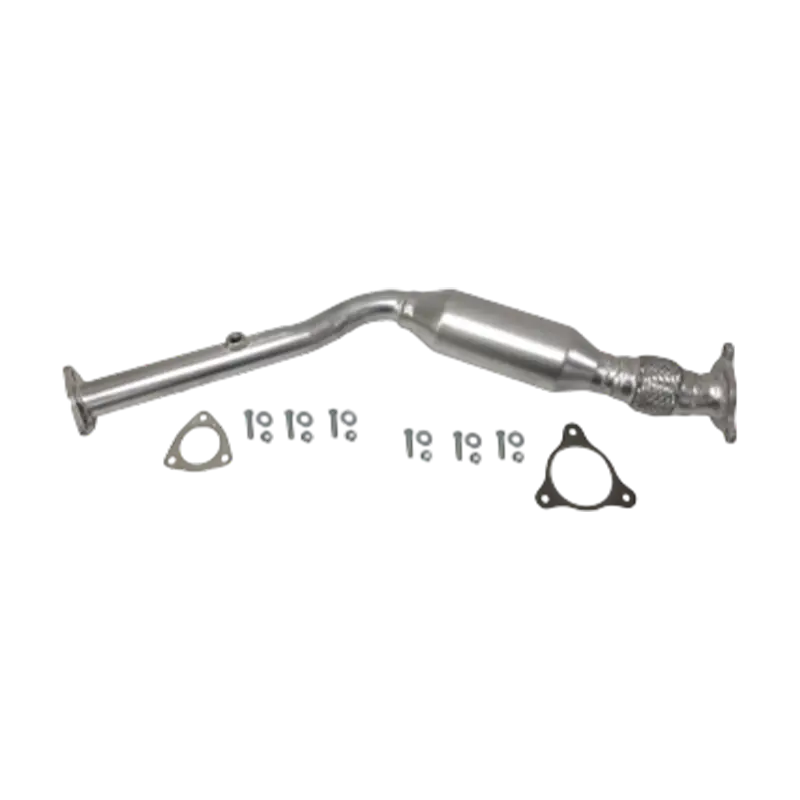
This product is designed for vehicles equipped with a 2.2L engine and an exhaust system OE number of 53508, applicable to 2003-2004 model years. It is...
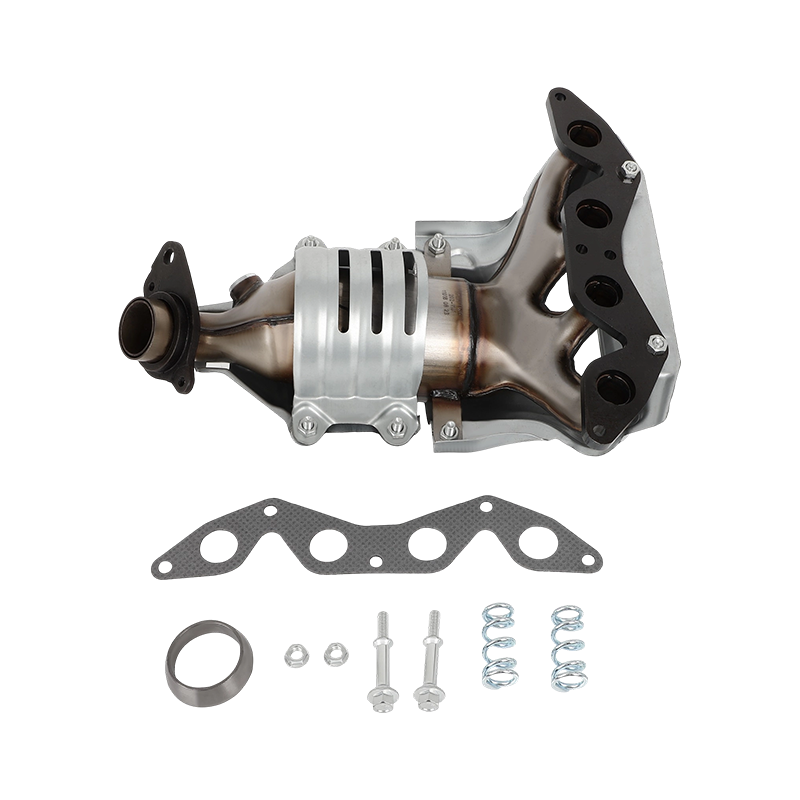
This product is designed for vehicles equipped with a 1.7L L4 SOHC engine and an exhaust system OE number of 674-608, applicable to 2001-2005 model ye...
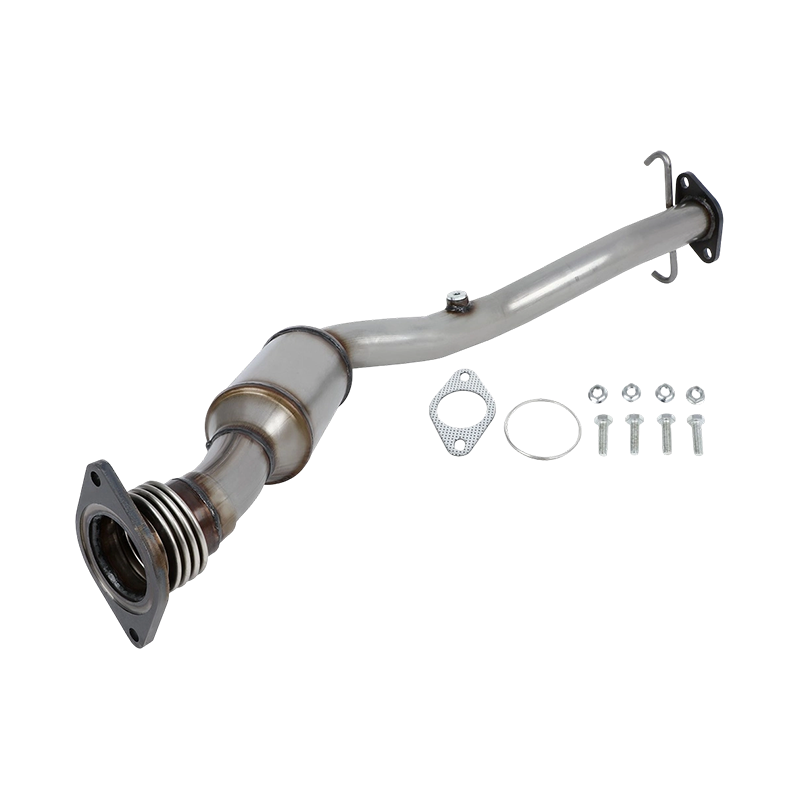
This product is designed for vehicles equipped with a 3.8L engine and an exhaust system OE number of 54752, applicable to 2004-2008 model years. It is...
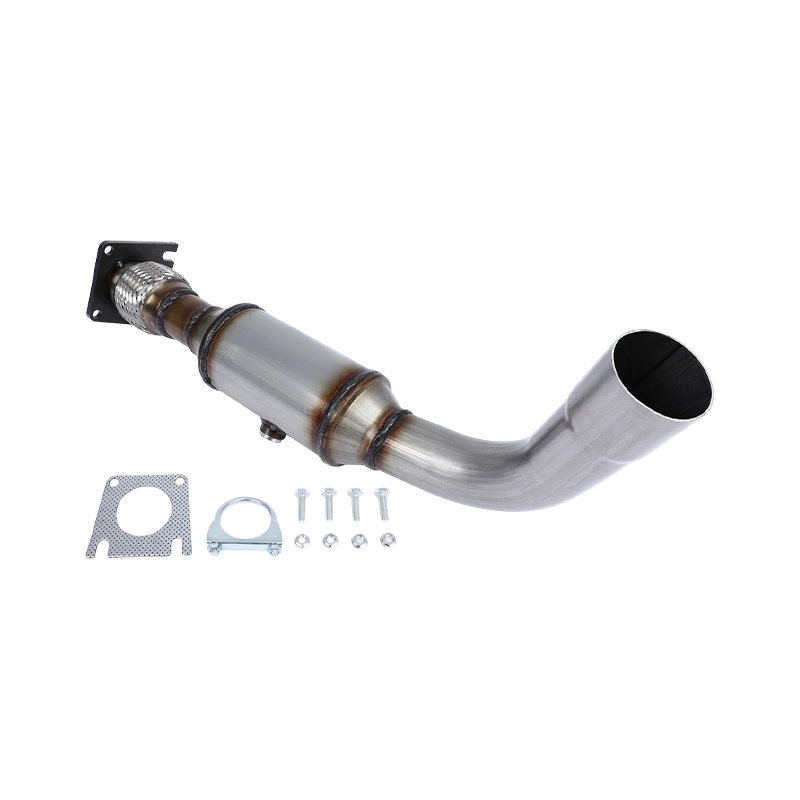
This product is designed for vehicles equipped with a 3.8L engine and an exhaust system OE number of 42912, applicable to 2008-2010 model years. It is...
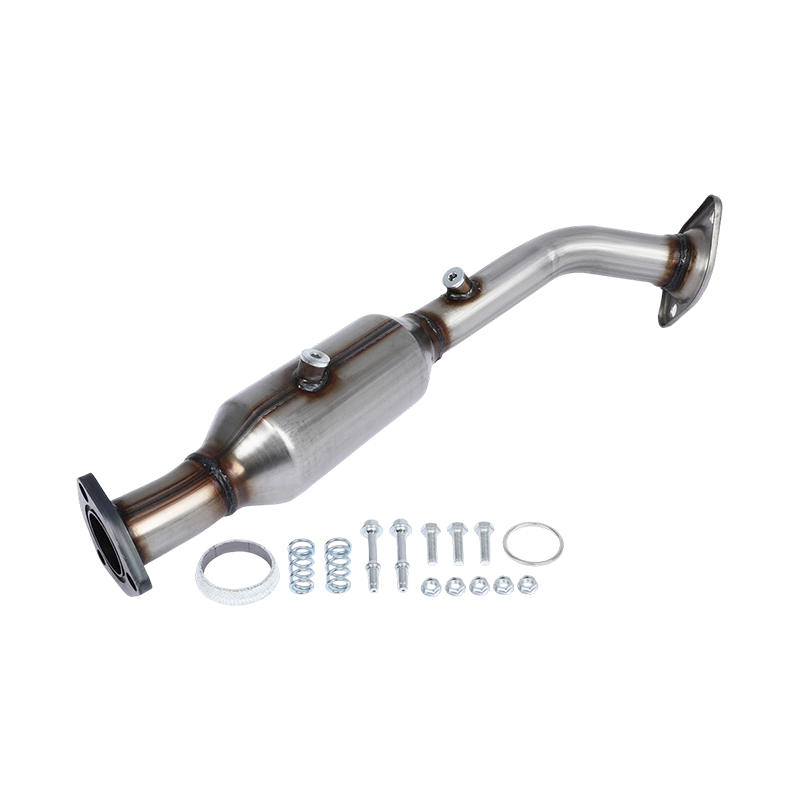
This product is designed for vehicles equipped with a 2.0L base configuration engine and an exhaust system OE number of 53583, applicable to 2002-2006...
Every gasoline engine that meets modern emission standards depends on a component most drivers neve......
READ MOREEmissions Control / Comparison A three-way catalytic converter is the correct choice for any spark......
READ MOREWhy Welded Catalytic Converter Components Matter in Modern Exhaust Systems Welded catalytic convert......
READ MOREIf your diesel engine suddenly loses power while the exhaust smells raw and oily, the problem may b......
READ MOREUnderstanding Emission Control Catalysts Emission control catalysts play a critical role in the aut......
READ MOREA catalytic converter shell is the first thing you see under a vehicle, but its stainless-steel bod......
READ MORE