


 English
 русский
 Español
High precious metal content metallic substrate – Euro 6 standard
The high precious metal content metallic substrate – Euro 6 standard is an efficient honeycomb-type catalytic carrier designed to meet the stringent r...
Emission control catalysts play a critical role in the automotive and industrial sectors by reducing harmful pollutants released into the atmosphere. These catalysts are designed to promote chemical reactions that transform toxic gases, such as carbon monoxide (CO), nitrogen oxides (NOx), and hydrocarbons (HC), into less harmful substances like nitrogen, carbon dioxide, and water vapor. The process takes place in catalytic converters, which are integrated into the exhaust system of vehicles and industrial equipment.
The performance of a catalytic converter is significantly influenced by the quality and composition of its coating. Catalytic converter coatings consist of precious metals such as platinum, palladium, and rhodium. These metals are highly effective at facilitating the chemical reactions needed to break down harmful emissions. The coating helps to increase the surface area of the catalyst, ensuring that the maximum amount of exhaust gases comes into contact with the active sites where these reactions occur.
Platinum, palladium, and rhodium are the primary metals used in catalytic converter coatings. Each metal has unique properties that contribute to the overall efficiency of the catalyst:
The catalytic converter, with its metal coatings, works by utilizing a combination of oxidation and reduction reactions. These reactions occur when exhaust gases pass over the catalyst's surface. Here is how the main pollutants are addressed:
These reactions help in significantly lowering the levels of harmful pollutants that vehicles and industrial machinery emit, leading to improved air quality and compliance with emission regulations.
Recent innovations in catalytic converter coatings have focused on improving the efficiency and durability of the catalysts. Some key advancements include:
These improvements are particularly beneficial as they enhance the lifespan and overall effectiveness of catalytic converters, leading to reduced vehicle maintenance costs and further improvements in emission control.
Emission control catalysts contribute significantly to reducing air pollution, a major environmental concern. By converting harmful pollutants into harmless substances, catalytic converters help to:
In short, emission control catalysts are vital for achieving environmental sustainability by minimizing the harmful impacts of vehicle and industrial emissions.
Despite their effectiveness, catalytic converter coatings face several challenges, including:
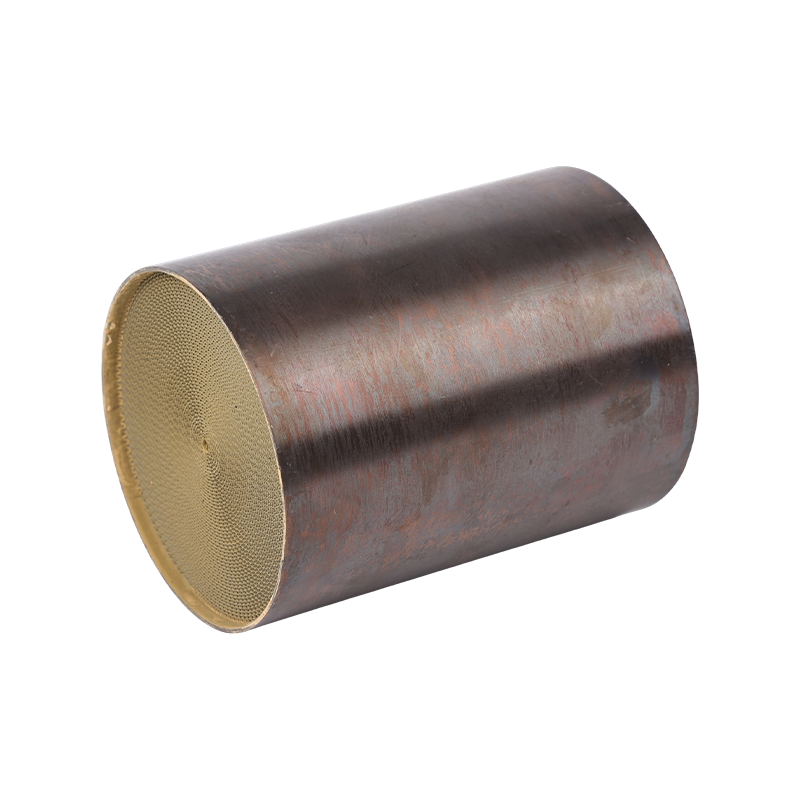
The high precious metal content metallic substrate – Euro 6 standard is an efficient honeycomb-type catalytic carrier designed to meet the stringent r...
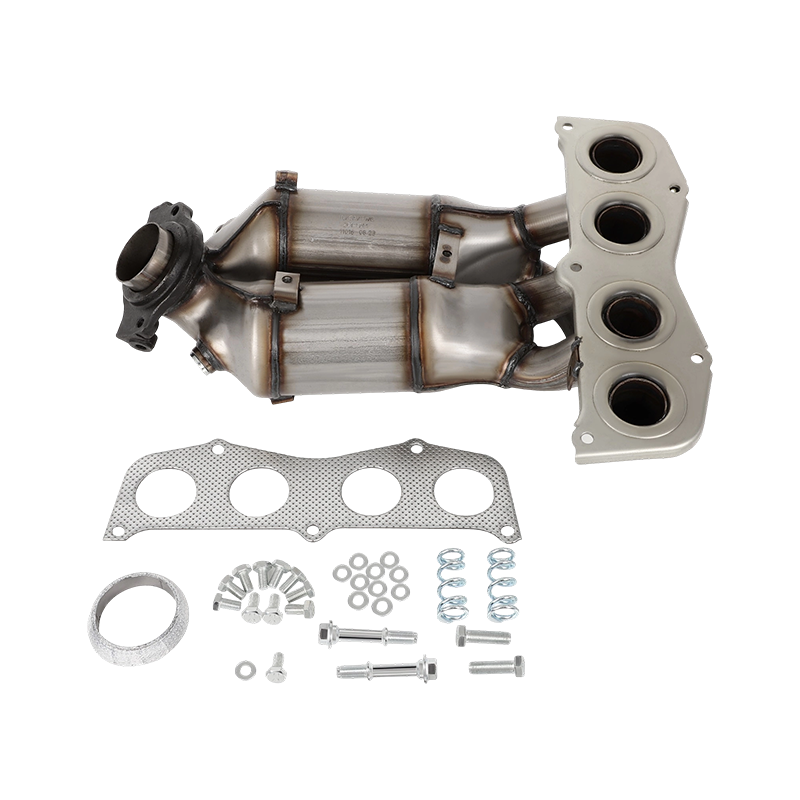
This product is designed for vehicles with an exhaust system OE number of 40583, applicable to 2001-2003 model years. It is an integrated assembly com...
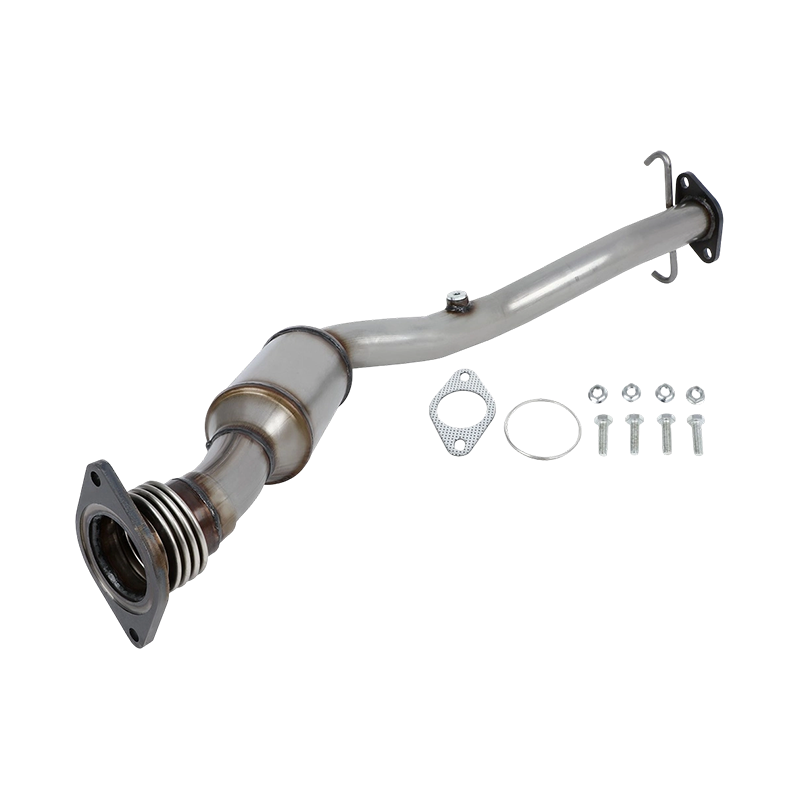
This product is designed for vehicles equipped with a 3.8L engine and an exhaust system OE number of 54752, applicable to 2004-2008 model years. It is...
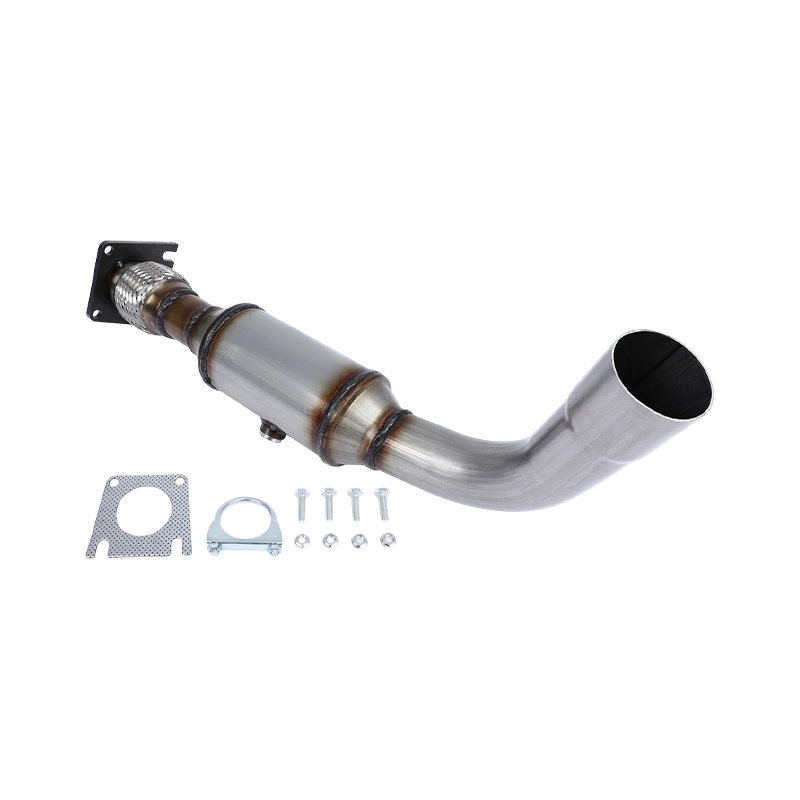
This product is designed for vehicles equipped with a 3.8L engine and an exhaust system OE number of 42912, applicable to 2008-2010 model years. It is...
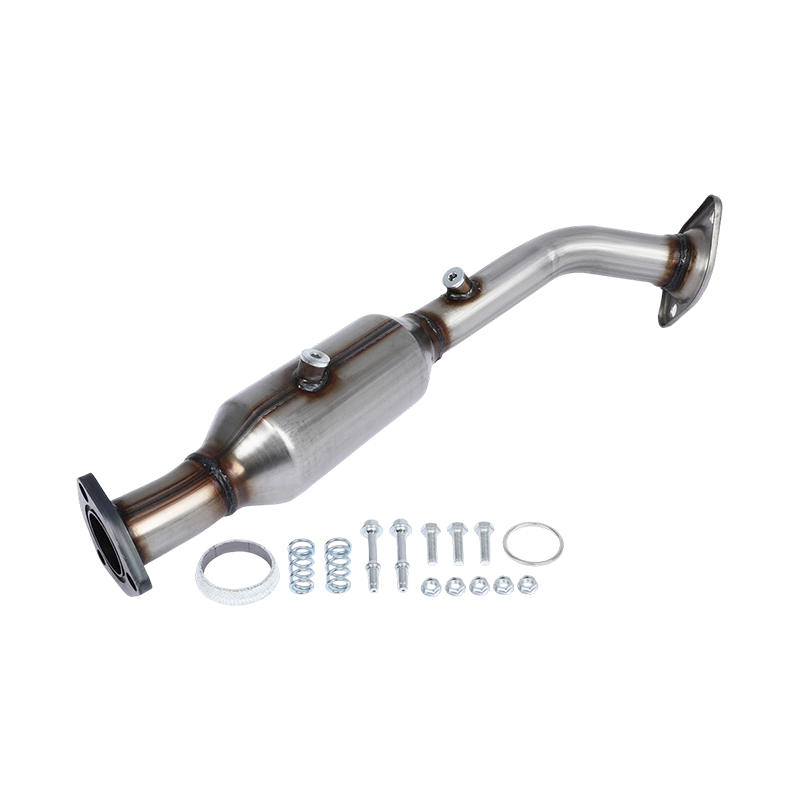
This product is designed for vehicles equipped with a 2.0L base configuration engine and an exhaust system OE number of 53583, applicable to 2002-2006...
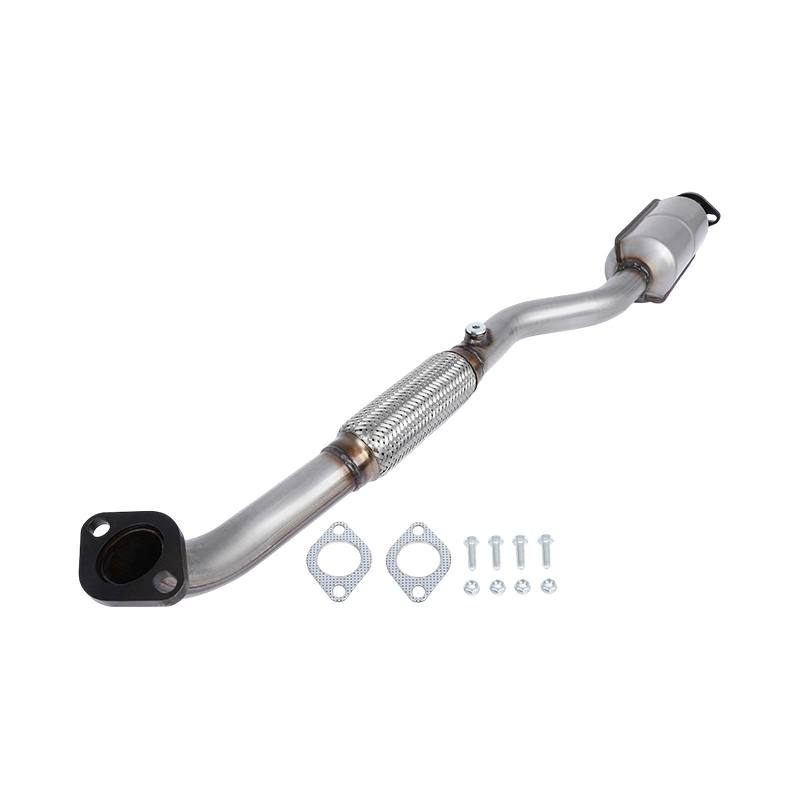
This product is designed for vehicles equipped with a 2.0L engine and an exhaust system OE number of 54774, applicable to 2004-2006 model years. It is...
Emission control catalysts are the primary technological mechanism used to eliminate toxic environ......
READ MOREWhy Welded Catalytic Converter Components Matter in Modern Exhaust Systems Welded catalytic convert......
READ MOREA catalytic converter shell is the first thing you see under a vehicle, but its stainless-steel bod......
READ MOREThree-Way Catalytic Converters: Essential Emission Control Devices Three-way catalytic converters a......
READ MOREEmissions Control / Comparison A three-way catalytic converter is the correct choice for any spark......
READ MOREMitigating hazardous exhaust emissions from internal combustion engines requires an exhaust treatme......
READ MORE