


 English
 русский
 Español
1.7L Exhaust Manifold with Three-Way Catalytic Converter
This product is designed for vehicles equipped with a 1.7L L4 SOHC engine and an exhaust system OE number of 674-608, applicable to 2001-2005 model ye...
Welded catalytic converter components are essential for ensuring structural integrity, emission efficiency, and long-term durability in automotive exhaust systems. By using precise welding techniques, manufacturers can create leak-proof, heat-resistant assemblies that maintain optimal catalytic performance under extreme operating conditions.
In modern vehicles, catalytic converters operate at temperatures ranging from 400°C to over 900°C. Under such conditions, poorly joined components can lead to exhaust leaks, reduced emission control efficiency, and premature system failure. Welded structures provide the strength and sealing required to meet strict environmental standards.
A catalytic converter consists of multiple precision-engineered parts that are assembled using welding techniques to ensure durability and performance:
Each of these components must be accurately aligned and securely welded to ensure consistent exhaust flow and catalytic efficiency.
Different welding processes are applied depending on material thickness, production scale, and performance requirements:
TIG welding is widely used for precision joints where clean, high-quality welds are required. It is ideal for thin stainless steel shells and ensures minimal contamination.
MIG welding offers faster production speeds and is suitable for thicker components such as flanges and mounting brackets.
Laser welding provides high precision and low heat distortion, making it increasingly popular in automated production lines for catalytic converter shells.
This method is often used for attaching heat shields and internal components where speed and repeatability are critical.
Material choice directly affects durability, corrosion resistance, and thermal stability. The most commonly used materials include:
| Material | Key Properties | Typical Application |
|---|---|---|
| Stainless Steel 409 | Good oxidation resistance, cost-effective | Outer shell |
| Stainless Steel 304 | Excellent corrosion resistance | Pipes and joints |
| Aluminized Steel | Cost-effective with moderate corrosion resistance | Budget applications |
Using the right material ensures that welded joints can withstand thermal expansion and vibration without cracking.
Welding provides several key advantages over alternative joining methods such as clamps or mechanical fasteners:
In real-world testing, welded catalytic converter assemblies have shown up to 20–30% longer service life compared to non-welded alternatives in high-stress environments.
Producing high-quality welded catalytic converter components requires strict quality control measures. Common challenges include:
These processes ensure that every welded assembly meets regulatory standards and customer expectations.
Welded catalytic converter components are widely used in various applications:
As emission regulations become more stringent globally, demand for high-quality welded components continues to grow, especially in regions implementing Euro 6 and EPA Tier standards.
Content
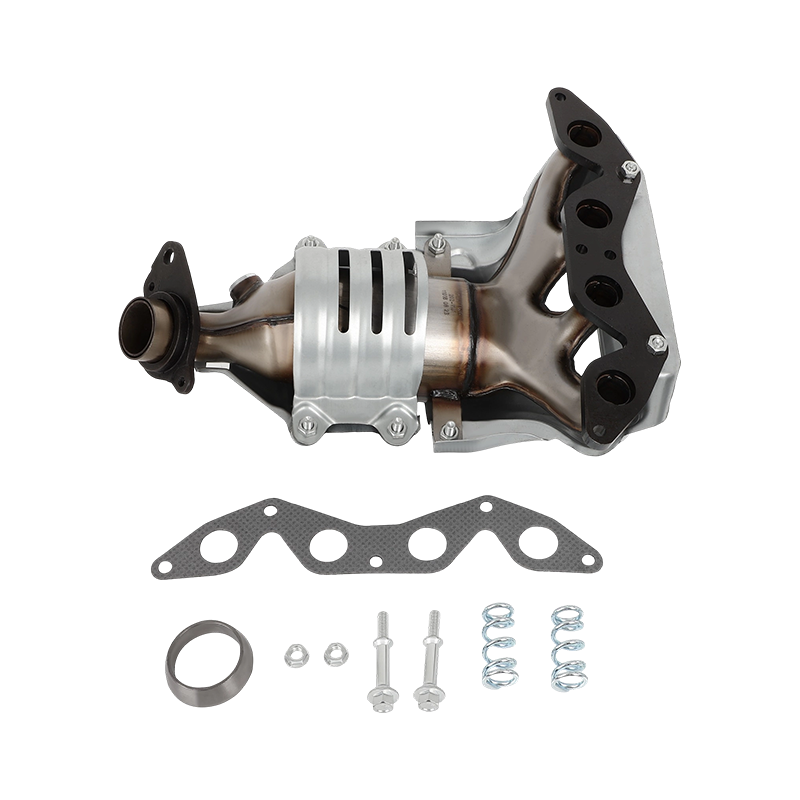
This product is designed for vehicles equipped with a 1.7L L4 SOHC engine and an exhaust system OE number of 674-608, applicable to 2001-2005 model ye...
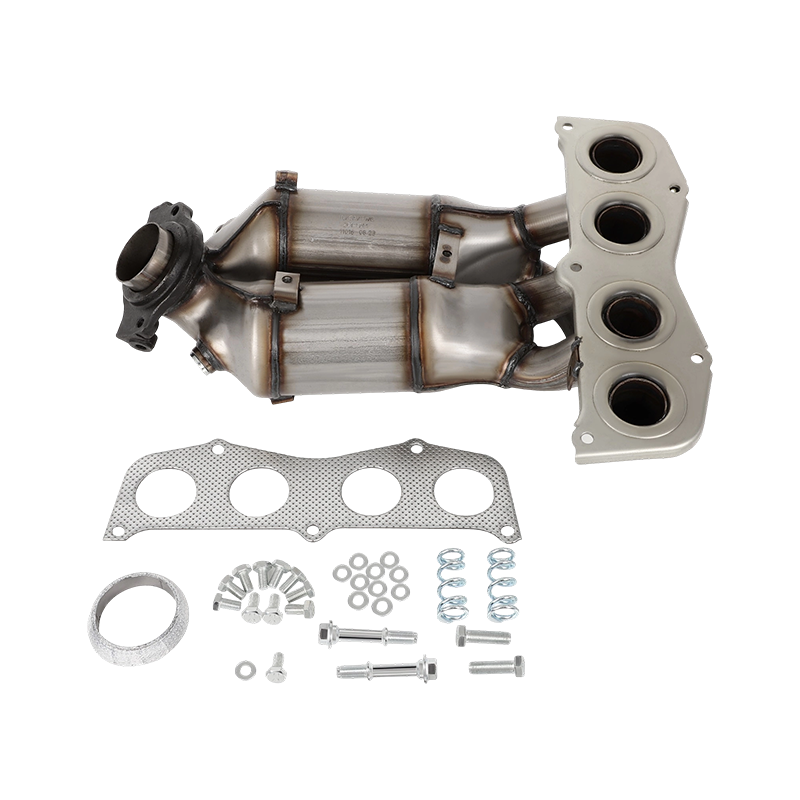
This product is designed for vehicles with an exhaust system OE number of 40583, applicable to 2001-2003 model years. It is an integrated assembly com...
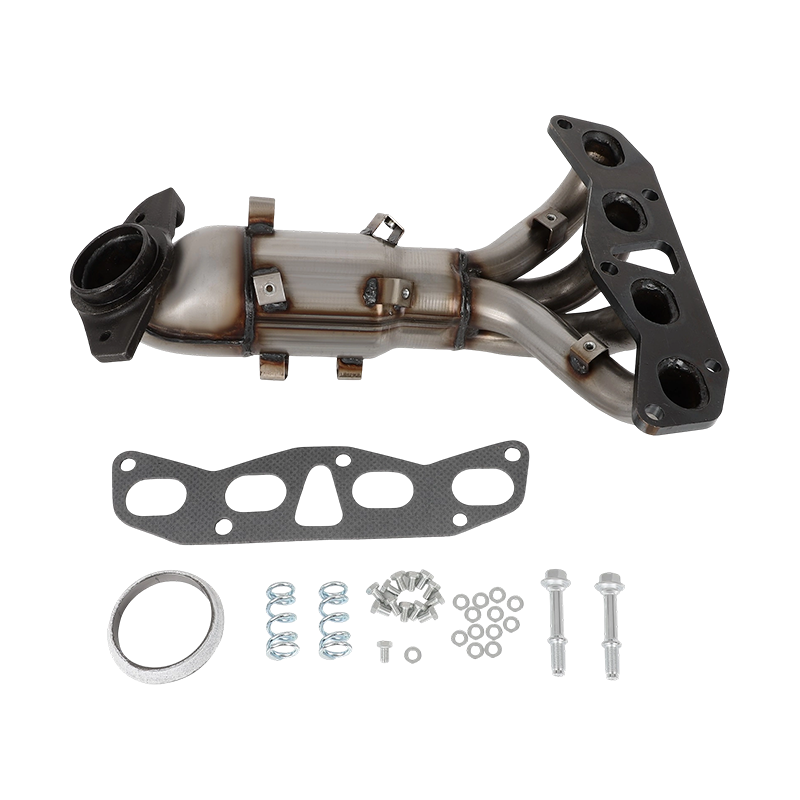
This product is designed for vehicles equipped with a 2.5L engine and an exhaust system OE number of 674-659, applicable to 2002-2006 model years. It ...
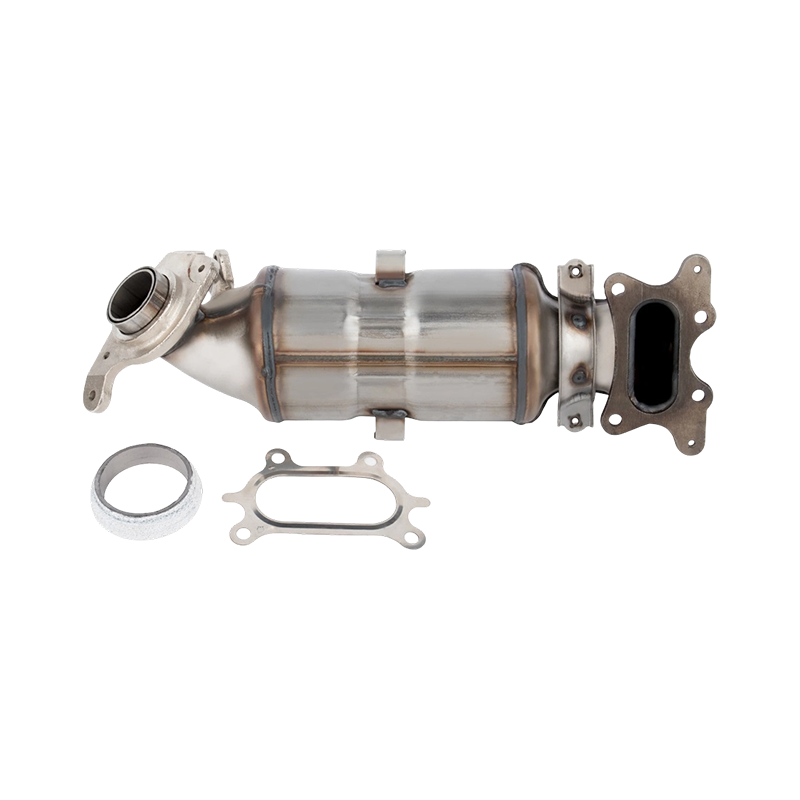
This product is designed for vehicles equipped with a 1.8L four-cylinder SOHC engine and an exhaust system OE number of 674-986, applicable to 2006-20...
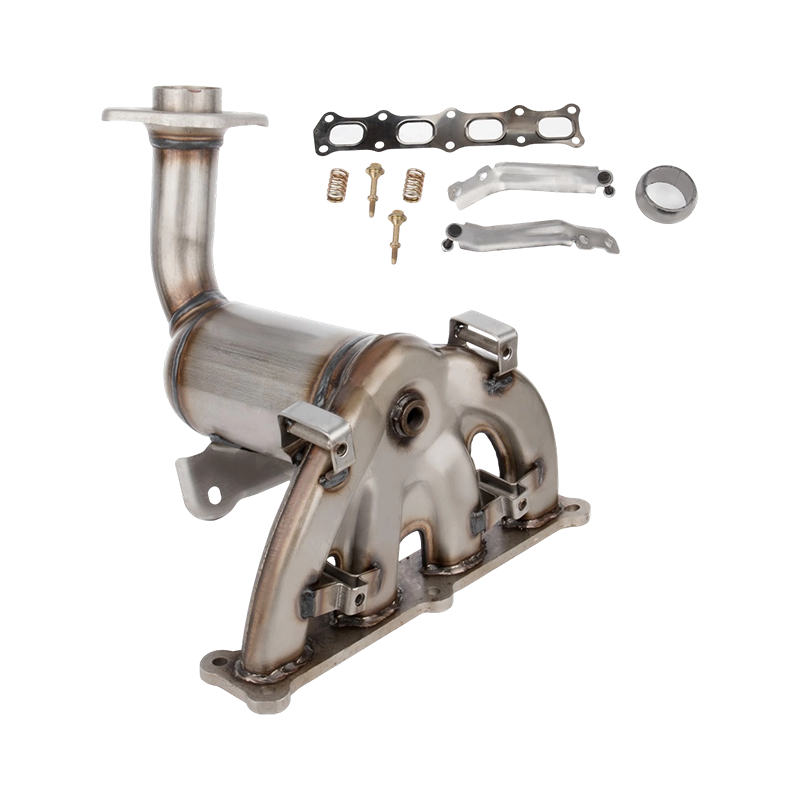
This product is designed for vehicles equipped with a 2.4L AWD engine and an exhaust system OE number of 674-871, applicable to 2007-2010 model years....
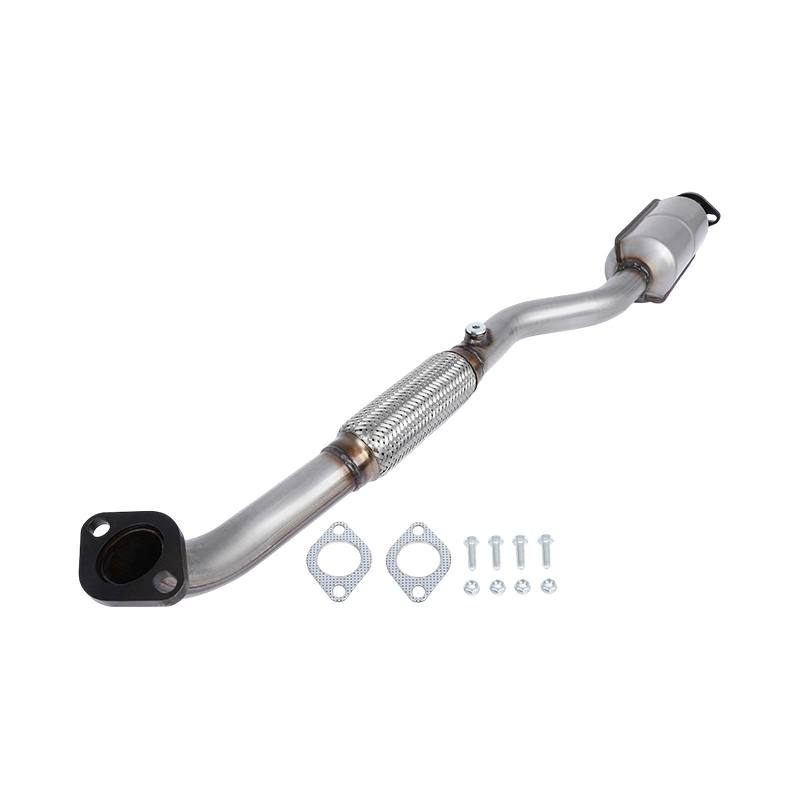
This product is designed for vehicles equipped with a 2.0L engine and an exhaust system OE number of 54774, applicable to 2004-2006 model years. It is...
Three-Way Catalytic Converters: Essential Emission Control Devices Three-way catalytic converters a......
READ MOREUnderstanding Emission Control Catalysts Emission control catalysts play a critical role in the aut......
READ MOREMitigating hazardous exhaust emissions from internal combustion engines requires an exhaust treatme......
READ MOREThe Non-Negotiable Conclusion: Weld Integrity Dictates Catalyst Lifespan For welded catalytic conve......
READ MOREEmissions Control / Comparison A three-way catalytic converter is the correct choice for any spark......
READ MOREIf your diesel engine suddenly loses power while the exhaust smells raw and oily, the problem may b......
READ MORE