


 English
 русский
 Español
Gasoline Particulate Filter (GPF) Catalyst
Working Principle of GPF: Filtration and RegenerationThe basic working principle of the Gasoline Particulate Filter (GPF) is highly similar to that of...
Mitigating hazardous exhaust emissions from internal combustion engines requires an exhaust treatment assembly capable of enduring severe thermal cycling, corrosive gas environments, and continuous mechanical vibrations. Robustly engineered welded catalytic converter components form the structural foundation of these emission control systems, sealing the delicate internal precious metal substrates within a durable, multi-layered metal shell. By utilizing automated Gas Tungsten Arc Welding (GTAW) or Laser Beam Welding (LBW) to join high-chromium ferritic stainless steel stampings, end cones, and oxygen sensor bosses, manufacturers establish an airtight, structurally stable enclosure. This welded housing maintains its physical shape at operating temperatures exceeding 800°C, ensuring that raw exhaust gas is forced through the catalytic matrix without leaking into the surrounding atmosphere.
The operational lifespan of a catalytic converter housing is directly determined by the chemistry and microstructural stability of the raw steel alloys chosen for its welded components. Standard carbon steels or low-tier austenitic alloys fail rapidly under high-temperature exhaust conditions due to excessive thermal expansion or destructive oxidation.
To prevent premature material degradation, industrial catalytic converter components are stamped from specialized ferritic stainless steels, primarily Grade 409 or Grade 439 (containing 11% to 18% chromium). These alloys are stabilized with precise concentrations of titanium and niobium. Ferritic stainless steels are selected because they possess a low coefficient of thermal expansion compared to austenitic grades, which minimizes the mechanical stress generated along weld lines during rapid heat-up and cool-down cycles. The addition of titanium and niobium acts as a stabilizer, binding with carbon and nitrogen during the high-temperature welding phase. This prevents chromium carbide precipitation along the grain boundaries, eliminating intergranular corrosion and maintaining a stable ferritic crystalline microstructure capable of resisting dry air oxidation at continuous temperatures up to 850°C.
When exposed to raw exhaust gases containing oxygen, water vapor, and sulfur compounds, the welded stainless steel shell relies on the formation of a continuous, microscopic protective surface layer. This passive layer is composed primarily of chromium oxide (Cr_2O_3).
If the base metal lacks sufficient chromium or if the heat-affected zone (HAZ) of the weld experiences chromium depletion, the protective passive oxide layer collapses. Without this shield, the steel forms a thick, porous iron oxide scale that flakes away continuously at high speeds, reducing the metal shell thickness by up to 0.5mm over 100,000 kilometers of driving. By maintaining a minimum chromium threshold of 11.5% and using shielding gases with low oxygen content, engineers ensure the chromium oxide layer quickly self-heals after welding, protecting the converter components from deep, structural rust.
Assembling a multi-piece catalytic converter housing requires automated welding systems that can deliver high heat concentration, rapid processing speeds, and consistent penetration depths without warping the thin-gauge metal stampings.
Modern manufacturing facilities utilize automated Gas Metal Arc Welding (GMAW/Pulse-MIG) or high-density Laser Beam Welding (LBW) configurations to join the primary shell halves. The joint profile typically uses a stamped lap-seam or a pinched flange rim running along the centerline of the body. During the automated laser welding process, a highly focused laser beam melts the overlapping 1.2mm to 1.5mm thick metal sheets in milliseconds, creating a narrow, deep weld seam with a very small heat-affected zone. To prevent structural cracking within the weld pool, the robotic systems use an optimized shielding gas mixture consisting of 98% Argon and 2% Carbon Dioxide. This gas blend stabilizes the electric arc, minimizes weld spatter, and stops atmospheric oxygen from contaminating the molten metal pool, ensuring the final joint can handle intense exhaust vibrations.
Automotive and industrial emissions engineers must precisely match component dimensions, sheet thicknesses, and weld geometries to the maximum flow velocities and pressure pulses of the target engine exhaust track. Deploying components with incorrect wall thicknesses or poor weld tolerances can lead to structural splitting, exhaust whistling, or component failure under load.
The table below outlines the core material dimensions, welding specifications, leak testing pressures, and typical structural applications for high-performance welded catalytic converter components:
| Welded Component Classification | Material Grade & Thickness | Primary Welding Technology | Minimum Yield Strength | Quality Leak Test Target |
|---|---|---|---|---|
| Clamshell Main Body Housing | Ferritic SS 409 (1.5mm pm 0.05mm) | Robotic Pulsed GMAW / LBW | 250 MPa | 0.05 MPa Air-Under-Water |
| Inlet / Outlet Transition End Cones | Deep-Draw SS 439 (1.2mm) | Continuous Lap Laser Weld | 280 MPa | < 10 cm/min Permeation |
| Threaded Oxygen Sensor Boss | Machined SS 430F (M18 x 1.5 Pitch) | Automated Rotary GTAW Fillet | 310 MPa | Zero-Bubble Hermetic Seal |
The welded outer shell of a catalytic converter does not touch the internal ceramic monolith substrate directly. Ceramic cordierite substrates are brittle and have an extremely low rate of thermal expansion; clamping them directly inside a metal shell would crush the ceramic matrix within minutes as the metal expands.
To safely hold the fragile ceramic core in place, a flexible, high-temperature support mat is wrapped around the monolith before the outer shell components are welded together. This insulation layer is typically made of an intumescent material containing vermiculite flakes and dense ceramic fibers. When the shell halves are pressed together and welded under high hydraulic pressure, the mat is compressed to a target mounting density of 0.75 to 0.95 $g/cm^3$. As the converter heats up during engine operation, the vermiculite chemically expands, generating a continuous holding pressure that locks the ceramic core securely in place. This expansion cushions the monolith against severe road vibrations and prevents hot exhaust gas from bypassing the catalytic core.
Exhaust gas traveling down a vehicle's narrow tailpipe moves at high speeds. When this concentrated stream reaches the wide body of the catalytic converter, it must expand evenly across the entire face of the internal substrate to avoid creating high-pressure hot spots.
To manage this air movement, the inlet and outlet end cones are engineered as aerodynamic diffusers. The transition walls are angled at an optimal slope of 25 to 40 degrees. If the angle is too steep, the gas flow detaches from the cone walls, creating turbulent eddies and forcing the exhaust straight through the center of the substrate. This center-loading overworks a small section of the precious metals, leading to rapid catalyst burnout and high exhaust backpressure. By welding precision-molded, gradual end cones onto the main body, manufacturers ensure the exhaust spreads evenly across the entire face of the core. This uniform flow maximizes emission reduction efficiency and protects the internal components from uneven thermal stresses.
Assembling and welding converter components requires strict control over mechanical alignment, clamping pressures, and welding parameters. Following a structured manufacturing sequence prevents gaps and ensures every housing provides an airtight, long-lasting seal.
When a catalytic converter assembly splits open along its seam or triggers an engine emissions light during field service, engineers can trace and fix the failure by evaluating the grain structure of the metal and the profile of the broken weld.
A common structural failure found during testing is fatigue cracking running right along the heat-affected zone of the end cone weld, which causes exhaust leaks and severe noise. This cracking is typically caused by excessive heat input during welding, which triggers rapid grain growth in unstabilized ferritic stainless steel. When the automated welding torch moves too slowly, the excessive heat causes the microscopic iron grains in the steel next to the weld line to swell to five times their normal size. These enlarged grains make the metal brittle, causing it to crack under the continuous vibrations of the vehicle's exhaust system. To fix this issue, operators must recalibrate the robotic programs to increase torch travel speeds, reduce the welding current, or swap the component out for a niobium-stabilized Grade 439 steel that limits grain growth at high temperatures.
Another serious manufacturing defect is internal substrate erosion, where the ceramic core rattles loose and wears away into a fine dust that is blown out the tailpipe. This failure points directly to insufficient hydraulic clamping force or a miscalculated gap size during the shell welding process. If the factory tooling clamps do not compress the outer shell halves tightly enough before welding, the internal intumescent insulation mat cannot reach its target mounting density. Over time, the exhaust pulses push the loose ceramic block back and forth inside the loose housing, grinding its edges away until the core bypasses completely. Quality control teams can fix this issue by adding real-time laser distance sensors to the assembly presses, making sure every shell is compressed to its exact structural dimensions before the laser welding cycle begins.
Content
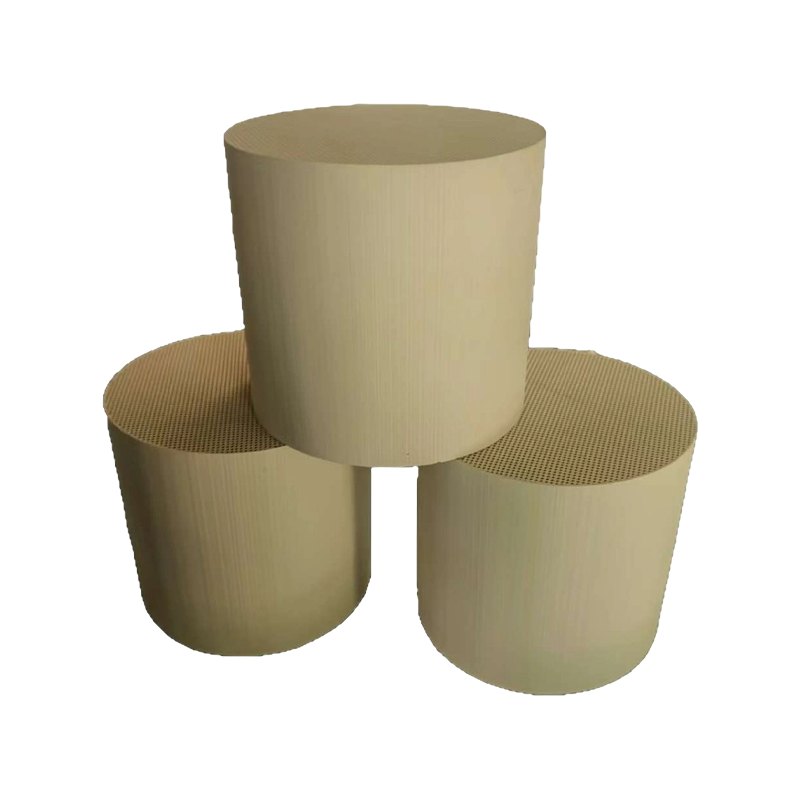
Working Principle of GPF: Filtration and RegenerationThe basic working principle of the Gasoline Particulate Filter (GPF) is highly similar to that of...
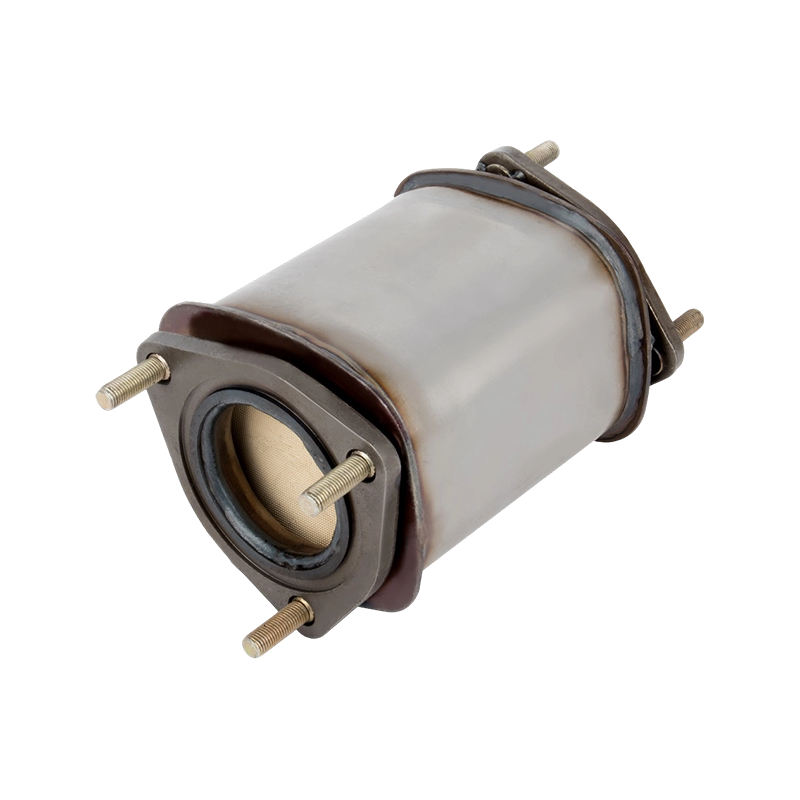
This product is designed for vehicles equipped with a 1.6L engine and an exhaust system OE number of 16474, applicable to 2004-2008 model years. It is...
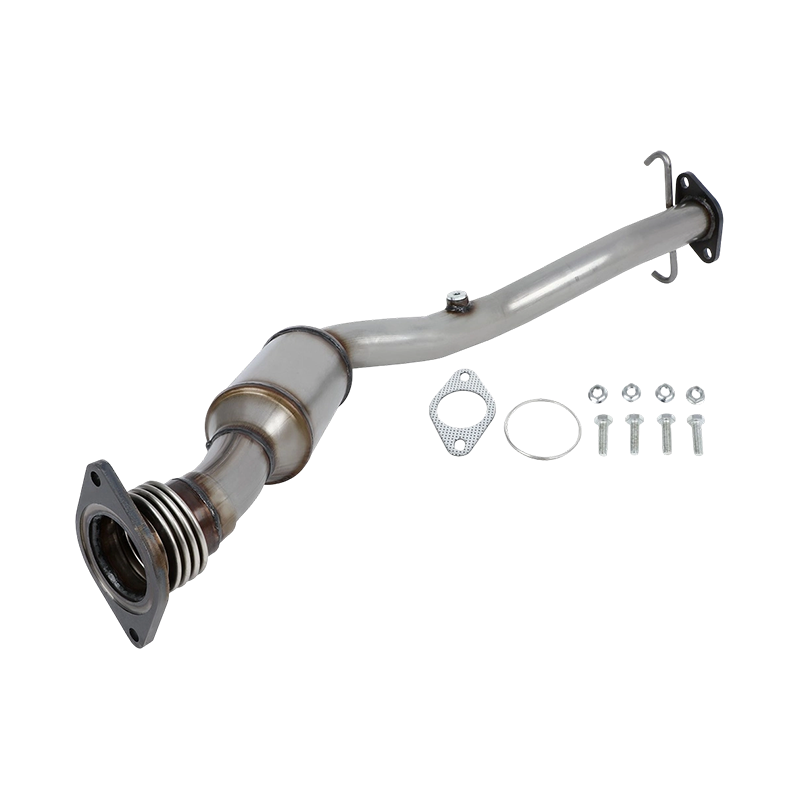
This product is designed for vehicles equipped with a 3.8L engine and an exhaust system OE number of 54752, applicable to 2004-2008 model years. It is...
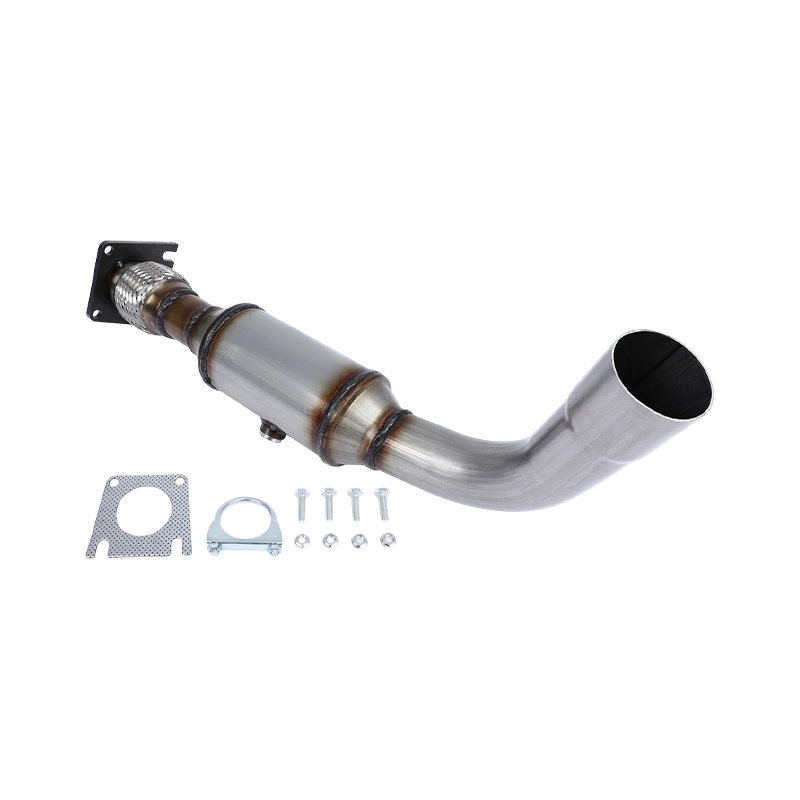
This product is designed for vehicles equipped with a 3.8L engine and an exhaust system OE number of 42912, applicable to 2008-2010 model years. It is...
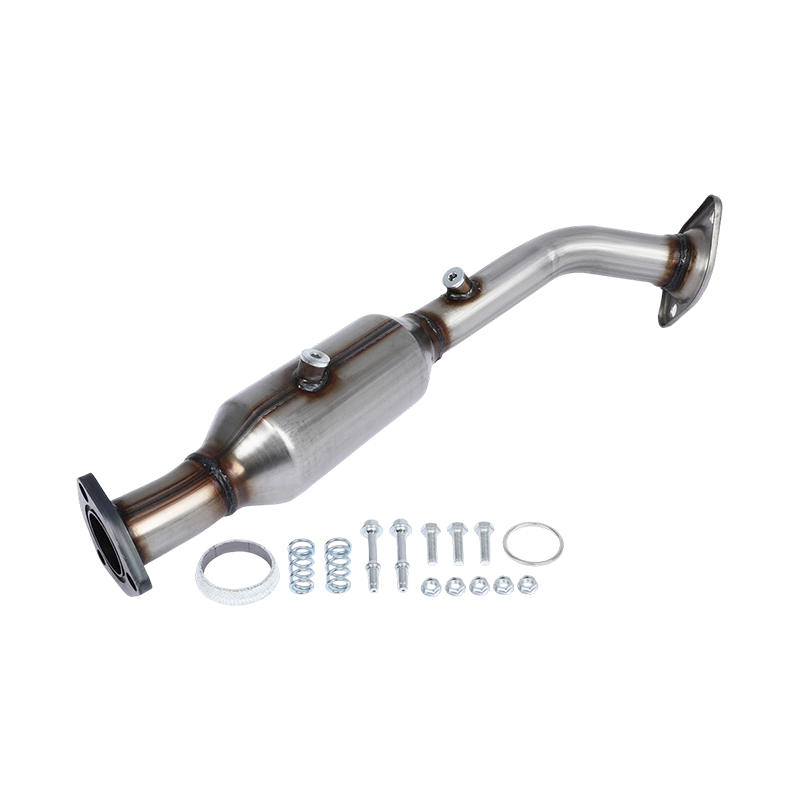
This product is designed for vehicles equipped with a 2.0L base configuration engine and an exhaust system OE number of 53583, applicable to 2002-2006...
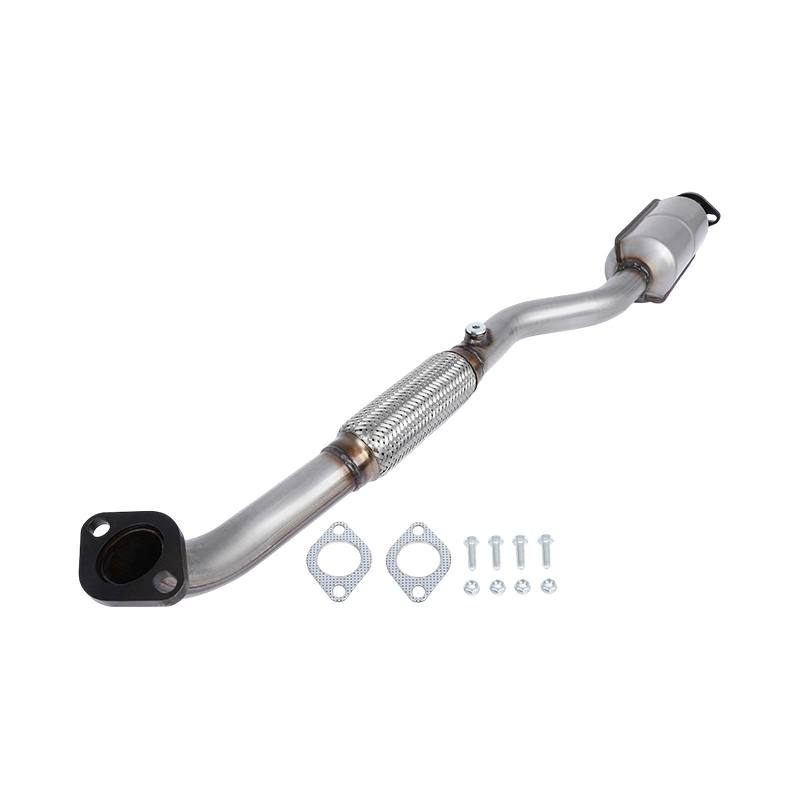
This product is designed for vehicles equipped with a 2.0L engine and an exhaust system OE number of 54774, applicable to 2004-2006 model years. It is...
Why Welded Catalytic Converter Components Matter in Modern Exhaust Systems Welded catalytic convert......
READ MOREAchieving structural integrity and optimal exhaust flow in emission control hardware depends entir......
READ MOREA catalytic converter shell is the first thing you see under a vehicle, but its stainless-steel bod......
READ MOREEvery gasoline engine that meets modern emission standards depends on a component most drivers neve......
READ MOREThe Non-Negotiable Conclusion: Weld Integrity Dictates Catalyst Lifespan For welded catalytic conve......
READ MOREWhen an exhaust system integrator or procurement engineer evaluates a catalytic converter, the firs......
READ MORE