


 English
 русский
 Español
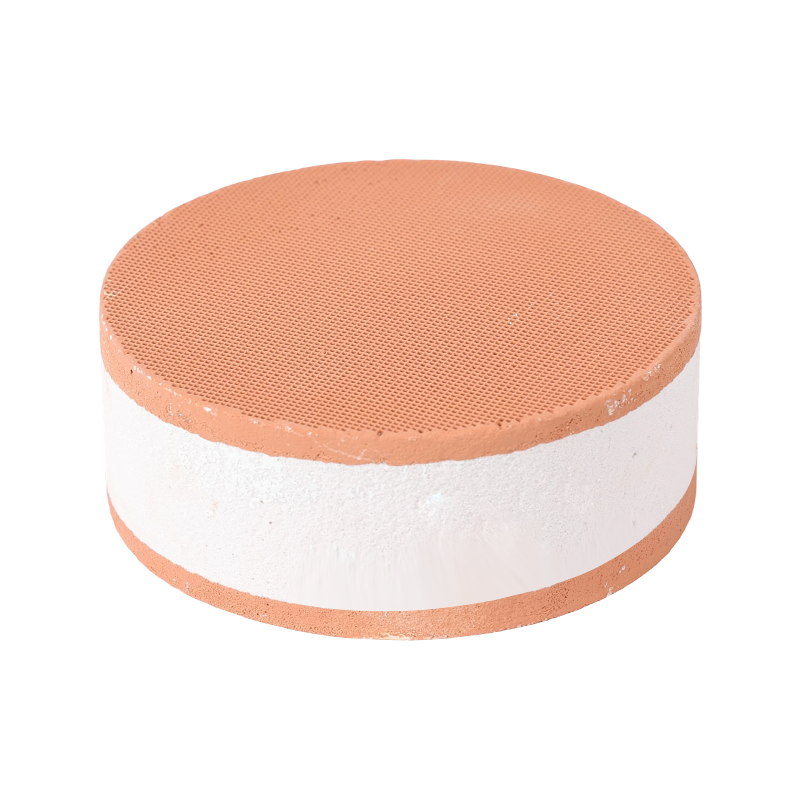
Diesel Particulate Filter (DPF) Catalyst Element
Diesel Particulate Filter (DPF) welded assemblies are critical mechanical modules in the exhaust after-treatment system for achieving efficient partic...
A Diesel Oxidation Catalyst (DOC) is an emissions control device installed in the exhaust system of diesel-powered vehicles and equipment. It uses a chemical reaction — oxidation — to convert harmful exhaust gases such as carbon monoxide (CO), unburned hydrocarbons (HC), and soluble organic fractions (SOF) of particulate matter into less harmful carbon dioxide (CO₂) and water vapor (H₂O). The DOC is typically the first component in a diesel aftertreatment system and serves as the foundation for more advanced emission controls downstream.
In practical terms, a properly functioning DOC can eliminate up to 90% of carbon monoxide and hydrocarbons from diesel exhaust under optimal operating conditions. It also raises exhaust gas temperature, which is critical for the regeneration of downstream components like the Diesel Particulate Filter (DPF). Without a working DOC, modern diesel emission systems cannot function effectively.
Whether you operate a diesel truck, a construction machine, a generator, or a marine vessel, understanding the diesel oxidation catalyst is essential for maintaining compliance, protecting engine components, and reducing environmental impact.
The DOC operates on a straightforward but powerful chemical principle: catalytic oxidation. Inside the device is a ceramic or metallic substrate shaped into a honeycomb structure with thousands of small parallel channels. The interior surface of these channels is coated with a high-surface-area washcoat — typically aluminum oxide (Al₂O₃) — that holds the precious metal catalysts, most commonly platinum (Pt) and palladium (Pd).
When hot exhaust gases flow through these channels, the precious metals act as catalysts that accelerate oxidation reactions without being consumed themselves. The key reactions are:
The conversion of NO to NO₂ is particularly important in modern aftertreatment systems. NO₂ is a more reactive oxidizer than oxygen alone and plays a critical role in passive DPF regeneration at lower exhaust temperatures, as well as in SCR (Selective Catalytic Reduction) systems for NOx removal.
The DOC only becomes active above its light-off temperature, typically between 150°C and 250°C (302°F–482°F) depending on the catalyst formulation. Below this temperature, the precious metals do not catalyze oxidation efficiently, and pollutants pass through largely unreacted. This is why cold starts and short-trip low-load operations present a challenge for DOC performance — the exhaust may not reach sufficient temperature for the catalyst to activate fully.
Engineers address this with strategies such as exhaust heat management, intake air throttling, late fuel injection, and electric catalyst preheating in newer systems. Some advanced DOC formulations incorporate zeolite-based hydrocarbon storage to capture HC during cold start and release them later once temperatures rise.
Understanding what the DOC removes — and what it does not — is critical for selecting and managing emission systems properly. The primary targets are:
| Pollutant | Typical DOC Reduction | Mechanism |
|---|---|---|
| Carbon Monoxide (CO) | 70–90% | Oxidized to CO₂ |
| Hydrocarbons (HC) | 70–90% | Oxidized to CO₂ + H₂O |
| Soluble Organic Fraction (SOF) | 40–80% | Organic portion of PM oxidized |
| Nitric Oxide (NO) | Partially converted to NO₂ | Oxidation — supports DPF/SCR |
| Total Particulate Matter (PM) | 20–50% (organic fraction only) | SOF oxidation; soot not captured |
| NOx (total) | Not significantly reduced | Requires SCR downstream |
A key point often misunderstood: the DOC does not significantly reduce total NOx emissions. While it converts some NO to NO₂, the total NOx level in exhaust remains largely unchanged. NOx control requires a separate Selective Catalytic Reduction (SCR) system using a urea-based reductant (DEF/AdBlue). Similarly, the DOC does not capture solid soot particles — that task belongs to the DPF.
For operators primarily concerned with visible smoke, odor, and CO poisoning risk — such as those using diesel equipment indoors or in confined spaces — the DOC provides meaningful and immediate protection by eliminating the majority of CO and HC emissions.
The physical design of a diesel oxidation catalyst has a direct impact on its efficiency, durability, and backpressure characteristics. Most DOCs share a common architecture but vary in material, cell density, and precious metal loading.
The two most common substrate materials are:
Cell density is expressed in cells per square inch (CPSI). Standard DOCs range from 200 to 400 CPSI. Higher cell density means more surface area per unit volume, increasing catalyst contact and conversion efficiency — but also increasing exhaust backpressure. For large diesel engines, balancing cell density with acceptable backpressure is a critical engineering tradeoff.
The amount and ratio of platinum (Pt) to palladium (Pd) significantly affects both performance and cost. Platinum is more active for CO and HC oxidation at lower temperatures, while palladium improves thermal stability and helps reduce SO₂ oxidation (which would form sulfate particulates — a negative side effect). A typical DOC uses a Pt:Pd ratio between 1:1 and 5:1, with total precious metal loading ranging from 20 to 120 g/ft³ depending on the application.
Higher precious metal loading improves conversion efficiency and lowers the light-off temperature, but significantly increases cost. As of recent years, the price of platinum has ranged between $900–$1,100 per troy ounce, and palladium has fluctuated between $1,200–$2,500 per troy ounce, making catalyst loading decisions economically significant.
The diesel oxidation catalyst does not work in isolation. It is the first stage in a multi-component aftertreatment architecture that modern diesel engines require to meet increasingly stringent emissions standards such as Euro 6, EPA Tier 4 Final, and CARB regulations.
A typical modern diesel aftertreatment system follows this sequential layout:
The DOC's role in DPF regeneration deserves special emphasis. Soot trapped in the DPF must periodically be burned off (regeneration) to prevent excessive backpressure and potential DPF damage. Passive regeneration relies on NO₂ produced by the DOC to oxidize soot at temperatures as low as 250–350°C. Active regeneration involves injecting additional fuel (either in-cylinder post-injection or a separate fuel doser) upstream of the DOC, which the DOC oxidizes to generate a rapid temperature spike — often up to 550–650°C — sufficient to burn accumulated soot.
If the DOC is degraded or failing, active regeneration becomes unreliable because the DOC cannot convert the additional fuel into sufficient heat. This is one of the most common causes of DPF failure, an expensive repair that can cost $1,500 to $8,000 or more depending on the vehicle.
The diesel oxidation catalyst became a mandated or practically necessary component following the tightening of diesel emissions standards worldwide. Its adoption has tracked closely with regulatory milestones:
| Standard | Region | Year | DOC Requirement |
|---|---|---|---|
| Euro 3 | EU | 2000 | Commonly used; not mandatory |
| Euro 4 / EPA 2004 | EU / US | 2005–2007 | Practically required for HC/CO compliance |
| Euro 5 / EPA 2010 | EU / US | 2009–2011 | Required as part of DOC+DPF system |
| Euro 6 / Tier 4 Final | EU / US | 2014–2015 | Essential — DOC+DPF+SCR mandatory |
| China 6 / BS VI | China / India | 2020–2023 | Full aftertreatment system required |
Under EPA Tier 4 Final regulations for off-road diesel equipment (fully phased in by 2015), CO emissions must be reduced by approximately 70% compared to pre-Tier 4 levels. HC reductions of up to 90% are also mandated. The DOC is the primary technology enabling compliance with these CO and HC limits.
Tampering with or removing a DOC is illegal under the Clean Air Act in the United States and equivalent regulations in other jurisdictions. Fines for tampering can reach $44,539 per violation per day under current EPA enforcement guidelines. Beyond fines, vehicles failing emissions inspections cannot be registered or legally operated in most jurisdictions.
Like all exhaust components, the DOC degrades over time. Understanding the causes and symptoms of failure helps operators intervene before costly downstream damage occurs.
Recognizing DOC failure early can prevent a minor replacement from escalating into a full aftertreatment system overhaul. Watch for:
Accurate diagnosis of DOC performance requires more than just reading fault codes. Because the DOC does not have direct monitoring sensors in most systems, diagnosis is often indirect and requires interpreting multiple data points.
The most reliable field diagnostic technique is measuring the temperature rise across the DOC during an active regeneration event. A functioning DOC should produce a temperature increase of at least 100–200°C across its inlet and outlet when fuel is being oxidized during a regeneration cycle. If the outlet temperature barely rises above the inlet temperature, the DOC is no longer catalyzing oxidation efficiently.
Most modern diesel systems log these temperatures via ECU data, accessible through manufacturer-specific diagnostic software or advanced OBD-II scan tools capable of reading live data streams.
A portable emissions analyzer can measure CO and HC concentrations upstream and downstream of the DOC. A properly functioning catalyst should show greater than 70% reduction in both pollutants at normal operating temperature. Readings showing less than 30–40% reduction at operating temperature indicate significant catalyst degradation.
Physical inspection through the inlet or outlet using a borescope can reveal cracked substrates, collapsed channels, or heavy sooting/oil contamination. A gray or white appearance is normal. A heavily blackened substrate indicates oil or fuel contamination, while a melted or cracked structure indicates thermal damage.
Unlike a DPF, a DOC should create minimal exhaust backpressure because its channels are open (not plugged). A significantly elevated pressure drop across the DOC indicates physical blockage, collapsed channels, or severe contamination. Reference pressure specifications from the OEM for the specific engine and DOC configuration.
When a DOC is found to be degraded, operators have three options: cleaning, remanufacturing, or replacement with a new or aftermarket unit. The right choice depends on the type and extent of degradation.
DOCs contaminated with oil ash, soot, or light sulfur deposits can sometimes be restored through professional cleaning. Methods include:
Cleaning can restore some catalyst activity, but it cannot reverse precious metal sintering, phosphorus poisoning, or physical substrate damage. Professional DOC cleaning services typically cost $200–$600, compared to replacement costs of $800–$3,000 or more for OEM units.
Remanufactured DOCs involve restoring the housing and replacing the substrate with fresh catalyst material. This provides near-OEM performance at a reduced cost — typically 30–50% less than a new OEM unit. Aftermarket DOCs from reputable suppliers can be a cost-effective solution for fleet operators, but quality varies significantly. Key considerations include:
The diesel oxidation catalyst is often treated as a "fit and forget" component, but proactive maintenance practices can significantly extend its operational life and prevent cascading failures in the aftertreatment system.
In the United States, ULSD with a maximum of 15 parts per million (ppm) sulfur has been mandatory for highway diesel since 2006. Using non-compliant fuel — which may still be available in some off-road or agricultural contexts — can accelerate sulfur poisoning of the DOC. Always verify fuel quality, especially when operating equipment in regions where fuel quality controls are less rigorous.
Phosphorus from engine oil is a leading cause of permanent catalyst poisoning. Use only engine oils certified to API CK-4 or FA-4 standards (or manufacturer-specified equivalents), which have reduced phosphorus content specifically to protect aftertreatment systems. Extending oil change intervals beyond OEM recommendations accelerates oil degradation and blowby contamination of the exhaust.
Extended idling produces low exhaust temperatures that can allow unburned hydrocarbons and oil mist to accumulate on the catalyst surface. If prolonged idling is unavoidable, periodic higher-load operation to raise exhaust temperatures above 300°C helps burn off accumulated deposits. Many modern engine management systems include idle protection strategies that automatically raise engine speed periodically during extended idle.
Abnormally frequent DPF regeneration cycles are often an early warning sign of DOC degradation. Tracking regeneration intervals through fleet telematics or engine diagnostic software allows maintenance teams to identify DOC performance decline before it causes complete failure or DPF damage. A typical DPF active regeneration cycle should occur every 300–500 miles of highway driving or roughly every 8–10 hours of continuous operation, depending on the engine and application.
Include DOC inspection as part of scheduled preventive maintenance — typically at every second or third major service interval, or at least annually for equipment operating in harsh conditions. Visual inspection, borescope examination, and temperature delta checks during a regeneration cycle can be completed in under an hour and provide early warning of developing issues.
While the DOC is commonly associated with on-road diesel trucks and buses, its application extends across a broad range of diesel-powered platforms — each with unique operational challenges.
Excavators, bulldozers, combines, and loaders operating under EPA Tier 4 Final requirements must incorporate DOCs as part of their aftertreatment systems. Off-road equipment faces unique challenges including:
Major manufacturers such as Caterpillar, John Deere, Komatsu, and CNH have developed integrated aftertreatment systems specifically for these conditions, with thermally insulated DOC housings and advanced engine management to maintain catalyst operating temperatures.
Marine diesel engines face a particularly challenging environment for DOC application: high humidity, salt exposure, and the fact that many marine engines operate at relatively low, steady loads for long periods. The International Maritime Organization (IMO) Tier II and Tier III standards are driving increased adoption of aftertreatment systems in commercial shipping. However, space constraints on vessels require compact DOC designs, and the risk of seawater ingestion requires corrosion-resistant housings.
For commercial inland and harbor vessels operating in regulated zones — such as Emission Control Areas (ECAs) designated under MARPOL Annex VI — DOC+SCR systems are increasingly common to meet both PM and NOx requirements simultaneously.
Data centers, hospitals, and emergency facilities rely on large stationary diesel generators that may be subject to EPA Stationary Engine regulations under 40 CFR Part 60 and Part 63. For generators rated above 300 horsepower, DOC installation is often required or strongly incentivized to meet CO and HC emission limits for areas with non-attainment air quality status.
Stationary generators typically run at a fixed load point, which is actually beneficial for DOC performance — consistent exhaust temperature makes catalyst management simpler. However, because emergency generators are designed to start reliably after long storage periods, cold-start DOC performance is critical. Some facilities use engine pre-warming systems to ensure exhaust reaches DOC light-off temperature quickly during an emergency start.
The DOC is not a static technology. Research and development continue to push performance improvements, cost reduction, and adaptation to new fuel types and engine architectures.
One of the most active research areas is developing DOC formulations that achieve high conversion efficiency at temperatures below 150°C — addressing the cold-start performance gap. Approaches include:
Given the high and volatile cost of platinum and palladium, significant research effort has focused on reducing precious metal content without sacrificing performance. Advances in washcoat engineering — achieving finer precious metal particle dispersion — mean that current-generation DOCs can achieve equivalent performance with 20–30% less precious metal compared to designs from a decade ago. Some research programs aim to replace palladium partially with gold-palladium alloys or entirely with base metal catalysts for low-temperature applications.
In active DPF regeneration systems, the DOC must efficiently oxidize hydrocarbon fuel injected upstream. Advanced fuel dosing control algorithms — increasingly based on model-based control and machine learning — are improving the precision of fuel dosing, maximizing heat generation while minimizing unburned HC slip and fuel consumption during regeneration events.
As diesel engines increasingly run on biodiesel blends, renewable diesel (R99/R100), and synthetic fuels (e-diesel), DOC formulations are being adapted for the different HC speciation in these fuels. Renewable diesel in particular — which is chemically similar to petroleum diesel but produced from vegetable oils or animal fats — has shown compatible or even improved DOC performance characteristics, with lower SO₂ and aromatic HC emissions that reduce catalyst poisoning risk.
From a fleet management or equipment ownership perspective, maintaining a functional DOC is a financially sound investment — not merely a compliance obligation.
Consider a typical Class 8 diesel truck with a DPF and SCR system. A new OEM DOC may cost $800 to $2,500 depending on the engine platform. A new DPF for the same truck typically costs $3,000 to $5,000. If a degraded DOC causes repeated failed regenerations and eventual DPF damage, the repair cost easily exceeds $5,000–$8,000, not including labor and downtime.
Fleet operators tracking vehicle uptime report that aftertreatment-related breakdowns — many attributable to degraded DOCs leading to DPF or SCR failures — can cost $500 to $1,500 per day in lost productivity for a single truck. Proactive DOC monitoring and timely replacement is economically straightforward to justify.
There is also fuel economy to consider. A properly functioning DOC contributes to complete combustion management and ensures that DPF regeneration cycles complete efficiently. A degraded DOC that cannot support proper regeneration can result in fuel consumption increases of 2–5% due to incomplete or extended regeneration events — a significant cost at scale across a large fleet.
Finally, for operators in regulated industries — waste management, public transit, government contracting — maintaining aftertreatment compliance is not optional. Contract requirements and emissions audit programs mean that a single non-compliant vehicle can result in contract penalties or disqualification far exceeding the cost of a replacement DOC.
A well-maintained DOC in a properly functioning engine using ULSD fuel can last 200,000 to 400,000 miles or 10,000+ operating hours. In applications with poor fuel quality, high oil consumption, or frequent thermal stress, service life may be significantly shorter — as low as 50,000–100,000 miles in worst-case scenarios.
Technically, an engine can run with a degraded or missing DOC, but doing so is illegal in most jurisdictions, risks DPF damage from failed regenerations, increases CO and HC emissions significantly, and may trigger an engine derate mode that limits vehicle speed or power. In a derate condition, the vehicle may not be operable above 5 mph — a safety and operational emergency in commercial applications.
Black smoke is primarily solid soot (carbon) particles, which are not captured or oxidized by the DOC. Soot control requires a Diesel Particulate Filter (DPF). However, the DOC does reduce white or blue smoke associated with HC and oil vapor in the exhaust, contributing to overall visible emission reduction.
They operate on the same principle — catalytic oxidation — but a gasoline engine's three-way catalytic converter (TWC) simultaneously oxidizes CO and HC and reduces NOx. A diesel DOC only performs oxidation reactions and does not reduce NOx. NOx reduction in diesel requires a separate SCR system. Additionally, a diesel DOC must handle significantly higher soot loads and a wider range of operating temperatures than a gasoline TWC.
Biodiesel blends up to B20 (20% biodiesel) are generally compatible with existing DOC systems. Higher biodiesel concentrations — B50 and above — can increase HC and aldehyde emissions in certain engine configurations, which the DOC must process. Most OEMs recommend confirming aftertreatment compatibility before using blends above B20. Renewable diesel (R100) is fully compatible with DOC systems and often improves overall aftertreatment performance.
Using high-sulfur diesel fuel in a vehicle equipped with a DOC accelerates sulfur poisoning of the catalyst. Sulfur dioxide (SO₂) produced during combustion competes with CO and HC for active catalyst sites and can bind permanently to precious metal particles, reducing catalytic efficiency. Even a single tankful of high-sulfur fuel (above 500 ppm sulfur) can cause measurable temporary deactivation. Repeated exposure causes irreversible damage. In the United States, on-road ULSD is capped at 15 ppm sulfur, but certain off-road fuels — sometimes used illegally in on-road equipment — may contain significantly higher sulfur levels. Always verify fuel specifications before filling.
Light cleaning — such as blowing out loose debris with compressed air — can be done carefully by a knowledgeable technician in a shop setting. However, aqueous washing and thermal cleaning require controlled conditions and proper drying to avoid cracking the ceramic substrate from thermal shock. Improper cleaning can also wash away the precious metal washcoat if aggressive chemicals are used, permanently destroying catalytic activity. Professional cleaning services are strongly recommended for anything beyond minor debris removal. Companies specializing in aftertreatment cleaning use ultrasonic baths, controlled temperature ovens, and post-cleaning verification testing to confirm catalyst restoration before reinstallation.
A properly functioning DOC has a negligible direct effect on fuel economy — typically less than 0.5% fuel consumption increase attributable to exhaust backpressure from the DOC substrate. However, a degraded DOC can indirectly harm fuel economy significantly. When the DOC cannot support efficient DPF regeneration, regeneration cycles become longer, more frequent, or incomplete, consuming additional fuel during the process. Fleet studies have documented fuel consumption increases of 2–5% in vehicles with underperforming DOC and DPF combinations compared to properly maintained systems.
The California Air Resources Board (CARB) maintains an Executive Order (EO) system for verifying aftertreatment component compliance. A CARB-compliant DOC will have an associated EO number that can be verified on the CARB website. This is particularly important for fleets operating in California under the Truck and Bus Regulation or the In-Use Off-Road Diesel Vehicle Regulation. Installing a non-certified replacement DOC — even one that functions identically — can result in a compliance violation during inspection. When sourcing replacement DOCs for California-registered vehicles, always confirm the EO number with the supplier before purchase.
Yes — significantly. ECU tuning that increases fueling, alters injection timing, or raises boost pressure can change exhaust gas temperature and composition in ways that stress the DOC beyond its design envelope. Tunes that increase exhaust temperatures above 800°C sustained accelerate thermal aging of the precious metal washcoat. Tunes that increase HC output — such as aggressive late injection strategies — can cause hydrocarbon overloading of the DOC, leading to uncontrolled exothermic reactions and substrate meltdown in severe cases. Additionally, any ECU modification that disables aftertreatment monitoring or regeneration strategies is illegal under emissions regulations and will ultimately compromise DOC and DPF integrity.
In some conditions, yes. When a DOC oxidizes sulfur compounds in diesel exhaust, it can convert sulfur dioxide (SO₂) into sulfur trioxide (SO₃), which reacts with water vapor to form sulfuric acid mist — producing a sharp, pungent odor sometimes described as a "rotten egg" or acidic smell. This is more common in DOCs with high platinum loading operating at elevated temperatures. It is also more pronounced when using diesel fuel with sulfur content above ULSD standards. The use of palladium in the catalyst formulation helps suppress SO₂ oxidation. If a strong sulfur smell is persistent, it is worth checking fuel sulfur content and DOC catalyst formulation against OEM specifications.
Cold ambient temperatures make reaching DOC light-off temperature more difficult, particularly during short trips or extended low-load idling. In temperatures below −20°C (−4°F), exhaust heat losses to the atmosphere can be severe enough that the DOC never fully activates during short duty cycles. This leads to HC and CO breakthrough — pollutants exiting the tailpipe without oxidation — and increased hydrocarbon accumulation on catalyst surfaces. Fleet operators in cold climates should consider engine pre-heating systems, exhaust insulation wraps on DOC housings, and operating protocols that include a brief warm-up period at moderate load before full operation. Some modern systems incorporate electric catalyst heating elements that bring the DOC to operating temperature within 20–30 seconds of engine start, regardless of ambient temperature.
Yes. The most practical in-vehicle test is a temperature delta check during an active DPF regeneration cycle. Using a manufacturer-grade diagnostic tool or advanced OBD-II scanner capable of live data streaming, technicians monitor the DOC inlet and outlet temperature sensors simultaneously during regeneration. A functioning DOC should show a temperature rise of at least 100°C to 200°C across the unit when hydrocarbon dosing is active. A rise of less than 50°C suggests significant catalyst degradation. This test can be performed in under 30 minutes on most modern diesel vehicles and requires no disassembly. Supplementing this with a portable exhaust gas analyzer measuring CO and HC concentrations at the tailpipe provides additional confirmation of overall aftertreatment system health.
Content
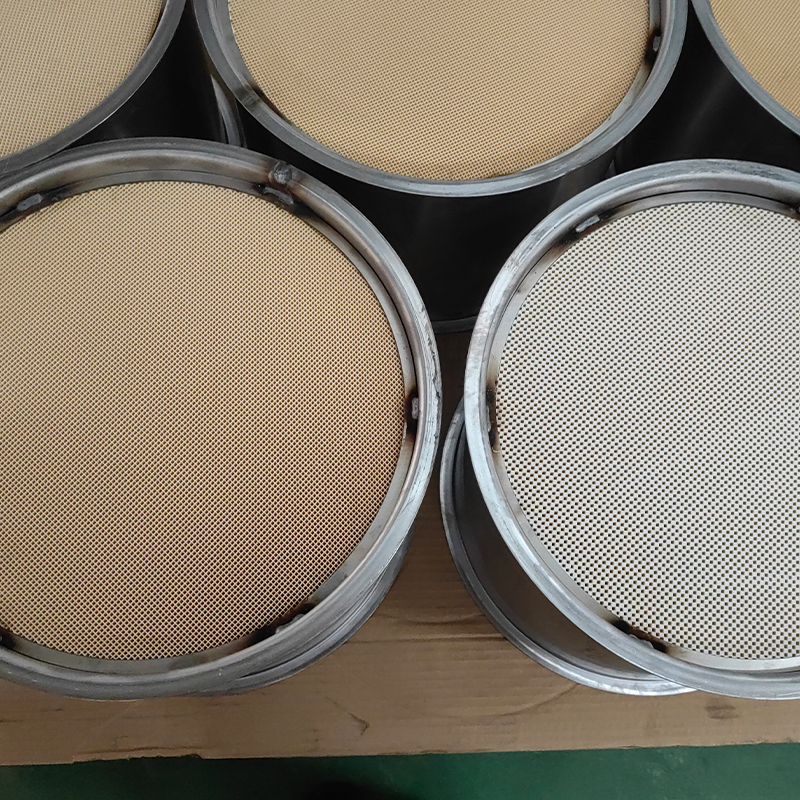
Diesel Particulate Filter (DPF) welded assemblies are critical mechanical modules in the exhaust after-treatment system for achieving efficient partic...
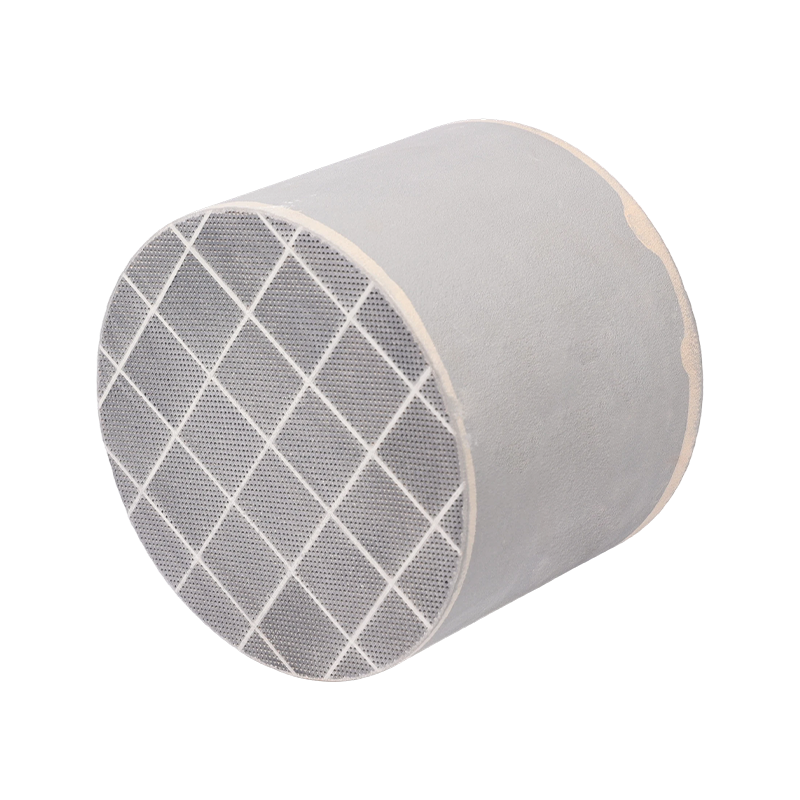
The SCR catalyst also follows the carrier–coating–active component structure; however, its active components are fundamentally different from those in...
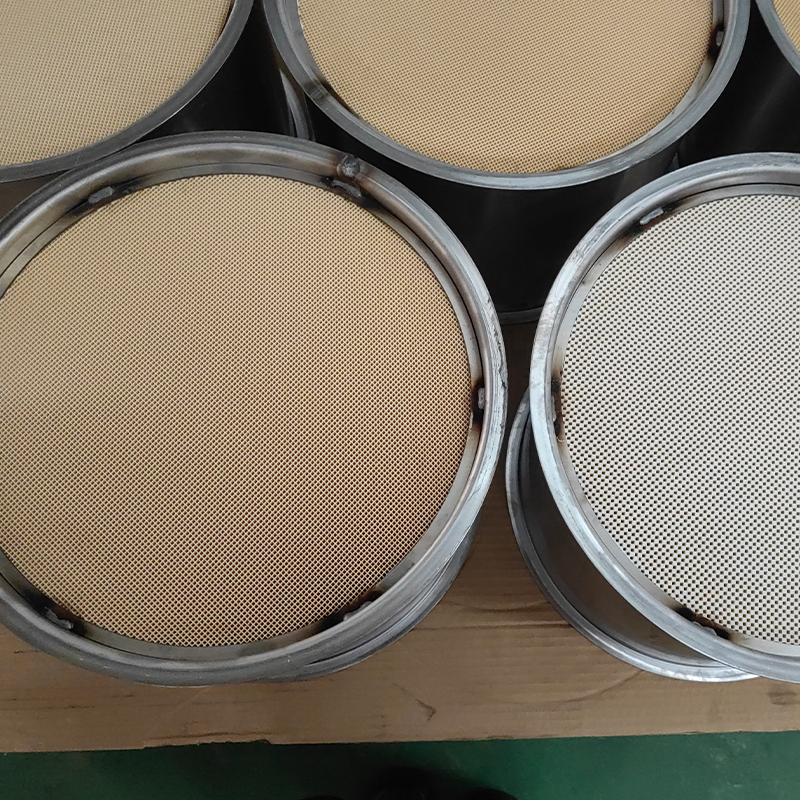
The Three-Way Catalyst (TWC) welded assembly is one of the core components in an automotive exhaust system, and its manufacturing process and quality ...
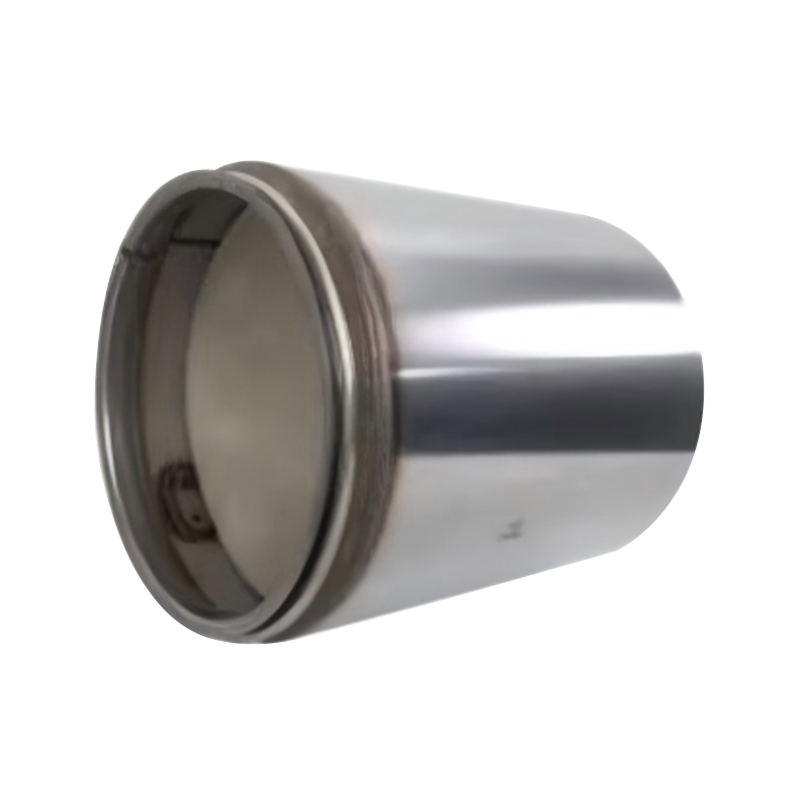
A basic diesel particulate filter (DPF) assembly for heavy-duty diesel trucks needing particulate control.Housing: stainless steel for corrosion resis...
Iron-based SCR (Fe-SCR) catalysts, typically using Fe-Beta zeolites, are designed for high-temperature selective catalytic reduction of NOx in diesel ...

An ultra-large generator set three-way catalytic converter is a device capable of converting harmful exhaust gases—such as carbon monoxide (CO), hydro...
The short answer first: a diesel oxidation catalyst, usually shortened to DOC, is the first functio......
READ MOREA DOC (Diesel Oxidation Catalyst) is a critical emissions control component that reduces harmful pol......
READ MOREAt roughly 600 operating hours, the dash of a compact loader lights up with a derate warning. The t......
READ MOREThe most direct signals that a Diesel Oxidation Catalyst (DOC) needs replacement include: a persiste......
READ MOREA diesel particulate filter (DPF) is a critical emissions control device fitted to the exhaust syst......
READ MOREIntroduction: What Is a DOC Oxidation Catalyst? A diesel oxidation catalyst (DOC) is the first acti......
READ MORE