


 English
 русский
 Español
Diesel Particulate Filter (DPF) Catalyst Element
Diesel Particulate Filter (DPF) welded assemblies are critical mechanical modules in the exhaust after-treatment system for achieving efficient partic...
The most direct signals that a Diesel Oxidation Catalyst (DOC) needs replacement include: a persistent check engine light — particularly DTC codes such as P0420/P0421 — exhaust HC and CO emissions exceeding regulatory limits by 50% or more, an abnormal increase in fuel consumption of 5%–15%, white or blue smoke continuing for more than 60 seconds after a cold start, and an abnormally elevated DPF backpressure. If any two or more of these symptoms appear simultaneously, a professional diagnosis should be sought immediately, and DOC replacement should be considered proactively at 150,000–300,000 km of operation (depending on duty cycle and conditions).
The Diesel Oxidation Catalyst (DOC) is one of the core components of the aftertreatment system in a modern diesel engine. It is installed in the exhaust pipeline, positioned between the engine exhaust outlet and the Diesel Particulate Filter (DPF). Its primary function is to use precious metal catalysts — platinum (Pt) and palladium (Pd) — to oxidize and convert harmful exhaust constituents:
The DOC's normal operating temperature range is 150°C–600°C, with a light-off temperature (the temperature at which catalytic activity begins) typically between 180°C and 220°C. When the DOC fails or degrades, the downstream SCR (Selective Catalytic Reduction) and DPF systems are placed under greater stress, ultimately resulting in emission standard violations, engine protective de-rating, and potential regulatory penalties and equipment downtime.
According to U.S. EPA statistics, a heavy-duty diesel truck with a completely failed DOC can produce HC emissions 300%–800% higher and CO emissions 200%–500% higher than a new vehicle. This is not merely an environmental concern — it directly translates to increased operating costs and compliance risk.
| Pollutant | Reaction Type | Product | Optimal Temp. Range | Normal Conversion Efficiency |
|---|---|---|---|---|
| CO (Carbon Monoxide) | Oxidation | CO₂ | 180–400°C | >90% |
| HC (Hydrocarbons) | Oxidation | CO₂ + H₂O | 200–450°C | 85–95% |
| NO | Oxidation | NO₂ | 200–400°C | 30–60% |
| SOF (Soluble Organic Fractions) | Oxidation | CO₂ + H₂O | 220–500°C | 70–85% |
Understanding why a DOC fails is a prerequisite for accurately determining when to replace it. DOC degradation mechanisms fall into five main categories:
When exhaust temperatures persistently exceed 650°C, the catalyst substrate (typically cordierite or metal foil) undergoes sintering — precious group metal (PGM) particles coalesce, dramatically reducing the active surface area. Research shows that 50 hours of continuous exposure at 800°C can reduce DOC CO conversion efficiency by 30%–50%. Common triggers include uncontrolled temperature spikes during active DPF regeneration, fuel injection timing deviations causing excessively high exhaust temperatures, and prolonged high-speed operation at light load.
Sulfur compounds in diesel fuel (even low-sulfur diesel contains 10–15 ppm of sulfur) react with PGMs to form sulfate deposits that temporarily block active sites. Low-temperature sulfur poisoning (<300°C) is largely reversible, but high-temperature sulfur poisoning (platinum sulfates formed above 500°C) causes permanent damage. Vehicles that consistently run on high-sulfur fuel (>50 ppm) may see their DOC service life shortened by 40%–60%.
When engine oil is consumed in excess, phosphorus from lubricant anti-wear additives (ZDDP) forms apatite layers on the catalyst surface, permanently sealing the catalyst's pore structure. This is one of the primary causes of DOC failure in high-mileage vehicles with elevated oil consumption. Once phosphorus poisoning occurs, the DOC cannot be restored through regeneration and must be replaced.
Road vibration, loose mounting, or impact can cause the catalyst substrate's honeycomb structure to crack or shatter. Broken fragments not only render the DOC ineffective but can block the downstream DPF, causing backpressure to spike sharply and triggering protective engine shutdowns.
Frequent short-distance, low-temperature driving (urban duty cycles, excessive idling) causes unburned HC and soot to deposit inside DOC channels, physically masking catalytic active sites. This type of failure is partly reversible — forced DPF regeneration (sustained high-temperature purging above 800°C) can sometimes recover 15%–25% of conversion efficiency.
The following symptoms are the most diagnostically valuable external indicators of DOC failure. The probability of replacement increases significantly when multiple symptoms appear in combination.
Modern diesel vehicles' OBD-II systems continuously monitor aftertreatment efficiency. The following fault codes directly or indirectly point to DOC failure:
| Fault Code | Description | DOC Relevance |
|---|---|---|
| P0420 | Catalyst System Efficiency Below Threshold (Bank 1) | Direct |
| P0421 | Warm Up Catalyst Efficiency Below Threshold (Bank 1) | Direct |
| P2452 | DPF Differential Pressure Sensor Abnormal | Indirect (DOC blockage → elevated backpressure) |
| P246C | DOC Temperature Sensor A Circuit Range/Performance | Direct |
| P2463 | DPF Soot Accumulation Over Limit | Indirect (DOC failure → increased DPF regen frequency) |
| P0471 | Exhaust Pressure Sensor Range/Performance | Indirect |
Important Note: P0420 is the most common DOC failure indicator code, but when it appears alone, other causes such as oxygen sensor failure or exhaust leaks must be ruled out. It is recommended to cross-reference live data stream O₂ sensor voltage differentials (before and after the catalyst) for a comprehensive diagnosis.
Exhaust smoke color is the most visually direct indicator of DOC condition. Different colors correspond to different failure modes:
The DOC directly affects DPF passive regeneration efficiency. When the DOC fails, insufficient NO₂ production forces the DPF to initiate active regeneration (injecting additional fuel to heat the system) far more frequently. Each active regeneration consumes approximately 0.5–1.5 extra liters of fuel. If regeneration frequency rises from the normal interval of once every 500–800 km to once every 200–300 km, annual fuel costs can increase by 5%–15%. For a heavy-duty truck travelling approximately 150,000 km per year, this translates to an additional fuel cost of roughly $1,100–$3,500 USD per year.
The onboard diagnostic system typically logs DPF regeneration intervals by mileage. The following data serves as a benchmark:
| Duty Cycle | Normal Regen Interval | Interval with DOC Degradation | Interval with Severe DOC Failure |
|---|---|---|---|
| Highway Long-Haul | 500–800 km | 250–400 km | <150 km or regen fails to complete |
| Urban Mixed Duty | 300–500 km | 150–250 km | <100 km |
| Low-Speed Heavy Load | 200–400 km | 100–200 km | Frequent fault light activation |
If a vehicle's DPF regeneration interval drops to 50% or less of its normal value, the DOC should be inspected as a priority.
In mandatory annual inspections or environmental compliance checks, the following values exceeding limits are direct evidence of DOC failure:
Determining whether a DOC needs replacement cannot rely on subjective assessment alone. A combination of professional diagnostic methods should be used for a comprehensive evaluation.
Using a professional diagnostic tool (e.g., Autel MaxiSys, Bosch KTS 590, or OEM-specific software), read the following parameters:
Using an exhaust gas analyzer compliant with OIML R99 standards, measure CO, CO₂, HC, O₂, and NOₓ at rated load conditions. Calculate the DOC's CO conversion efficiency from the results:
CO Conversion Efficiency = [(CO Inlet Concentration − CO Outlet Concentration) ÷ CO Inlet Concentration] × 100%
If CO conversion efficiency falls below 60% (normal is ≥85%), the DOC requires replacement. A reading below 40% indicates severe failure and mandates immediate replacement.
Without fully disassembling the exhaust system, an industrial borescope inserted through the DOC inspection port can directly reveal:
If visual inspection reveals fractures covering more than 10% of total channel area, or any visible melting zones are present, the DOC must be replaced immediately and must not continue in service.
By installing temporary pressure gauges before and after the DOC and measuring the pressure differential at rated speed (approximately 1,800–2,200 rpm) under moderate load:
For service facilities or fleet management centers with appropriate capabilities, after removing the DOC:
There is no universal mandatory replacement mileage for DOCs, but the following industry data can serve as a reference for preventive maintenance planning:
| Vehicle Type | Typical Duty Cycle | Expected DOC Lifespan | Recommended Inspection Interval |
|---|---|---|---|
| Heavy-Duty Long-Haul Truck | Primarily highway, higher exhaust temps | 300,000–500,000 km | Every 100,000 km |
| City Bus / Dump Truck | Low-speed, frequent stops, lower exhaust temps | 150,000–250,000 km | Every 50,000 km |
| Construction Equipment (Excavator) | High load, heavy dust contamination | 3,000–6,000 hours | Every 1,500 hours |
| Diesel Passenger Vehicle (SUV/Sedan) | Mixed duty cycle | 200,000–350,000 km | Every 80,000 km or at annual service |
| Generator / Stationary Equipment | Long idle periods or low-load operation | 8,000–15,000 hours | Every 2,000 hours |
It is worth noting that vehicles operating on high-sulfur fuel (>50 ppm) or low-quality lubricants may see actual DOC lifespan reduced to only 40%–60% of the reference values above. Current EPA Tier 4 Final and Euro 6 standards require ultra-low-sulfur diesel (ULSD) with sulfur content ≤15 ppm (U.S.) or ≤10 ppm (EU). Using compliant fuel significantly extends DOC service life.
Industry data shows that waiting for complete DOC failure before replacing it typically results in total costs 3–5 times higher than proactive replacement, for the following reasons:
Once a DOC replacement has been confirmed as necessary, the following steps help ensure replacement quality and prevent secondary damage:
DOC replacement parts fall into three main categories, each with distinct trade-offs:
The root cause of the DOC failure must be addressed before replacement; otherwise, the new DOC will fail again in a short time:
When replacing the DOC, it is strongly recommended to simultaneously have the DPF professionally cleaned (ultrasonic cleaning + thermal regeneration, typically costing $70–$280 USD), or assess whether the DPF also requires replacement. Excessive soot accumulated during the period of DOC failure may have already caused irreversible damage to the DPF.
Good routine maintenance can extend DOC service life by 20%–40%. The following are proven, practical strategies:
Fleet managers are advised to establish the following DOC maintenance milestones:
| Maintenance Milestone | Inspection / Action | Estimated Cost (Reference) |
|---|---|---|
| Every 50,000 km or annually | OBD diagnostic scan + basic exhaust emissions test | $40–$110 USD |
| Every 100,000 km | Full 5-gas exhaust analysis + borescope visual inspection + DOC temperature differential test | $110–$280 USD |
| Every 150,000–200,000 km | DOC disassembly for cleaning or replacement evaluation (decision based on efficiency test results) | $210–$700 USD |
| Every 300,000 km or when DOC efficiency <70% | Mandatory preventive DOC replacement with simultaneous DPF cleaning | $1,100–$4,200 USD (parts + labor) |
DOC replacement is a comprehensive investment decision involving parts cost, labor, downtime losses, and compliance benefits. The following are cost-benefit analyses for typical scenarios:
Typical issue: Frequent short-distance driving causes DOC to begin significant degradation around 150,000 km. A proactive DOC replacement (approximately $490–$840 USD) can prevent: premature DPF failure ($1,680–$3,500 USD), annual inspection non-compliance downtime losses ($700–$2,100 USD per incident), and additional fuel costs (approximately $700–$1,100 USD/year). Comprehensive analysis shows a proactive maintenance ROI of approximately 200%–400%.
Typical issue: Annual mileage of 150,000–200,000 km, with thermal aging as the primary failure mode. Proactively replacing the DOC at 250,000–300,000 km (approximately $2,100–$3,500 USD) — compared to reactive repair (DOC fragmentation → DPF damage → engine shutdown) — can save $5,600–$14,000 USD in total repair costs, while avoiding approximately 3–7 days of emergency downtime (unplanned downtime costs for a Class 8 truck can reach $420–$1,100 USD per day).
High dust and heavy load in mine environments accelerates DOC aging, with replacement typically warranted at 3,000–4,000 operating hours. Delayed replacement can cause the engine ECU to enter protective de-rate mode, reducing machine power output by 20%–30%. Within a mining production cycle, the resulting loss of productive capacity can reach hundreds of thousands of dollars.
Some maintenance recommendations suggest restoring DOC performance through ultrasonic cleaning or chemical solution washing. In reality: physical carbon fouling can indeed be improved through cleaning, but permanent active site loss caused by thermal aging (PGM sintering) and phosphorus/sulfur poisoning cannot be recovered by cleaning. If CO conversion efficiency has already fallen below 60%, cleaning typically only raises it to 65%–70% — still insufficient to meet Euro 6 or Tier 4 Final standards. Direct replacement is the appropriate course of action.
OBD system fault codes such as P0420 are typically only triggered when conversion efficiency drops to approximately 60%–70% below the threshold. This means the DOC's efficiency may have been declining for a significant period before any fault code appears. Relying solely on fault codes as the only diagnostic criterion misses the optimal window for preventive replacement.
There are fuel additives on the market claiming to "repair the catalytic converter." However, no additive certified by the EPA or equivalent regulatory bodies has been shown to genuinely restore the degraded precious metal catalytic active sites. Such products can at best clean some carbon deposits and have no effect on thermal aging or chemical poisoning. They should not be treated as a substitute for DOC replacement.
The core performance of a DOC depends on the total loading of platinum (Pt) and palladium (Pd) (typically expressed in g/ft³). OEM DOC PGM loading is typically 40–100 g/ft³, whereas low-cost counterfeit parts may only carry 15–35 g/ft³. Initial conversion efficiency in these parts can be as low as 70% of OEM performance, meaning the vehicle may still fail emissions testing even after installing the new part.
Emissions regulations governing diesel vehicles are continuously tightening in major markets worldwide, placing increasingly stringent demands on DOC compliance management.
Current standards from the U.S. EPA (Tier 4 Final for off-road equipment) and the European Union (Euro 6d for on-road vehicles) require that aftertreatment systems maintain effectiveness throughout the defined useful life of the vehicle. For heavy-duty on-road trucks in the U.S., this useful life is defined as 435,000 miles (700,000 km) or 10 years. For light-duty vehicles, it is 150,000 miles (240,000 km) or 10 years. The DOC, as the primary control mechanism for HC and CO, must sustain compliance throughout this period. In-use compliance (IUC) testing programs mean that vehicles can be tested on-road at any time during their operational life.
Major cities and highway corridors in the U.S., EU, and other regions have deployed roadside remote sensing devices capable of detecting CO, HC, and NOₓ concentrations in vehicle exhaust while vehicles travel at normal speeds. Vehicles flagged as high emitters by remote sensing are subject to mandatory follow-up inspections and repairs. DOC failure is one of the primary causes of high-emitter flags in roadside remote sensing programs.
Under EPA Tier 4 Final and EU Stage V regulations for non-road mobile machinery, construction equipment (excavators, wheel loaders, etc.) above specific power thresholds must be equipped with DOC+DPF systems and must pass emissions compliance verification during mandatory inspections. Construction equipment with a failed DOC may be subject to work stoppages and mandatory repair orders, with potentially significant impacts on project schedules and contract penalties.
Content
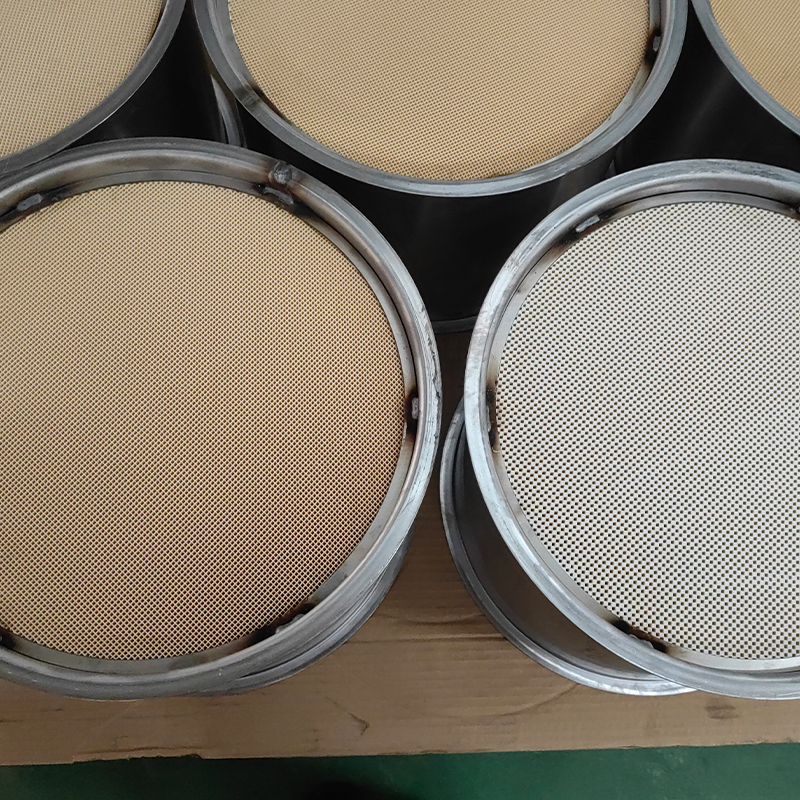
Diesel Particulate Filter (DPF) welded assemblies are critical mechanical modules in the exhaust after-treatment system for achieving efficient partic...
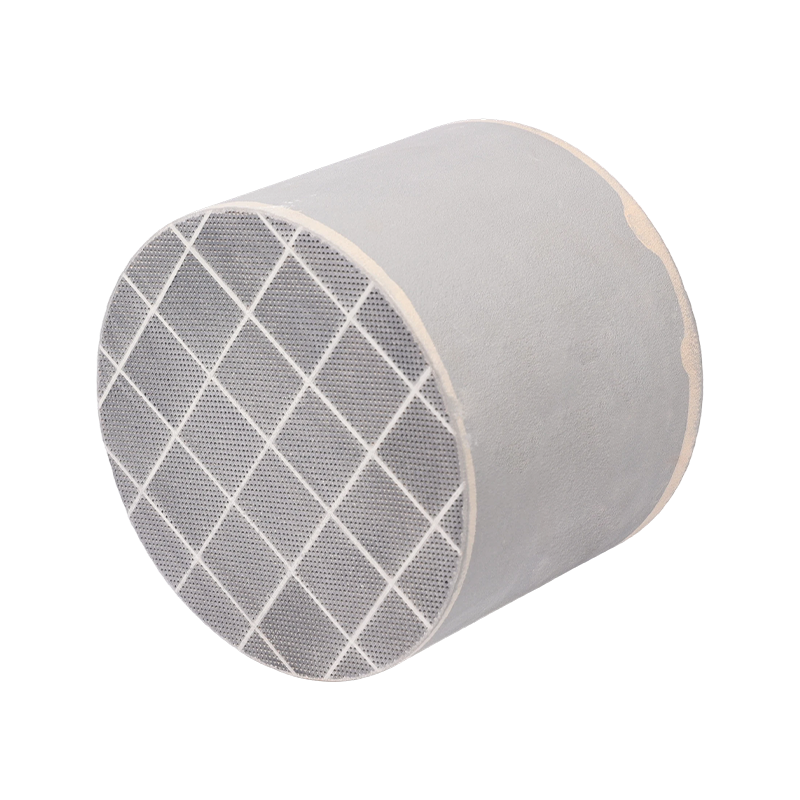
The SCR catalyst also follows the carrier–coating–active component structure; however, its active components are fundamentally different from those in...
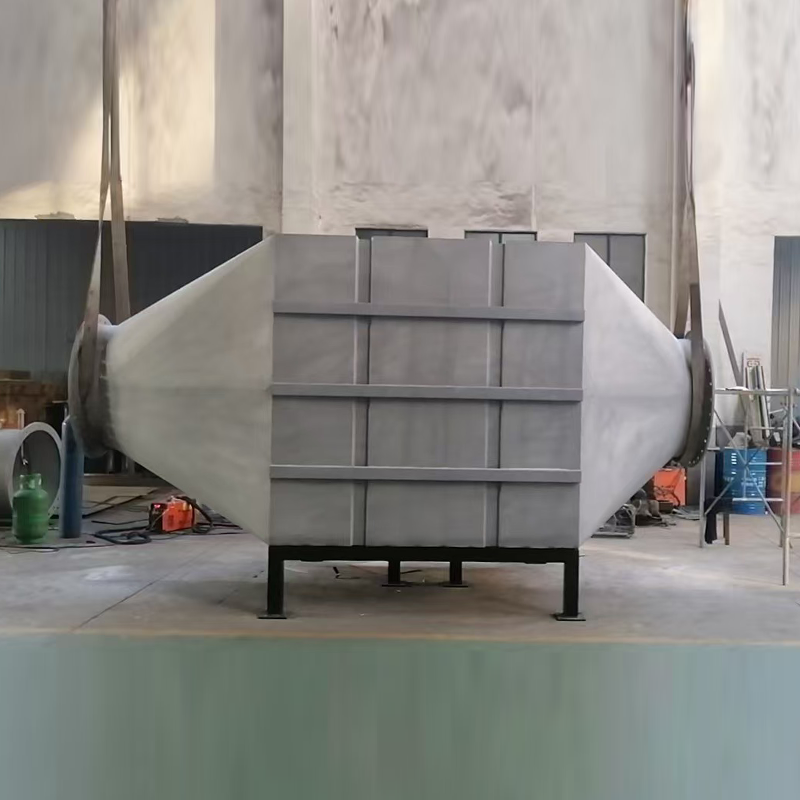
An ultra-large generator set three-way catalytic converter is a device capable of converting harmful exhaust gases—such as carbon monoxide (CO), hydro...
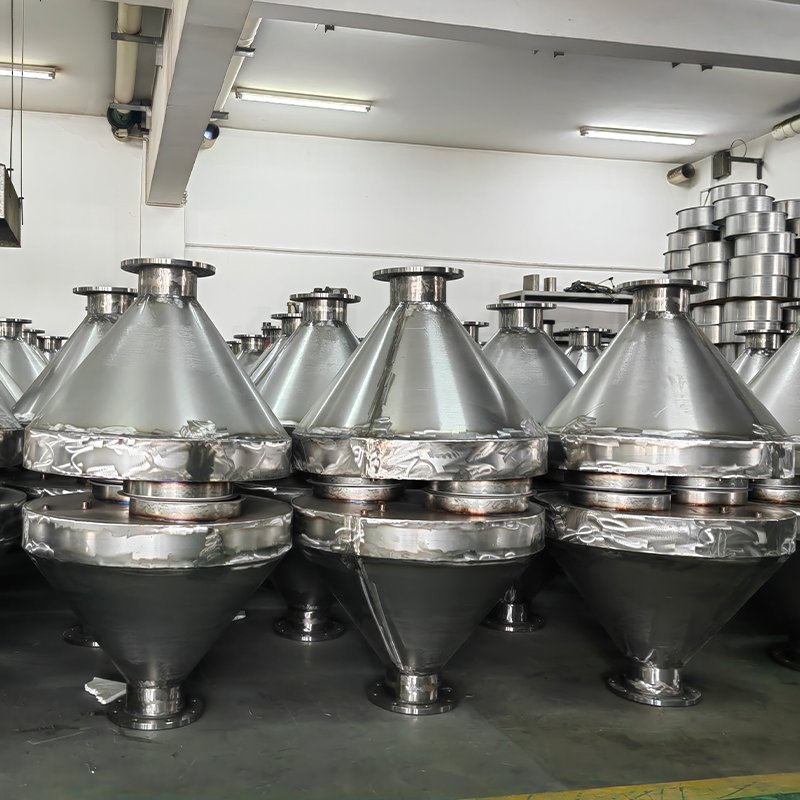
The three-way catalyst used in large generator sets is a key device that ensures these ‘power-hungry beasts’ can deliver stable electricity while stil...
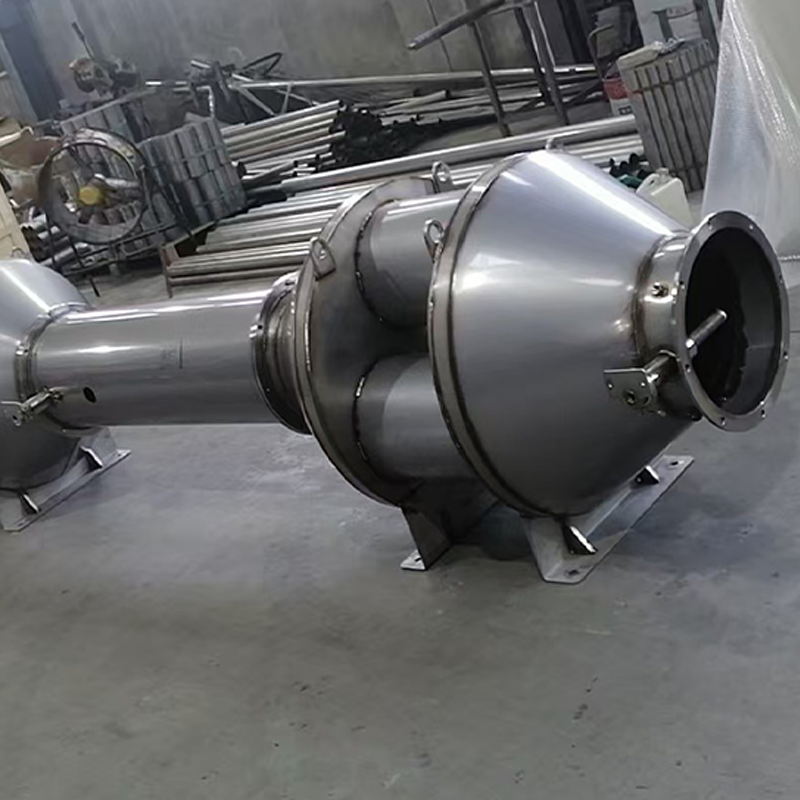
A three-way catalytic converter for medium-sized generator sets is a system optimized for higher exhaust flow rates and longer operating hours. Compar...
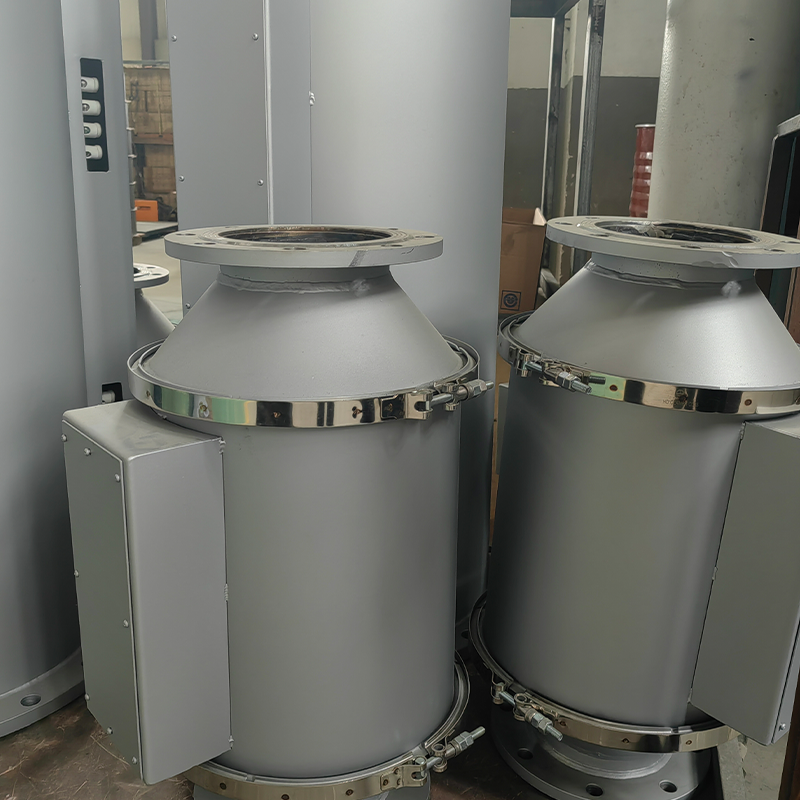
For small generator sets, installing a three-way catalytic converter is an effective method to significantly reduce harmful exhaust emissions and meet...
A diesel particulate filter (DPF) is a critical emissions control device fitted to the exhaust syst......
READ MOREA DOC (Diesel Oxidation Catalyst) is a critical emissions control component that reduces harmful pol......
READ MOREThe short answer first: a diesel oxidation catalyst, usually shortened to DOC, is the first functio......
READ MOREA Diesel Oxidation Catalyst (DOC) is an emissions control device installed in the exhaust system of......
READ MOREAsk a diesel technician who has chased an intermittent DPF regeneration fault, and you will hear th......
READ MOREA DPF anti-corrosion filter is built with coated or treated materials to resist rust and chemical ......
READ MORE