


 English
 русский
 Español
Diesel Particulate Filter (DPF) Catalyst Element
Diesel Particulate Filter (DPF) welded assemblies are critical mechanical modules in the exhaust after-treatment system for achieving efficient partic...
A DOC (Diesel Oxidation Catalyst) is a critical emissions control component that reduces harmful pollutants like carbon monoxide (CO), hydrocarbons (HC), and soluble organic fractions in diesel exhaust. It works by oxidizing these pollutants into less harmful substances such as carbon dioxide (CO₂) and water vapor. In modern diesel systems, the DOC is often the first stage in the aftertreatment process, supporting downstream components like DPF and SCR systems.
A DOC operates through catalytic oxidation. The core structure is typically a honeycomb substrate coated with precious metals such as platinum (Pt) and palladium (Pd). As exhaust gases pass through this structure, chemical reactions occur on the catalyst surface.
These reactions convert:
The process requires a minimum exhaust temperature, typically around 200°C to 250°C, to activate efficiently. At higher temperatures, conversion efficiency can exceed 90% for CO and HC emissions.
The substrate is usually made of cordierite or metal. It features a honeycomb design that maximizes surface area while minimizing backpressure.
Precious metals like platinum and palladium are applied as a washcoat. These materials accelerate oxidation reactions without being consumed.
The catalyst is enclosed in a stainless steel housing designed to withstand high temperatures and vibrations, especially in heavy-duty vehicles.
DOC efficiency depends on several operational factors, including exhaust temperature, engine load, and fuel quality. Under optimal conditions, DOC systems provide consistent emissions reduction with minimal maintenance.
| Parameter | Typical Value |
|---|---|
| CO Conversion Efficiency | 85% – 95% |
| HC Conversion Efficiency | 80% – 90% |
| Operating Temperature | 200°C – 400°C |
| Backpressure Impact | Low |
The DOC is typically positioned upstream of other aftertreatment components. Its function extends beyond direct emission reduction.
In integrated systems, the DOC plays a foundational role in achieving stringent emissions standards such as Euro VI and EPA Tier 4.
Compared to more complex systems, DOC units offer a cost-effective solution for improving emissions performance without significant system complexity.
DOC performance decreases at low exhaust temperatures, such as during idling or short trips.
High sulfur content in fuel can poison the catalyst, reducing efficiency over time. Ultra-low sulfur diesel (ULSD) is required for optimal operation.
Prolonged exposure to high temperatures can degrade catalyst materials, lowering long-term performance.
DOC systems are widely used across various diesel-powered applications:
In urban environments, DOC-equipped vehicles contribute significantly to reducing harmful emissions and improving air quality.
Although DOC systems require minimal maintenance, periodic inspection is essential to ensure optimal performance.
Typical service life ranges from 5,000 to 10,000 operating hours, depending on engine conditions and maintenance practices.
Choosing the correct DOC involves matching the catalyst specifications with engine requirements.
Proper sizing ensures efficient pollutant conversion while avoiding excessive backpressure that could impact engine performance.
Content
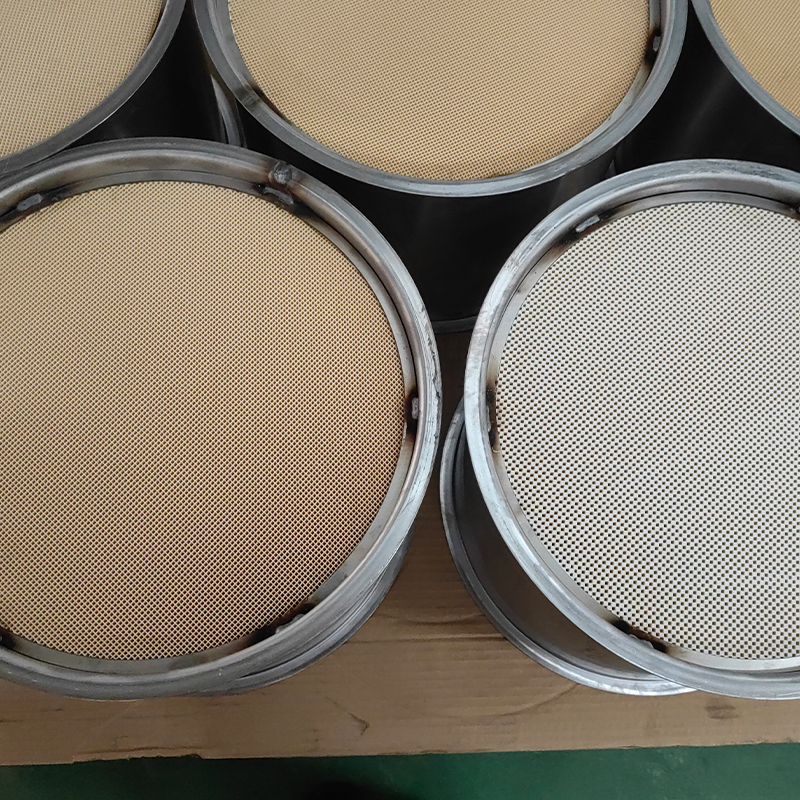
Diesel Particulate Filter (DPF) welded assemblies are critical mechanical modules in the exhaust after-treatment system for achieving efficient partic...
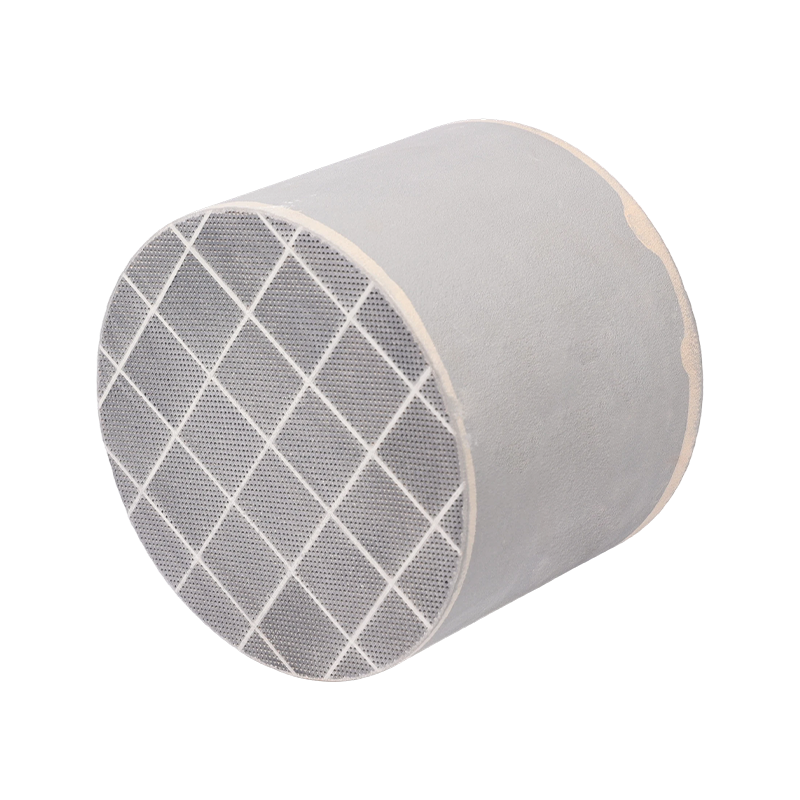
The SCR catalyst also follows the carrier–coating–active component structure; however, its active components are fundamentally different from those in...
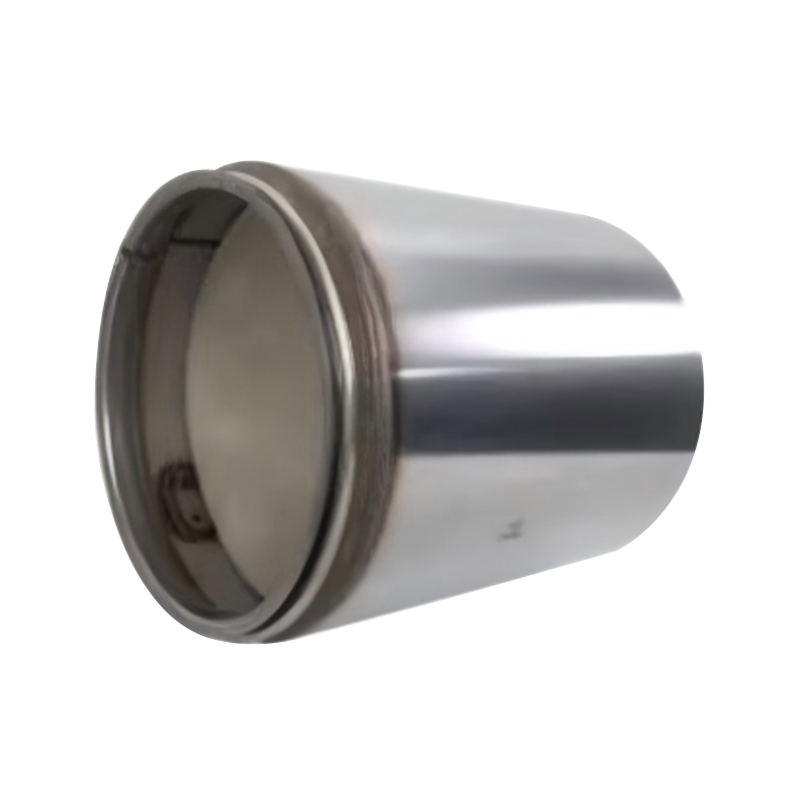
A basic diesel particulate filter (DPF) assembly for heavy-duty diesel trucks needing particulate control.Housing: stainless steel for corrosion resis...
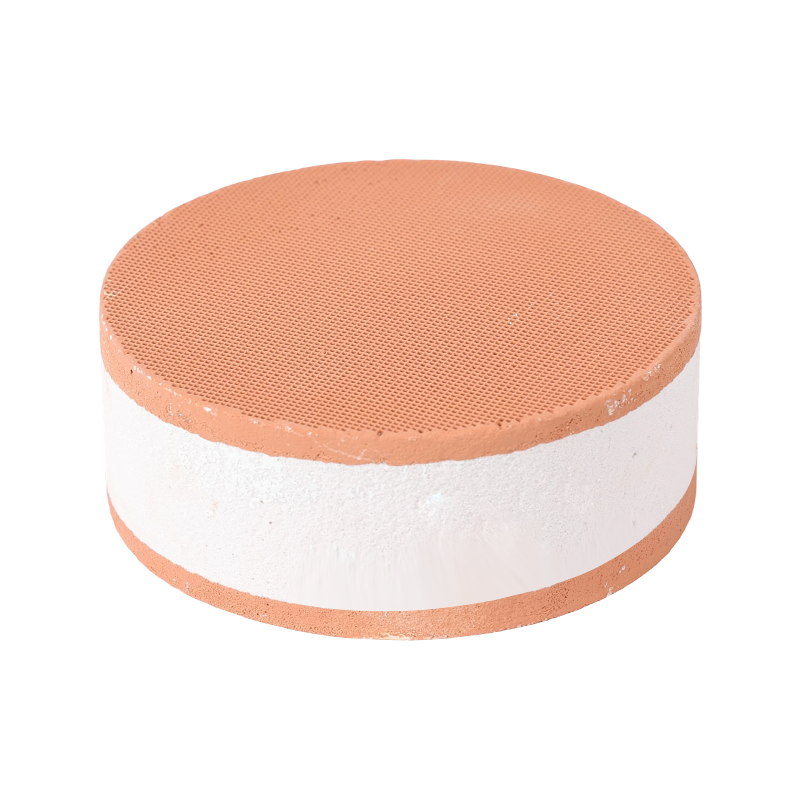
Iron-based SCR (Fe-SCR) catalysts, typically using Fe-Beta zeolites, are designed for high-temperature selective catalytic reduction of NOx in diesel ...
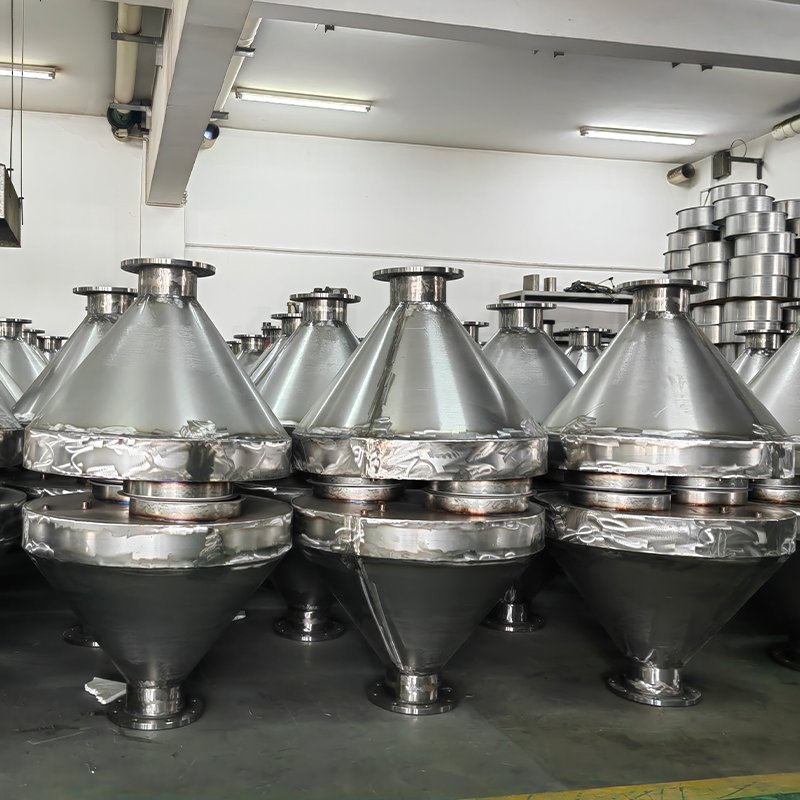
The three-way catalyst used in large generator sets is a key device that ensures these ‘power-hungry beasts’ can deliver stable electricity while stil...
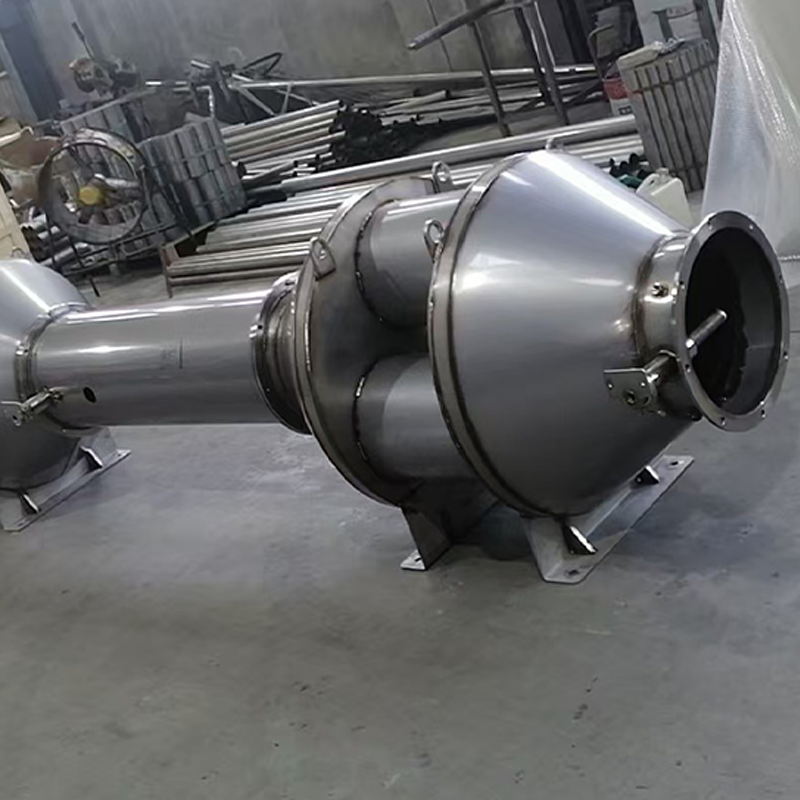
A three-way catalytic converter for medium-sized generator sets is a system optimized for higher exhaust flow rates and longer operating hours. Compar...
The short answer first: a diesel oxidation catalyst, usually shortened to DOC, is the first functio......
READ MOREIntroduction: What Is a DOC Oxidation Catalyst? A diesel oxidation catalyst (DOC) is the first acti......
READ MOREA Diesel Oxidation Catalyst (DOC) is an emissions control device installed in the exhaust system of......
READ MOREA diesel particulate filter (DPF) is a critical emissions control device fitted to the exhaust syst......
READ MOREAt roughly 600 operating hours, the dash of a compact loader lights up with a derate warning. The t......
READ MOREA construction fleet manager in Shandong noticed fuel consumption creeping up on a three-year-old w......
READ MORE