


 English
 русский
 Español
Diesel Particulate Filter (DPF) Catalyst Element
Diesel Particulate Filter (DPF) welded assemblies are critical mechanical modules in the exhaust after-treatment system for achieving efficient partic...
A diesel oxidation catalyst (DOC) is an emission control device installed in the exhaust system of diesel-powered engines. Its primary function is to convert harmful pollutants — carbon monoxide (CO), unburned hydrocarbons (HC), and a portion of particulate matter — into carbon dioxide (CO₂) and water vapor through catalytic oxidation reactions. In most modern diesel aftertreatment systems, the DOC sits at the front of the exhaust stack, upstream of the diesel particulate filter (DPF) and selective catalytic reduction (SCR) system.
The DOC typically achieves CO conversion efficiencies of 90% or higher and HC conversion efficiencies between 80–95% under normal operating temperatures. Beyond direct pollutant conversion, it performs a secondary but equally critical function: generating sufficient exhaust heat to trigger active DPF regeneration — the process by which accumulated soot is burned off the filter downstream.
Understanding how a DOC works, what degrades its performance, and how to diagnose failure matters for fleet managers, diesel technicians, and equipment operators whose vehicles and machinery must stay within tightening emissions standards globally.
Inside the DOC is a monolith substrate — typically a honeycomb structure made of cordierite ceramic or metal foil — coated with a washcoat layer containing precious metals, primarily platinum (Pt) and palladium (Pd). These metals act as catalysts, meaning they facilitate chemical reactions without being consumed themselves.
As hot exhaust gases flow through the narrow channels of the monolith, three principal reactions occur:
These reactions are exothermic — they release heat. During active DPF regeneration cycles, the DOC can raise exhaust temperatures by 100–250°C above incoming exhaust temperature by oxidizing injected hydrocarbon fuel. This controlled temperature spike is what burns accumulated soot off the DPF at temperatures typically reaching 550–650°C.
Catalytic reactions in a DOC do not occur efficiently below a critical temperature known as the light-off temperature — typically between 150°C and 250°C depending on the specific catalyst formulation and precious metal loading. Below this threshold, conversion efficiency drops sharply, and pollutants pass through largely unreacted. This is why short cold-start trips, prolonged low-load idling, and urban stop-and-go duty cycles are particularly damaging to DOC effectiveness and overall emission compliance.
Modern diesel aftertreatment is not a single device but a staged system. The DOC does not work in isolation — its outputs directly affect the performance of every component downstream. Misunderstanding this interdependence is one of the most common reasons fleet operators misdiagnose emission system failures.
| Component | Position | Primary Function | Dependency on DOC |
|---|---|---|---|
| DOC | 1st (upstream) | Oxidizes CO, HC; generates NO₂; raises exhaust temperature | — |
| DPF | 2nd | Traps particulate matter (soot and ash) | Requires DOC heat output for active regeneration; NO₂ from DOC enables passive regeneration |
| SCR | 3rd | Reduces NOₓ using urea (DEF/AdBlue) | Optimal NO:NO₂ ratio from DOC improves SCR NOₓ conversion by up to 30% |
| ASC / AMOX | 4th (downstream) | Oxidizes ammonia slip from SCR | Indirectly dependent on overall system temperature management |
A degraded DOC does not simply allow more CO and HC to exit the tailpipe — it starves the DPF of regeneration heat, disrupts the NO:NO₂ balance needed by the SCR system, and can trigger a cascade of fault codes that appear unrelated to the DOC itself. In practice, up to 40% of DPF-related fault events traced in fleet diagnostics studies are attributable to upstream DOC degradation rather than DPF failure.
A diesel oxidation catalyst is designed to last the lifetime of the vehicle under proper operating conditions — typically 200,000 to 500,000 km for heavy-duty on-highway applications. In practice, several operational and fuel-related factors accelerate degradation well before those intervals.
Sustained exposure to exhaust temperatures above 700–750°C causes the precious metal catalyst particles (platinum and palladium) to agglomerate — a process called sintering. As particles cluster together, total surface area available for catalytic reaction decreases, permanently reducing conversion efficiency. Aggressive or poorly managed DPF regeneration cycles are a leading cause of thermal overstress in the DOC.
Several compounds present in diesel fuel and engine oil physically block or chemically deactivate the catalytic surface:
The ceramic monolith substrate is mechanically fragile under shock and vibration. Off-road equipment, improperly mounted DOCs, and exhaust systems with loose connections can cause substrate cracking. Even hairline fractures reduce exhaust contact time with the catalytic surface and create bypass channels where untreated gases escape. Physical damage cannot be reversed — a cracked substrate requires full replacement.
DOC failure rarely presents as a single obvious symptom. The signs are typically indirect, appearing as downstream system faults, increased regeneration frequency, or fuel economy changes. A structured diagnostic approach prevents misidentification and unnecessary component replacement.
As emission regulations have tightened globally, DOC designs have evolved to meet more demanding conversion targets and operate across wider temperature ranges. The following table compares how DOC requirements have changed across major regulatory frameworks.
| Standard | Region | Introduced | CO Limit (g/kWh) | HC Limit (g/kWh) | DOC Role |
|---|---|---|---|---|---|
| Euro 4 | EU | 2005 | 1.5 | 0.46 | Standalone or with DPF |
| Euro 5 | EU | 2009 | 1.5 | 0.46 | Paired with DPF; regeneration heat critical |
| Euro 6 / VI | EU | 2013–2014 | 1.5 (HD: 4.0) | 0.13 (HD: 0.16) | Integrated DOC-DPF-SCR system required |
| EPA 2010 | USA | 2010 | 20.8 | 0.19 | Full aftertreatment stack with OBD monitoring |
| BS VI | India | 2020 | Aligned with Euro 6 | Aligned with Euro 6 | DOC + DPF + SCR mandatory for HD diesel |
Catalyst replacement is costly — heavy-duty DOC assemblies carry significant material value due to platinum group metal content, and replacement labor adds further to total cost. Operational practices that maintain catalyst health are far more economical than reactive replacement.
Using ultra-low sulfur diesel (ULSD) with sulfur content at or below 10–15 ppm is the single most impactful fuel-side measure for protecting DOC catalyst life. Equally important is selecting engine oil with a low-SAPS (sulfated ash, phosphorus, sulfur) specification — designated as CJ-4, CK-4, or equivalent in modern heavy-duty diesel applications. Switching from a conventional engine oil to a low-SAPS formulation has been shown in fleet trials to reduce catalyst poisoning deposits by 60–70% over 100,000 km intervals.
Extended idling and light-load operation keep exhaust temperatures below the DOC light-off threshold, allowing hydrocarbon and carbon monoxide accumulation on the catalyst surface and in the DPF. Where duty cycles cannot be changed, engine manufacturers offer idle shutdown controls and auxiliary heating systems specifically to maintain minimum exhaust temperatures during extended stationary periods.
Unlike DPFs, DOCs cannot be thermally regenerated to restore poisoned catalyst surfaces. However, hydrocarbon fouling — a softer, reversible form of contamination — can sometimes be partially cleared through a controlled high-temperature exhaust cycle. Substrate cleaning services using specialized aqueous wash processes are available from emission system service specialists and can restore partial efficiency in mildly contaminated units, though they cannot reverse sintering or severe chemical poisoning.
While DOC technology is widely associated with on-highway trucks and buses, it is equally present — and often more challenged — in off-road and stationary diesel applications including construction equipment, agricultural machinery, marine engines, and generator sets.
Off-road duty cycles present specific DOC challenges distinct from highway use:
For stationary generator applications, many operators underestimate DOC maintenance needs because the engine appears to run reliably even as the aftertreatment system degrades. Emissions compliance testing — increasingly required during site permitting and regulatory audits — is often the first moment a poorly performing DOC is formally identified, sometimes resulting in significant compliance penalties.
Content
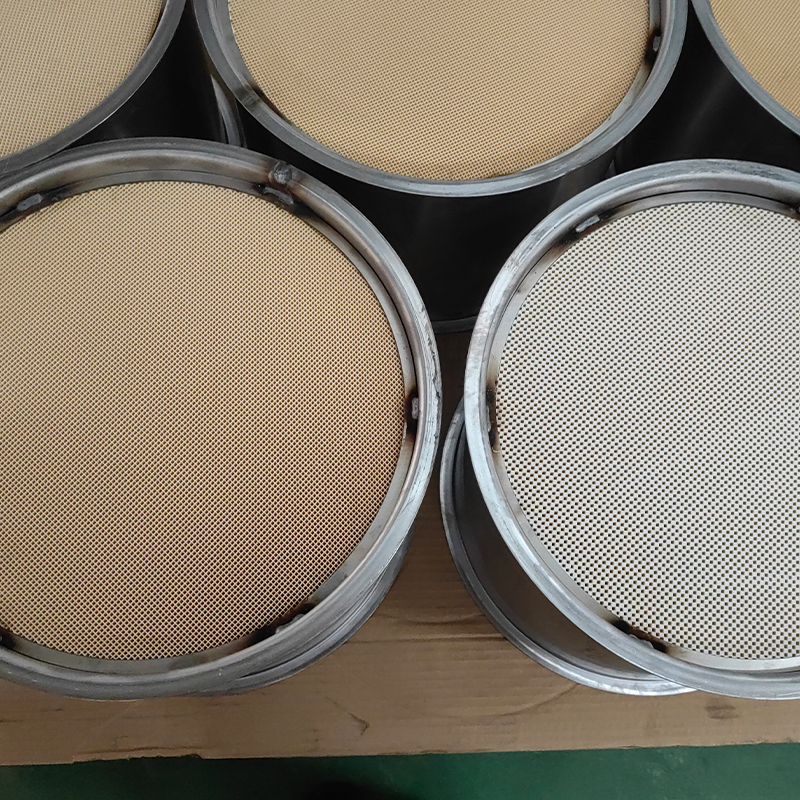
Diesel Particulate Filter (DPF) welded assemblies are critical mechanical modules in the exhaust after-treatment system for achieving efficient partic...
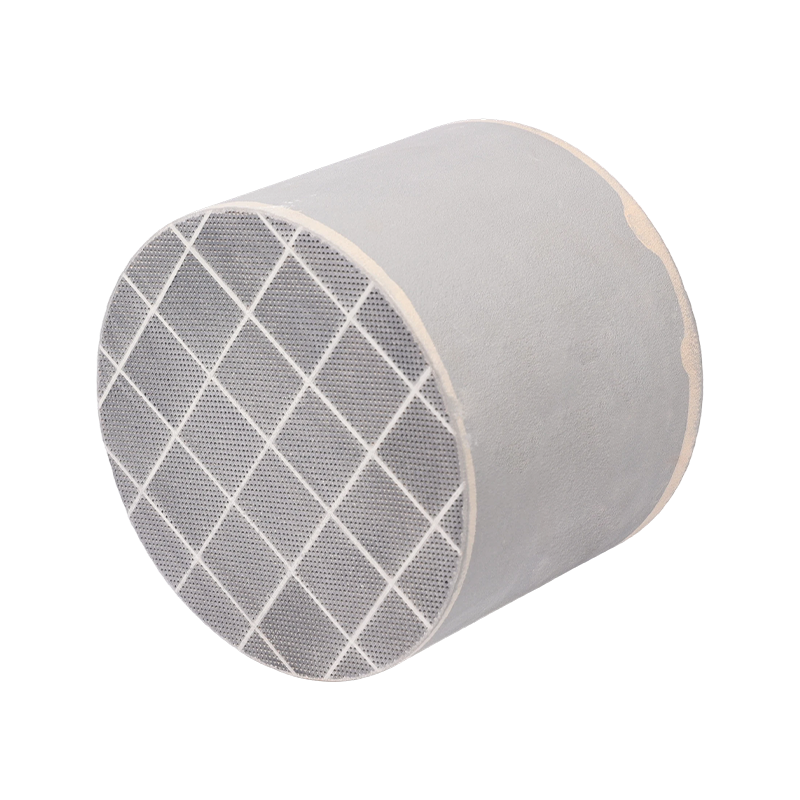
The SCR catalyst also follows the carrier–coating–active component structure; however, its active components are fundamentally different from those in...
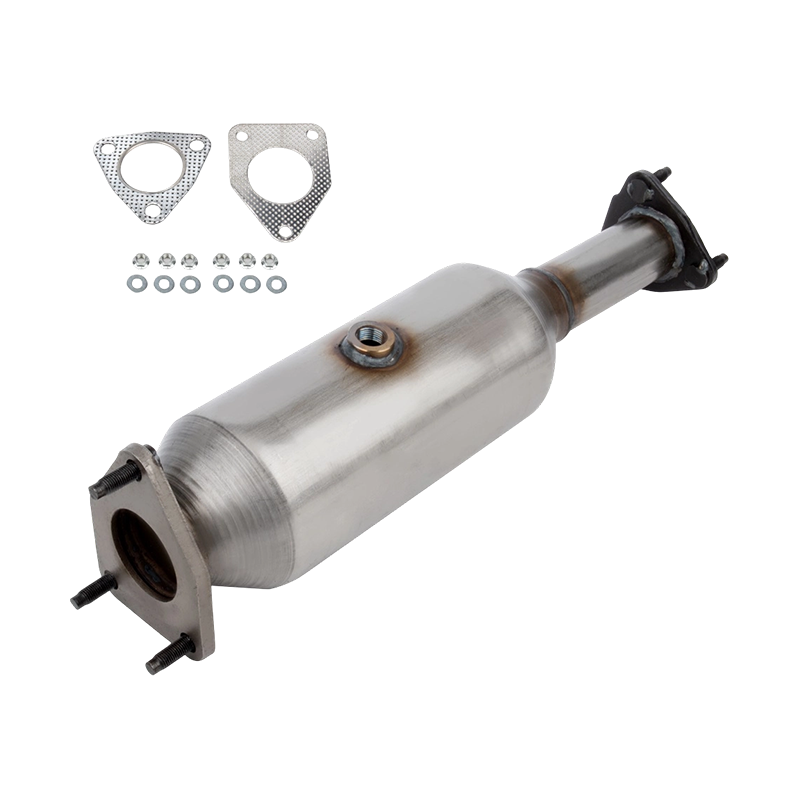
This product is designed for vehicles equipped with a 2.4L engine and an exhaust system OE number of 16299, applicable to 2003-2007 model years. It is...
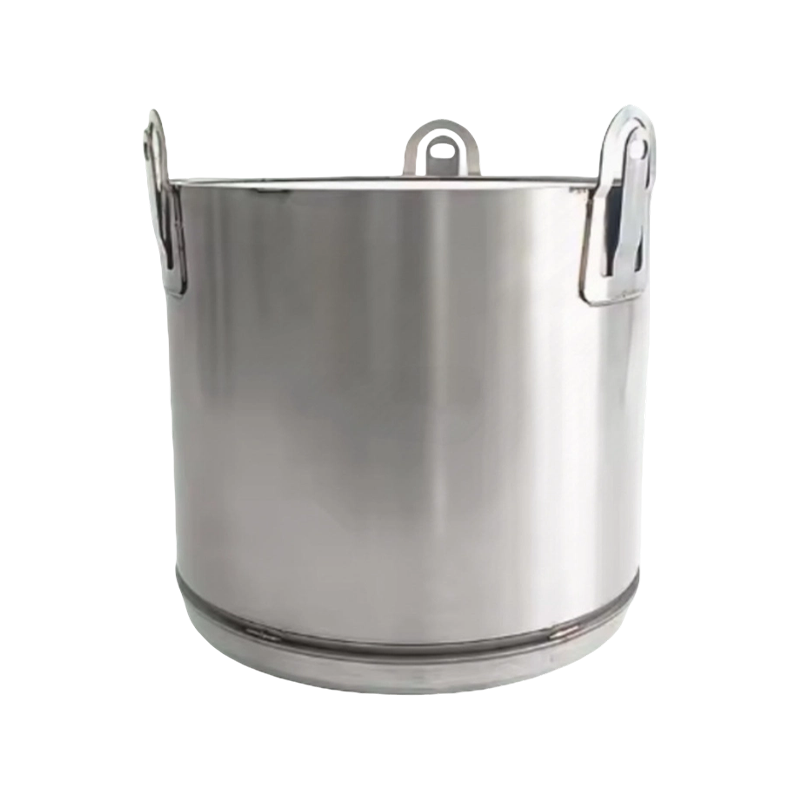
A diesel particulate filter (DPF) manufactured and coated in-house rather than outsourced.Process control: uses the same coating technology and tolera...
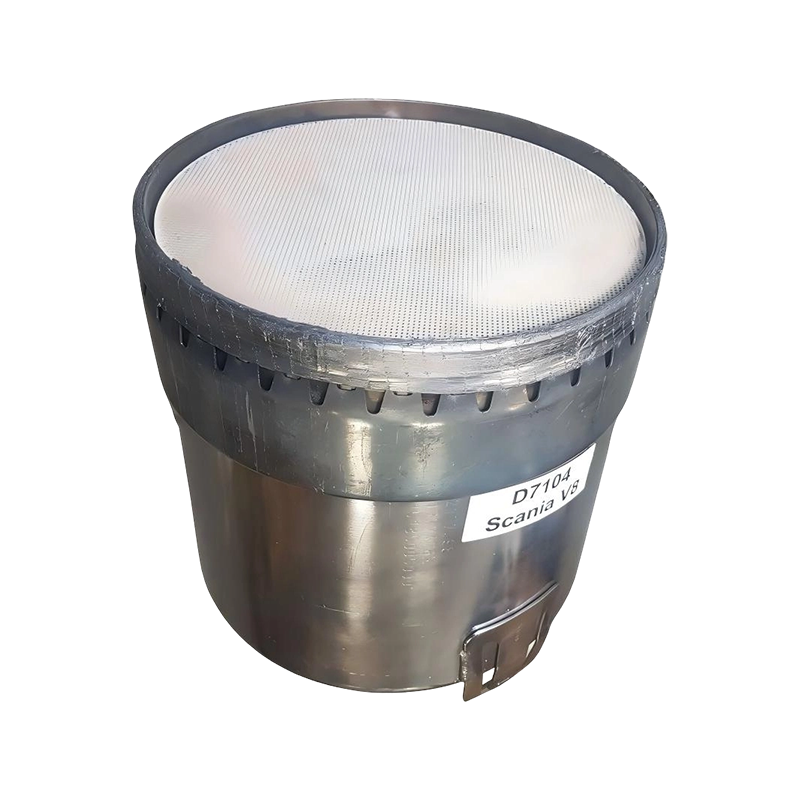
A diesel particulate filter (DPF) built to handle frequent regeneration without losing structural integrity.Heat resistance: withstands the repeated t...
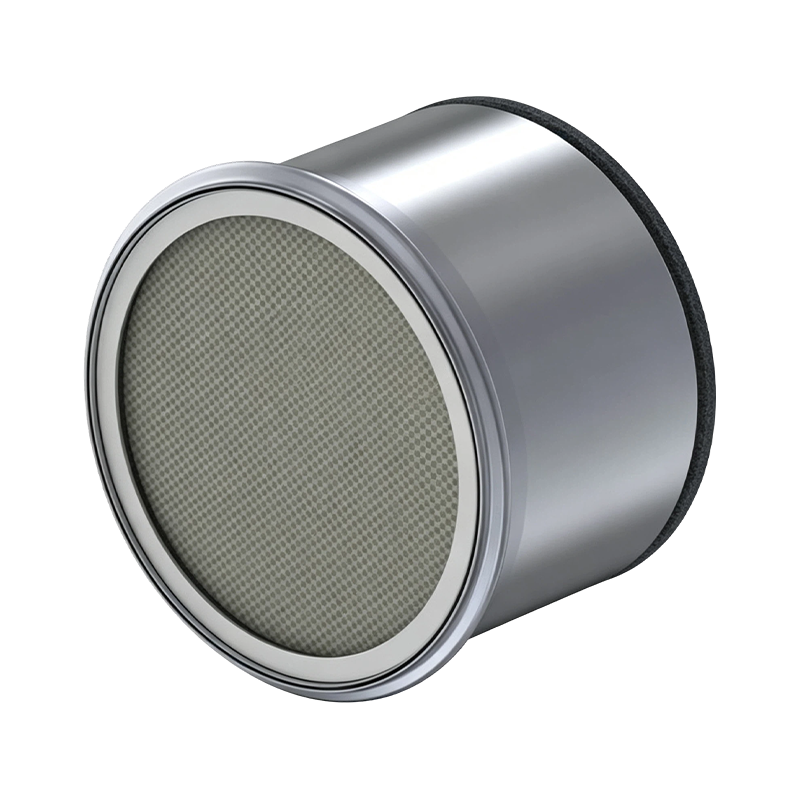
A diesel particulate filter (DPF) sized for larger-displacement heavy-duty trucks that need a higher-capacity soot filter.Filtration: larger ceramic c...
A DOC (Diesel Oxidation Catalyst) is a critical emissions control component that reduces harmful pol......
READ MOREThe short answer first: a diesel oxidation catalyst, usually shortened to DOC, is the first functio......
READ MOREAsk a diesel technician who has chased an intermittent DPF regeneration fault, and you will hear th......
READ MOREThe Non-Negotiable Conclusion: Weld Integrity Dictates Catalyst Lifespan For welded catalytic conve......
READ MOREIntroduction: What Is a DOC Oxidation Catalyst? A diesel oxidation catalyst (DOC) is the first acti......
READ MOREA construction fleet manager in Shandong noticed fuel consumption creeping up on a three-year-old w......
READ MORE