


 English
 русский
 Español
Honeycomb Substrate DPF Catalyst
DPF Working Principle: Filtration and RegenerationUnderstanding the DPF requires comprehension of its two core processes:1. Filtration ProcessThe DPF ...
The direct answer for engineers and procurement specialists evaluating catalyst substrate materials is this: a metallic substrate catalyst outperforms its ceramic counterpart in applications demanding rapid light-off, thin-wall high-cell-density construction, and mechanical durability under vibration or thermal cycling. Ceramic substrates, by contrast, offer lower material cost, broader chemical compatibility, and a decades-long track record across the widest range of emissions control applications. Neither is universally superior — the right choice is determined by operating temperature profile, space constraints, flow dynamics, and the specific catalytic chemistry being supported.
This distinction matters increasingly as emissions regulations tighten globally. Euro 7 standards (entering force in the EU from 2025), China 6b, and EPA Tier 3 requirements are pushing engine-out emission limits to levels where catalyst system design — including substrate selection — directly determines regulatory compliance. The global automotive catalyst market was valued at approximately USD 15.3 billion in 2023 and is projected to reach USD 22.8 billion by 2030, with metallic substrate catalysts capturing a growing share in performance, cold-start-sensitive, and compact packaging applications.
A metallic substrate catalyst uses a thin corrugated metal foil — typically a ferritic stainless steel alloy containing 20% chromium and 5% aluminum (FeCrAl) — wound or stacked into a honeycomb monolith structure. The foil thickness in modern metallic substrates ranges from 25 to 50 micrometers, compared to 50–100 micrometers for the walls of standard cordierite ceramic substrates. This thinner wall construction is the foundation of most of the metallic substrate's performance advantages.
The metal foil is coated with a washcoat — a high-surface-area alumina layer — that anchors the precious metal catalysts (typically platinum, palladium, and rhodium) responsible for the oxidation and reduction reactions that convert harmful exhaust gases into carbon dioxide, nitrogen, and water. The bonding between the washcoat and the smooth metal surface requires specific surface treatments: high-temperature oxidation of the FeCrAl foil forms an alumina (Al₂O₃) whisker layer that mechanically interlocks with the washcoat, providing adhesion comparable to the natural surface porosity of ceramic cordierite.
Cell density — measured in cells per square inch (cpsi) — determines the geometric surface area available for catalytic reaction. Metallic substrates can be manufactured at cell densities of 600, 900, and even 1,200 cpsi, while maintaining structural integrity that would be impossible in ceramic at equivalent wall thicknesses. Standard automotive ceramic substrates typically operate at 400–600 cpsi. The higher achievable cell density in metallic substrates means more catalytic surface area within the same physical volume — a critical advantage when packaging space is constrained.
Metals conduct heat approximately 10–20 times more efficiently than cordierite ceramic. This has two consequences for catalyst performance. First, the metallic substrate reaches catalytic light-off temperature faster from a cold start — a decisive advantage since the majority of tailpipe hydrocarbon and CO emissions in modern engines occur in the first 30–90 seconds before the catalyst reaches operating temperature. Second, metallic substrates distribute heat more uniformly across the monolith cross-section, reducing the risk of localized hot spots that degrade precious metal loading over time.
The table below provides a direct comparison across the engineering and operational criteria most relevant to catalyst system designers, OEM procurement teams, and aftermarket suppliers.
| Parameter | Metallic Substrate Catalyst | Ceramic Substrate Catalyst |
|---|---|---|
| Wall thickness | 25–50 μm | 50–115 μm |
| Maximum cell density | Up to 1,200 cpsi | Up to 900 cpsi (structural limits) |
| Thermal conductivity | ~16 W/m·K (FeCrAl alloy) | ~1–2 W/m·K (cordierite) |
| Cold-start light-off speed | Faster — lower thermal mass | Slower — higher heat capacity per unit volume |
| Max operating temperature | Up to ~1,000°C (continuous) | Up to ~1,200°C (cordierite); 1,400°C+ (SiC) |
| Mechanical shock resistance | High — ductile metal construction | Moderate — brittle fracture risk under impact |
| Vibration durability | Excellent — metal absorbs vibration | Requires mat support to prevent fracture |
| Open frontal area (OFA) | 85–92% | 70–80% |
| Backpressure at equivalent flow | Lower — higher OFA reduces restriction | Higher at equivalent cpsi |
| Relative substrate cost | Higher — specialty alloy + brazing process | Lower — cordierite raw materials widely available |
| Washcoat adhesion | Requires surface oxidation pre-treatment | Natural porosity enables strong adhesion |
| Recyclability of substrate material | High — steel alloy recovery is straightforward | Low — cordierite is difficult to recover or reuse |
Modern three-way catalysts achieve greater than 98% conversion efficiency once at operating temperature — but they do almost nothing below their light-off temperature of approximately 250–300°C. In a typical urban drive cycle, over 70% of total hydrocarbon and CO emissions occur in the first 90 seconds of engine operation, before the catalyst reaches light-off. The lower thermal mass of a metallic substrate — which stores less heat per unit volume than cordierite — means it reaches light-off temperature measurably faster when positioned close-coupled to the engine.
Studies comparing equivalent close-coupled metallic and ceramic catalysts have demonstrated light-off time reductions of 8–15 seconds in favor of the metallic substrate under identical engine-out conditions. At current Euro 7 and China 6b limits, that margin can be the difference between compliance and a failed type approval test.
Open frontal area (OFA) — the percentage of the substrate's cross-sectional face that is open to gas flow — directly determines pressure drop across the catalyst. Metallic substrates achieve OFA values of 85–92% because the thin foil walls occupy less of the total cross-section than thicker ceramic walls. For high-output engines, large displacement applications, or high-flow industrial combustion systems, lower backpressure translates directly to recovered power output and reduced pumping losses. A well-designed metallic substrate can reduce catalyst-side backpressure by 20–35% compared to a ceramic substrate at equivalent cell density.
Ceramic monoliths are inherently brittle. In high-vibration environments — off-road equipment, motorcycles, small displacement engines with high-frequency vibration, and heavy commercial vehicles — cordierite substrates require careful mat-support design and housing engineering to avoid fracture. Metallic substrates, being ductile, absorb vibration energy without cracking. This makes the metallic substrate catalyst the default choice in motorcycle exhaust systems, small engine applications, and compact underbody catalyst positions where packaging geometry makes ideal ceramic support difficult to achieve.
Hybrid vehicles present a particularly challenging catalyst design problem: the internal combustion engine operates intermittently, producing frequent cold-start events throughout a drive cycle. Each engine restart requires the catalyst to re-light off from a lower temperature baseline. A metallic substrate's faster light-off response, combined with its ability to achieve higher cell densities in smaller physical volumes, makes it well-suited to the compact, frequently cycling catalyst systems that hybrid architecture demands. Several hybrid platform developments in recent years have specifically adopted metallic substrate close-coupled catalysts for this reason.
FeCrAl metallic substrates are rated for continuous operation up to approximately 1,000°C, with short-term peaks to around 1,100°C before the alumina scale begins to degrade and the alloy's mechanical strength falls. Silicon carbide (SiC) ceramic substrates, used in diesel particulate filter applications and some high-performance gasoline systems, maintain structural integrity at sustained temperatures above 1,400°C. For diesel oxidation catalysts positioned immediately downstream of turbochargers, or for stationary industrial combustion applications where exhaust temperatures regularly exceed 1,050°C, SiC ceramic remains the technically superior substrate material.
Cordierite ceramic raw materials — magnesium, aluminum, and silicon oxides — are abundant and inexpensive. The extrusion and firing process for ceramic monoliths is highly optimized after decades of production scale-up. By contrast, metallic substrate manufacture involves precision foil rolling to 25–50 micrometer thickness, corrugating, stacking or winding, and high-temperature vacuum brazing to bond the foil assembly — all of which carry higher per-unit manufacturing costs. For high-volume passenger car applications where cost pressure is intense and packaging space is not severely constrained, ceramic substrates typically offer a 25–45% cost advantage over comparable metallic substrates at equivalent precious metal loading.
The natural porosity of cordierite ceramic provides strong mechanical interlocking with alumina washcoats across a wide range of washcoat chemistries and loadings. Metallic substrates require controlled surface oxidation to form the alumina whisker adhesion layer, and this pre-treatment step introduces process variability. For catalyst formulations requiring unusually high washcoat loadings, aqueous washcoat chemistries with specific pH requirements, or novel active phases still in development, ceramic substrates present fewer adhesion engineering challenges and a broader validated process base.
While automotive three-way catalysts and diesel oxidation catalysts represent the largest volume application for metallic substrates, the format's properties make it valuable in several other industrial and energy contexts.
The production process for a metallic substrate catalyst involves more steps and tighter tolerances than ceramic substrate manufacturing, and each step introduces quality variables that engineering teams must manage.
Each of these steps requires process capability that is not universal among catalyst manufacturers. When qualifying a supplier for metallic substrate catalyst production, process audit coverage should include brazing furnace qualification, oxidation cycle documentation, and washcoat adhesion test data across production lots — not just finished catalyst performance data on sample units.
Platinum group metals (PGMs) — platinum, palladium, and rhodium — represent the dominant cost driver in any three-way catalyst system, often accounting for 60–80% of total catalyst unit cost at current market prices. Substrate selection influences how effectively those PGMs are utilized.
The higher geometric surface area available at equivalent volume in a high-cpsi metallic substrate allows PGM loading to be distributed across more surface area, which can improve dispersion and reduce sintering at high temperatures. However, the thermal conductivity of the metallic substrate also means that the precious metal layer experiences more uniform temperature exposure — beneficial for avoiding local overheating, but requiring that the washcoat formulation be thermally stable across the full substrate cross-section rather than concentrated in a cooler zone.
For ceramic substrates, the lower thermal conductivity creates a natural axial temperature gradient — hotter at the inlet face, cooler toward the outlet — that experienced catalyst formulators can exploit by zoning PGM loadings: higher palladium toward the inlet for light-off, higher rhodium toward the cooler outlet for NOx reduction efficiency. This zoning strategy is more complex to implement uniformly in metallic substrates due to their higher thermal conductivity equalizing temperatures more rapidly across the monolith length.
For engineers finalizing substrate selection, the following criteria provide a structured basis for the decision:
Content
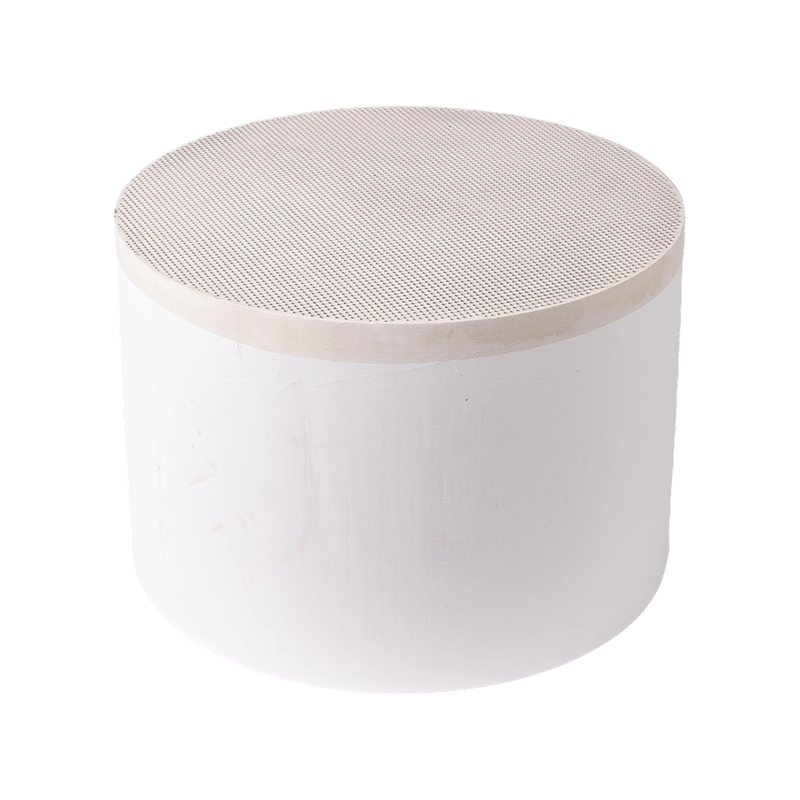
DPF Working Principle: Filtration and RegenerationUnderstanding the DPF requires comprehension of its two core processes:1. Filtration ProcessThe DPF ...
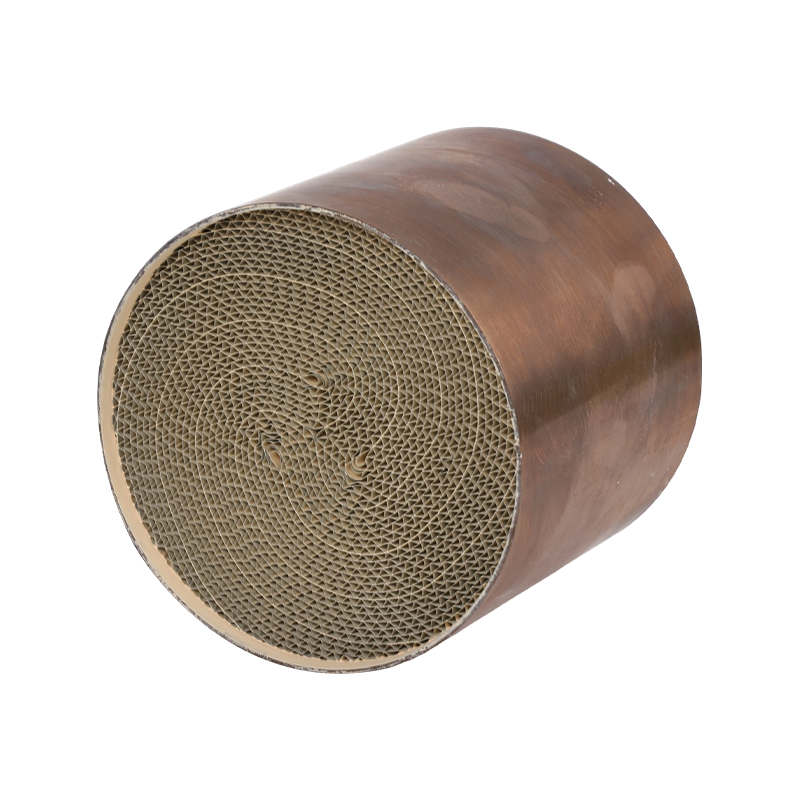
The three-core metal substrate adopts a multi-channel, parallel, three-layer honeycomb structural design, in which each core module independently hand...
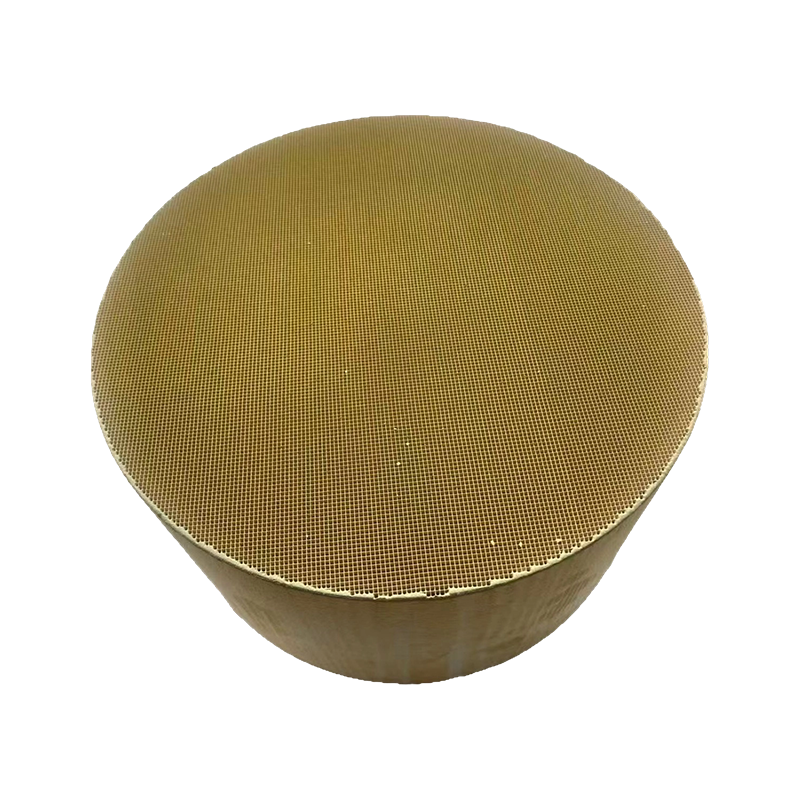
Vanadium-based SCR catalysts, using V₂O₅ as the active component, are a mature and cost-effective solution for NOx reduction in diesel exhaust. They a...
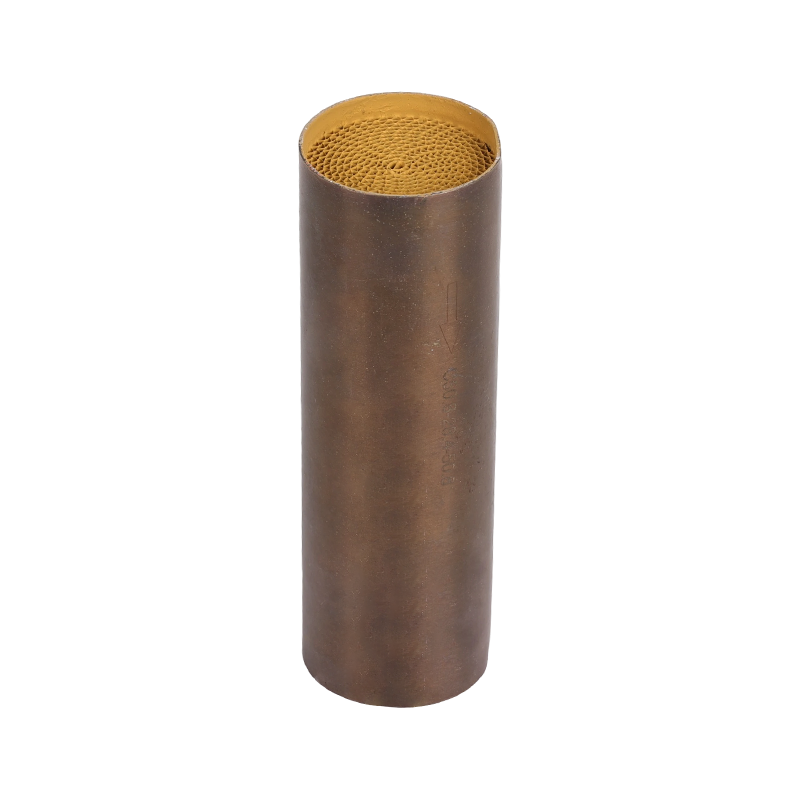
Core Structure and Manufacturing Process1. Substrate MaterialBase Material: Typically made of Fe-Cr-Al (iron-chromium-aluminum) alloy foil, a speciali...
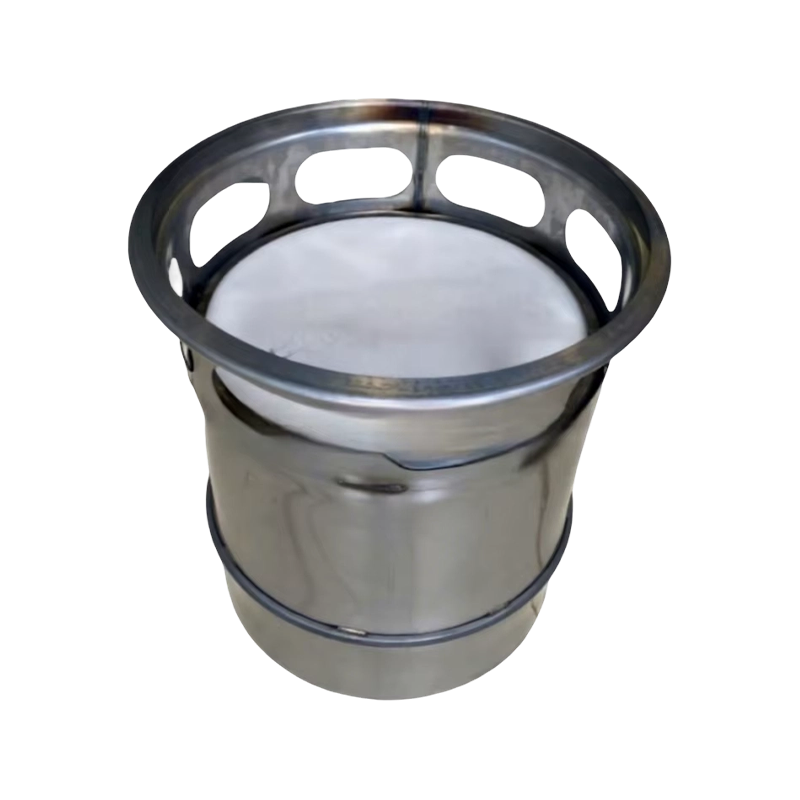
A diesel particulate filter (DPF) built around a ceramic honeycomb substrate that traps soot before it exits the exhaust stream.Filtration: the honeyc...
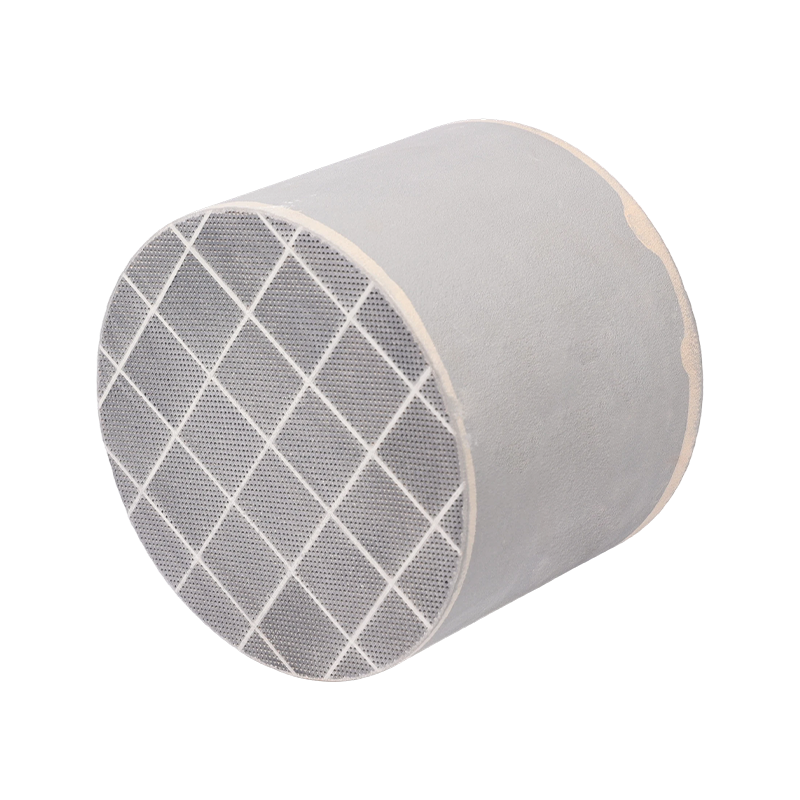
The SCR catalyst also follows the carrier–coating–active component structure; however, its active components are fundamentally different from those in...
A diesel aftertreatment program usually discovers the need for a custom DPF solution the hard way. ......
READ MOREA 3.0 L diesel van that rarely pushes its catalyst above 220 °C and a 400 kW standby generator runn......
READ MOREA DOC (Diesel Oxidation Catalyst) is a critical emissions control component that reduces harmful pol......
READ MOREThe short answer first: a diesel oxidation catalyst, usually shortened to DOC, is the first functio......
READ MOREThree-Way Catalytic Converters: Essential Emission Control Devices Three-way catalytic converters a......
READ MOREEmission control catalysts are the primary technological mechanism used to eliminate toxic environ......
READ MORE