


 English
 русский
 Español
Standard DPF Filter Assembly
A basic diesel particulate filter (DPF) assembly for heavy-duty diesel trucks needing particulate control.Housing: stainless steel for corrosion resis...
Gasoline Particulate Filters (GPFs) are crucial for reducing fine particulate emissions from modern gasoline engines. Unlike diesel particulate filters (DPFs), GPFs are optimized for gasoline combustion properties, including higher exhaust temperatures and lower particulate density. Understanding the differences and applications of these filters is essential for automakers, fleet operators, and regulators focused on meeting stringent emission standards.
Gasoline engines, particularly those with direct injection, produce ultrafine particulate matter (PM2.5 and smaller) that contributes to urban air pollution. GPFs are designed with high-porosity substrates and catalytic coatings that trap up to 90% of particulate emissions, depending on engine load and fuel type.
Diesel Particulate Filters typically handle higher soot loads due to diesel combustion characteristics. They can remove up to 99% of particulates but operate under lower exhaust temperatures, requiring additional regeneration strategies.
GPFs primarily target particulate matter and have limited direct impact on NOx emissions. However, by maintaining optimal backpressure and thermal efficiency, GPFs can indirectly support catalytic converters in reducing NOx formation.
Diesel particulate filters combined with selective catalytic reduction (SCR) systems can achieve simultaneous PM and NOx reduction, but this comes with higher complexity and cost.
GPFs use ceramic substrates such as cordierite or silicon carbide, coated with a catalytic layer to oxidize particulates. The design focuses on low-pressure drop and high thermal durability to withstand gasoline exhaust conditions.
DPFs use similar ceramic substrates but often require higher structural integrity to accommodate heavier soot loads. Silicon carbide is preferred for high-performance diesel engines due to its thermal shock resistance.
GPFs are coated with a combination of precious metals like palladium or platinum to facilitate oxidation of hydrocarbons and particulates at exhaust temperatures typically ranging from 300–450°C. This ensures continuous passive regeneration without external intervention.
DPFs often use similar coatings but may require active regeneration via fuel injection or electric heaters to burn accumulated soot, especially under low-load driving conditions.
GPFs typically benefit from passive regeneration, where the heat from normal engine operation oxidizes trapped particulates. Studies indicate that GPFs can maintain efficiency for 80,000–120,000 km without active intervention under typical driving cycles.
DPFs often require active regeneration due to lower exhaust temperatures during city driving. Fuel dosing strategies periodically raise the filter temperature to burn accumulated soot, preventing clogging but slightly increasing fuel consumption by 2–5%.
GPFs are designed to minimize backpressure, which is critical for gasoline engines that operate at higher RPM ranges. Low backpressure ensures fuel efficiency and maintains engine responsiveness.
DPFs can increase exhaust backpressure if soot accumulates, leading to potential performance degradation and higher fuel consumption if regeneration cycles are not frequent.
GPFs have negligible impact on fuel consumption, generally less than 1% efficiency loss. Diesel filters, particularly under frequent active regeneration, can reduce fuel efficiency by 2–5%, depending on driving patterns.
GPFs are generally less expensive than DPFs due to lower soot-handling requirements and passive regeneration. Average GPF cost for a passenger car ranges from $300–$600 per unit, while DPFs can exceed $800–$1,200 per unit.
GPFs typically require less frequent maintenance, with lifespan exceeding 100,000 km under normal driving conditions. DPF maintenance depends heavily on driving cycles, often requiring periodic soot ash cleaning after 80,000–120,000 km.
GPFs can reduce fine particulate emissions by up to 90% in gasoline direct injection engines, significantly improving urban air quality. DPFs achieve slightly higher reductions (~99%) due to higher soot load handling but are primarily focused on diesel applications.
GPFs contribute to lower lifecycle emissions for gasoline vehicles because passive regeneration avoids extra fuel consumption. DPFs, especially in urban stop-and-go traffic, slightly increase CO2 output due to active regeneration fuel dosing.
| Feature | Gasoline Particulate Filter (GPF) | Diesel Particulate Filter (DPF) |
|---|---|---|
| Particulate Reduction | Up to 90% | Up to 99% |
| Exhaust Backpressure | Low | Moderate to High |
| Regeneration Type | Passive | Active + Passive |
| Fuel Efficiency Impact | Negligible | 2–5% decrease during regeneration |
| Average Cost | $300–$600 | $800–$1,200 |
| Maintenance Interval | 100,000+ km | 80,000–120,000 km |
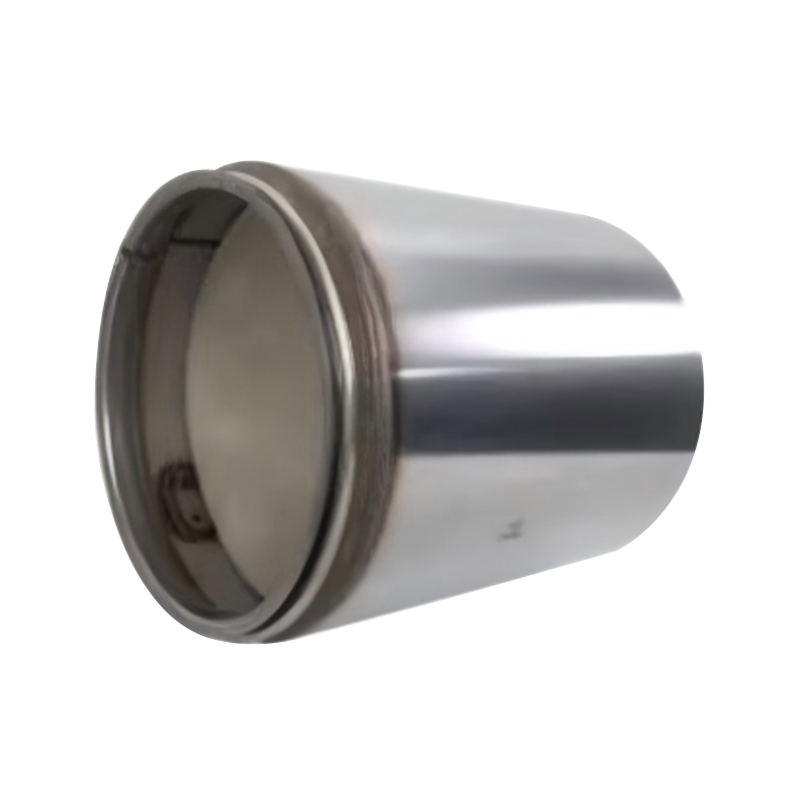
A basic diesel particulate filter (DPF) assembly for heavy-duty diesel trucks needing particulate control.Housing: stainless steel for corrosion resis...
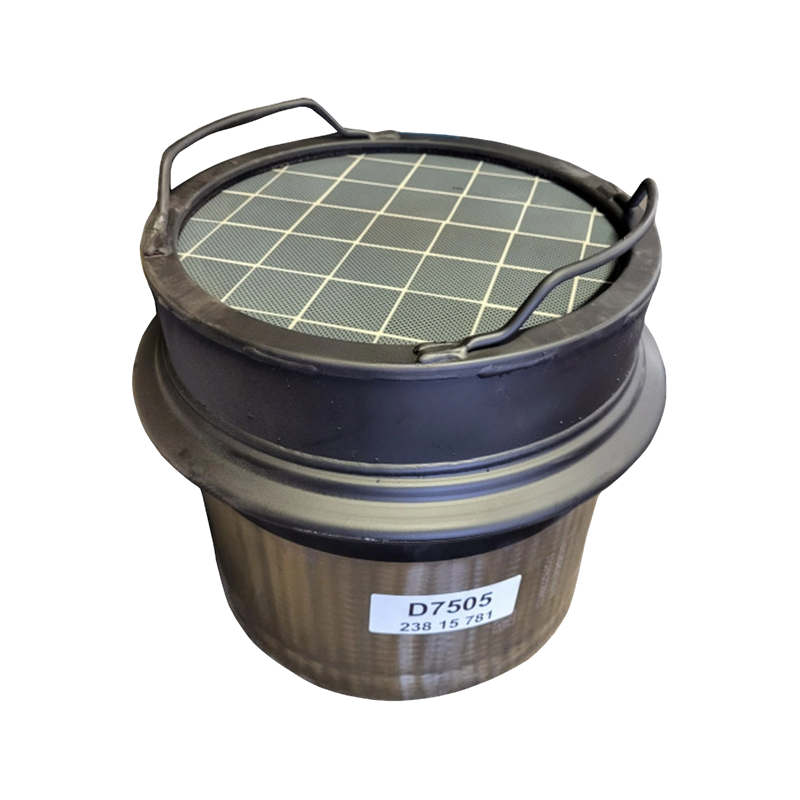
This part number appears frequently in OE parts catalogs for heavy-duty truck soot filters.Manufacturing: produced in-house to the same coating spec a...
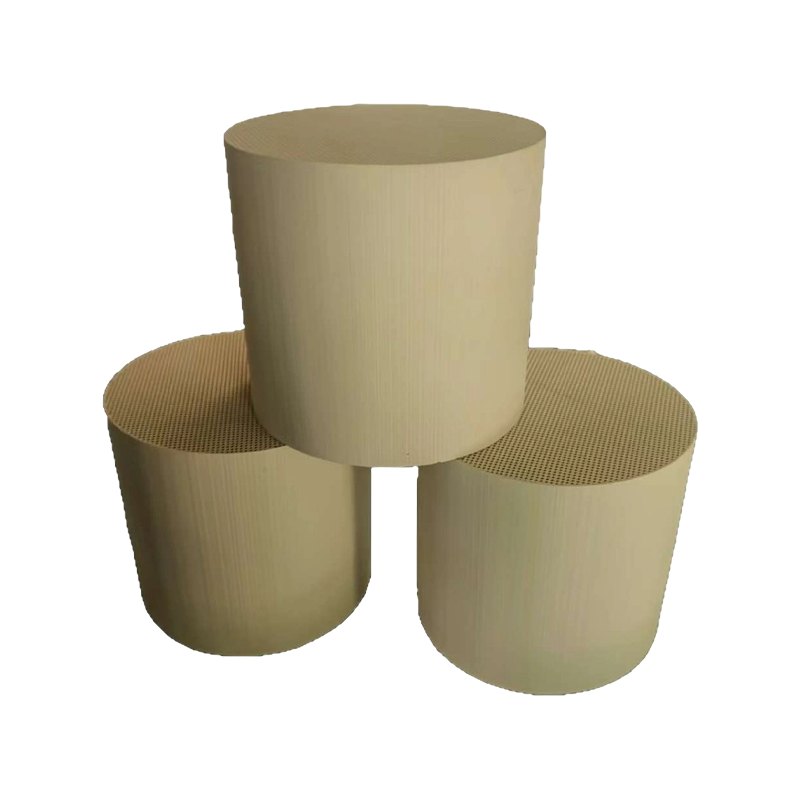
Working Principle of GPF: Filtration and RegenerationThe basic working principle of the Gasoline Particulate Filter (GPF) is highly similar to that of...
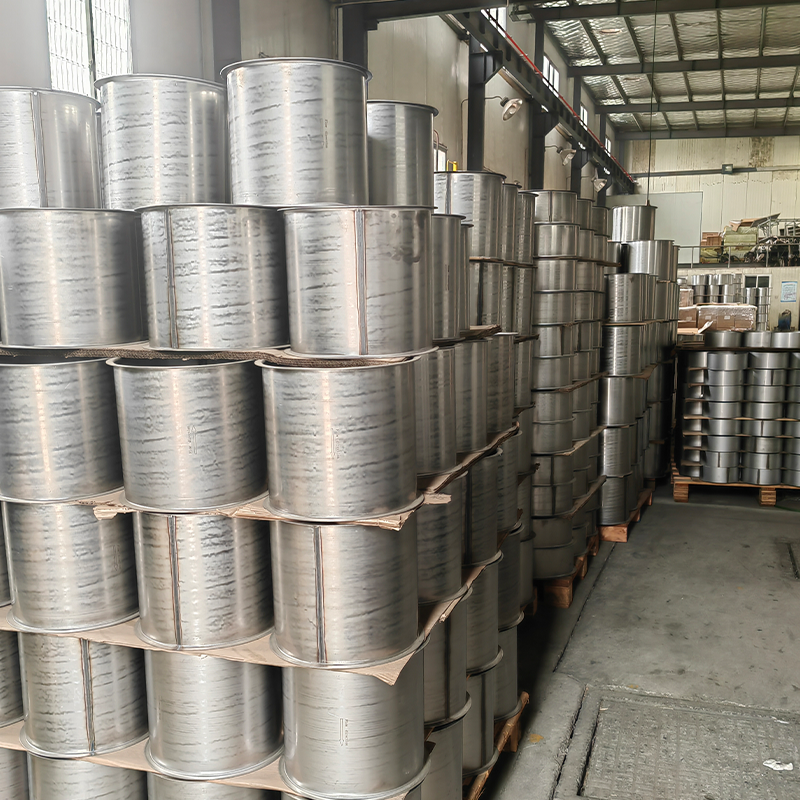
Gasoline Particulate Filter (GPF) welded assemblies are precision modules that integrate filtration, sensing, mechanical connection, and thermal manag...
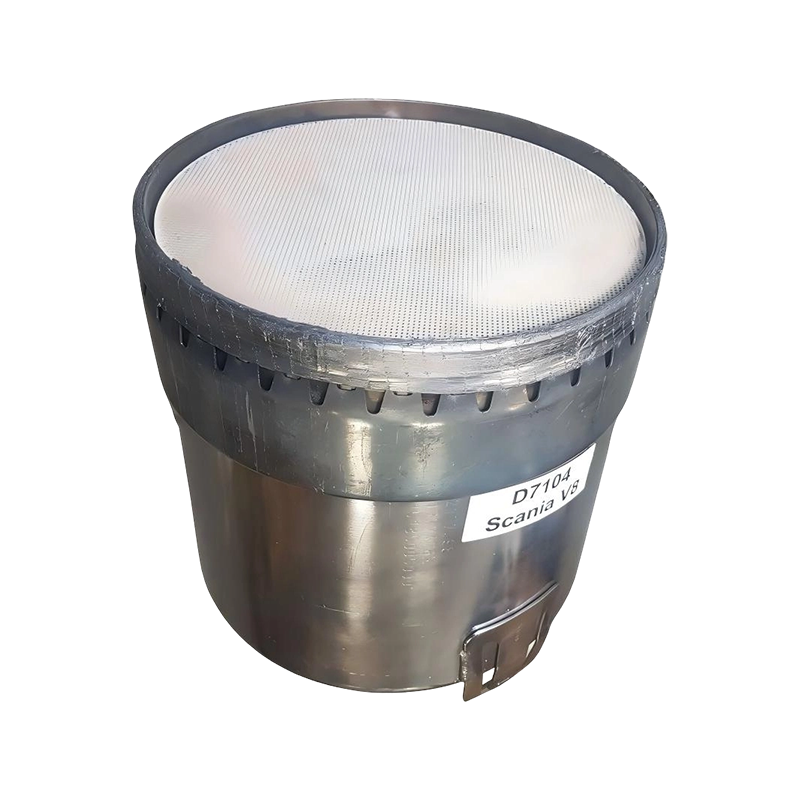
A diesel particulate filter (DPF) built to handle frequent regeneration without losing structural integrity.Heat resistance: withstands the repeated t...
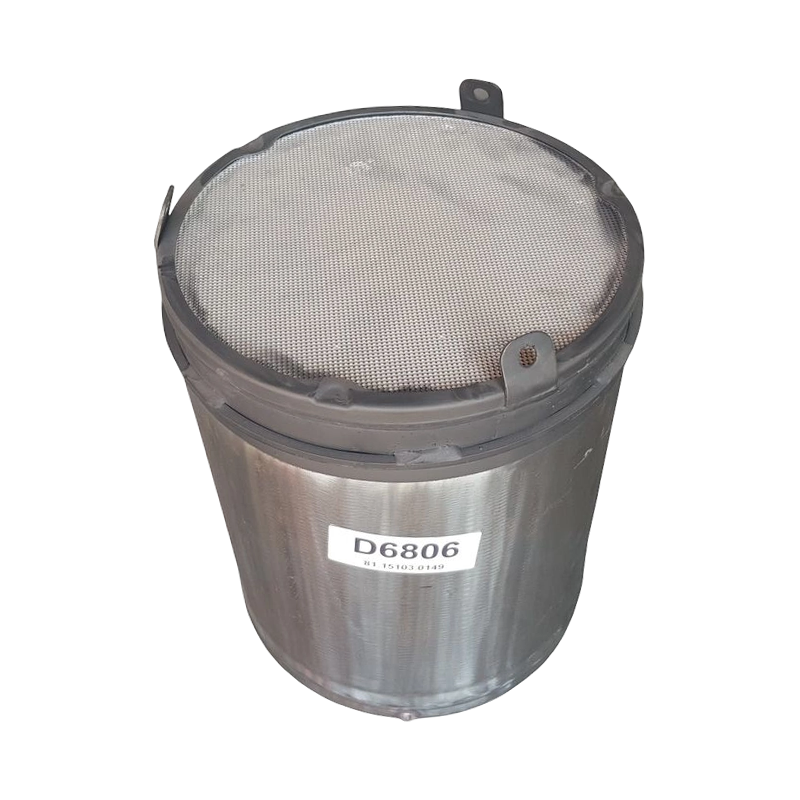
A diesel particulate filter (DPF) that combines soot filtration and muffling into a single exhaust component.Function: reduces both particulate output...
DPF Diesel Particulate Filter: The Most Effective Solution for Reducing Diesel Emissions A DPF dies......
READ MOREAt roughly 600 operating hours, the dash of a compact loader lights up with a derate warning. The t......
READ MOREA 3.0 L diesel van that rarely pushes its catalyst above 220 °C and a 400 kW standby generator runn......
READ MOREA diesel aftertreatment program usually discovers the need for a custom DPF solution the hard way. ......
READ MOREWhy Welded Catalytic Converter Components Matter in Modern Exhaust Systems Welded catalytic convert......
READ MOREThree-Way Catalytic Converters: Essential Emission Control Devices Three-way catalytic converters a......
READ MORE