


 English
 русский
 Español
Silicon Carbide (SiC) SCR Catalyst
The SCR catalyst also follows the carrier–coating–active component structure; however, its active components are fundamentally different from those in...
A construction fleet manager in Shandong noticed fuel consumption creeping up on a three-year-old wheel loader. The diagnostic tool showed no fault codes until the diesel particulate filter (DPF) went into active regeneration twice in one shift. The root cause was a diesel oxidation catalyst (DOC) that had lost its oxidation activity. That scenario repeats in workshops every day, yet the DOC remains the least understood component in a diesel aftertreatment system.
A DOC is the first device in the exhaust stream after the turbocharger on most modern diesel engines. Its housing looks like a muffler, but inside sits a ceramic or metallic honeycomb substrate coated with a thin washcoat layer that carries precious-metal catalysts, typically platinum and palladium. The DOC oxidizes carbon monoxide (CO) and unburned hydrocarbons (HC) into carbon dioxide (CO2) and water (H2O) at temperatures between roughly 200 °C and 450 °C.
Unlike a three-way catalytic converter on a gasoline engine, a DOC cannot reduce nitrogen oxides (NOx). Diesel exhaust always contains surplus oxygen, so the catalyst can only promote oxidation reactions. That is why modern diesel engines pair the DOC with selective catalytic reduction (SCR) or a lean NOx trap for nitrogen-oxide control.
The DOC works by providing a surface where exhaust molecules react with oxygen at a lower activation energy. Four reactions dominate in practice, and their balance determines both emissions performance and the temperature behaviour of the whole aftertreatment system.
| Reaction | Reactants | Products | Importance |
|---|---|---|---|
| CO oxidation | CO + O2 | CO2 | Cuts carbon monoxide and releases heat |
| Hydrocarbon oxidation | HC + O2 | CO2 + H2O | Cuts unburned fuel; raises exhaust temperature |
| Nitric oxide oxidation | NO + O2 | NO2 | Enables passive DPF regeneration and low-temperature SCR |
| Sulfur dioxide oxidation | SO2 + O2 | SO3 | Unwanted; forms sulfate particulate matter |
The light-off temperature, the point where conversion efficiency reaches 50 percent, sits near 180 °C on a fresh catalyst in most designs. Sustained exhaust temperatures above 650 °C begin sintering the precious-metal particles and permanently cut active surface area. Above 700 °C, the washcoat can peel or melt.
Most technicians treat the DOC as a simple emissions box, but it plays three supporting roles that affect durability and operating cost across the entire aftertreatment system.
The DOC and the DPF are often confused because they sit side by side in the same can. Their jobs, however, are fundamentally different. The DOC is a flow-through catalyst that changes chemistry; the DPF is a wall-flow filter that removes particles.
| Aspect | DOC | DPF |
|---|---|---|
| Function | Oxidizes CO, HC, and part of the NO | Traps particulate matter (soot and ash) |
| Working principle | Catalytic reaction on a flow-through substrate | Physical wall-flow filtration |
| Exhaust flow | Passes straight through open channels | Forced through porous walls |
| Byproducts | CO2, H2O, NO2 | Soot that must be burned; ash that remains |
| Backpressure | Low and stable | Rises as soot and ash accumulate |
| Regeneration role | Generates heat and NO2 | Requires regeneration by heat or NO2 |
A failed DOC often takes the DPF down with it. If the DOC stops oxidizing fuel, active regeneration cannot reach the required temperature, the DPF fills with soot, and the machine enters derate mode.
DOCs do not wear out on a fixed schedule. They fail through one of four mechanisms, and early detection is the only way to avoid expensive secondary damage.
Signs to watch for include a gradual increase in exhaust backpressure, fuel consumption creeping up by 5 to 10 percent, more frequent DPF active regenerations, a raw diesel smell at idle, and visible smoke that was not there before. The service light is a late indicator; by the time a catalyst efficiency code appears, the washcoat is usually already degraded. You will find a detailed checklist on DOC replacement signs useful for planning inspections.
Selecting a replacement DOC is not a part-number lookup. You need to match the substrate, precious-metal loading, and physical dimensions to the engine duty cycle and fuel quality.
Cordierite honeycomb is the default for most on-road applications because it is inexpensive and adequate below 650 °C. Silicon carbide survives higher thermal stress but costs more. Metallic foil substrates offer faster light-off and lower backpressure in compact installations, which makes them popular in marine and generator-set packages where space is tight.
Platinum is the main active component in a DOC. Higher platinum loading gives faster light-off and better tolerance to sulfur poisoning, but it also raises the purchase price substantially. Some formulations replace part of the platinum with palladium to cut cost, accepting slightly slower light-off in exchange. For applications that spend long periods idling, the extra precious metal pays for itself in avoided regenerations.
A DOC is normally sized at 0.5 to 1.5 times engine displacement, depending on allowable backpressure and exhaust temperature. Higher cell density (for example, 400 cells per square inch in ceramic substrates) provides more surface area but increases backpressure. Thin-wall designs with 300 cells per square inch balance light-off, pressure drop, and soot-loading tolerance for most heavy-duty applications.
The right DOC for a line-haul truck is not necessarily the right DOC for a harbor tug or a landfill compactor. Duty cycle drives the selection.
A DOC oxidation catalyst is a deceptively simple component. It does not merely sit in front of the DPF; it sets the temperature and chemistry for the entire aftertreatment system. When it fails quietly, fuel economy drops, regeneration intervals shorten, and the DPF and SCR begin failing in sympathy. The cheapest fix is to understand what your catalyst is doing, inspect it before it strands a machine, and specify the substrate and precious-metal load for the real duty cycle rather than the part catalog.
Content
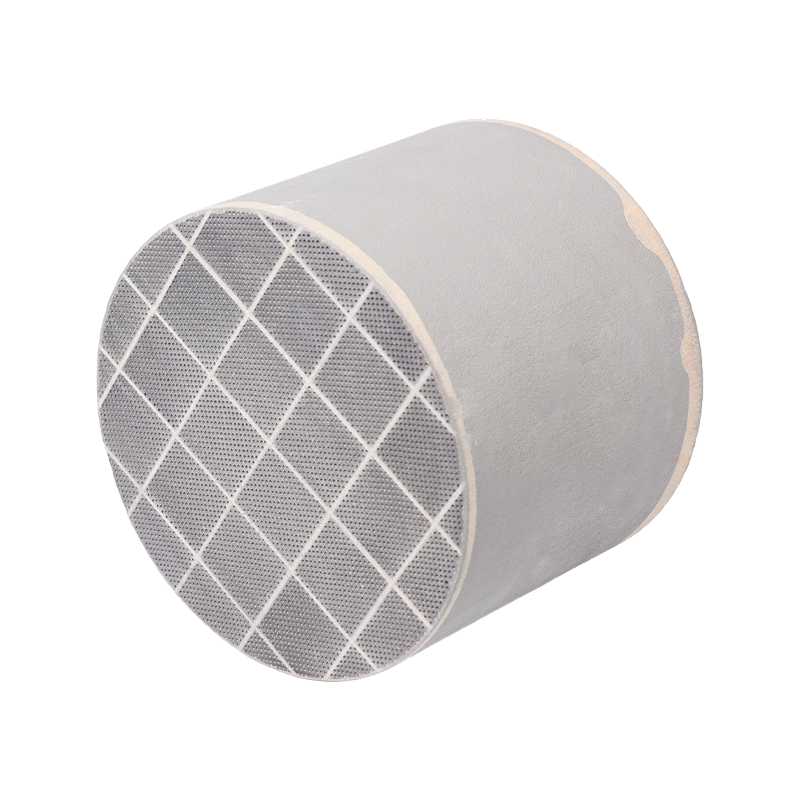
The SCR catalyst also follows the carrier–coating–active component structure; however, its active components are fundamentally different from those in...
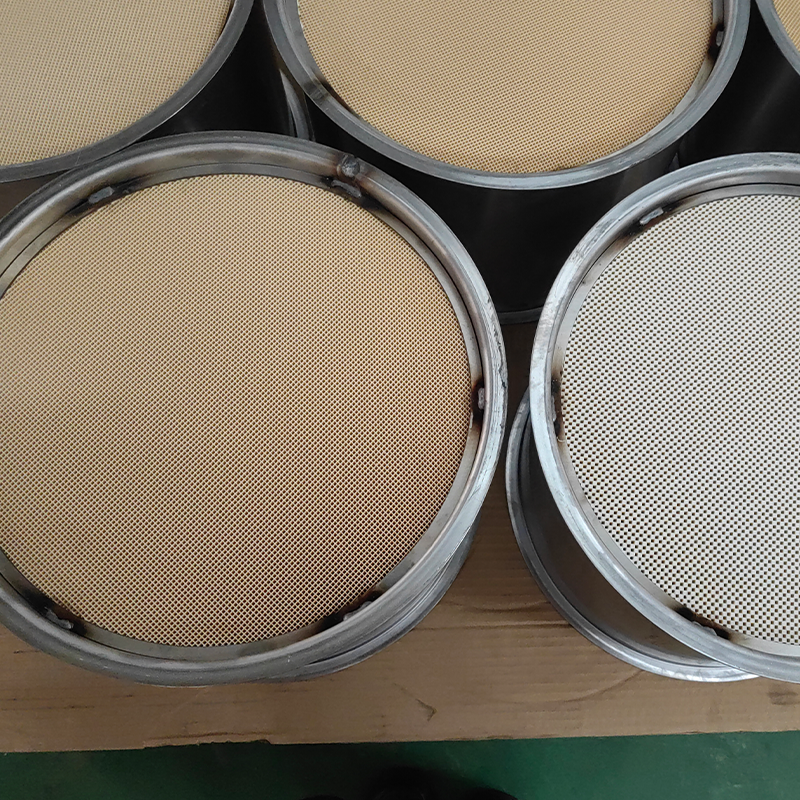
The Three-Way Catalyst (TWC) welded assembly is one of the core components in an automotive exhaust system, and its manufacturing process and quality ...

An ultra-large generator set three-way catalytic converter is a device capable of converting harmful exhaust gases—such as carbon monoxide (CO), hydro...
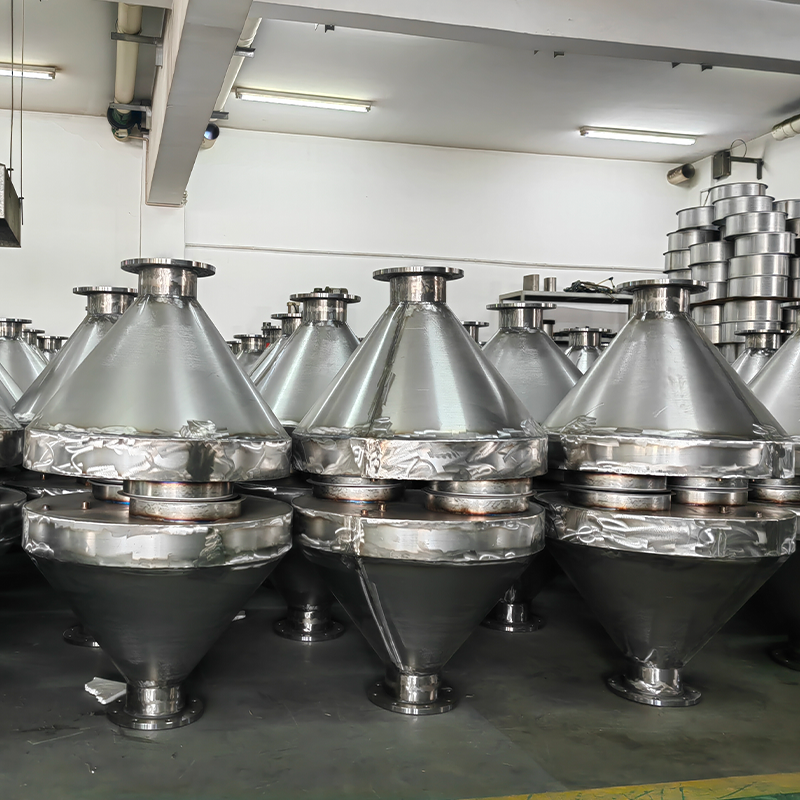
The three-way catalyst used in large generator sets is a key device that ensures these ‘power-hungry beasts’ can deliver stable electricity while stil...
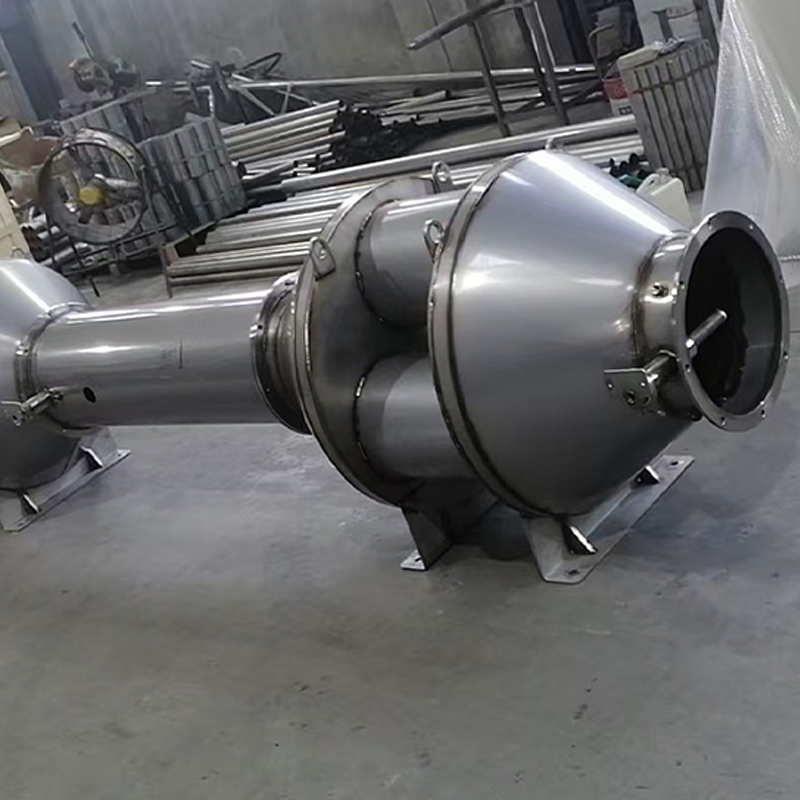
A three-way catalytic converter for medium-sized generator sets is a system optimized for higher exhaust flow rates and longer operating hours. Compar...
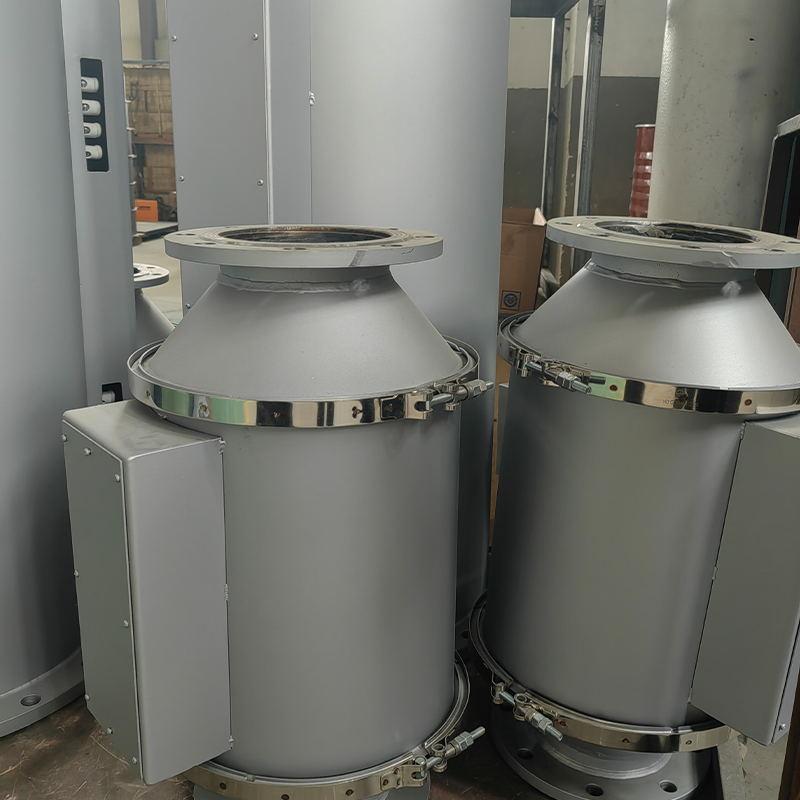
For small generator sets, installing a three-way catalytic converter is an effective method to significantly reduce harmful exhaust emissions and meet...
The short answer first: a diesel oxidation catalyst, usually shortened to DOC, is the first functio......
READ MOREAsk a diesel technician who has chased an intermittent DPF regeneration fault, and you will hear th......
READ MOREA DOC (Diesel Oxidation Catalyst) is a critical emissions control component that reduces harmful pol......
READ MOREIf your diesel engine suddenly loses power while the exhaust smells raw and oily, the problem may b......
READ MOREIntroduction: What Is a DOC Oxidation Catalyst? A diesel oxidation catalyst (DOC) is the first acti......
READ MOREA Diesel Oxidation Catalyst (DOC) is an emissions control device installed in the exhaust system of......
READ MORE