


 English
 русский
 Español
Silicon Carbide (SiC) SCR Catalyst
The SCR catalyst also follows the carrier–coating–active component structure; however, its active components are fundamentally different from those in...
A diesel oxidation catalyst (DOC) is the first active component in almost every modern diesel aftertreatment system. It is a flow-through honeycomb substrate coated with precious metals that converts carbon monoxide (CO), gaseous hydrocarbons (HC), and the soluble organic fraction (SOF) of diesel particulate matter into less harmful carbon dioxide (CO₂) and water vapor (H₂O). Beyond these direct conversions, a DOC also oxidizes nitric oxide (NO) to nitrogen dioxide (NO₂), a reaction that plays a central role in supporting downstream components like the diesel particulate filter (DPF) and selective catalytic reduction (SCR) system.
To be direct: if your application runs on diesel and must meet modern emission limits, the DOC is not optional—it is the foundation of the entire aftertreatment architecture. Unlike a three-way catalytic converter (TWC) used in gasoline vehicles, which operates at a stoichiometric air-fuel ratio, a DOC operates in a continuously oxygen-rich environment where exhaust oxygen content typically ranges from 3% to 17%. This fundamental difference means CO and HC oxidation happens readily, but NOx reduction does not occur inside the DOC. That task belongs to downstream SCR systems.
If you are evaluating catalyst suppliers, a well-engineered DOC directly affects system durability, DPF regeneration intervals, and your ability to meet regulatory targets. For a closer look at the available options, you can explore our diesel oxidation catalyst series.
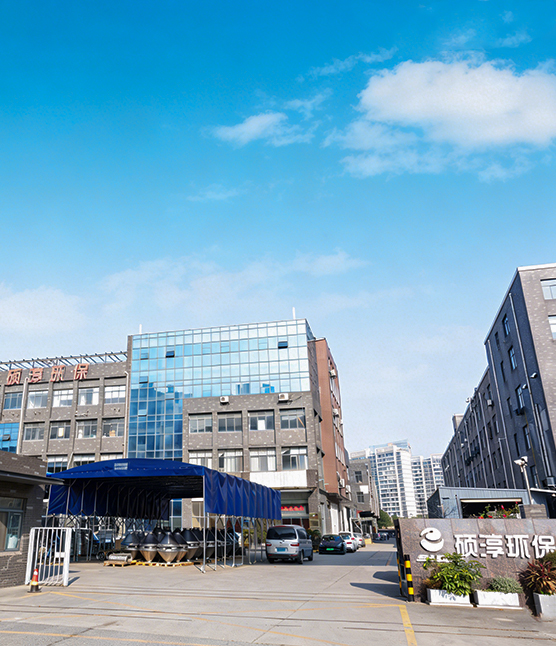 Custom DOC Diesel Oxidation Catalyst Manufacturers, SuppliersLongyou Shuochun New Material Technology is China DOC catalytic converter manufacturers and custom DOC catalyst carrier suppliers, offeri...View Product →
A DOC's function depends on three structural elements: the substrate, the washcoat, and the precious metal formulation. The substrate is typically a ceramic honeycomb (often cordierite) or a metallic foil structure that provides thousands of parallel channels. The washcoat, usually aluminum oxide-based, creates a high-surface-area layer that holds the catalytically active precious metals—platinum (Pt) and palladium (Pd) being the most common choices.
Catalytic oxidation occurs in a multi-step sequence at the precious metal surface. First, oxygen molecules adsorb onto the metal sites. Next, CO and HC molecules diffuse from the bulk exhaust stream into the porous washcoat and adsorb onto adjacent active sites. The oxidation reaction then proceeds, and the resulting CO₂ and H₂O molecules desorb from the surface and re-enter the exhaust flow. This continuous cycle is what makes the DOC an efficient "chemical converter" rather than just a filter.
For CO, the oxidation reaction is simple:
2CO + O₂ → 2CO₂
For hydrocarbons, in simplified form:
CₓHᵧ + (x + y/4)O₂ → xCO₂ + (y/2)H₂O
The fourth important reaction—the one that gives the DOC its system-level value—is NO oxidation:
2NO + O₂ → 2NO₂
None of these reactions occur at meaningful rates until the catalyst reaches its "light-off" temperature, typically around 200°C (392°F) for modern DOC formulations. Below this threshold, precious metal sites are not yet active enough to convert pollutants efficiently. This matters in real-world operation: vehicles and equipment that spend long periods idling or running at low load may never reach light-off, resulting in poor emission performance and gradual accumulation of unburned HC on the catalyst surface.
If you want to revisit the fundamentals before going deeper, our earlier guide to diesel oxidation catalysts explains the basic construction and operating principles in plain terms.
The efficiency of a DOC is not a single fixed number—it depends on several interacting design and operating variables. Understanding these is critical whether you are specifying a catalyst for a new application or diagnosing poor performance in an existing one.
| Factor | Typical Range / Option | Impact on Performance |
|---|---|---|
| Operating temperature | 200–450°C optimal window | Below light-off, conversion efficiency drops sharply; above ~600°C, precious metal sintering accelerates |
| Substrate cell density | 200–600 cells per square inch (cpsi) | Higher cell density increases geometric surface area but also increases exhaust backpressure |
| Precious metal loading | 20–100 g/ft³ (typical for Pt/Pd) | Higher loading improves activity and sulfur tolerance but significantly raises cost |
| Space velocity | 30,000–100,000 h⁻¹ depending on application | Higher space velocity means less residence time; requires larger volume or more active formulation |
| Fuel sulfur content | Below 15 ppm (ultra-low sulfur diesel) | Higher sulfur leads to sulfate (SO₄²⁻) formation, which increases particulate matter emissions instead of reducing them |
Platinum is the most effective single metal for oxidizing CO, HC, and NO across the full temperature window. Palladium is often blended with platinum to improve hydrocarbon oxidation stability and reduce cost, but high palladium fractions can suppress NO₂ generation. The optimal Pt:Pd ratio depends on your specific priorities—whether maximum NO₂ production for passive DPF regeneration, maximum CO/HC conversion, or a balanced profile for a mixed-duty cycle. This is exactly the kind of customization that a coating-focused catalyst manufacturer should be able to offer.
Under high-temperature conditions and with sulfur-bearing fuels, a DOC can oxidize SO₂ to SO₃, which then combines with water to form sulfuric acid and sulfate particulates. This actually increases total particulate mass, negating the particulate reduction benefit of the DOC. Ultra-low-sulfur diesel fuel (≤15 ppm) largely solves this problem, but operators using off-road diesel, heating oil, or fuel from less-regulated markets can still encounter it.
A DOC never works alone. In the standard architecture of a modern diesel emission control system—DOC → DPF → SCR → ASC—the DOC is positioned first, and its output quality determines how well every downstream component performs.
Diesel particulate filters physically trap soot, but a filter that never cleans itself will quickly plug. The DOC enables two regeneration pathways. The first, active regeneration, requires the engine management system to raise exhaust temperature (via in-cylinder post-injection) until soot burns in excess oxygen at roughly 550–650°C. The DOC contributes by oxidizing the injected fuel to generate the needed heat. The second, passive regeneration, relies on the NO₂ generated by the DOC. NO₂ oxidizes soot at much lower temperatures (around 300–350°C) than O₂ alone. Without sufficient NO₂ upstream, passive regeneration barely occurs, and the system becomes dependent on more frequent—and more fuel-consuming—active regeneration cycles. For a system-level perspective on pairing your DOC with the right filter, review the DPF catalyst range for complete aftertreatment systems.
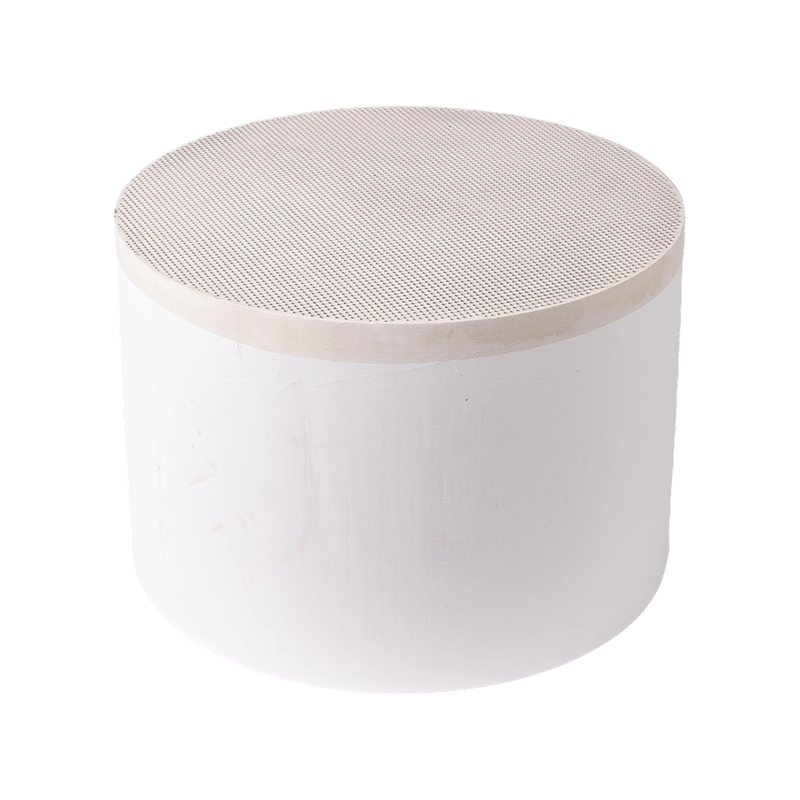 Custom DPF Diesel Particulate Filter Manufacturers, SuppliersAs China DPF catalyst manufacturers and catalytic converter filter suppliers, Longyou Shuochun New Material Technology Co., Ltd. offering...View Product →
SSCR catalysts—particularly copper-based and iron-based formulations—reduce NOx more efficiently when the NO₂/NOₓ ratio is elevated. Standard engine-out NOx is typically more than 90% NO, which provides a poor ratio for fast SCR reaction kinetics. The DOC's conversion of NO to NO₂ raises this ratio toward the 1:1 optimum, improving low-temperature SCR performance. In modern Euro VI / EPA 2010 systems, the DOC is therefore as much a "chemical pre-treater" for the SCR as it is an independent emission reducer. If your system is being designed with SCR as the primary NOx reduction strategy, matching the upstream DOC's NO₂ production to your SCR formulation is essential—see the available SCR catalyst options to understand the interaction at a product level.
A well-designed DOC with proper fuel and lubricant quality should function effectively for thousands of hours. But in the real world, degradation happens, and recognizing the early signs is far cheaper than replacing a failed catalyst. The table below summarizes the failure modes that account for the majority of DOC problems in field operation:
| Failure Mode | Cause | Detectable Effect |
|---|---|---|
| Soot and ash plugging | Engine-out soot overload, oil consumption, frequent low-load operation | Increased backpressure, reduced fuel economy, elevated exhaust temperature |
| Precious metal sintering | Prolonged operation above 600–650°C (e.g., during uncontrolled active regeneration) | Permanent loss of conversion efficiency, higher light-off temperature |
| Catalyst poisoning | Phosphorus from engine oil, sulfur from fuel, silicon from intake dust | Gradual efficiency loss, especially for CO oxidation at low temperature |
| Hydrocarbon (SOF) masking | Low-temperature operation, oil dilution, repeated short cycles | Oily deposits on catalyst face, unpleasant diesel odor, temporarily reduced activity |
From a maintenance perspective, three practical rules extend DOC life. First, keep the engine properly tuned—excess fuel in the exhaust is the fastest way to overheat or mask a catalyst. Second, use the specified engine oil and ultra-low-sulfur fuel to minimize phosphorus and sulfur exposure. Third, monitor backpressure trends: a gradual rise is a stronger indicator of plugging than any single reading. For a field-oriented approach to catching the early signs of DOC deterioration, our article on signs your DOC may need attention outlines a practical diagnostic sequence.
Selecting a DOC for a specific application involves more than matching a part number. The right choice depends on the engine's displacement and exhaust flow rate, the temperature profile of your duty cycle, the emission standards you must meet, and the physical constraints of your installation. The following framework applies across sectors, from on-highway trucks to construction equipment, generator sets, and marine applications.
As a starting rule, the catalyst volume should be roughly 0.5 to 1.5 times the engine displacement, depending on target space velocity and backpressure limits. A larger volume provides more residence time and better conversion, but it costs more and increases backpressure. Once the volume is fixed, you choose between fewer cells per square inch (lower backpressure, slightly lower surface area) and higher cell counts (better conversion, higher backpressure at high flow rates).
Ceramic substrates are the industry default: they are cost-effective, washcoat well, and are available in a wide range of cell densities. Metallic substrates offer different advantages in specific applications:
Metal foil substrates have thinner walls, which means more open frontal area and lower backpressure for the same geometric surface area. They also heat up faster (advantageous for low-temperature cycles), have higher mechanical strength against vibration, and can be formed into custom cross-sections that fit tight under-hood or skid-mounted layouts. The trade-off is typically higher cost and less flexibility for certain washcoat loadings. If your application involves frequent cold starts, high vibration levels, or restricted installation space, the trade-off is often worth it—review metallic substrate catalyst products to evaluate the available configurations.
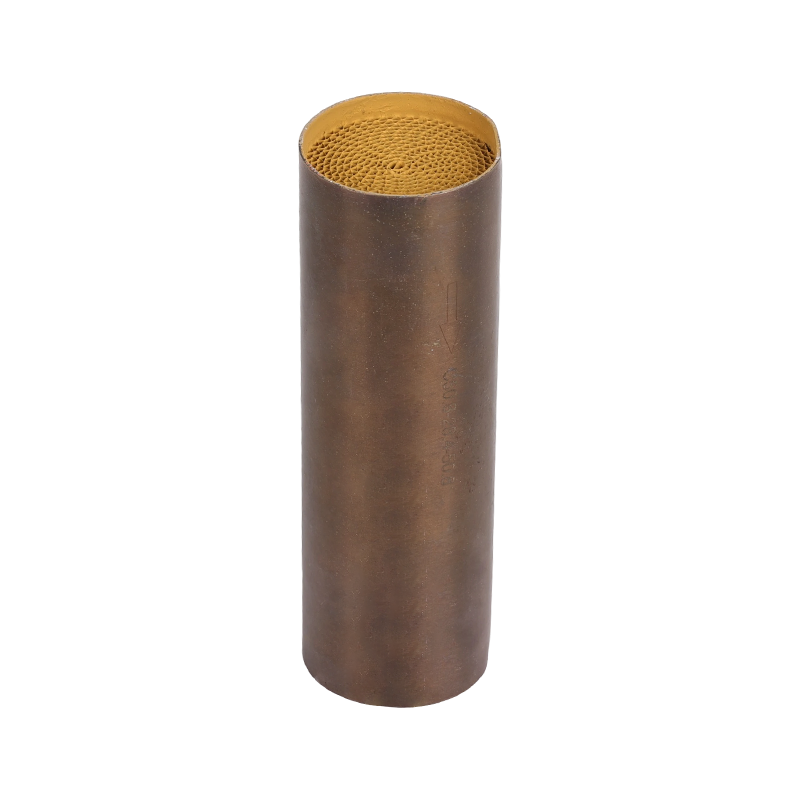 Custom Metallic Substrate Catalyst Manufacturers, SuppliersLongyou Shuochun New Material Technology Co., Ltd. is China metal honeycomb carrier manufacturers and custom metallic catalytic converter...View Product →
A generator set that runs at a constant 75% load for 8-hour shifts has a completely different thermal profile than a city bus that idles for half its duty cycle. For low-temperature applications, choose a formulation with high platinum content and a high-activity washcoat formulation to push light-off as low as possible. For high-load, continuous operations, the priority shifts to precious metal sintering resistance and a formulation that minimizes sulfate formation.
Euro VI and EPA 2010 standards require a complete aftertreatment system, and the DOC's role in supporting DPF and SCR functions is as important as its direct conversion efficiency. If your system has been designed for a specific compliance level (e.g., Euro VI with closed-loop PM measurement), the DOC's NO₂ production target must be specified at the design stage—not adjusted later. Suppliers who can tune the catalyst formulation to achieve a specific NO₂/NOₓ ratio at the DOC outlet will save you from costly downstream recalibration.
For equipment manufacturers, the DOC does not exist in isolation. It needs to fit within your exhaust packaging, interface with downstream components, and in many cases, be integrated into welded assemblies. Working with a manufacturer that provides monolith catalyst elements, welded housings, and complete canning solutions simplifies this substantially.
The DOC is the quiet workhorse of the diesel aftertreatment system. It directly eliminates CO and HC emissions, reduces the soluble organic fraction of particulate matter, and produces the NO₂ that makes DPF passive regeneration and efficient SCR operation possible. Getting it right requires attention to operating temperatures, substrate geometry, precious metal formulation, and system integration—decisions that have long-term consequences for both compliance and operating cost.
When evaluating suppliers, the critical differentiators are formulation flexibility (not just precious metal loading but the ratio and washcoat design), substrate supply options that match your packaging constraints, and the ability to tune performance for your specific duty cycle. The right technical partner will be able to discuss your application parameters, recommend a specific catalyst configuration, and support you from prototype through production.
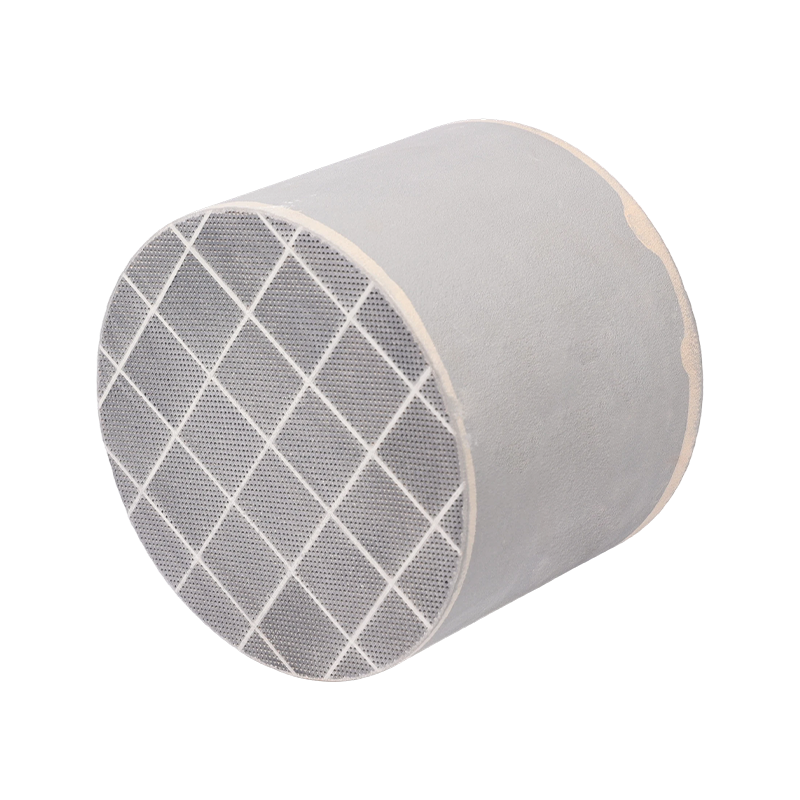
The SCR catalyst also follows the carrier–coating–active component structure; however, its active components are fundamentally different from those in...
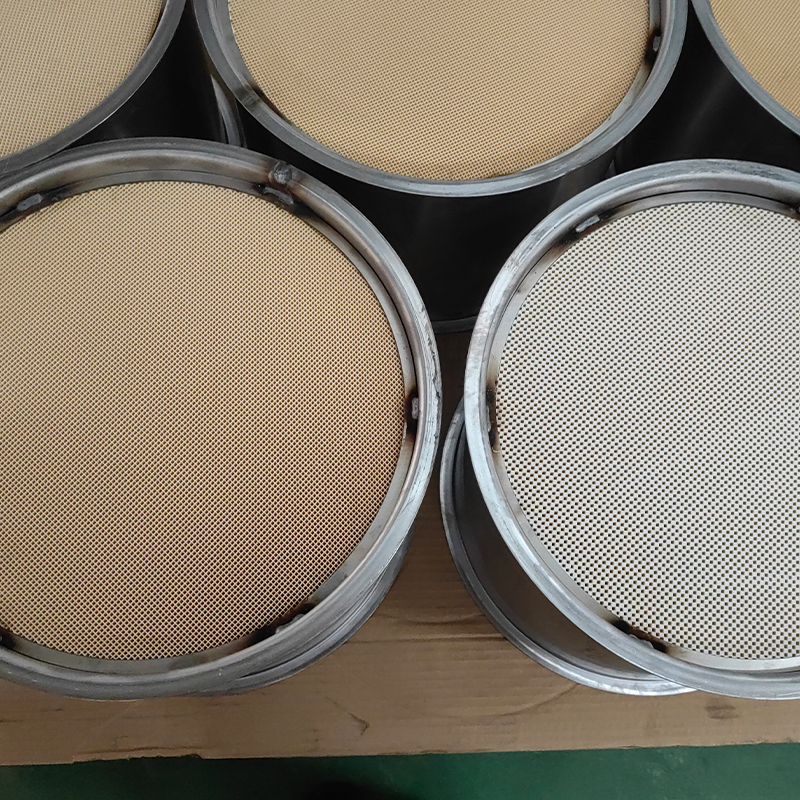
Diesel Particulate Filter (DPF) welded assemblies are critical mechanical modules in the exhaust after-treatment system for achieving efficient partic...
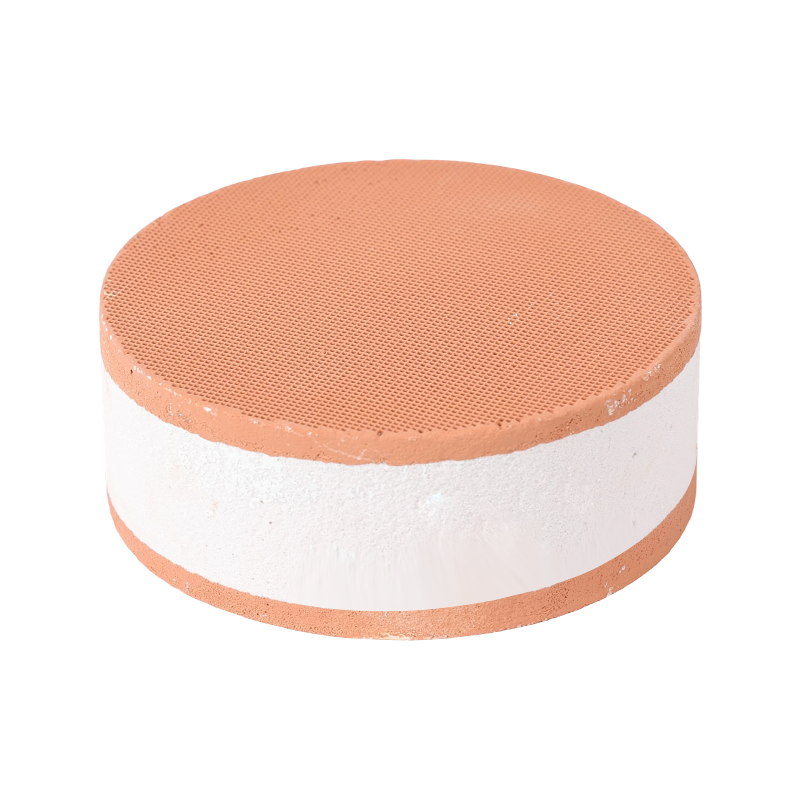
Iron-based SCR (Fe-SCR) catalysts, typically using Fe-Beta zeolites, are designed for high-temperature selective catalytic reduction of NOx in diesel ...
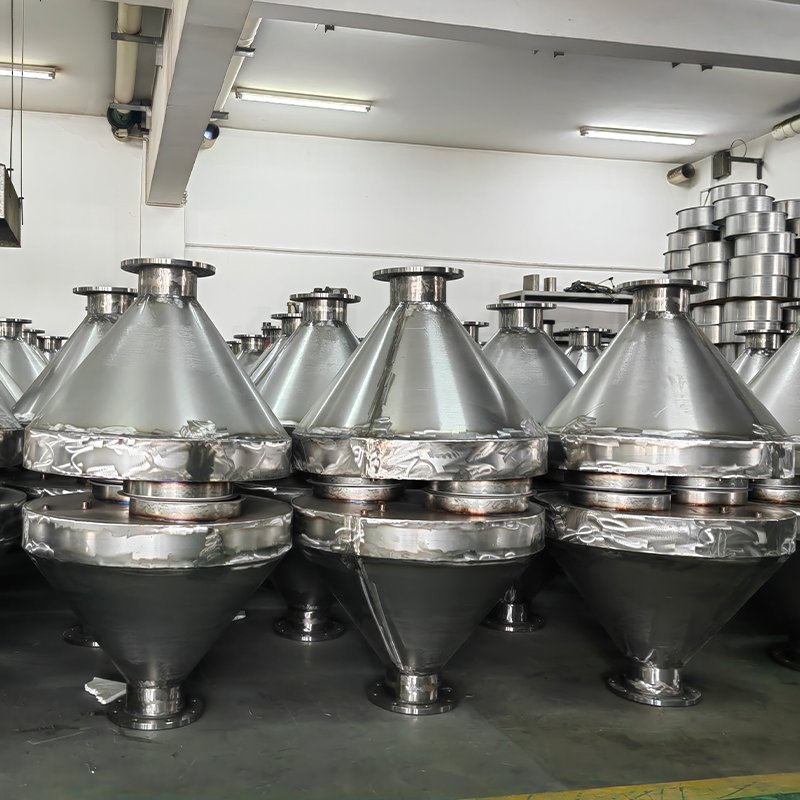
The three-way catalyst used in large generator sets is a key device that ensures these ‘power-hungry beasts’ can deliver stable electricity while stil...
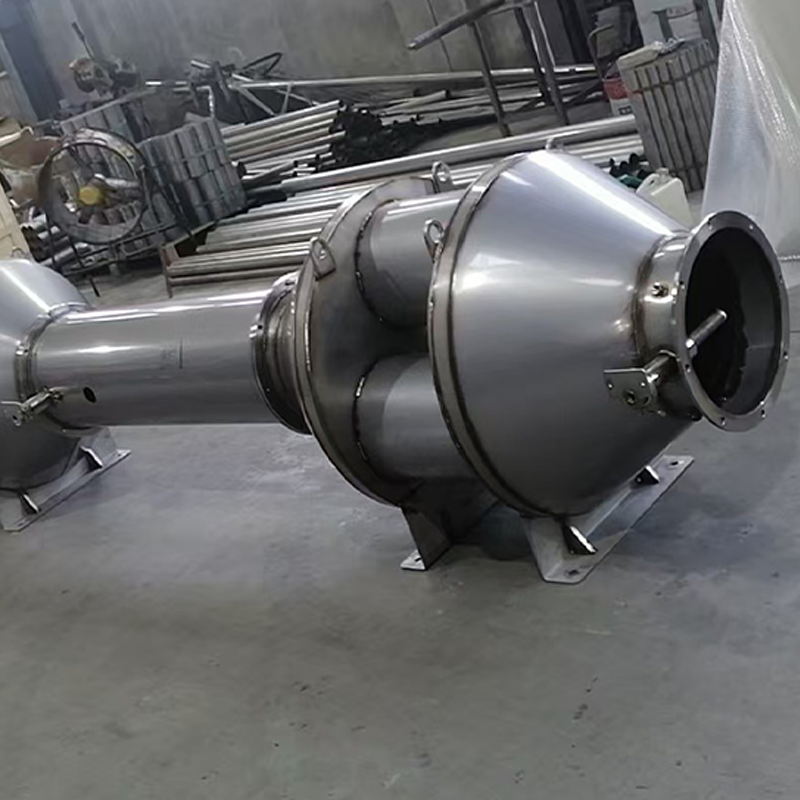
A three-way catalytic converter for medium-sized generator sets is a system optimized for higher exhaust flow rates and longer operating hours. Compar...
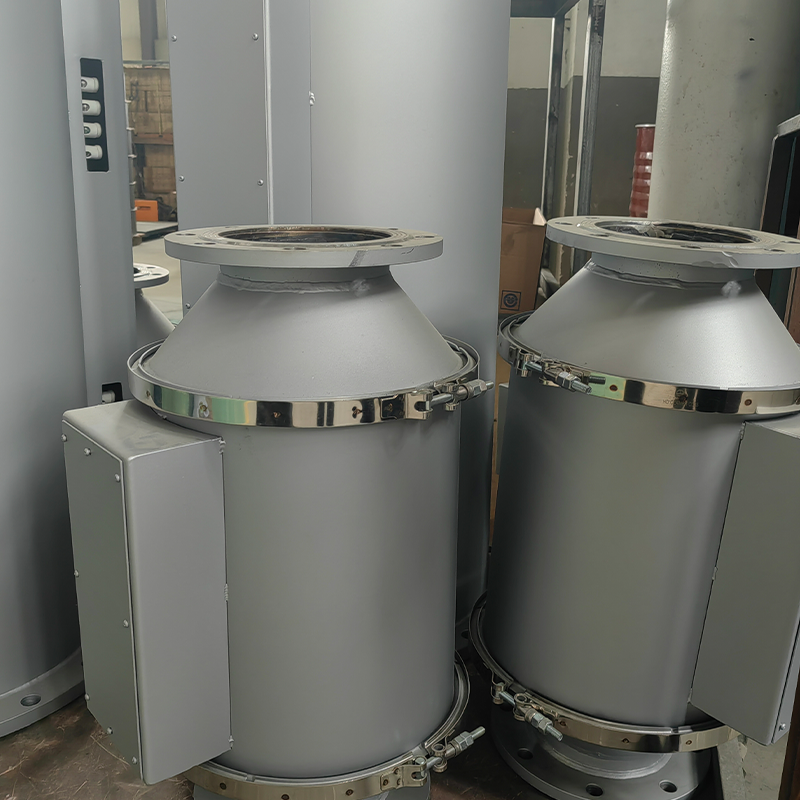
For small generator sets, installing a three-way catalytic converter is an effective method to significantly reduce harmful exhaust emissions and meet...
The short answer first: a diesel oxidation catalyst, usually shortened to DOC, is the first functio......
READ MOREA DOC (Diesel Oxidation Catalyst) is a critical emissions control component that reduces harmful pol......
READ MOREA construction fleet manager in Shandong noticed fuel consumption creeping up on a three-year-old w......
READ MOREAsk a diesel technician who has chased an intermittent DPF regeneration fault, and you will hear th......
READ MOREA Diesel Oxidation Catalyst (DOC) is an emissions control device installed in the exhaust system of......
READ MOREThe most direct signals that a Diesel Oxidation Catalyst (DOC) needs replacement include: a persiste......
READ MORE