


 English
 русский
 Español
Diesel Particulate Filter (DPF) Catalyst Element
Diesel Particulate Filter (DPF) welded assemblies are critical mechanical modules in the exhaust after-treatment system for achieving efficient partic...
The short answer first: a diesel oxidation catalyst, usually shortened to DOC, is the first functional stage of nearly every modern diesel aftertreatment system, and its condition largely decides how well everything behind it performs.
The unit itself is simple to describe: a flow-through honeycomb substrate coated with platinum group metals, mounted close to the engine where exhaust is hottest. Working with the 5–15% oxygen that lean diesel exhaust always carries, it converts carbon monoxide (CO) and hydrocarbons (HC) into carbon dioxide and water, oxidizes a share of nitric oxide (NO) into nitrogen dioxide (NO2), and creates the heat platform on which diesel particulate filter (DPF) regeneration depends. Because a DOC has no moving parts, it should theoretically last the life of the engine. In practice, aftertreatment service companies commonly estimate that around 80% of DOC and DPF failures are premature, with the root cause sitting upstream in the engine rather than inside the catalyst canister. Knowing how the part works, how it fails, and what separates a dependable replacement from a cheap one is the most direct way to cut aftertreatment downtime.
Three reactions do most of the work: 2CO + O2 → 2CO2; unburned hydrocarbons → CO2 + H2O; and NO + 1/2 O2 → NO2. Lean-burn diesel exhaust contains abundant oxygen, so the catalyst never needs extra air dosing. On a healthy unit at operating temperature, CO and HC conversions typically reach 80–90% or higher, and oxidizing the soluble organic fraction of soot trims particulate emissions as a secondary benefit. Light-off for CO and HC generally arrives somewhere between 200 and 250°C, which is why engines that spend their lives idling or running short trips put the hardest load on measured emissions performance.
 DOC Diesel Oxidation Catalyst Manufacturersinformation to be updatedView Product →
During active DPF regeneration, a hydrocarbon doser injects a small quantity of fuel upstream of the DOC. The catalyst burns it, and the resulting exotherm lifts exhaust temperature by roughly 150–200°C so trapped soot can oxidize inside the DPF. When a DOC loses activity, regeneration cycles fail or repeat endlessly, fuel consumption climbs, and soot loading shifts downstream. The NO to NO2 conversion matters just as much: a balanced NO2:NO ratio close to 1:1 supports passive soot oxidation and accelerates the fast SCR reaction, so an aged DOC quietly drags down selective catalytic reduction performance as well.
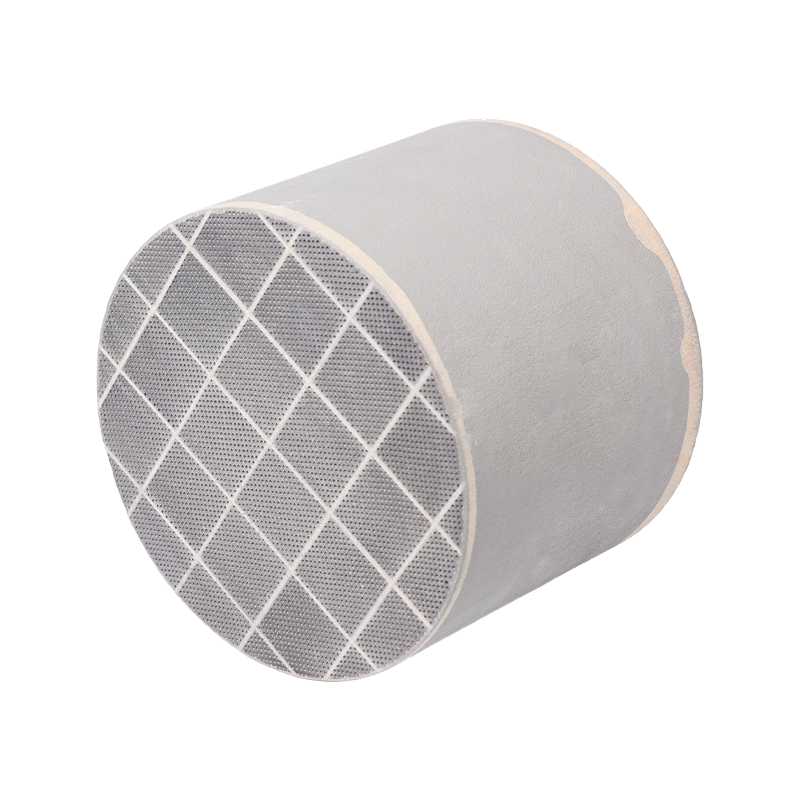 SCR Selective Catalytic Reduction System ManufacturersSilicon Carbide (SiC) SCR CatalystView Product →
For a plain-language refresher on the fundamentals, our industry guide to what a diesel oxidation catalyst is and how it works expands on this chemistry in more detail.
Most road-going DOCs use a cordierite ceramic honeycomb with cell densities between roughly 200 and 400 cpsi, chosen because it is light, cost-effective, and proven. Metallic foil substrates appear where packaging is tight or thermal duty is severe: they warm up faster, survive temperature spikes better, and can be wound into small or unusual cross-sections, which is why compact equipment and retrofit projects often favor them.
The washcoat is where coating discipline shows. Rare-earth oxides such as ceria keep the precious metals dispersed at high temperature, while platinum–palladium blends are tuned to the duty cycle, expected exhaust temperatures, and fuel quality. Two washcoats with the same precious metal loading can age very differently depending on how well the formulation and the coating process control dispersion — one reason buyers should look past headline loading figures and ask how the ratios of rare-earth, precious, and non-precious materials are adjusted and verified.
| Property | Cordierite ceramic honeycomb | Metallic substrate |
|---|---|---|
| Structure | Extruded ceramic honeycomb, flow-through channels | Corrugated and stacked metal foil, flow-through |
| Thermal behavior | Proven durability; larger thermal mass slows light-off | Fast light-off; tolerates spikes and vibration better |
| Packaging | Standard round or oval bricks | Compact, small, or custom cross-sections |
| Typical fit | Most on-road diesel vehicles | Compact machinery, retrofit, high-temperature positions |
A DOC cannot wear out mechanically; it fails chemically or hydraulically. The failure modes below account for the overwhelming majority of premature replacements seen in the field.
| Failure mode | Typical symptom | Common upstream root cause |
|---|---|---|
| Face plugging | High backpressure, failed regenerations | Bad injectors, turbo oil leak, prolonged idling |
| Coating sintering | Weak HC dosing response, low NO2 output | Repeated over-temperature regeneration events |
| Poisoning | Gradual conversion loss, higher emissions readings | High fuel sulfur, oil consumption, coolant leaks |
| Substrate cracking | Rattle noise, sharp efficiency drop | Extreme exotherm or thermal shock cycling |
The working principle that ties this together: upstream problems in the system are usually the cause of downstream failures. A new DOC installed behind a misfiring injector or a leaking doser is a scheduled repeat failure, not a repair.
Diagnosis starts with data already on the vehicle: differential pressure across the system, DOC inlet and outlet temperatures, and regeneration frequency logs. A backpressure test and a visual inspection of the inlet face confirm face plugging quickly. Whenever the DPF is removed for cleaning, the DOC should come out too and be cleaned the same way — the soot that filled the filter passed through the DOC first, so a freshly cleaned filter behind a plugged catalyst solves nothing for long.
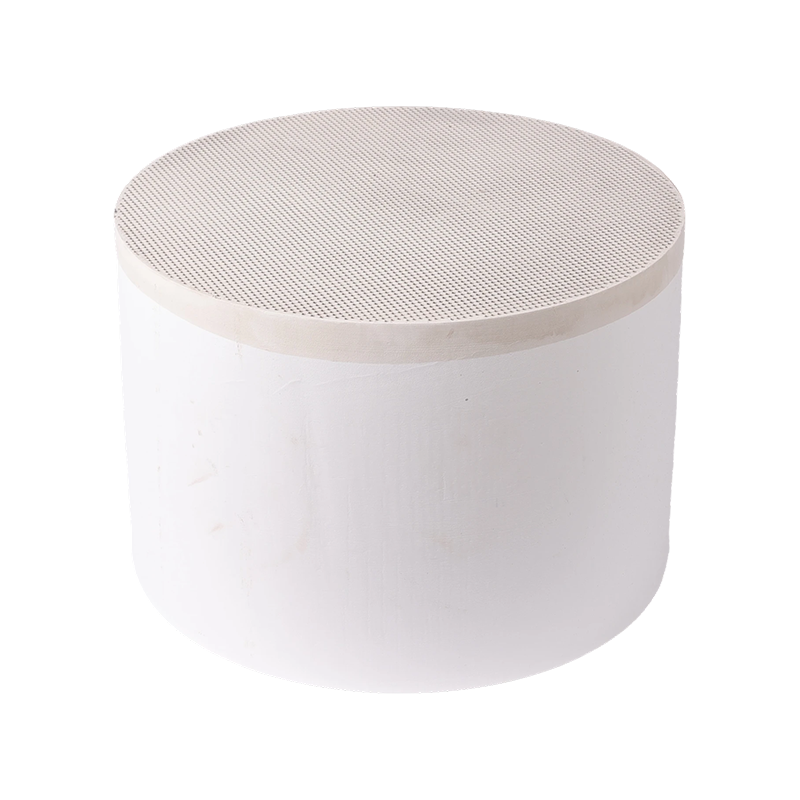 DPF Diesel Particulate Filter ManufacturersHoneycomb Substrate DPF CatalystView Product →
Pneumatic or thermal cleaning restores flow, but it cannot restore activity that sintering or poisoning has already destroyed; at that point, replacement is the only honest option. For a structured walkthrough of that decision, see our guide on how to tell if a diesel oxidation catalyst needs cleaning or replacement.
Buying decisions get easier when the checklist is explicit:
That last point is where a coating-focused supplier earns its place. Longyou Shuochun New Material Technology Co., Ltd. builds its business around catalyst coating: the team studies mainstream formulations, localizes them, and fine-tunes the proportions of rare-earth, precious, and non-precious metals to keep catalytic activity stable in production. The catalogue covers diesel oxidation catalysts alongside DPF, SCR, and gasoline particulate filter catalysts, metallic substrate catalysts — including units engineered to Euro 6 targets — plus welded component series and generator-set catalyst units from small to extra-large scale, which matters if your procurement spans more than one engine platform. Prospective buyers can reach the company through its inquiry channel with drawings, duty-cycle data, and target specifications for quotation.
Handled as a system component rather than a consumable, the DOC is straightforward: keep the engine healthy upstream, clean it whenever the DPF is serviced, and source replacements from a supplier who can prove coating control. Do those three things, and the diesel oxidation catalyst becomes the part of the aftertreatment system you stop worrying about.
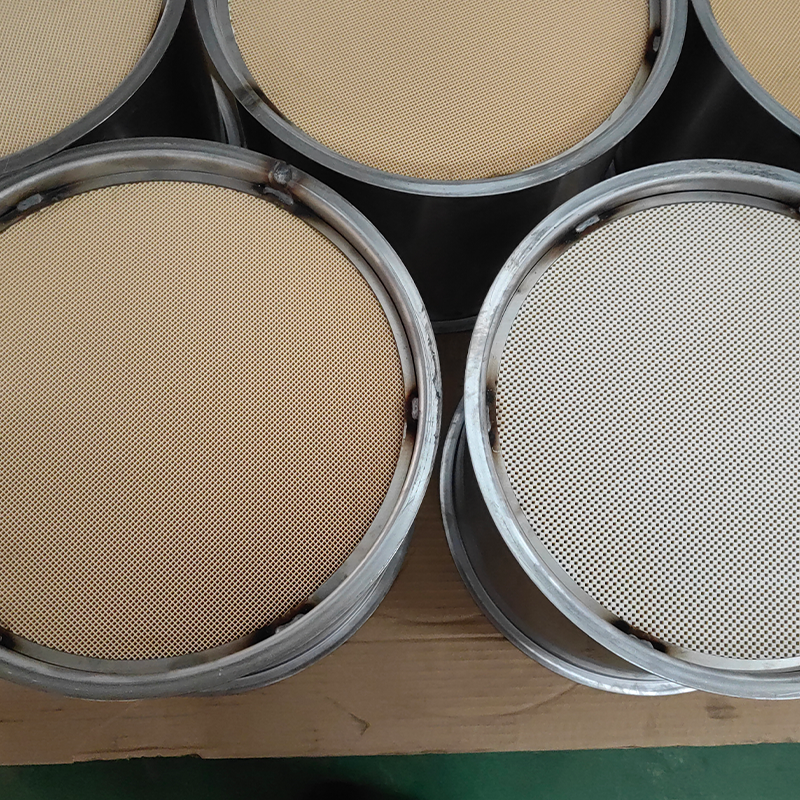
Diesel Particulate Filter (DPF) welded assemblies are critical mechanical modules in the exhaust after-treatment system for achieving efficient partic...

The SCR catalyst also follows the carrier–coating–active component structure; however, its active components are fundamentally different from those in...
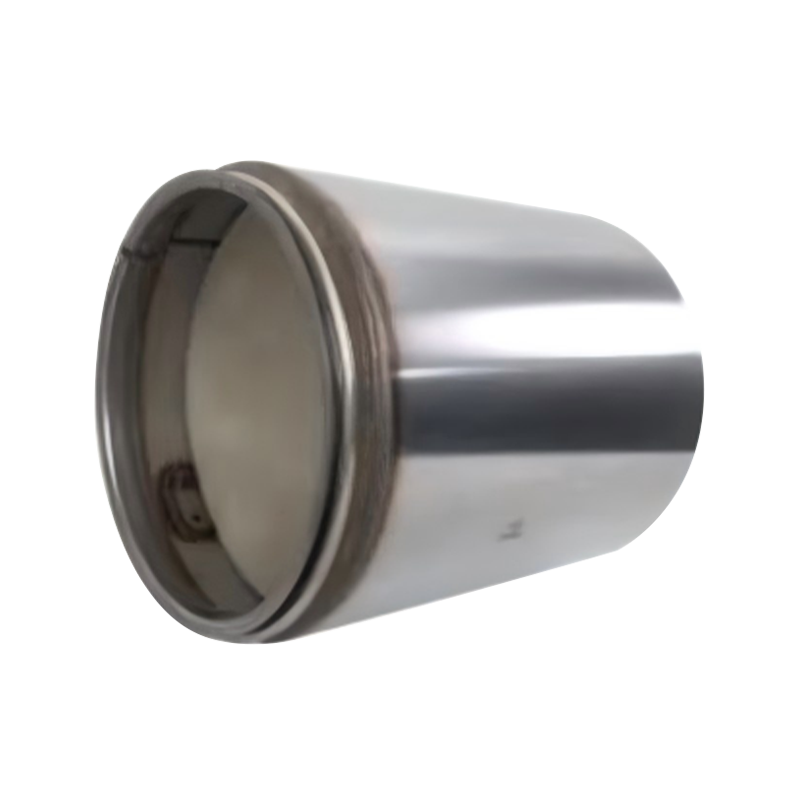
A basic diesel particulate filter (DPF) assembly for heavy-duty diesel trucks needing particulate control.Housing: stainless steel for corrosion resis...
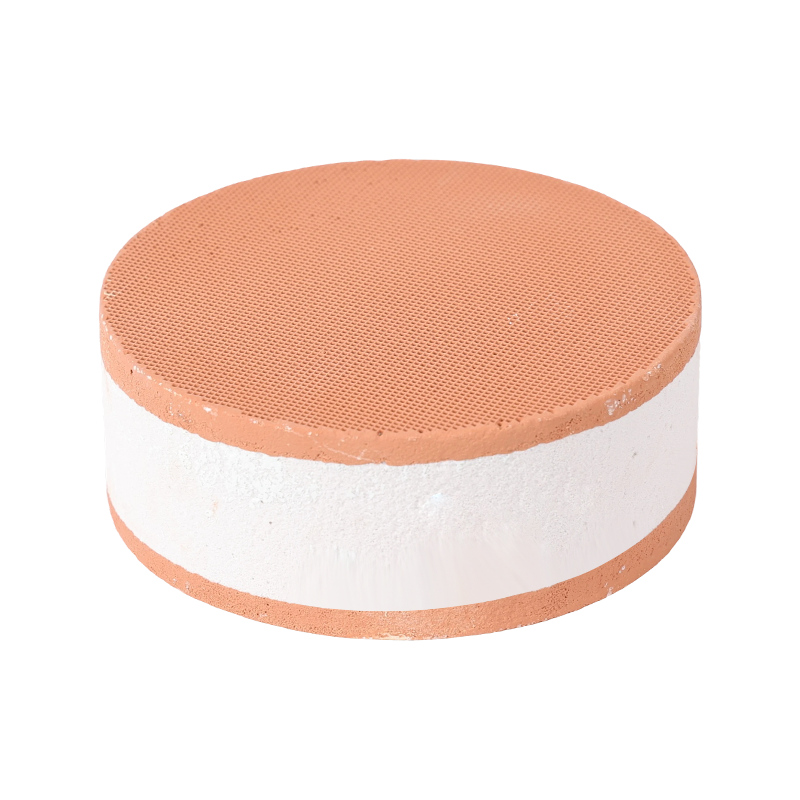
Iron-based SCR (Fe-SCR) catalysts, typically using Fe-Beta zeolites, are designed for high-temperature selective catalytic reduction of NOx in diesel ...
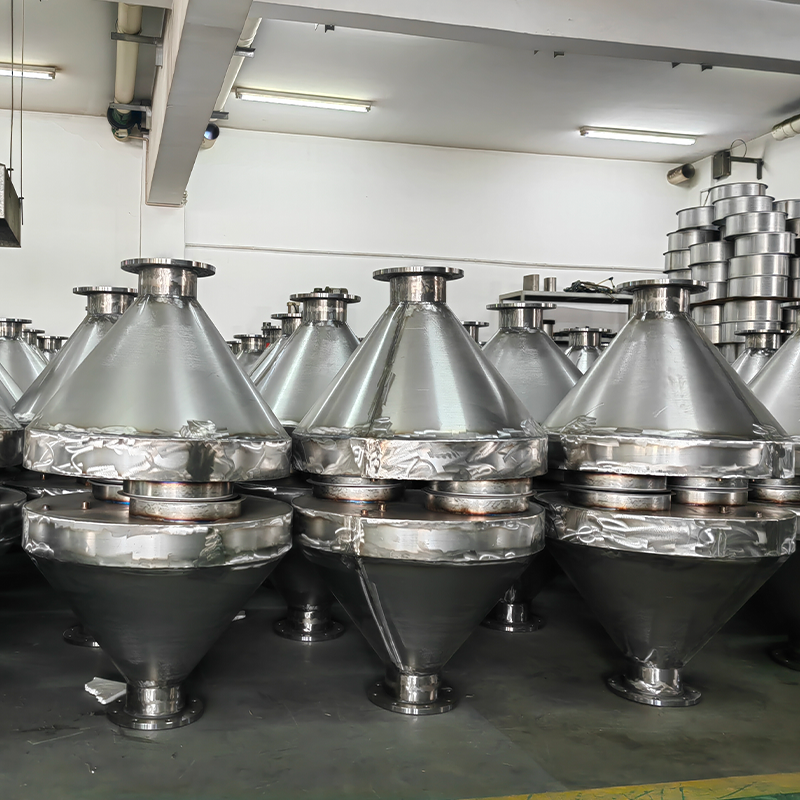
The three-way catalyst used in large generator sets is a key device that ensures these ‘power-hungry beasts’ can deliver stable electricity while stil...
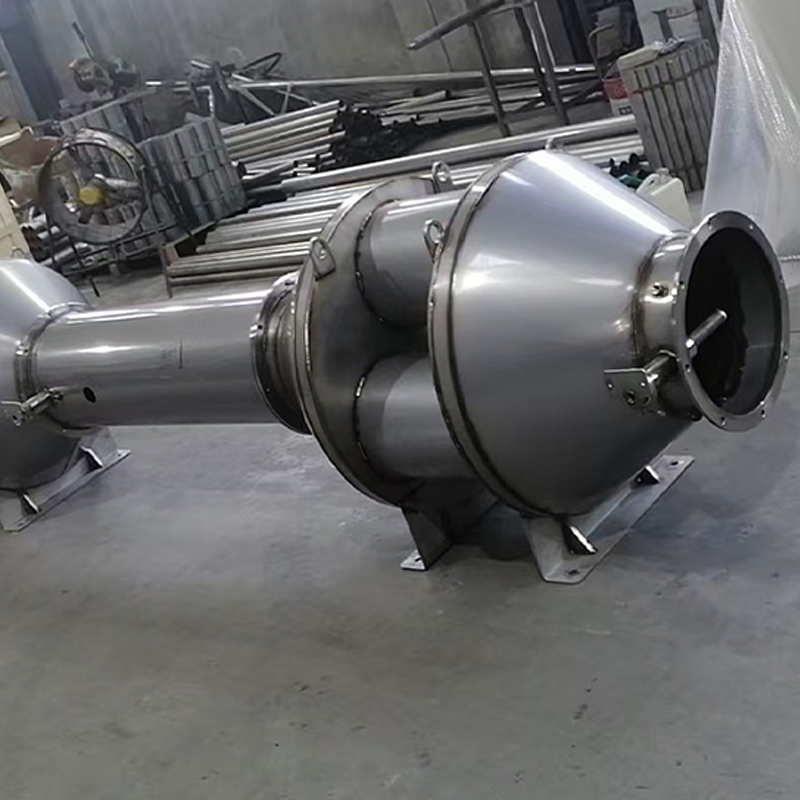
A three-way catalytic converter for medium-sized generator sets is a system optimized for higher exhaust flow rates and longer operating hours. Compar...
A DOC (Diesel Oxidation Catalyst) is a critical emissions control component that reduces harmful pol......
READ MOREA Diesel Oxidation Catalyst (DOC) is an emissions control device installed in the exhaust system of......
READ MOREA diesel particulate filter (DPF) is a critical emissions control device fitted to the exhaust syst......
READ MOREIntroduction: What Is a DOC Oxidation Catalyst? A diesel oxidation catalyst (DOC) is the first acti......
READ MOREAt roughly 600 operating hours, the dash of a compact loader lights up with a derate warning. The t......
READ MOREA construction fleet manager in Shandong noticed fuel consumption creeping up on a three-year-old w......
READ MORE