


 English
 русский
 Español
Compact DPF Soot Filter
A diesel particulate filter (DPF) sized for compact exhaust layouts without giving up filtration performance.Filtration: ceramic honeycomb core traps ...
At roughly 600 operating hours, the dash of a compact loader lights up with a derate warning. The technician's first question is usually not about the fuel system; it is about the diesel particulate filter. That sequence is common on compact diesel equipment built to meet Tier 4 and Stage V limits, where the DPF compact filter is a small component with an outsized effect on uptime. This article covers what a DPF compact filter is, how it regenerates, what shortens its life, and what to verify before buying a replacement.
A compact DPF is a wall-flow diesel particulate filter sized for engines below roughly 75 horsepower, where space in the exhaust line is tight. It appears on compact tractors, skid steer loaders, mini excavators, small generator sets, and agricultural machinery. The operating principle is the same as on a heavy-duty truck: exhaust gas passes through porous walls, soot is trapped, and cleaned gas exits. The difference is scale. A compact filter holds less soot and ash, which makes its regeneration strategy narrower in tolerance.
Manufacturers size a compact DPF by exhaust flow, not by engine displacement. Two engines with identical litre capacity can need different substrate specifications depending on rated speed, turbocharging, and duty cycle. That is why a replacement decision should follow the substrate and coating specification, not simply the canister dimensions.
The filter element is a honeycomb block with alternating channels plugged at each end. Exhaust is forced through the porous wall, while particles around 0.1 micron are captured on the wall surface. Wall-flow filters used in current compact machines capture more than 95 percent of particulate mass.
A compact DPF does not work alone. It sits downstream of a diesel oxidation catalyst, which converts NO to NO2, and upstream of a selective catalytic reduction unit. The layout mirrors a large truck system, but packaging is tighter, so temperatures and flow distribution are less forgiving.
Once soot accumulates, the filter must regenerate. Two mechanisms keep it clear:
| Aspect | Passive Regeneration | Active Regeneration |
|---|---|---|
| Trigger | Continuous, during normal load | Soot load threshold or pressure drop |
| Exhaust temperature | 250–350°C | 550–650°C |
| Fuel penalty | None | 1–3 percent extra fuel |
| Oxidation driver | NO2 from upstream DOC | Oxygen at elevated temperature |
| Typical duty | Long runs, steady load | Stop-and-go, idling, light load |
Compact machines use both mechanisms, often in the same shift. A mini excavator that idles between loads depends on active regeneration; a generator running at steady load regenerates passively most of the time. Problems start when neither runs reliably and soot accumulates beyond the design limit.
Choosing a compact DPF means choosing a substrate and a catalytic coating. Both must match the engine's exhaust temperature profile and the space inside the machine.
Cordierite honeycomb offers low thermal expansion and good shock resistance, which makes it the default for steady-load applications. Silicon carbide tolerates higher temperatures and repeated rapid heating, at the cost of greater weight and price. Sintered metal appears rarely in this power class, usually where vibration is extreme.
The coating determines how easily soot oxidises. A noble-metal washcoat, typically platinum based, converts NO to NO2, which burns soot at 250–350°C. That is the chemistry behind passive regeneration. Base-metal or reduced-precious-metal coatings lower the initial price but push more regeneration work into the active cycle.
| Parameter | Honeycomb Substrate DPF | Noble Metal DPF Catalyst | Silicon Carbide DPF Catalyst |
|---|---|---|---|
| Typical application | Genset, steady load | Compact tractor, light duty | Skid steer, high load cycles |
| Substrate | Cordierite honeycomb | Cordierite or SiC core | Silicon carbide |
| Coating approach | Standard washcoat | Noble-metal washcoat | Coating matched to severe cycles |
| Regeneration behaviour | Passive at moderate load | Strong passive at low temperature | Tolerates frequent active regen |
| Relative price | Low | Higher | Highest |
| Failure mode to watch | Thermal cracking under overload | Coating deactivation | Cost, weight, mounting stress |
The practical rule is straightforward. A generator running at 100 percent load can use a standard honeycomb element. A compact tractor that idles for long stretches benefits from a noble-metal coating that sustains passive regeneration. A loader that regenerates frequently under high thermal stress is safer with silicon carbide.
Soot burns off. Ash does not. Ash comes from lubricant additives consumed during normal operation and stays in the filter even after a successful regeneration. The only removal route is physical cleaning. That single fact explains most compact DPF failures: the element is not worn out, it is full of ash.
Four factors accelerate the damage:
Cleaning intervals for compact filters usually fall between 1,500 and 3,000 hours, but duty cycle moves the number. A steady generator may run 4,000 hours before ash removal is needed; a stop-and-go loader can need it at 1,200 hours. Monitor the pressure differential across the filter instead of chasing a fixed hour target.
Operators who want fewer active regenerations in light-duty cycles often specify a noble-metal-coated DPF, because it generates NO2 at lower temperatures. The additional coating cost is justified when it avoids fuel-hungry regenerations across the life of the machine.
Replacement compact DPFs are not interchangeable just because the flanges match. One wrong specification can mean high back pressure, failed regeneration, and a short substrate life. Work through this list before purchasing:
Buying from a coating specialist reduces this risk, because coating, substrate, and regeneration behaviour are treated as one system instead of separate parts. The DPF catalyst series lists the substrate and coating combinations that are commonly evaluated for this class of diesel equipment.
For machines that regenerate often and run hot, silicon carbide is the more durable long-term choice. Its higher thermal conductivity and melting point reduce the risk of cracking during aggressive regeneration cycles.
The bottom line for a compact DPF is matching, not upgrading. A filter that regenerates at the right intervals, stays within back-pressure limits, and tolerates the machine's vibration can outlast the equipment it sits in. Choosing purely on price and flange size usually produces derates, fuel penalties, and a replacement that arrives twice as fast. Define your duty cycle, confirm the substrate and coating, and treat ash capacity as a real specification. That is the shortest path to keeping compact diesel equipment profitable.
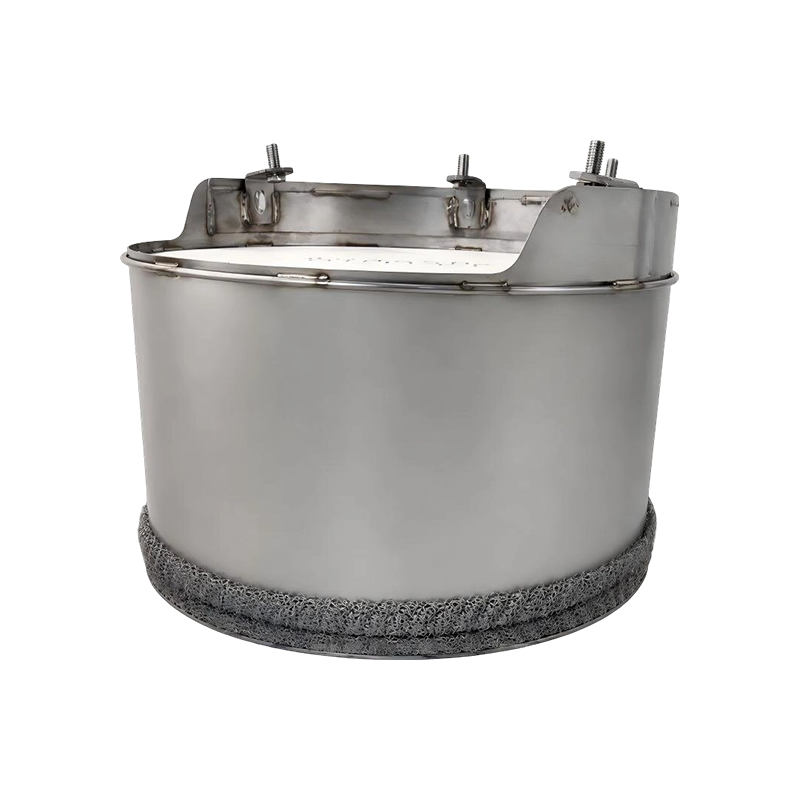
A diesel particulate filter (DPF) sized for compact exhaust layouts without giving up filtration performance.Filtration: ceramic honeycomb core traps ...
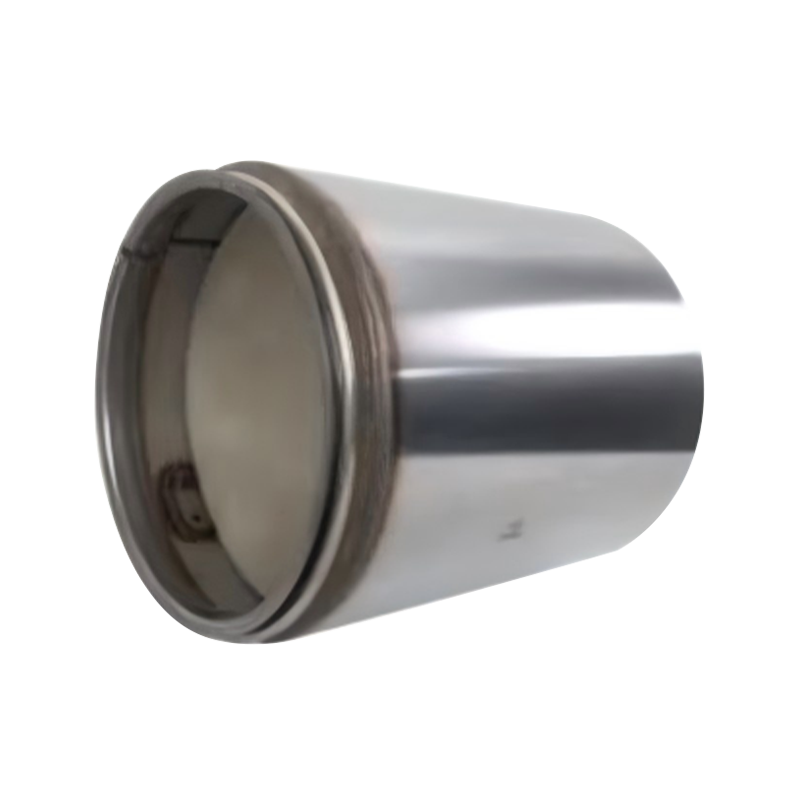
A basic diesel particulate filter (DPF) assembly for heavy-duty diesel trucks needing particulate control.Housing: stainless steel for corrosion resis...
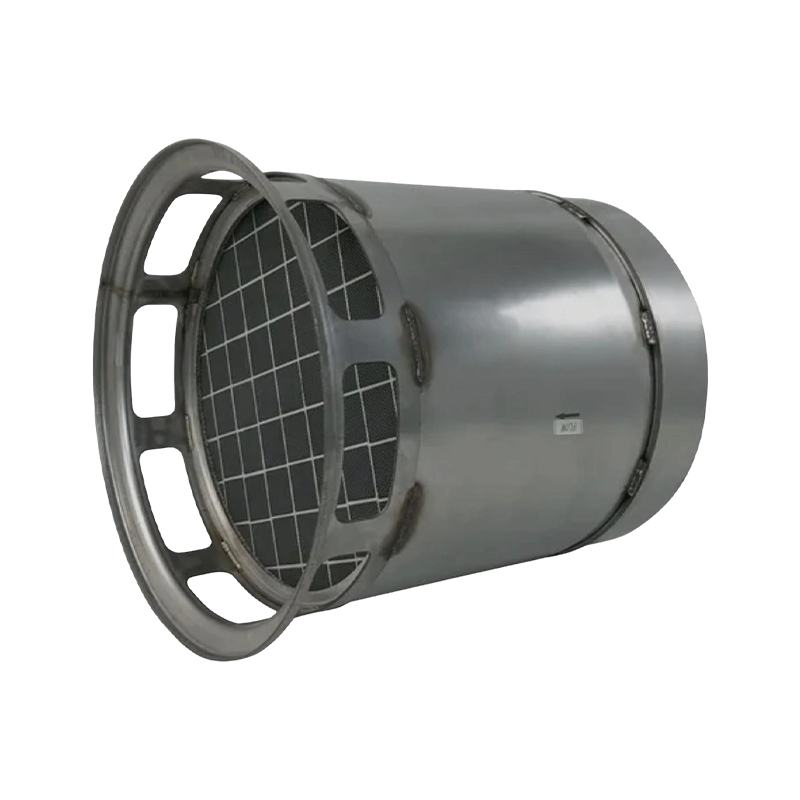
A diesel particulate filter (DPF) built around a silicon carbide (SiC) filter core instead of cordierite.Thermal performance: SiC handles thermal shoc...
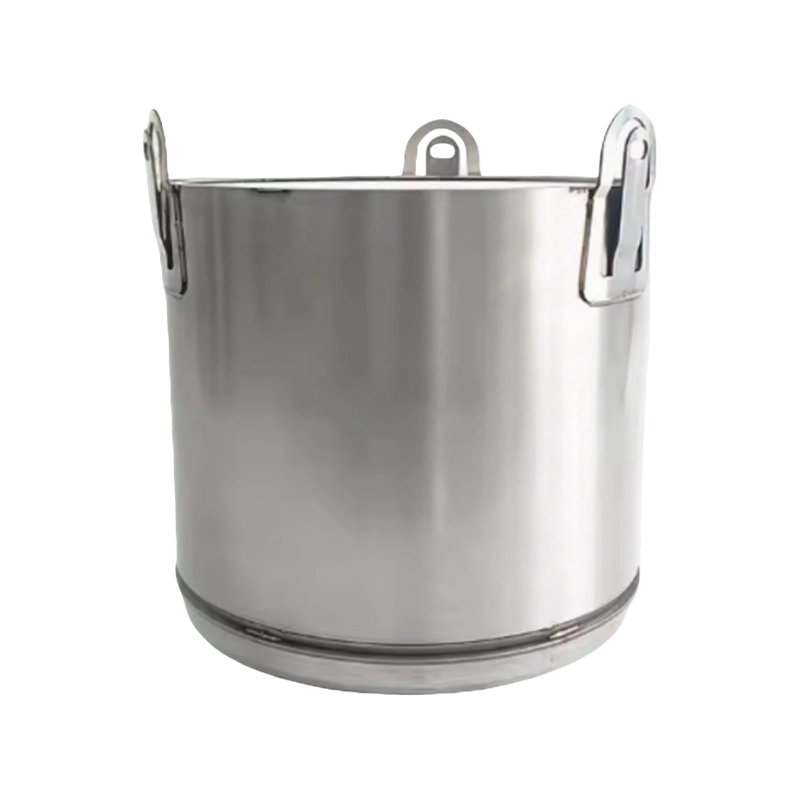
A diesel particulate filter (DPF) manufactured and coated in-house rather than outsourced.Process control: uses the same coating technology and tolera...
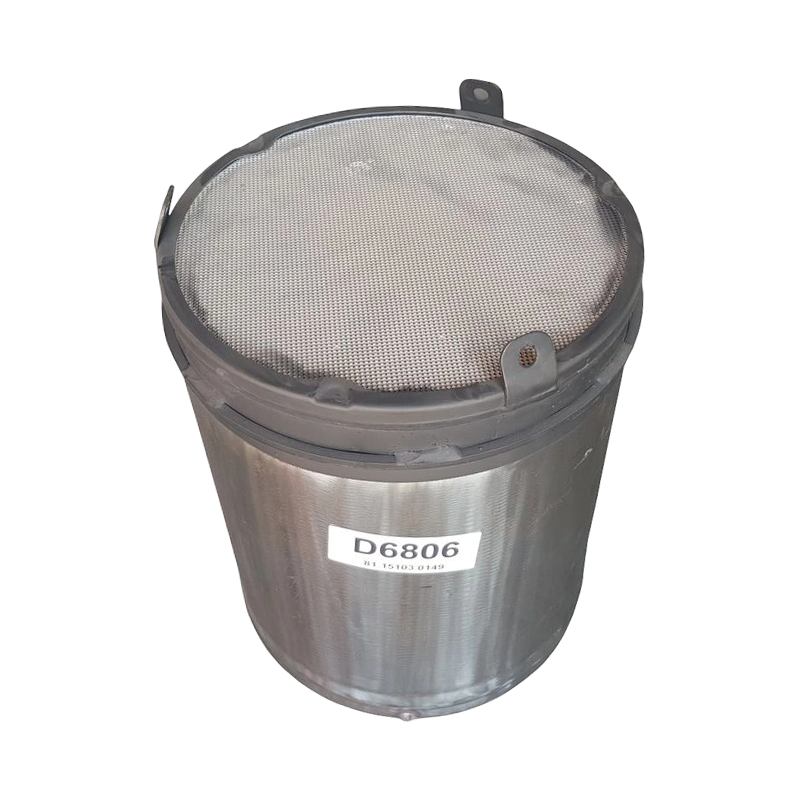
A diesel particulate filter (DPF) that combines soot filtration and muffling into a single exhaust component.Function: reduces both particulate output...
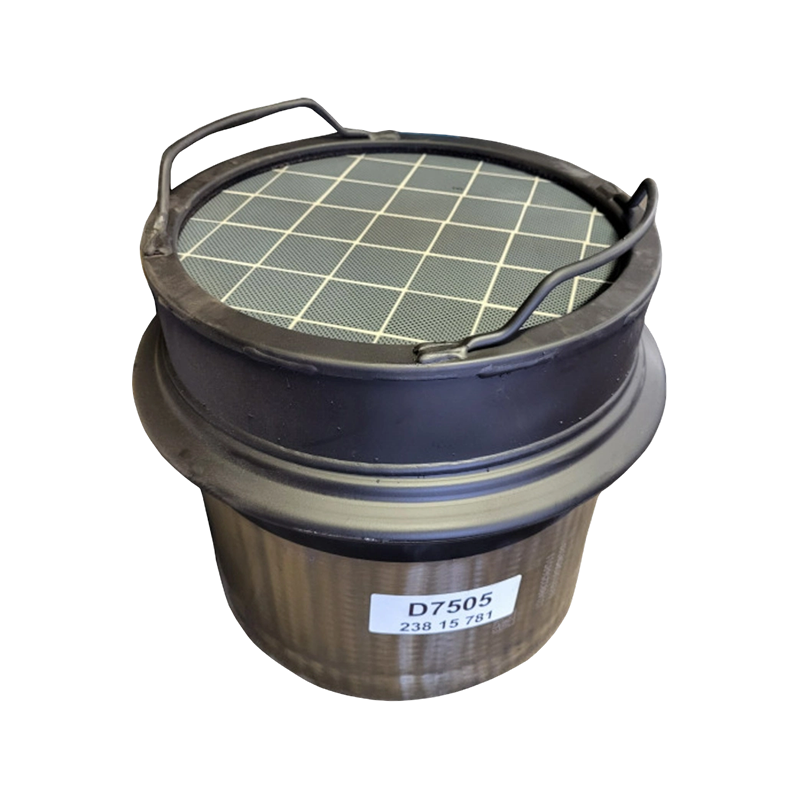
This part number appears frequently in OE parts catalogs for heavy-duty truck soot filters.Manufacturing: produced in-house to the same coating spec a...
The short answer first: a diesel oxidation catalyst, usually shortened to DOC, is the first functio......
READ MOREA Diesel Oxidation Catalyst (DOC) is an emissions control device installed in the exhaust system of......
READ MOREA diesel particulate filter (DPF) is a critical emissions control device fitted to the exhaust syst......
READ MOREA DOC (Diesel Oxidation Catalyst) is a critical emissions control component that reduces harmful pol......
READ MOREDPF Diesel Particulate Filter: The Most Effective Solution for Reducing Diesel Emissions A DPF dies......
READ MOREIntroduction: What Is a DOC Oxidation Catalyst? A diesel oxidation catalyst (DOC) is the first acti......
READ MORE