


 English
 русский
 Español
SCRF (DPF Coated with Cu-Fe Base) Catalyst
SCRF catalysts integrate SCR functionality directly onto a diesel particulate filter (DPF), combining NOx reduction and particulate filtration into a ...
A 3.0 L diesel van that rarely pushes its catalyst above 220 °C and a 400 kW standby generator running at a steady 420 °C both need NOx reduction, and both will be offered the same phrase by a supplier: SCR zeolite catalyst. The same honeycomb brick will not serve both of them well.
The practical rule up front: in zeolite-based SCR catalysts, the exchanged metal (copper or iron) decides low-temperature activity, the zeolite framework (CHA, MFI, BEA) decides hydrothermal durability and how easily hydrocarbons block the pores, and the substrate plus washcoat decide backpressure and ammonia storage. A single conversion number on a datasheet says almost nothing about whether the part will work in your duty cycle. Temperature histogram, fuel sulfur level and the aging condition behind the published curve are the three inputs that actually matter.
A zeolite is a crystalline aluminosilicate with a regular micropore network. In SCR service it acts as an ion-exchange host: copper or iron cations sit in the framework and provide the sites where ammonia and nitrogen oxides meet. Pore size controls which molecules can reach those sites, which is why framework choice is not interchangeable.
CHA frameworks such as SSZ-13 and SAPO-34 have pores of roughly 0.38 nm; MFI (ZSM-5) sits near 0.55 nm; BEA near 0.66 nm. The narrow CHA pore suppresses hydrocarbon blocking, which is a large part of the reason Cu-CHA became the default for on-road diesel. Fe-MFI, with wider channels and a more stable framework, holds up better at high temperature and after severe aging. For a wider view of the system around the brick, including urea dosing, mixing and sensor placement, this SCR catalyst guide on NOx reduction types and applications walks through the full aftertreatment layout.
The catalyst can only work with the ammonia that actually reaches it. Thermolysis and hydrolysis of DEF need roughly 180 to 250 °C in the mixing zone, and ISO 22241-quality urea keeps deposit risk low. Below that band, urea can crystallise on the mixer, the pipe wall or the front face of the brick, and conversion collapses no matter how good the zeolite is. A low-temperature SCR problem is therefore often a dosing and mixing problem rather than a coating problem.
Typical NOx conversion at 200 °C, fresh catalyst, NH3-SCR
Inside the brick, temperature behaviour is chemistry-driven. Cu-zeolite light-off from about 150 °C and holds 80% or more conversion across roughly 200 to 400 °C. Fe-zeolite needs about 300 °C before it does serious work, but it keeps conversion high at 500 to 600 °C, where Cu formulations begin to lose activity and generate more N2O. Vanadium-based catalysts operate roughly between 250 and 450 °C with excellent sulfur tolerance, yet V2O5 volatility becomes a genuine concern above about 550 °C.
 Copper-CHA SCR Catalyst for Low-Temperature Diesel NOx ControlCu-CHA catalyst delivers strong low-temperature NOx conversion and a broad operating window for Euro VI and China VI diesel applications.View Product →
Sulfur is the classic trap for Cu-zeolite. Fuel sulfur becomes SO2 and SO3, and at low temperature these form copper sulfates that occupy active sites. The poisoning is largely reversible if the brick regularly reaches 300 to 350 °C, which is why Cu-zeolite is paired with ultra-low-sulfur diesel (below 10 ppm) and is rarely specified for high-sulfur marine fuel. Fe-zeolite is considerably more sulfur-tolerant at high temperature, which keeps it in the picture for heavy-duty and industrial duty cycles where fuel quality occasionally slips.
| Attribute | Cu-zeolite | Fe-zeolite | Vanadium-based |
|---|---|---|---|
| Activity at 200 °C | High (85-95%) | Low to moderate (45-65%) | Moderate (35-55%) |
| Peak conversion window | 200-400 °C | 300-550 °C | 250-450 °C |
| Sulfur tolerance | Moderate | Good | Excellent |
| Hydrothermal stability at 650 °C | Good | Very good | Limited above 600 °C |
| Ammonia storage capacity | High | Moderate | Moderate |
| N2O formation at high load | Low to moderate | Higher | Low |
| Typical fit | On-road diesel, ULSD | High-temperature heavy duty | High-sulfur marine, stationary |
Field experience adds two conditions to that table. First, ammonia storage: Cu-zeolite holds a large NH3 inventory, which helps during cold-start transients but also creates ammonia slip risk if dosing control reacts slowly, so a downstream NH3 sensor is usually worth the cost. Second, aging: ask for performance after a defined hydrothermal aging step, for example 100 hours at 650 °C in 10% steam, not only the fresh curve. A fresh Cu-zeolite brick can look excellent and still fall behind an aged Fe-zeolite brick after 3,000 operating hours at high load.
 Iron-Zeolite SCR Catalyst for High-Temperature Diesel NOx ReductionFe-Beta SCR catalyst is suited to heavy-duty diesel and industrial exhaust that regularly exceeds 350–400°C, with high-temperature stability and sulfur tolerance.View Product →
Cell density and wall thickness set the trade-off between geometric surface area and backpressure. A 400 cpsi / 4 mil cordierite brick offers more area per litre than a 300 cpsi / 5 mil brick, but at the cost of higher pressure drop and greater soot sensitivity; on a tight backpressure budget, that extra area is not free. Washcoat loading for SCR coatings typically falls in the 120 to 200 g/L range, and it is worth asking for the loading together with its tolerance, because a 15% swing in coating mass changes both conversion and pressure drop. Silicon carbide substrates are chosen where thermal shock and high ash loads dominate, while cordierite remains the cost-effective default for most on-road applications.
Fuel quality decides the chemistry in marine and stationary projects. With ultra-low-sulfur diesel below 10 ppm, Cu-zeolite is the natural choice. With residual or high-sulfur fuel in an IMO Tier III installation, the sulfur-tolerant vanadium route is usually the safer engineering decision, provided exhaust temperature stays clear of the volatilisation range.
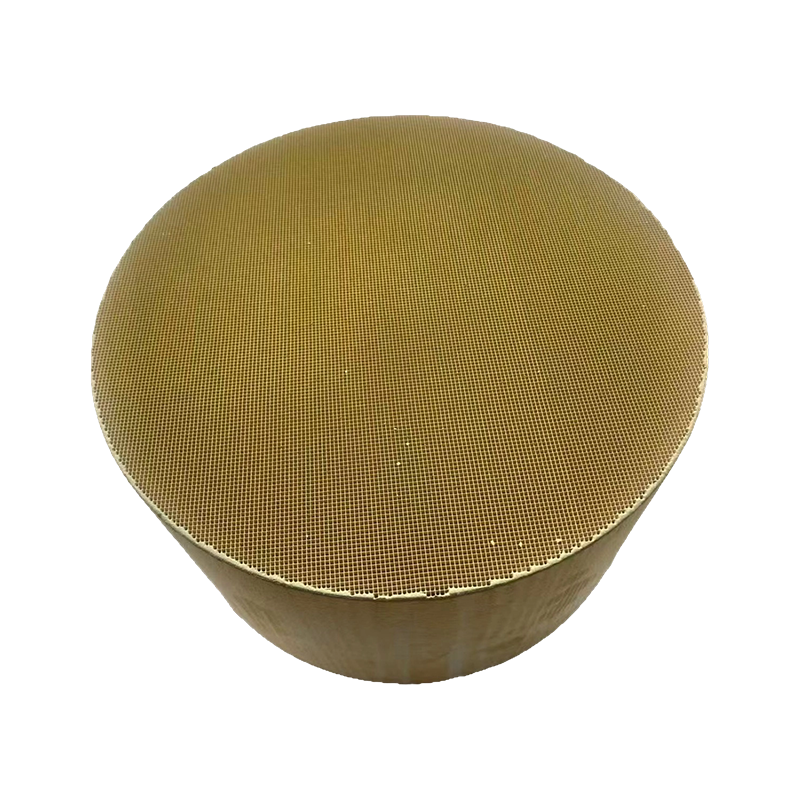 Vanadium-Based SCR Catalyst for Medium-to-High Temperature NOx ControlMature V₂O₅ SCR catalyst fits heavy-duty and stationary diesel NOx control at 300–400°C, especially where sulfur tolerance and cost-effectiveness matter.View Product →
A simple qualification test works well: order two bricks from the same batch, check washcoat mass and dimensions against the certificate, and run both on the same bench after the same aging step. Consistent results between two samples from one production lot tell you far more about process control than any single performance claim.
Longyou Shuochun coats SCR catalysts across the main chemistries, including copper-based, iron-based, silicon carbide and vanadium-based formulations, alongside SCRF units that combine particulate filtration with NOx reduction. If you want to compare carriers before specifying, start from the selective catalytic reduction SCR catalyst range and match the washcoat to your own measured temperature histogram.
Two honeycomb bricks with identical dimensions, identical cell density and a similar price can differ by 40 percentage points of NOx conversion at 200 °C. That gap is chemistry and coating quality, and it only becomes visible when the part is tested at the temperature your engine actually runs at.
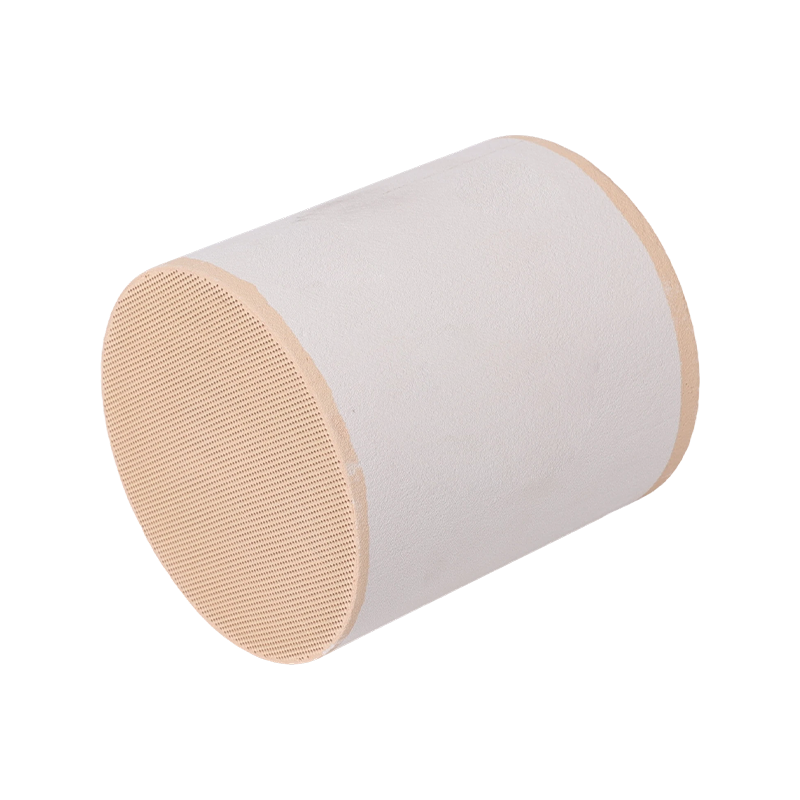
SCRF catalysts integrate SCR functionality directly onto a diesel particulate filter (DPF), combining NOx reduction and particulate filtration into a ...
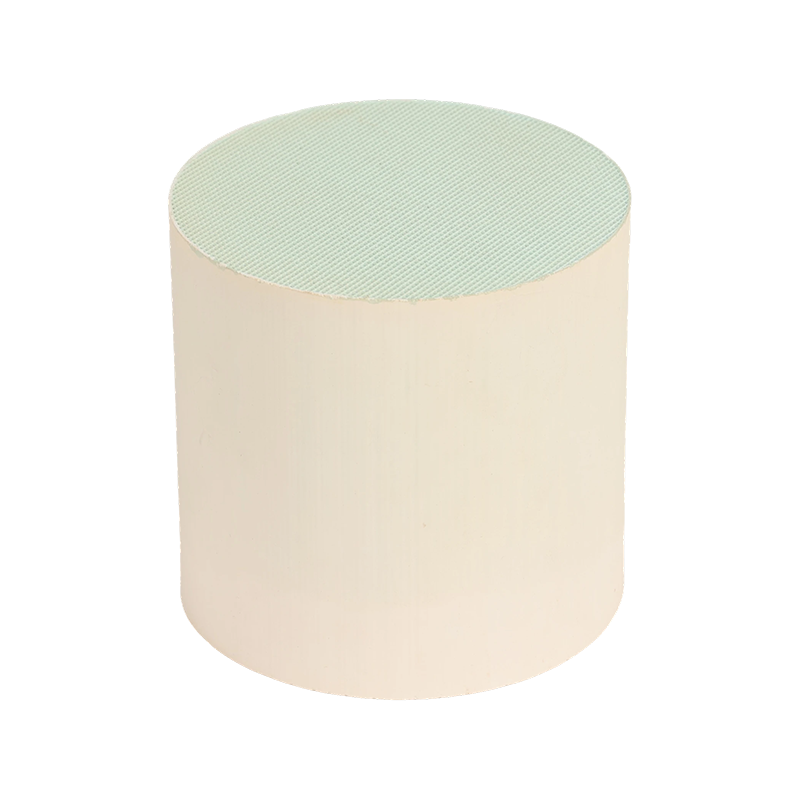
Copper-based SCR catalysts, particularly Cu-CHA structures such as Cu-SAPO-34 and Cu-SSZ-13, are widely recognized for their superior low-temperature ...
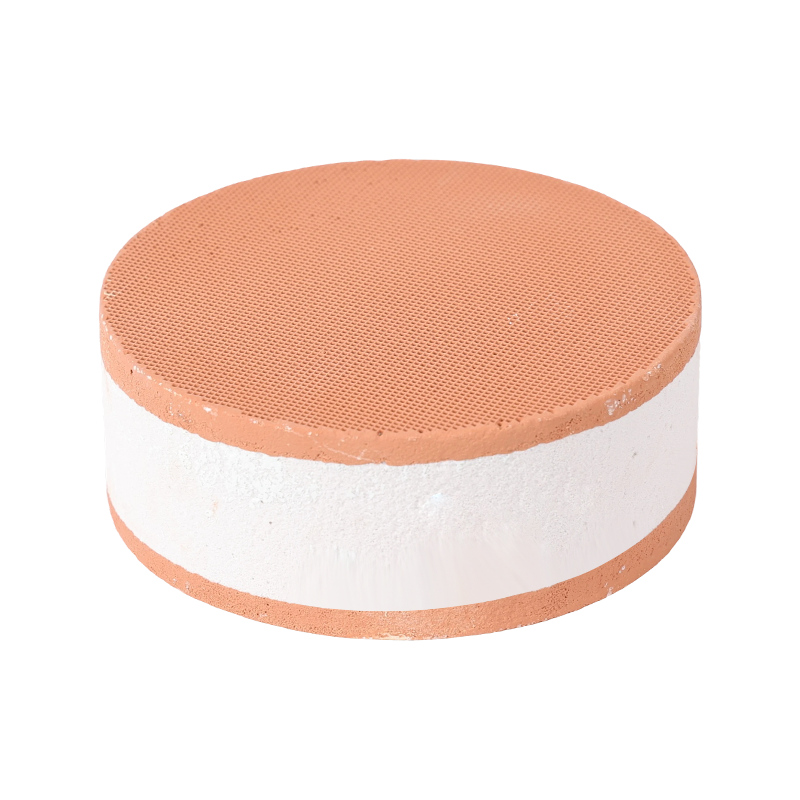
Iron-based SCR (Fe-SCR) catalysts, typically using Fe-Beta zeolites, are designed for high-temperature selective catalytic reduction of NOx in diesel ...
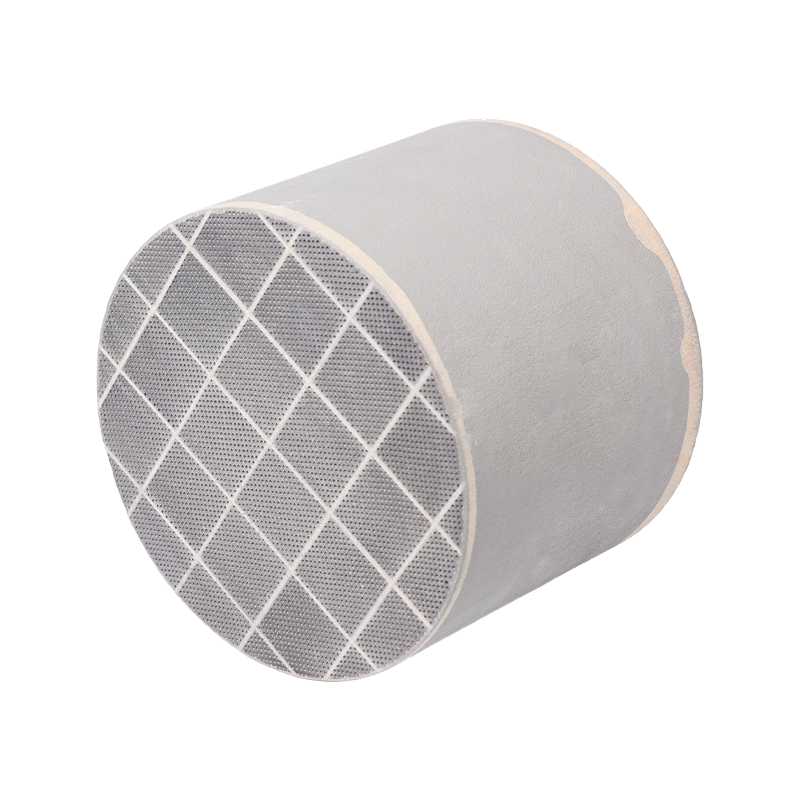
The SCR catalyst also follows the carrier–coating–active component structure; however, its active components are fundamentally different from those in...

Vanadium-based SCR catalysts, using V₂O₅ as the active component, are a mature and cost-effective solution for NOx reduction in diesel exhaust. They a...
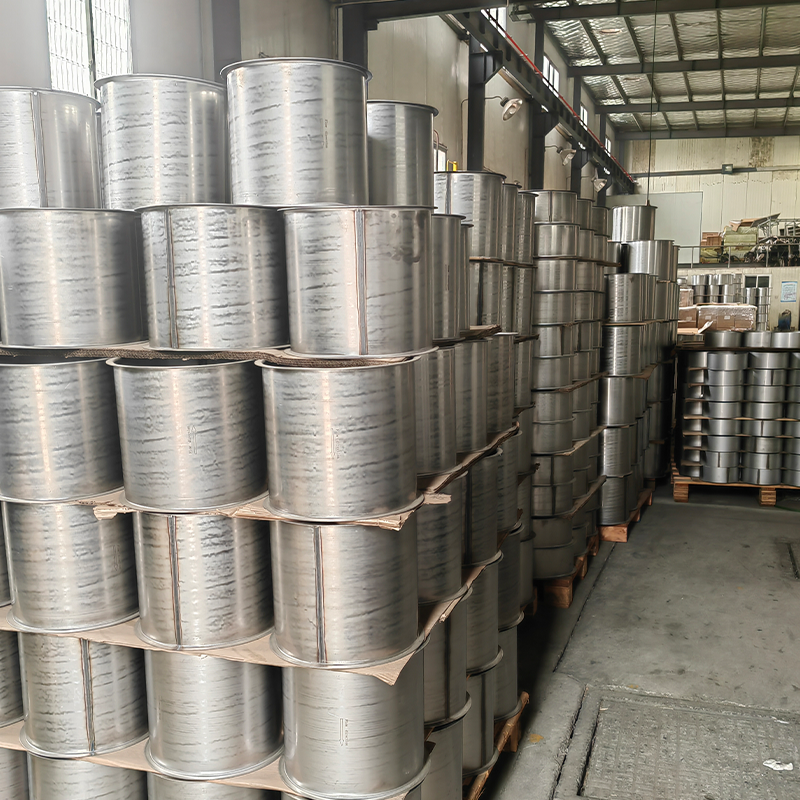
Gasoline Particulate Filter (GPF) welded assemblies are precision modules that integrate filtration, sensing, mechanical connection, and thermal manag...
Selective Catalytic Reduction (SCR) catalysts are the most widely deployed and technically proven t......
READ MOREA diesel aftertreatment program usually discovers the need for a custom DPF solution the hard way. ......
READ MOREEmission control catalysts are the primary technological mechanism used to eliminate toxic environ......
READ MOREGasoline Particulate Filters vs Diesel Particulate Filters: Which Technology Leads? Gasoline Partic......
READ MOREEmissions Control / Comparison A three-way catalytic converter is the correct choice for any spark......
READ MOREA Diesel Oxidation Catalyst (DOC) is an emissions control device installed in the exhaust system of......
READ MORE