


 English
 русский
 Español
Diesel Particulate Filter (DPF) Catalyst Element
Diesel Particulate Filter (DPF) welded assemblies are critical mechanical modules in the exhaust after-treatment system for achieving efficient partic...
Ask a diesel technician who has chased an intermittent DPF regeneration fault, and you will hear the same conclusion repeatedly: the root cause was not the diesel particulate filter. It was the diesel oxidation catalyst (DOC) mounted directly upstream. Because the DOC is a flow-through component, it draws far less attention than a filter that visibly plugs, yet every failure of the DPF, the SCR, or the overall fuel economy can be traced back to how well the DOC is performing. The conclusion up front is that the DOC is the most underrated component in a modern diesel aftertreatment system, and understanding its function, failure modes, and specification is the difference between planned maintenance and unplanned downtime.
A diesel oxidation catalyst is a catalytic converter designed specifically for compression-ignition engines. Its job is to remove carbon monoxide (CO) and gaseous hydrocarbons (HC) from the exhaust stream, and to oxidize a portion of nitrogen monoxide (NO) into nitrogen dioxide (NO2). The DOC sits between the turbocharger outlet and the diesel particulate filter (DPF), and in many modern systems both components are packaged in the same housing.
Inside, a honeycomb substrate made of cordierite ceramic, silicon carbide, or metallic foil carries a washcoat loaded with precious metal catalysts, typically platinum and palladium. Exhaust gases pass through the channels with low restriction, and at operating temperature the precious metal sites drive the oxidation reactions that clean the exhaust. The DOC is not a filter; it does not trap soot. It is a reactor that chemically changes the gas before it reaches the particulate filter and the SCR catalyst. For engineers who are new to aftertreatment design, our in-depth article on the diesel oxidation catalyst is a practical starting point.
For fleets and equipment manufacturers that need a dependable replacement or original-fit unit, our diesel oxidation catalyst product range covers ceramic and metallic substrate options in standard and custom dimensions.
A DOC operates in an oxygen-rich environment, because diesel combustion always runs lean. That excess oxygen is the working reagent for the three main reactions inside the catalyst.
| Reaction | Balanced Equation | Practical Result |
|---|---|---|
| Carbon monoxide oxidation | 2CO + O2 → 2CO2 | CO converted to carbon dioxide |
| Hydrocarbon oxidation | CxHy + (x + y/4)O2 → xCO2 + (y/2)H2O | Unburned fuel and oil converted |
| Nitric oxide oxidation | 2NO + O2 → 2NO2 | NO2 produced for DPF and SCR |
Each reaction has a light-off temperature, typically between 200 and 250°C for modern platinum-palladium formulations. Below light-off, conversion efficiency stays near zero. Above 300°C, CO conversion routinely exceeds 90 percent and hydrocarbon conversion reaches 80 to 95 percent, depending on precious metal loading and washcoat formulation. The practical consequence is that a DOC is not doing much during cold starts, extended idling, or low-load operation, which is exactly why engine calibrations use thermal management strategies to keep the exhaust hot.
The conversion of NO to NO2 is easy to underestimate. NO2 is a stronger oxidant than oxygen, and it enables passive DPF regeneration at temperatures below 400°C. It also shifts the NO:NO2 ratio closer to the ideal 50:50 feed for downstream SCR catalysts. A DOC that has lost NO oxidation activity therefore does not merely miss its own emission target; it quietly cripples the DPF and SCR components behind it.
Modern diesel aftertreatment is a chain, and the DOC is the first link. It performs two structural jobs that determine the health of everything downstream.
The first is heat generation. During active DPF regeneration, the engine doses diesel fuel into the exhaust upstream of the DOC. The fuel vaporizes and burns over the catalyst, raising exhaust temperatures to 550–650°C so that soot in the DPF can oxidize. If the DOC is worn, poisoned, or face-plugged, that temperature target is never reached, and regeneration either extends indefinitely or stops altogether. The result is a DPF that loads with soot faster than it can clean itself.
The second is NO2 supply. Passive regeneration relies on NO2 to oxidize soot at normal exhaust temperatures. Without a healthy DOC converting NO to NO2, the DPF fills faster, and the equipment requires active regenerations more often, which increases fuel consumption and oil dilution. Over time, this is how a neglected DOC becomes a damaged DPF, a failing SCR, and a costly repair bill.
In systems that pair the DOC with a coated particulate filter, the condition of both components matters. Our DPF catalyst product line is engineered to complement the upstream DOC so that the combined system maintains regeneration intervals and backpressure targets.
DOCs have no moving parts, and a well-built unit can last the life of the engine. Industry experience is sobering, though: an estimated 80 percent of premature DOC and DPF failures come from engine-related issues rather than normal wear. The most common failure modes tell that story clearly.
Service experience also answers a question fleets ask constantly: can a DOC be cleaned like a DPF? Yes. A flow-through substrate can be removed, inspected, and cleaned using the same procedure applied to the DPF, and any shop that removes the DPF for cleaning should remove the DOC at the same time. Skipping the DOC is a common mistake, because the upstream contamination that plugs a filter always passes through the catalyst first. If you are seeing fault codes and repeated regeneration cycles, our guide on how to tell if your diesel oxidation catalyst needs attention walks through the most reliable diagnostic steps.
Procurement mistakes show up thousands of kilometers later as regeneration failures or an engine that cannot meet its emission certification. The following points separate a DOC that works from one that becomes a warranty problem.
Ceramic monoliths are the default choice for most on-road applications: they are cost-effective, thermally stable, and widely available. Metallic substrates light off faster and tolerate thermal shock and vibration better, which makes them attractive for off-road equipment, marine engines, and generator sets that cycle load frequently. If vibration or rapid temperature swings are a real risk in your application, metallic substrate catalysts are worth the higher piece price.
Platinum is the primary active metal for CO and hydrocarbon oxidation, while palladium improves thermal durability and sulfur tolerance. Higher loading improves conversion efficiency and extends service life, but also raises cost. A responsible supplier should be able to justify its loading recommendation with test data rather than a price list.
The substrate diameter, length, cell density, and wall thickness must match the exhaust housing and the flow requirements of the engine. Poor canning leads to exhaust bypass, vibration damage, or extrusion of the substrate under thermal cycling. Confirm that the supplier can produce to your drawing or provide a validated equivalent for your housing.
Buy from a company that controls the coating process and understands the application, not a trader that resells unlabeled units. Ask for conversion efficiency data, substrate specifications, and evidence that the coating formulation has been validated on duty cycles similar to yours.
The field results are consistent. Treat the DOC as a strategic component rather than a throwaway part, inspect it every time the DPF is serviced, fix upstream engine faults before replacing it, and match the substrate and coating to the actual operating cycle. Those habits are inexpensive, and they keep the rest of the aftertreatment system out of the repair bay.
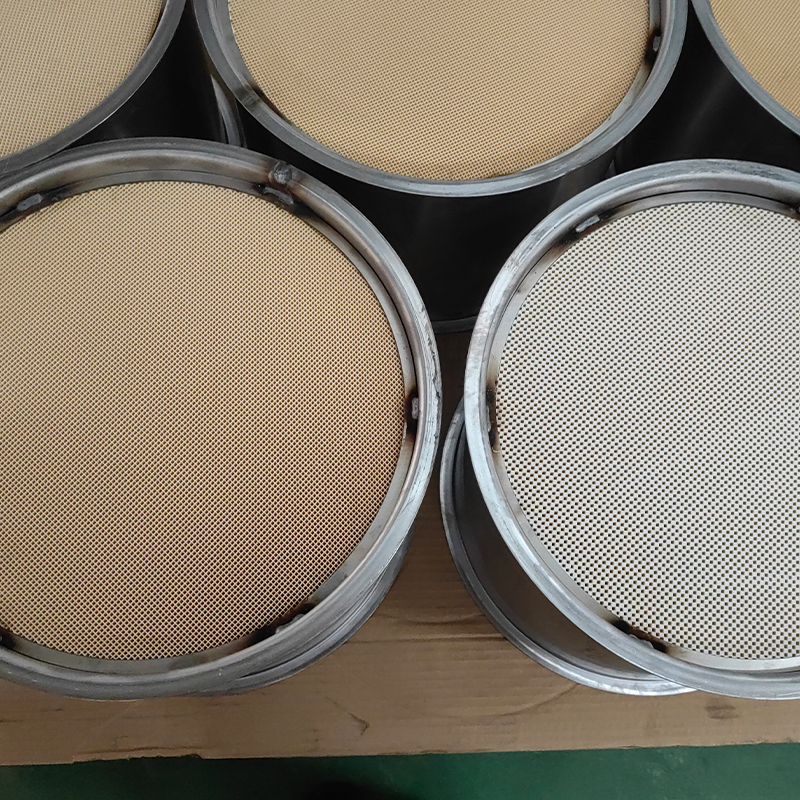
Diesel Particulate Filter (DPF) welded assemblies are critical mechanical modules in the exhaust after-treatment system for achieving efficient partic...
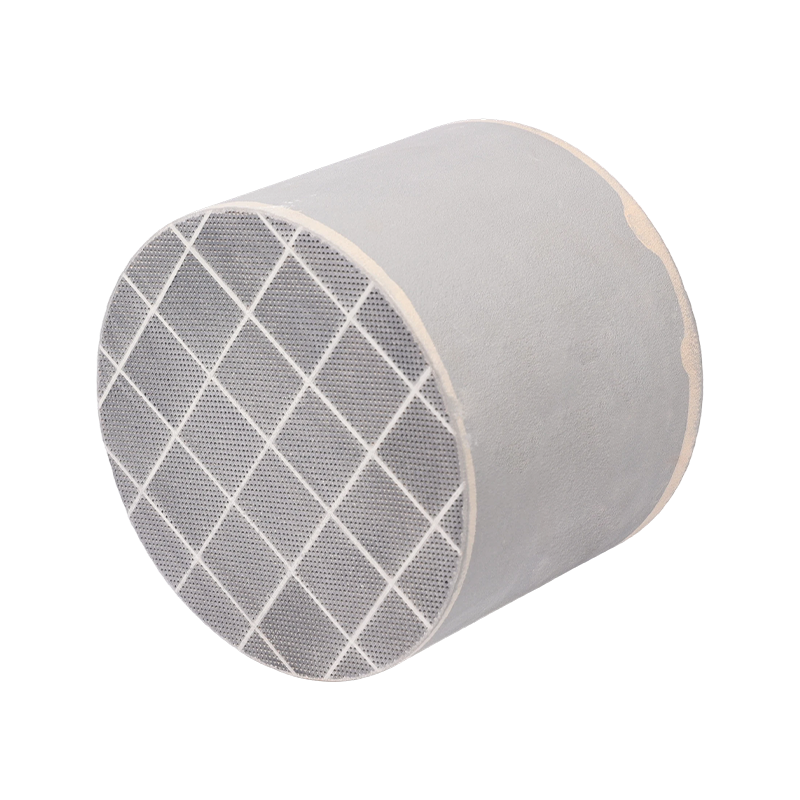
The SCR catalyst also follows the carrier–coating–active component structure; however, its active components are fundamentally different from those in...
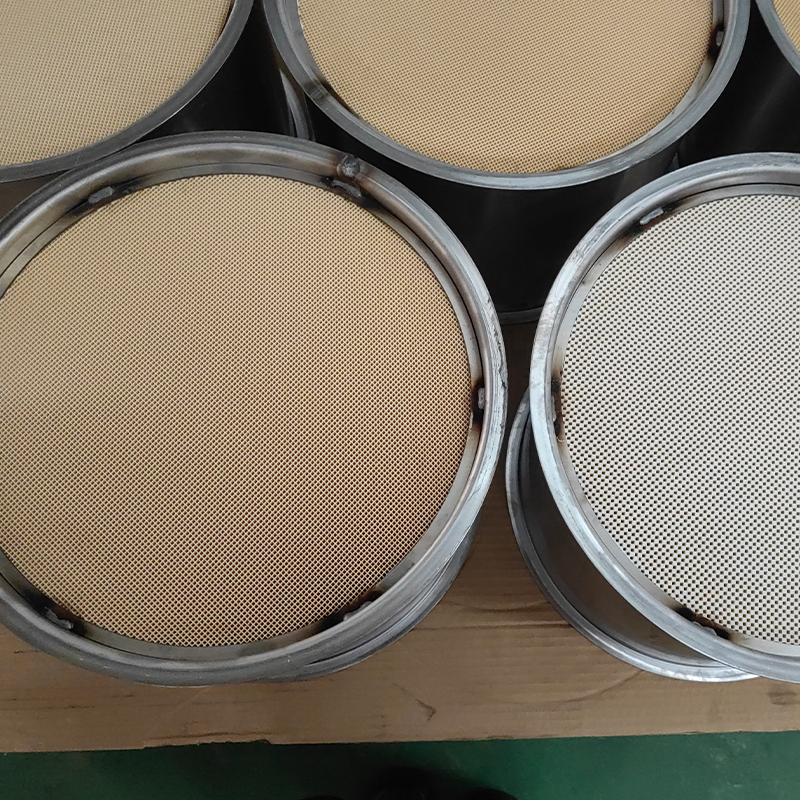
The Three-Way Catalyst (TWC) welded assembly is one of the core components in an automotive exhaust system, and its manufacturing process and quality ...
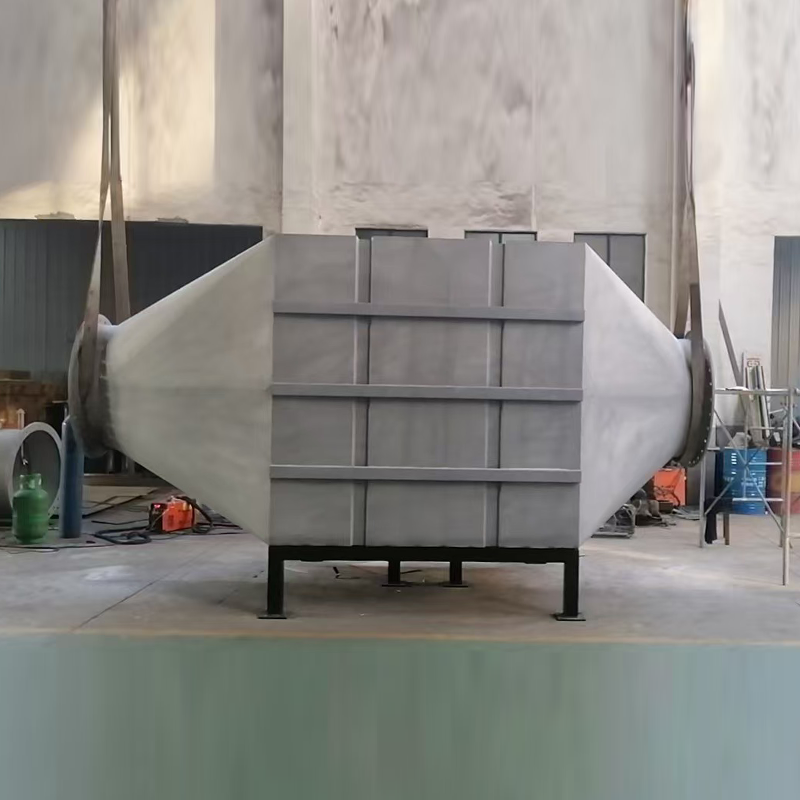
An ultra-large generator set three-way catalytic converter is a device capable of converting harmful exhaust gases—such as carbon monoxide (CO), hydro...
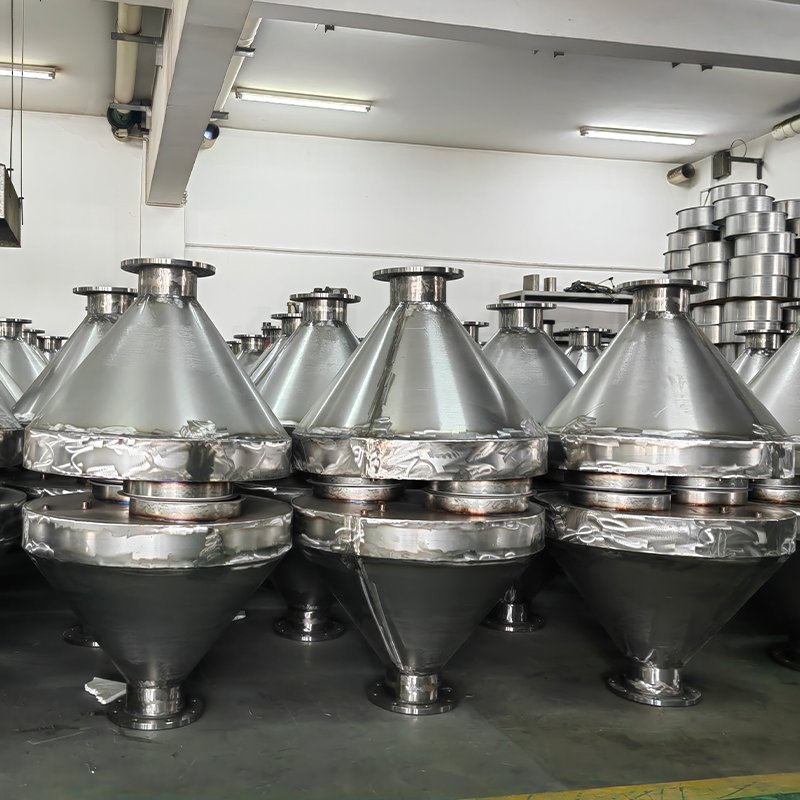
The three-way catalyst used in large generator sets is a key device that ensures these ‘power-hungry beasts’ can deliver stable electricity while stil...
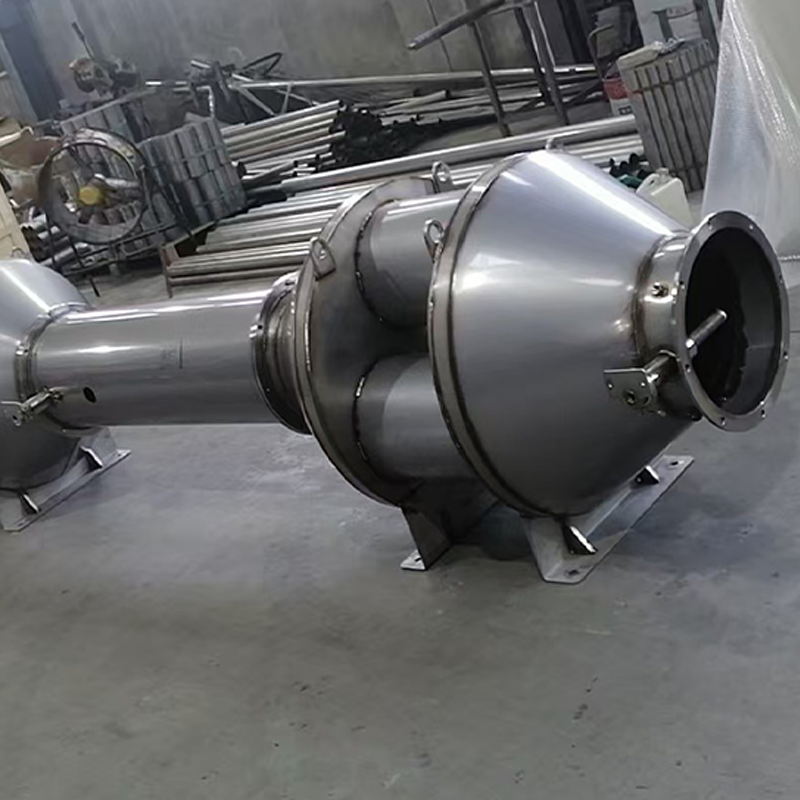
A three-way catalytic converter for medium-sized generator sets is a system optimized for higher exhaust flow rates and longer operating hours. Compar...
A construction fleet manager in Shandong noticed fuel consumption creeping up on a three-year-old w......
READ MOREA DOC (Diesel Oxidation Catalyst) is a critical emissions control component that reduces harmful pol......
READ MOREThe short answer first: a diesel oxidation catalyst, usually shortened to DOC, is the first functio......
READ MOREIf your diesel engine suddenly loses power while the exhaust smells raw and oily, the problem may b......
READ MOREA Diesel Oxidation Catalyst (DOC) is an emissions control device installed in the exhaust system of......
READ MOREThe most direct signals that a Diesel Oxidation Catalyst (DOC) needs replacement include: a persiste......
READ MORE