


 English
 русский
 Español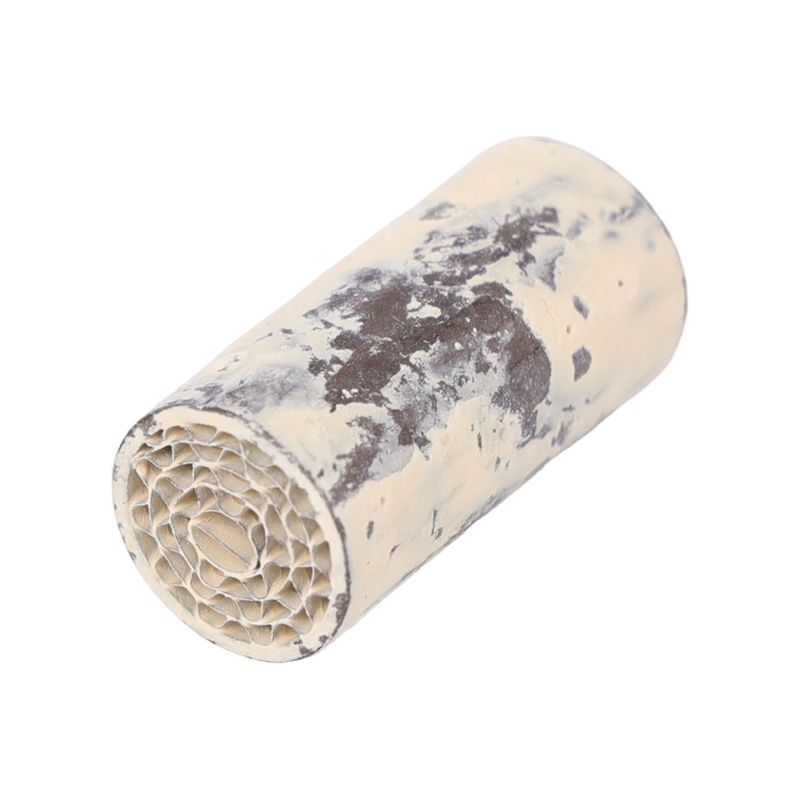
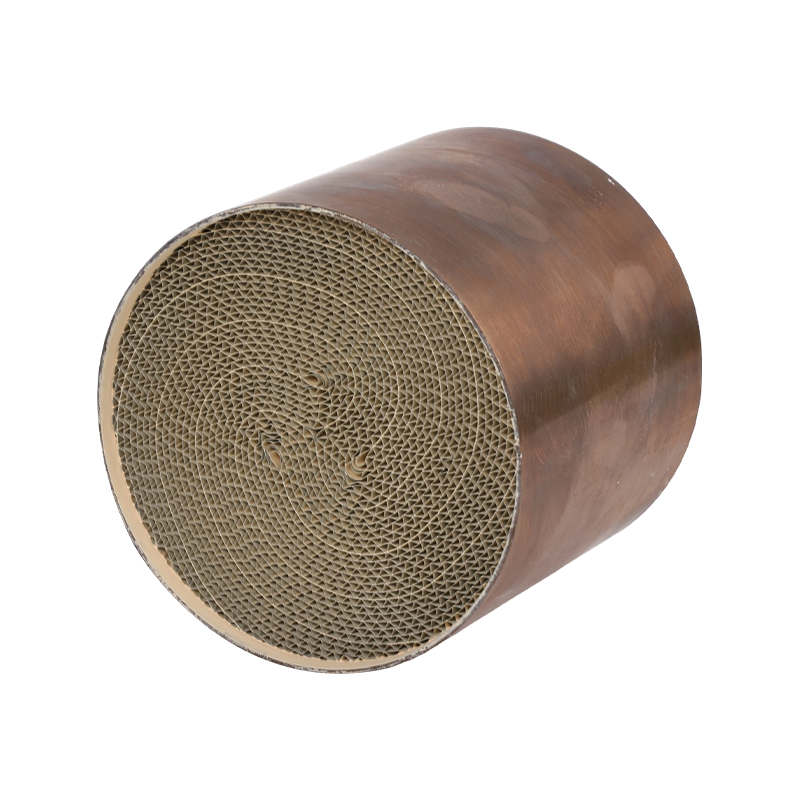
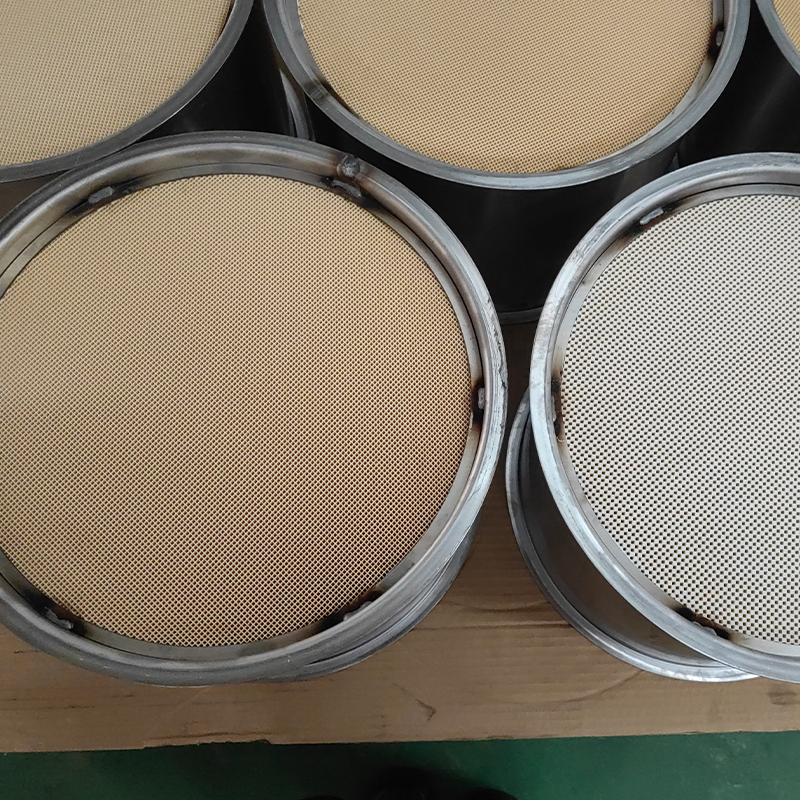
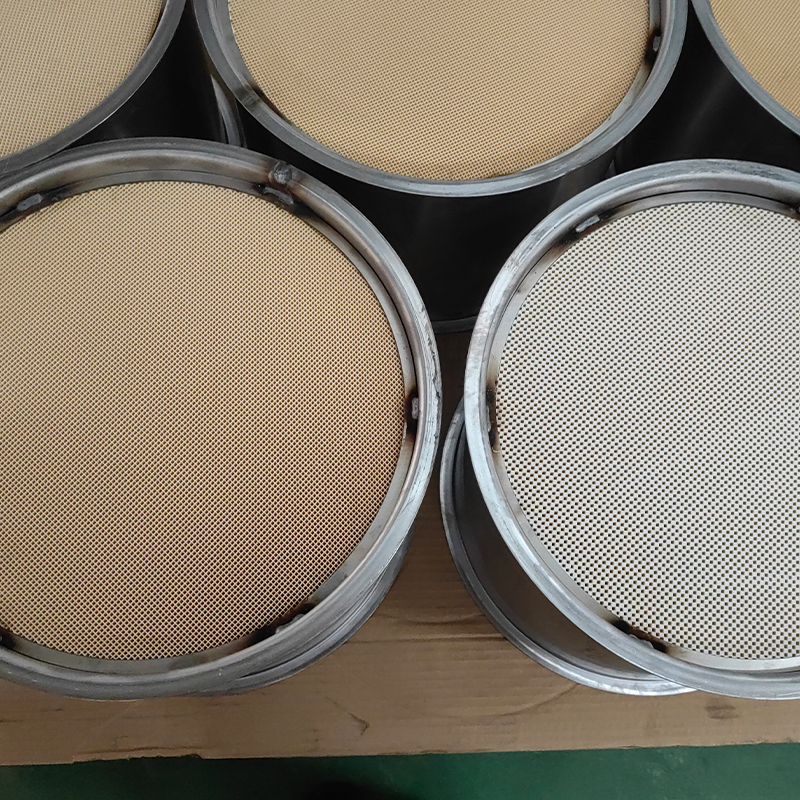
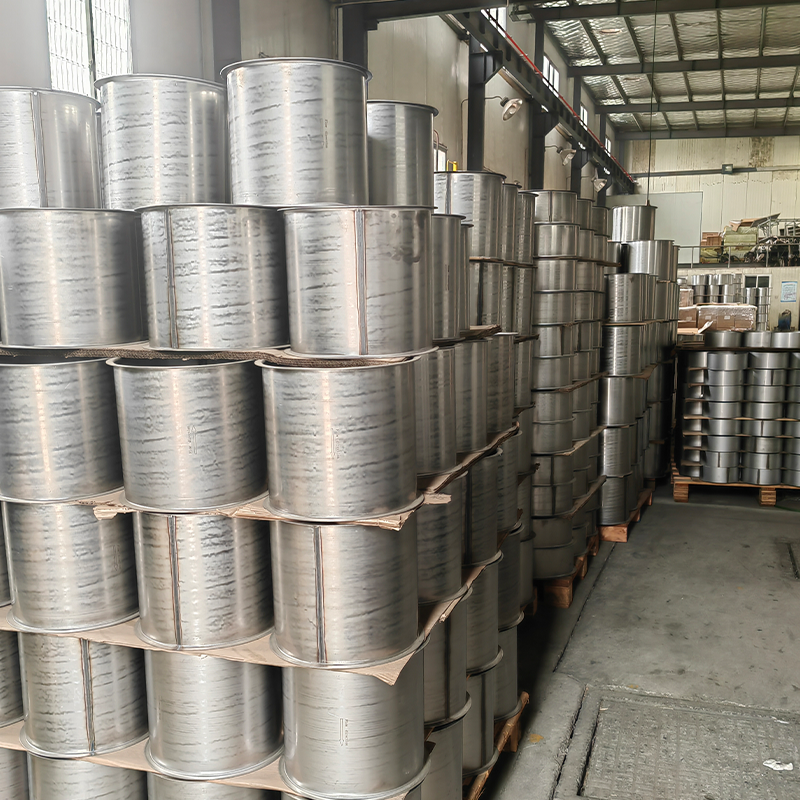
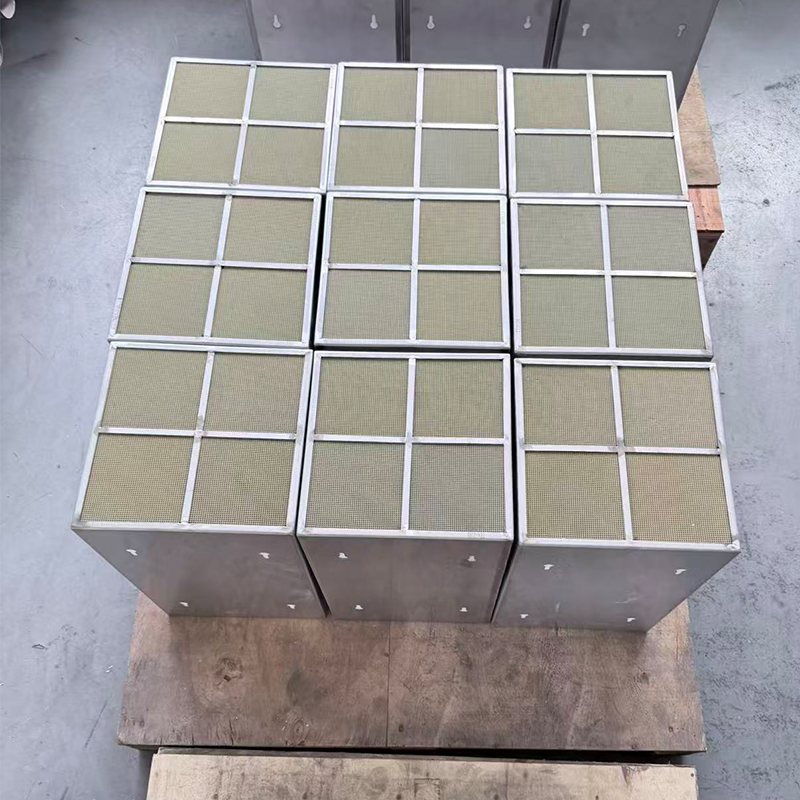
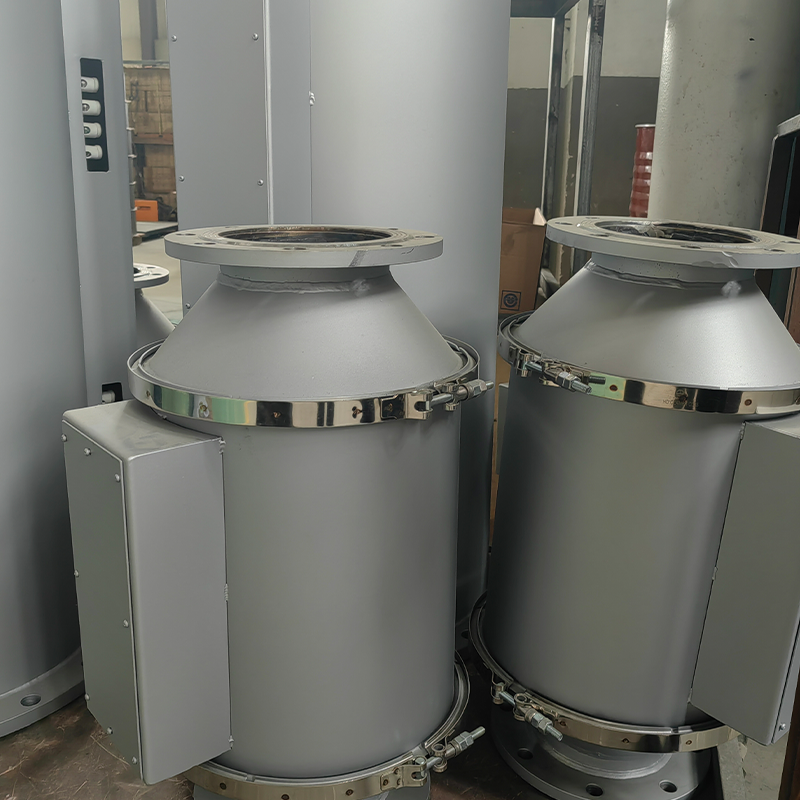
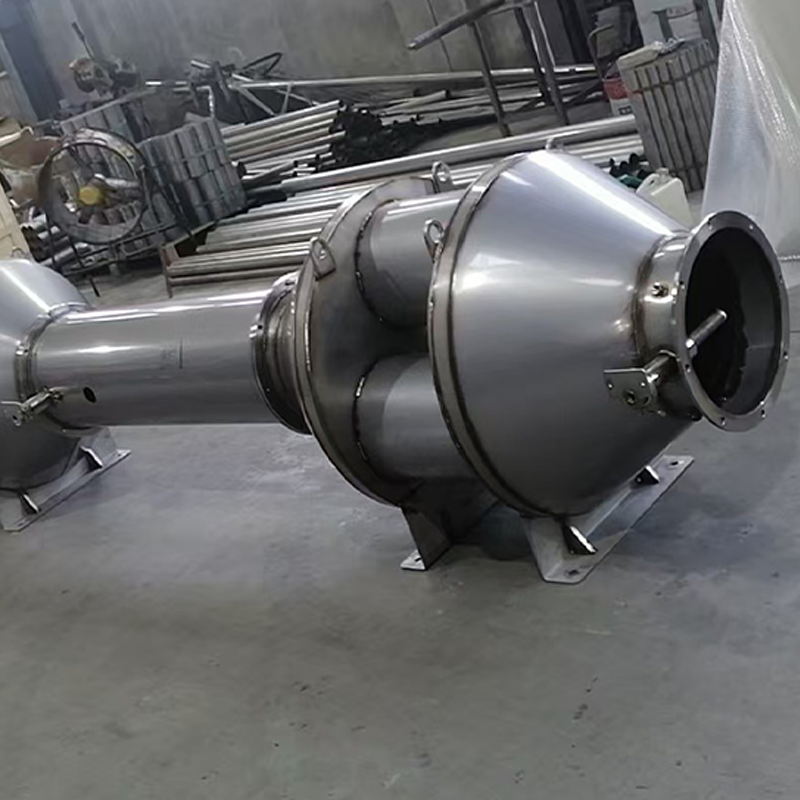
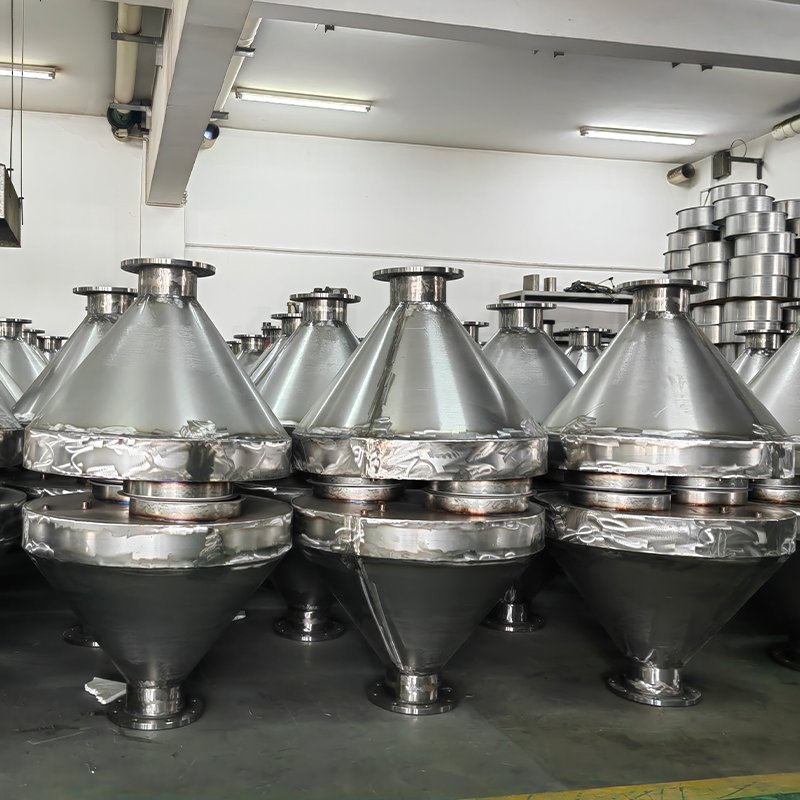
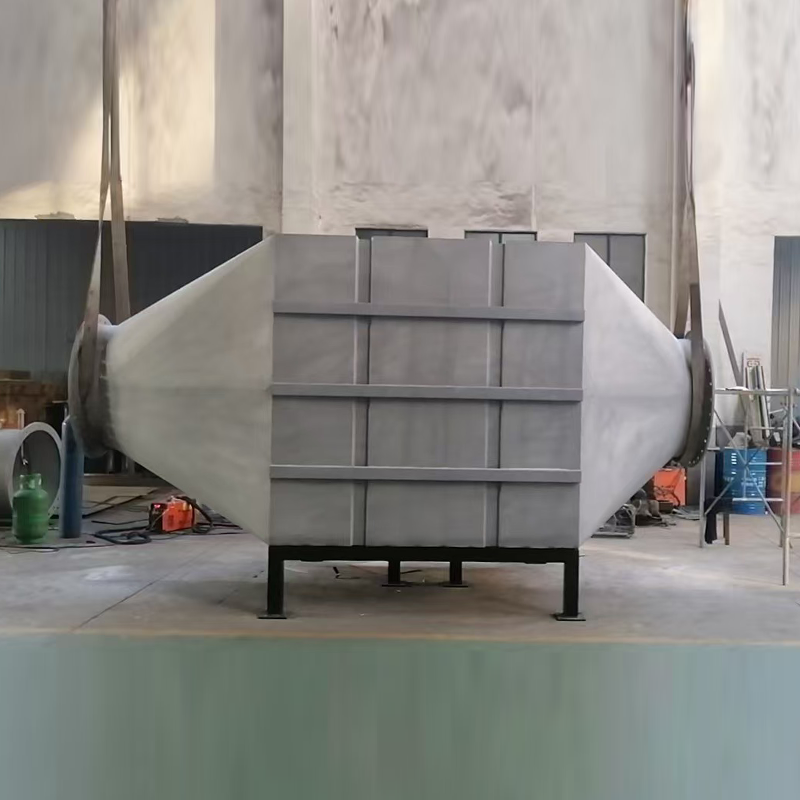
A DOC (Diesel Oxidation Catalyst) is a critical emissions control component that reduces harmful pollutants like carbon monoxide (CO), hydrocarbons (HC), and soluble organic fractions in diesel exhaust. It works by oxidizing these pollutants into less harmful substances such as carbon dioxide (CO₂) and water vapor. In ...
Home / Products
Catalytic Converter Elements Manufacturers
Focus on three-way catalytic carrier coating
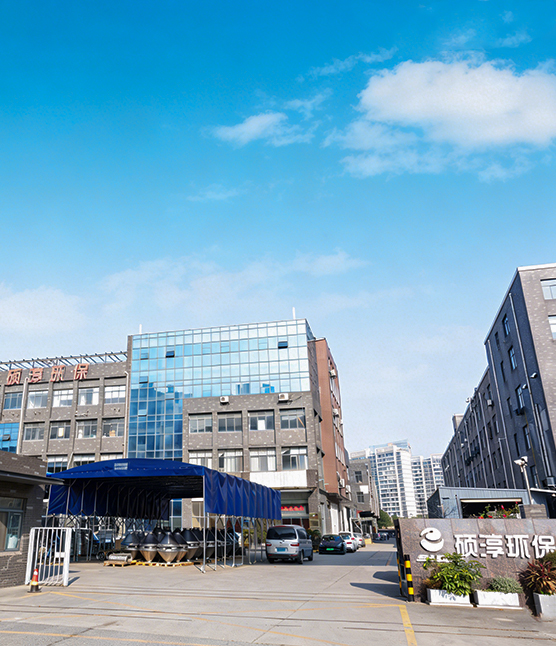
As China Catalytic Converter Shell Manufacturers and Catalytic Convertible Factory, Founded in July 2024, Longyou Shuochun New Material Technology Co., Ltd. is a high-tech enterprise specializing in the coating and sales of three-way catalytic converters. It is deeply engaged in the field of new materials.
The company always keeps an eye on the industry frontier, actively learns from and draws on the advanced formulas and mature technologies of domestic and foreign counterparts. Through in-depth research and localization of mainstream formulas, it accurately adjusts the proportion of raw materials such as rare earths, precious metals and non-precious metals, so as to ensure that the coated carriers produced have stable catalytic activity and reliable performance.
The company's products cover a variety of specifications and models, and its products and technologies are applicable to automobiles, motorcycles, general-purpose engines, construction machinery, marine power, generator sets, agricultural machinery and other fields.
In the future, the company will continue to learn advanced industry experience, optimize production and services, and contribute to the realization of carbon peaking and carbon neutrality goals in China and around the world.
News Center
-
-
Understanding Emission Control Catalysts Emission control catalysts play a critical role in the automotive and industrial sectors by reducing harmful pollutants released into the atmosphere. These catalysts are designed to promote chemical reactions that transform toxic gases, such as carbon monoxide (CO), nitrogen ox...
-
The most direct signals that a Diesel Oxidation Catalyst (DOC) needs replacement include: a persistent check engine light — particularly DTC codes such as P0420/P0421 — exhaust HC and CO emissions exceeding regulatory limits by 50% or more, an abnormal increase in fuel consumption of 5%–15%, white or blue smoke continu...
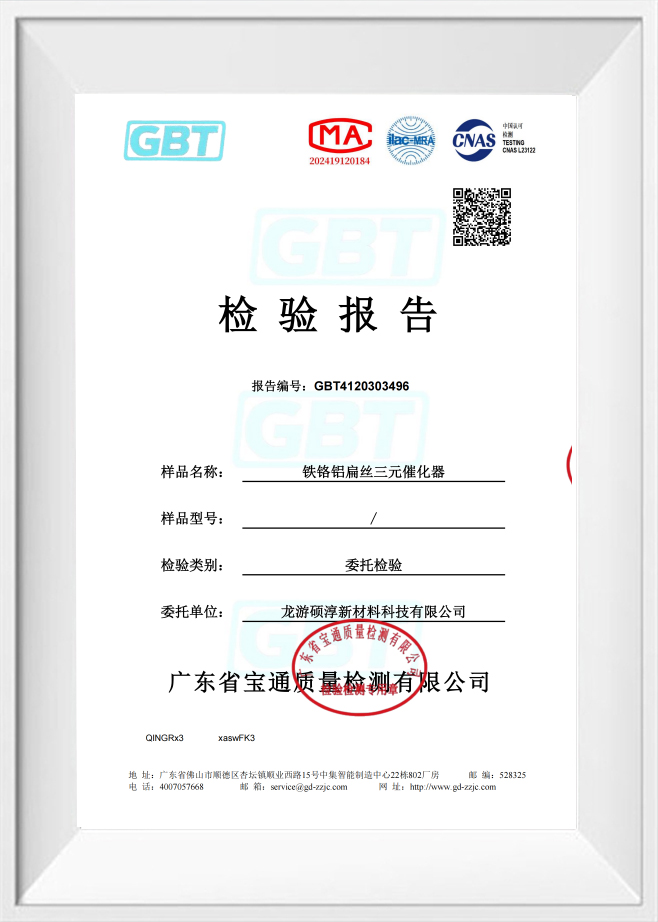
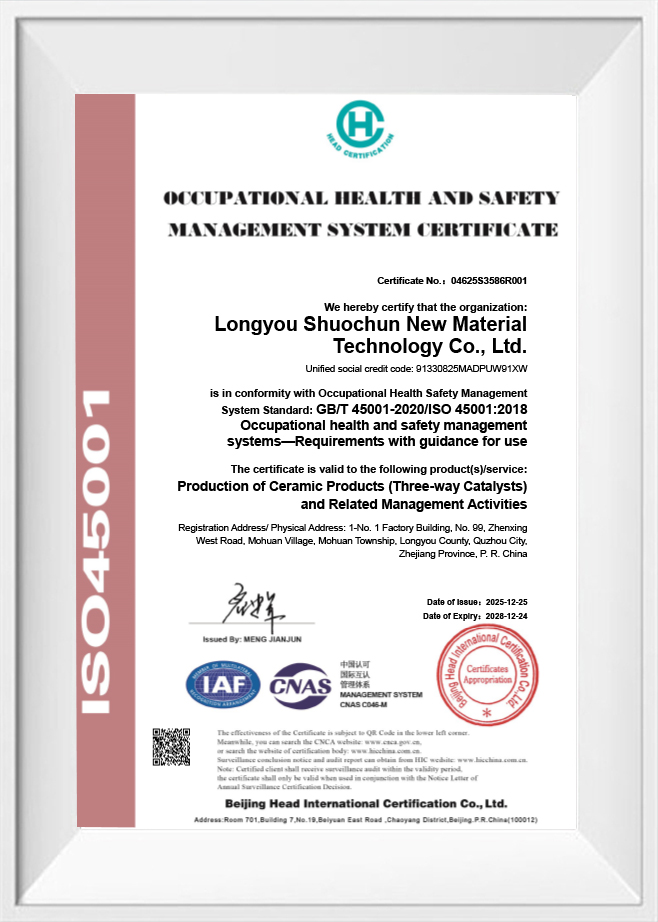
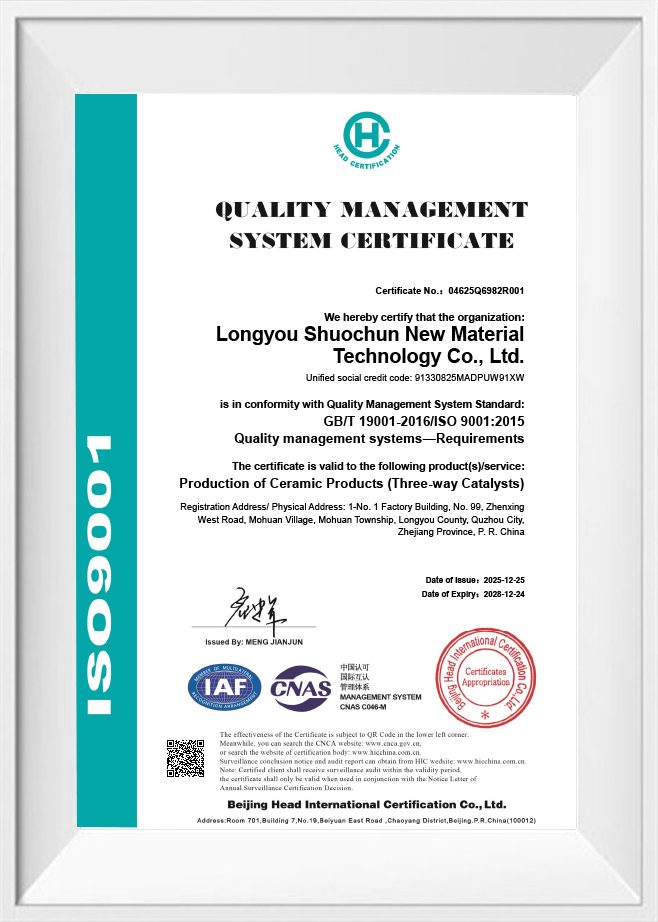
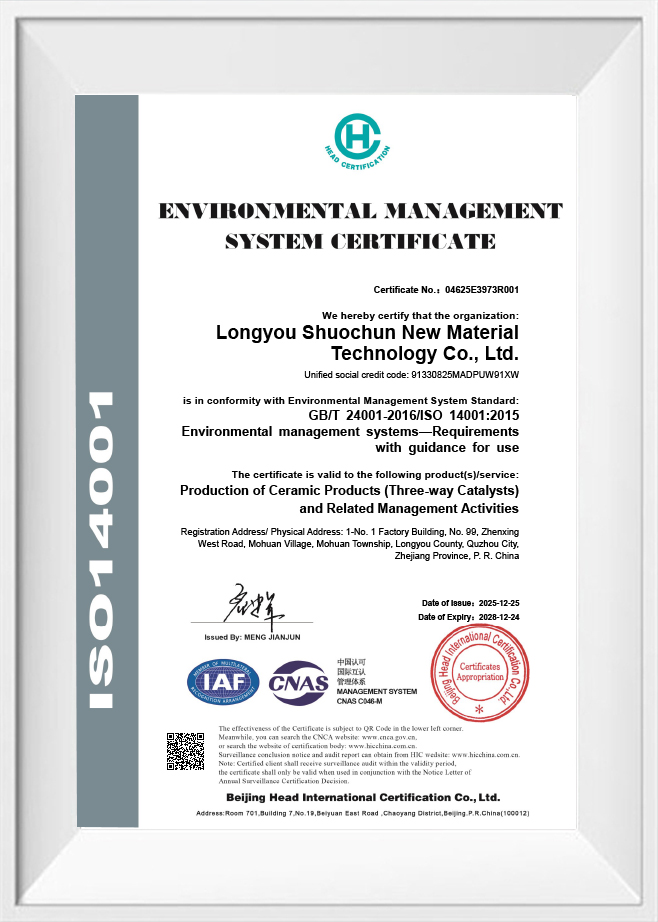
Certificate Of Honor
Message Feedback
Products Industry knowledge
High-Temperature Stability of Catalytic Converter Elements
Operating Environment of Catalytic Converters
Catalytic converters operate under demanding thermal conditions, particularly in automotive exhaust systems where temperatures can fluctuate between 200°C and over 900°C depending on engine load and combustion efficiency. Longyou Shuochun New Material Technology Co., Ltd., established in July 2024, focuses on the coating and development of three-way catalytic converter materials, which are specifically engineered to maintain functional stability within these temperature ranges. The ability of catalytic elements to withstand such environments is essential for ensuring consistent emission control performance.
Composition of Catalytic Converter Elements
The core elements of a catalytic converter typically include a ceramic or metallic substrate coated with active catalytic materials such as platinum, palladium, and rhodium. These materials facilitate chemical reactions that convert harmful gases into less harmful substances. The coating process, which is a key specialization of Longyou Shuochun New Material Technology Co., Ltd., directly influences how well these elements adhere to the substrate and perform under thermal stress. Stability at high temperatures depends not only on the intrinsic properties of these metals but also on the uniformity and bonding strength of the coating.
Thermal Stability Mechanisms
At elevated temperatures, catalytic elements must resist sintering, a process where metal particles coalesce and reduce the available active surface area. Advanced coating technologies aim to disperse catalytic particles evenly and anchor them securely onto the substrate. Longyou Shuochun New Material Technology applies material engineering techniques that help maintain dispersion, allowing catalytic reactions to continue effectively even after prolonged exposure to heat. Additionally, the use of stabilizing oxides in the coating layer can help preserve structural integrity under repeated thermal cycles.
Temperature Resistance of Common Catalytic Materials
| Material | Typical Temperature Resistance Range | Role in Catalysis | Thermal Stability Characteristics |
| Platinum (Pt) | Up to 900°C | Oxidation reactions | Maintains activity but may sinter under prolonged heat |
| Palladium (Pd) | Up to 800°C | Hydrocarbon oxidation | Good activity, sensitive to high-temperature aging |
| Rhodium (Rh) | Up to 1000°C | NOx reduction | Relatively stable under high temperatures |
| Ceramic Substrate | Above 1000°C | Structural support | Resistant to thermal shock with proper design |
Impact of Coating Technology on Stability
The coating process plays a central role in determining how catalytic elements behave at high temperatures. Uniform washcoating ensures that active materials are evenly distributed, reducing the likelihood of localized overheating. Longyou Shuochun New Material Technology focuses on optimizing coating thickness and adhesion, which helps prevent peeling or degradation during thermal cycling. The use of advanced binders and controlled drying processes further enhances the durability of the coating layer under continuous exposure to exhaust heat.
Thermal Aging and Performance Retention
Over time, catalytic converters are subject to thermal aging, where repeated exposure to high temperatures can gradually reduce catalytic efficiency. This is often caused by particle growth, phase changes in support materials, or loss of active surface area. To address this, modern catalytic coatings incorporate stabilizers such as cerium oxide, which can improve oxygen storage capacity and maintain catalytic activity. Longyou Shuochun New Material Technology integrates such materials into its coating formulations to support long-term operational stability.
Resistance to Thermal Shock
In addition to sustained high temperatures, catalytic converter elements must also withstand rapid temperature changes, known as thermal shock. This can occur during engine start-up or sudden changes in driving conditions. The substrate design, combined with the flexibility of the coating layer, determines how well the system tolerates these fluctuations. Materials engineered with compatible thermal expansion properties help reduce internal stress and prevent cracking or delamination.
Factors Affecting Stability in Real-World Applications
| Factor | Description | Impact on Stability |
| Engine Operating Conditions | Load, speed, and fuel type | Influences temperature range and exposure duration |
| Fuel Quality | Presence of sulfur or impurities | May accelerate catalyst degradation |
| Coating Quality | Uniformity and adhesion strength | Determines resistance to heat and aging |
| Thermal Cycling | Repeated heating and cooling | Can lead to structural fatigue over time |
Material Innovation and Future Development
Ongoing research in the field of catalytic materials focuses on improving high-temperature stability through nanostructured coatings and alternative support materials. Longyou Shuochun New Material Technology continues to explore new formulations that enhance dispersion and reduce the risk of sintering. By refining coating techniques and material selection, the company contributes to the development of catalytic converters that maintain consistent performance under increasingly demanding environmental and regulatory conditions.
FAQ
Q: How does coating technology influence the performance of catalytic converter elements?
A: The coating process plays a central role in determining how catalytic converter elements function under real operating conditions. Longyou Shuochun New Material Technology Co., Ltd. focuses on applying uniform and stable coatings that help distribute active materials such as platinum, palladium, and rhodium across the substrate. This improves the consistency of catalytic reactions and supports stable performance during temperature fluctuations.
Q: What factors can affect the lifespan of catalytic converter elements in vehicles?
A: The lifespan of catalytic converter elements is influenced by operating temperature, fuel quality, engine condition, and coating durability. High temperatures and impurities in fuel can gradually impact catalytic activity. Longyou Shuochun New Material Technology develops coating formulations designed to maintain adhesion and reduce degradation over extended use.
Q: Can catalytic converter elements maintain performance under continuous high-temperature exposure?
A: Catalytic converter elements are designed to operate under high temperatures, often exceeding several hundred degrees Celsius. Stability depends on the dispersion of active materials and the thermal resistance of the coating layer. Through controlled coating processes, Longyou Shuochun New Material Technology enhances the ability of these elements to retain activity under sustained heat conditions.
Q: How does the structure of the substrate impact catalytic efficiency?
A: The substrate, typically ceramic or metallic, provides a large surface area for catalytic reactions. Its honeycomb structure allows exhaust gases to flow efficiently while maximizing contact with catalytic materials. Longyou Shuochun New Material Technology ensures that coatings are evenly applied across these structures to support consistent reaction efficiency.
Q: What role do rare metals play in catalytic converter elements?
A: Rare metals such as platinum, palladium, and rhodium act as active catalysts that facilitate the conversion of harmful gases into less harmful emissions. Their distribution and interaction with the substrate are critical for performance. Longyou Shuochun New Material Technology focuses on optimizing the use of these materials within the coating layer to support stable catalytic activity.
Q: How can coating adhesion affect the durability of catalytic converter elements?
A: Strong adhesion between the coating and substrate helps prevent peeling or loss of catalytic materials during thermal cycling. Weak adhesion can lead to reduced efficiency over time. Longyou Shuochun New Material Technology applies controlled bonding techniques to enhance coating stability and maintain long-term functionality.
Q: Are catalytic converter elements customizable for different emission standards?
A: Yes, catalytic converter elements can be tailored to meet various emission regulations and engine requirements. Adjustments in coating composition, thickness, and material ratios allow manufacturers to target specific performance goals. Longyou Shuochun New Material Technology provides flexible coating solutions to support different regulatory and application needs.
