


 English
 русский
 Español
Diesel Particulate Filter (DPF) Catalyst Element
Diesel Particulate Filter (DPF) welded assemblies are critical mechanical modules in the exhaust after-treatment system for achieving efficient partic...
A DPF anti-corrosion filter is built with coated or treated materials to resist rust and chemical degradation in high-moisture or road-salt environments, while a DPF compact filter is designed around a smaller physical footprint for tight engine bays without sacrificing filtration efficiency. Both are variations on the same core technology — the diesel particulate filter — engineered for different operating conditions rather than different filtration goals.
Every diesel particulate filter has to solve the same core job — trapping soot particles from exhaust gas before they reach the atmosphere — but the housing and substrate design around that job varies by application. A DPF anti-corrosion filter prioritizes housing material and coating durability, often using stainless steel grades with higher chromium content or ceramic-coated internals to resist the chemical attack from road salt, moisture, and sulfur compounds in diesel exhaust. A DPF compact filter prioritizes physical dimensions, using a denser cell structure or a shorter housing to fit into vehicles where underbody or engine bay space is limited, such as light commercial vans or retrofit applications on older chassis.
Understanding the base mechanism makes it easier to see why corrosion resistance and size both matter so much in practice. Exhaust gas passes through a honeycomb-structured substrate, typically cordierite or silicon carbide, with alternating channels plugged at opposite ends. This forces the gas through porous walls, trapping soot particles as small as 10 nanometers while letting cleaned gas pass through. Over time, trapped soot builds up and must be burned off through a process called regeneration, either passively using exhaust heat or actively by injecting extra fuel to raise exhaust temperature.
| Substrate Type | Filtration Efficiency | Thermal Durability | Typical Application |
| Cordierite | 85–95% | Moderate, lower melting point | Light and medium-duty diesel engines |
| Silicon carbide | 95–99% | High, resists thermal cracking | Heavy-duty trucks, high-soot-load engines |
| Aluminum titanate | 90–97% | High, good thermal shock resistance | Mixed-duty fleets, retrofit programs |
Exhaust systems face a hostile combination of heat, condensation, and acidic byproducts from sulfur in diesel fuel, and the housing around a diesel particulate filter takes the brunt of that exposure. Vehicles operating in coastal regions or areas with heavy winter road salting see accelerated housing corrosion, which can lead to exhaust leaks, cracked welds, and premature filter replacement well before the substrate itself has reached the end of its service life.
Not every vehicle has room for a full-length diesel particulate filter, particularly in delivery vans, agricultural equipment, and older chassis being retrofitted to meet emissions standards after the fact. A DPF compact filter addresses this by using a denser cell count per square inch or a folded/spiral substrate geometry that packs more filtering surface area into a shorter housing.
| Filter Type | Housing Length | Cell Density | Best Fit |
| Standard-length DPF | Full-length housing | 200–300 cpsi | Class 6-8 trucks with ample chassis space |
| DPF compact filter | 30–50% shorter housing | 300–400 cpsi | Vans, retrofit installs, tight underbody space |
| Spiral-wound compact | Shortest available | Variable, application-specific | Off-road and agricultural equipment |
The trade-off with higher cell density is back-pressure. Packing more filtering surface into a smaller volume can raise exhaust back-pressure if ash loading isn't managed properly, which is why a DPF compact filter typically needs a slightly tighter maintenance interval for ash cleaning compared to a full-length equivalent.
How a filter regenerates affects both fuel economy and downtime, and this is where fleet operators tend to focus most of their attention once the initial purchase decision is made.
Vehicles running frequent short trips or heavy urban stop-and-go duty cycles rarely reach passive regeneration temperatures, which pushes more of the workload onto active regeneration — a pattern that matters when comparing a DPF compact filter against a standard-length unit, since compact designs with higher cell density can be more sensitive to incomplete regeneration cycles.
Beyond the base filtration spec, larger fleet operators and commercial buyers tend to weigh a handful of secondary factors that materially affect total cost of ownership over a filter's service life.
Some manufacturers separate warranty terms for the ceramic or metallic substrate from the housing itself. A DPF anti-corrosion filter with a housing-specific multi-year warranty reduces exposure to the corrosion-driven failures that are otherwise excluded from standard substrate warranties.
Filters with accessible cleanout ports reduce labor time during scheduled maintenance. This matters more on a DPF compact filter, where higher cell density can mean ash buildup affects back-pressure sooner than on a full-length equivalent.
Fleets operating under emissions verification programs need filters with documented efficiency ratings and certification paperwork on hand, since compliance audits typically require proof of an approved diesel particulate filter installation.
A higher upfront cost on a DPF anti-corrosion filter is frequently offset within 3 to 4 years of coastal or winter-salt operation once housing-related replacement and labor costs are factored into the comparison against a standard-grade unit.
Getting the physical fit right matters as much as the filtration spec itself, particularly when retrofitting an older vehicle or swapping between a standard and compact housing.
Regardless of which filter type is installed, a handful of maintenance habits consistently extend service life and reduce unplanned downtime.
| Maintenance Task | Recommended Interval |
| Differential pressure sensor check | Every oil change interval |
| Ash cleaning service | Every 100,000–150,000 miles, sooner for compact designs |
| Housing inspection for corrosion or cracking | Annually, more frequently in coastal/winter-salt regions |
| Regeneration cycle log review | Monthly for fleet vehicles with frequent short-trip duty cycles |
A DPF anti-corrosion filter uses higher-grade stainless steel or coated housing materials specifically to resist rust and chemical attack from road salt, moisture, and sulfur compounds, extending housing life in harsh climates well beyond a standard-grade unit.
A DPF compact filter makes sense when engine bay or underbody space is limited, such as in delivery vans, older retrofit chassis, or agricultural equipment, since its denser cell structure fits more filtering surface into a shorter housing.
Most diesel particulate filters can be cleaned of ash buildup rather than replaced outright, typically every 100,000 to 150,000 miles, though the substrate itself eventually reaches end of life after repeated cleaning cycles.
Yes, but its higher cell density means ash and soot buildup can affect back-pressure sooner, so a DPF compact filter typically benefits from slightly more frequent regeneration monitoring compared to a standard-length equivalent.
For vehicles operating in coastal, high-humidity, or winter-salt regions, the higher cost of a DPF anti-corrosion filter is often recovered within a few years through reduced housing-related replacements compared to standard-grade filters.
Content
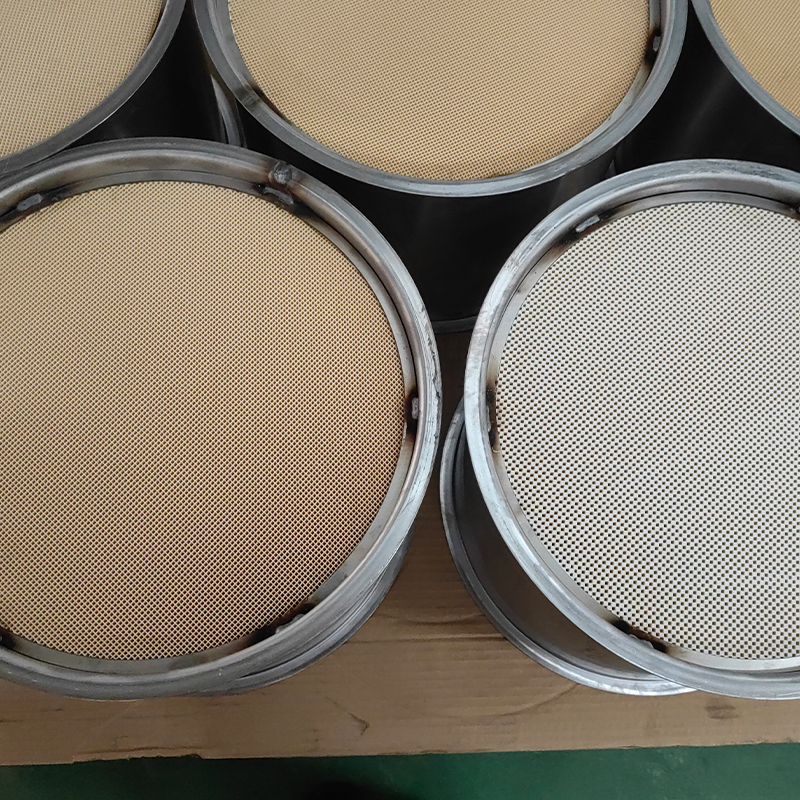
Diesel Particulate Filter (DPF) welded assemblies are critical mechanical modules in the exhaust after-treatment system for achieving efficient partic...
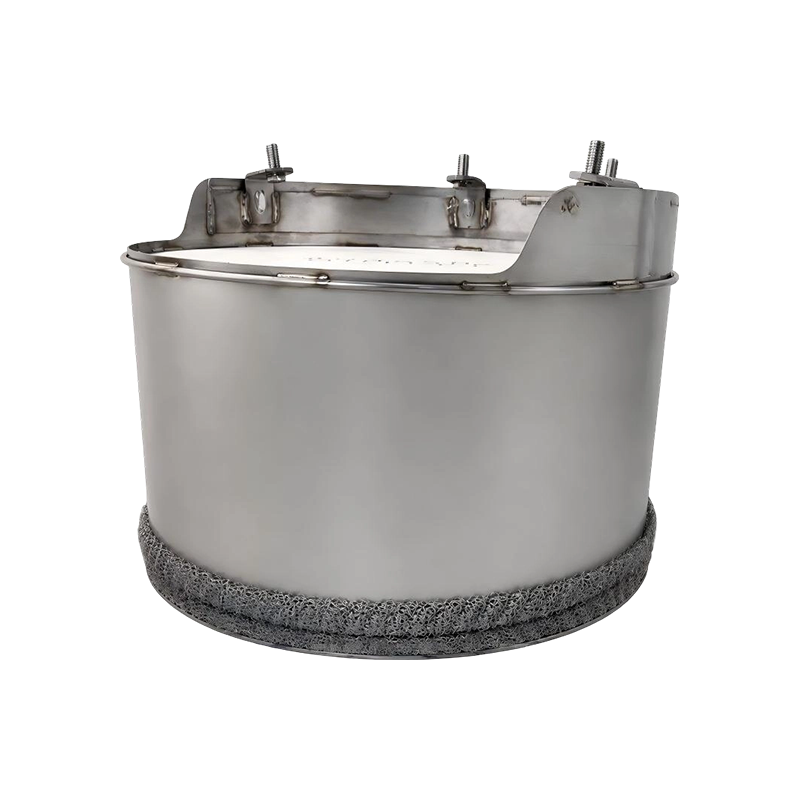
A diesel particulate filter (DPF) sized for compact exhaust layouts without giving up filtration performance.Filtration: ceramic honeycomb core traps ...
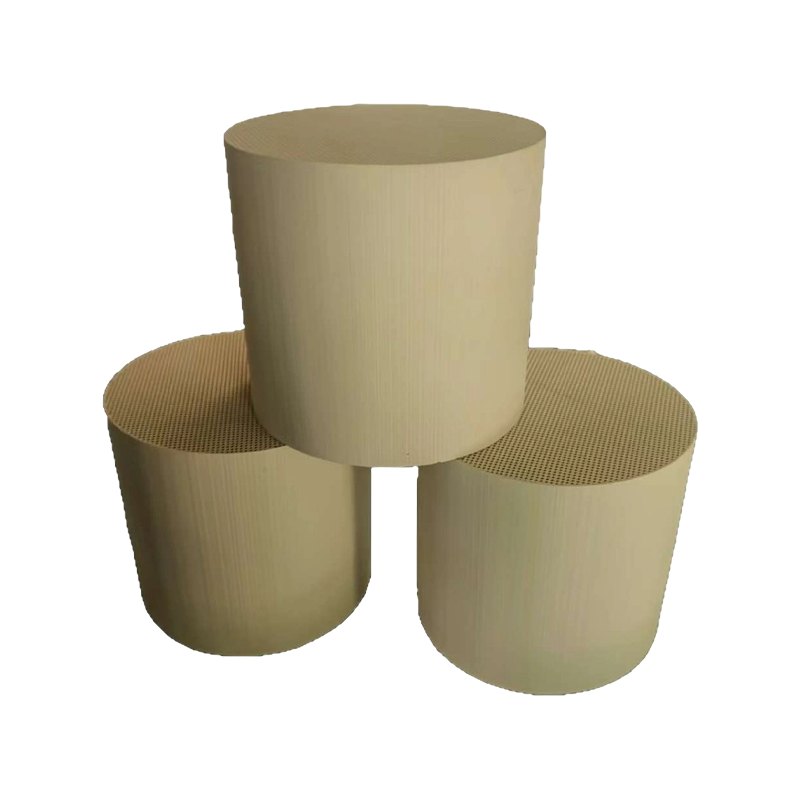
Working Principle of GPF: Filtration and RegenerationThe basic working principle of the Gasoline Particulate Filter (GPF) is highly similar to that of...
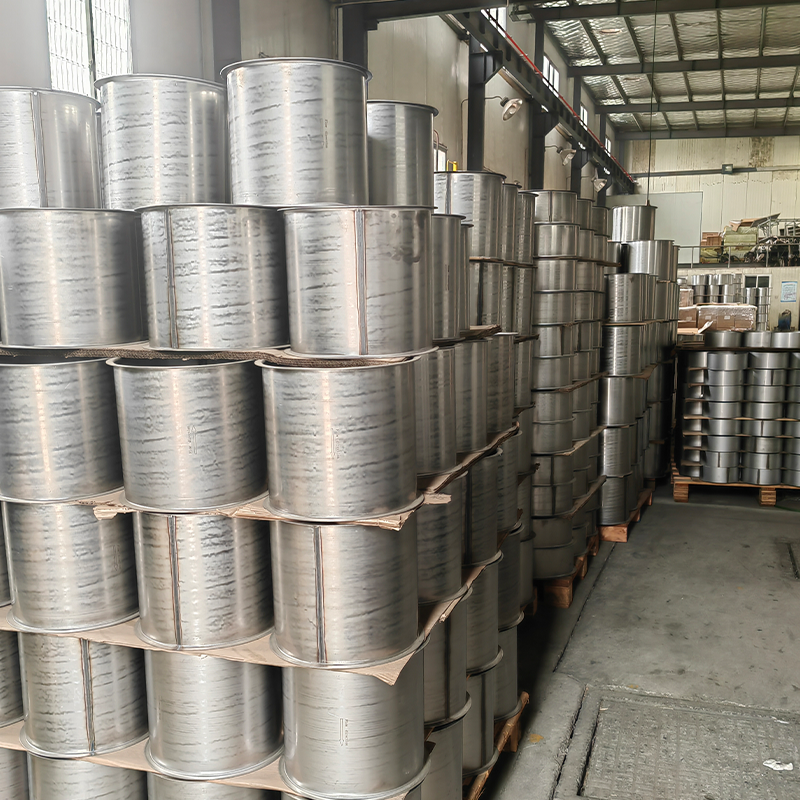
Gasoline Particulate Filter (GPF) welded assemblies are precision modules that integrate filtration, sensing, mechanical connection, and thermal manag...
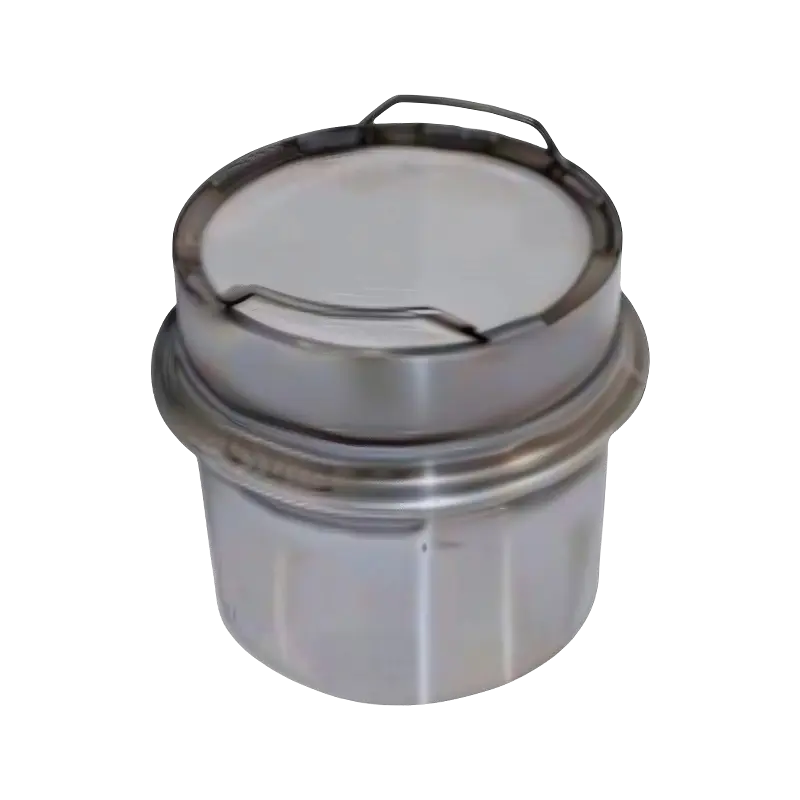
A diesel particulate filter (DPF) sold without a core-exchange requirement, so installation is quicker and simpler.Ordering: no core deposit or return...
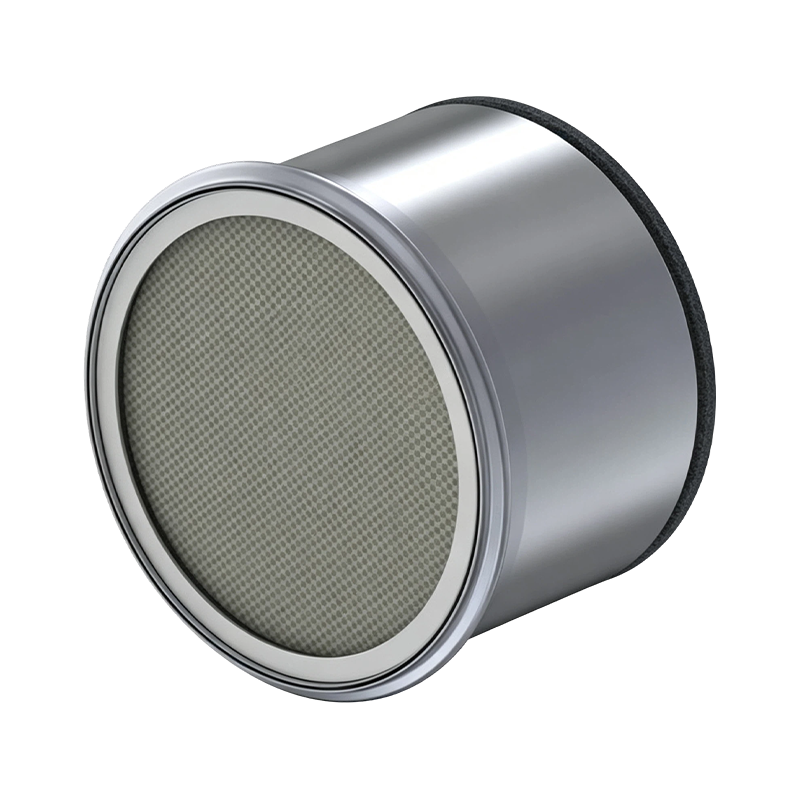
A diesel particulate filter (DPF) sized for larger-displacement heavy-duty trucks that need a higher-capacity soot filter.Filtration: larger ceramic c...
A diesel particulate filter (DPF) is a critical emissions control device fitted to the exhaust syst......
READ MOREDPF Diesel Particulate Filter: The Most Effective Solution for Reducing Diesel Emissions A DPF dies......
READ MOREAt roughly 600 operating hours, the dash of a compact loader lights up with a derate warning. The t......
READ MOREThe Core Function of the Diesel Particulate Filter A diesel particulate filter is an essential emis......
READ MOREApplication Areas High-performance special ceramics are widely used in the following fields: Machine......
READ MOREA DOC (Diesel Oxidation Catalyst) is a critical emissions control component that reduces harmful pol......
READ MORE