


 English
 русский
 Español
3.8L Three-Way Catalytic Converter Y-Pipe
This product is designed for vehicles equipped with a 3.8L engine and an exhaust system OE number of 42638, applicable to 2007-2009 model years. It is...
Every gasoline engine produces a mix of gases that would be harmful if released directly into the air. Along with carbon dioxide and water vapor, combustion also creates carbon monoxide, unburned hydrocarbons, and nitrogen oxides. A three-way catalytic converter sits in the exhaust path, usually just after the exhaust manifold, and forces these leftover gases through a chemical cleanup before they ever reach the tailpipe.
Inside the converter, a honeycomb-shaped ceramic or metal substrate is coated with a thin layer of catalyst metals. As exhaust gas passes through the thousands of narrow channels, it contacts this coating and triggers three distinct reactions almost instantly.
| Pollutant | Reaction Type | Result |
|---|---|---|
| Carbon monoxide (CO) | Oxidation | Converted to carbon dioxide (CO₂) |
| Unburned hydrocarbons (HC) | Oxidation | Converted to carbon dioxide and water vapor |
| Nitrogen oxides (NOx) | Reduction | Split into nitrogen (N₂) and oxygen (O₂) |
The reduction reaction for nitrogen oxides is the trickiest of the three, because it requires an oxygen-poor environment, while the two oxidation reactions need extra oxygen to proceed. Getting both conditions right inside one device is the core engineering challenge behind this technology, and it is solved by tightly controlling the ratio of air to fuel entering the engine.
The core of the device is a ceramic honeycomb substrate, sometimes replaced by a corrugated stainless-steel mat in performance applications. This substrate is washcoated with a porous layer of aluminum oxide to maximize surface area, then loaded with a small amount of precious metal catalyst — typically a combination of platinum, palladium, and rhodium.
The three-way conversion process only works efficiently within a very narrow band of air-fuel ratio, centered on what is known as the stoichiometric ratio — about 14.7 parts air to 1 part fuel by weight for gasoline. This window is sometimes called the catalyst's operating "window," and it is only a few tenths of a percent wide.
If the mixture runs too lean (too much air relative to fuel), there is enough oxygen for the oxidation reactions to thrive, but the reduction reaction for nitrogen oxides slows down because there is no oxygen-poor environment for it to occur in. If the mixture runs too rich (too much fuel), the opposite happens: nitrogen oxides convert well, but carbon monoxide and hydrocarbons pass through unconverted.
To hold the engine inside this narrow band, the engine control unit reads a signal from an oxygen sensor placed before the converter and constantly adjusts fuel delivery, often multiple times per second. A second oxygen sensor placed after the converter monitors how well the reactions are proceeding and feeds that data back into the control loop. This closed-loop control is why a failing oxygen sensor almost always shows up as reduced converter efficiency, even when the converter itself is mechanically fine.
A converter does not usually fail all at once. Efficiency drops gradually as the catalyst coating degrades, gets contaminated, or becomes physically blocked. Watching for the following symptoms can catch a problem before it becomes an expensive repair.
| Symptom | Likely Cause |
|---|---|
| Reduced acceleration or a feeling of engine strain | Partially clogged substrate restricting exhaust flow |
| Rotten-egg smell from the exhaust | Sulfur compounds not being fully converted, often from a rich-running engine |
| Check engine light with a P0420 or P0430 code | Converter efficiency below the threshold monitored by the control unit |
| Rattling noise from underneath the vehicle | Broken or crumbling internal honeycomb substrate |
| Failed emissions or smog inspection | Converter no longer meeting regulatory conversion efficiency |
Under normal operating conditions, a three-way catalytic converter is built to last the life of the vehicle, often well past 150,000 miles. Its lifespan shortens significantly under a few specific conditions:
Nitrogen oxides contribute to smog and acid rain, carbon monoxide is toxic in enclosed spaces, and unburned hydrocarbons react with sunlight to form ground-level ozone. Because a three-way converter addresses all three pollutants in a single pass, it became the standard emissions-control device for gasoline vehicles once closed-loop fuel injection made precise air-fuel control possible. Modern converters, paired with electronic fuel injection and real-time sensor feedback, routinely bring tailpipe emissions of these three pollutants down by 80 to 95 percent compared to an engine with no aftertreatment at all.
This is also why the device only works properly on gasoline engines that run at or near the stoichiometric ratio. Diesel engines, which run lean by design, rely on different aftertreatment technology such as diesel oxidation catalysts and selective catalytic reduction systems to manage the same categories of pollutants.
Because the converter depends entirely on precise combustion and correct sensor feedback, the most effective way to protect it is routine maintenance elsewhere in the engine.
Treated well, a three-way catalytic converter is one of the few emissions components on a modern vehicle that a driver rarely has to think about — it quietly runs three separate chemical reactions every second the engine is running, converting the majority of harmful exhaust gases into nitrogen, carbon dioxide, and water before they ever leave the tailpipe.
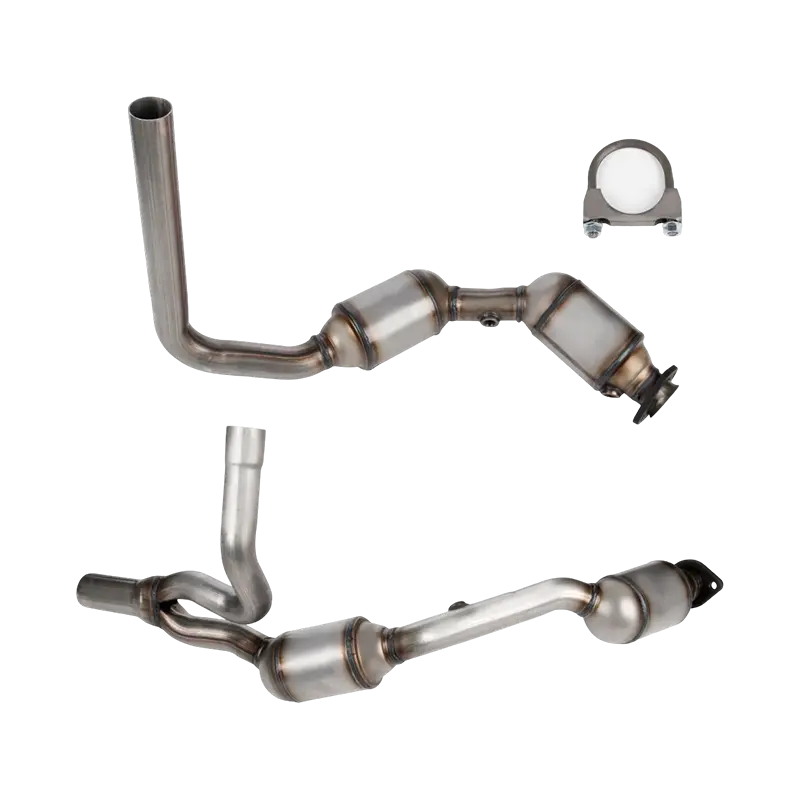
This product is designed for vehicles equipped with a 3.8L engine and an exhaust system OE number of 42638, applicable to 2007-2009 model years. It is...
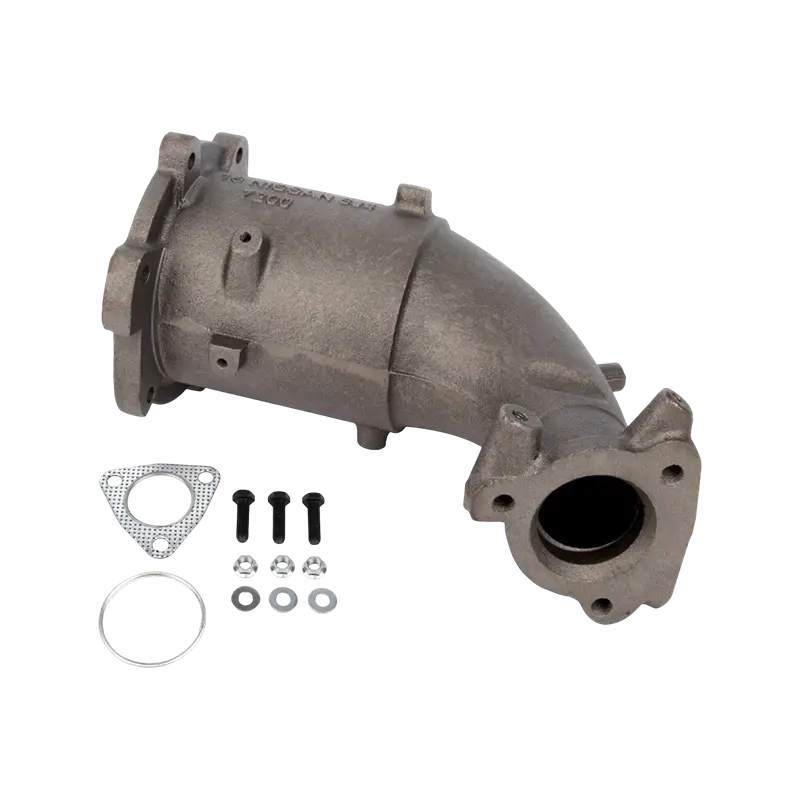
This product is designed for vehicles equipped with a 3.5L engine and an exhaust system OE number of 16221, applicable to 2003-2007 model years. It is...
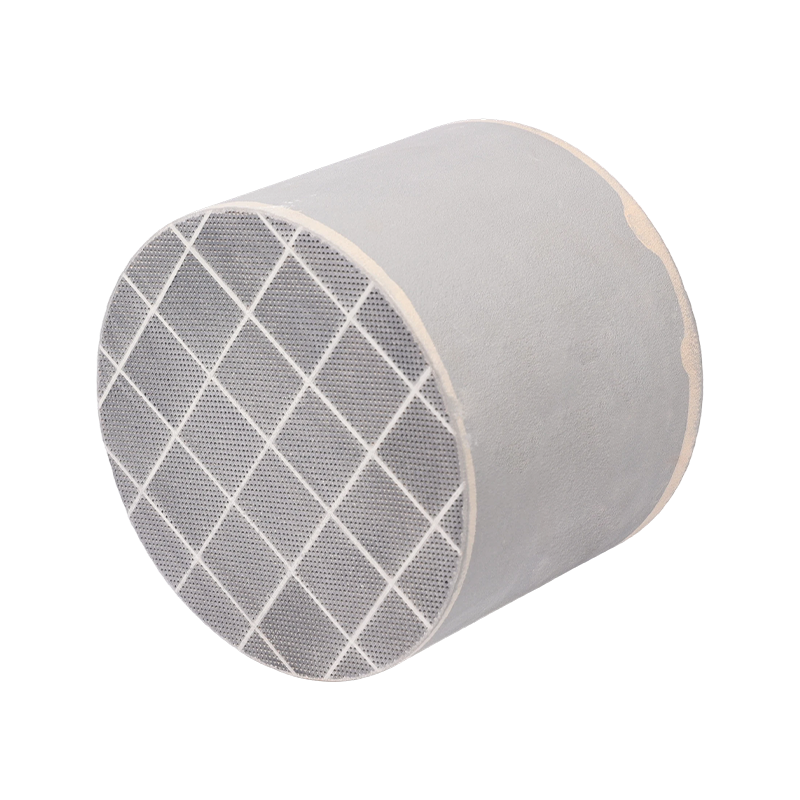
The SCR catalyst also follows the carrier–coating–active component structure; however, its active components are fundamentally different from those in...
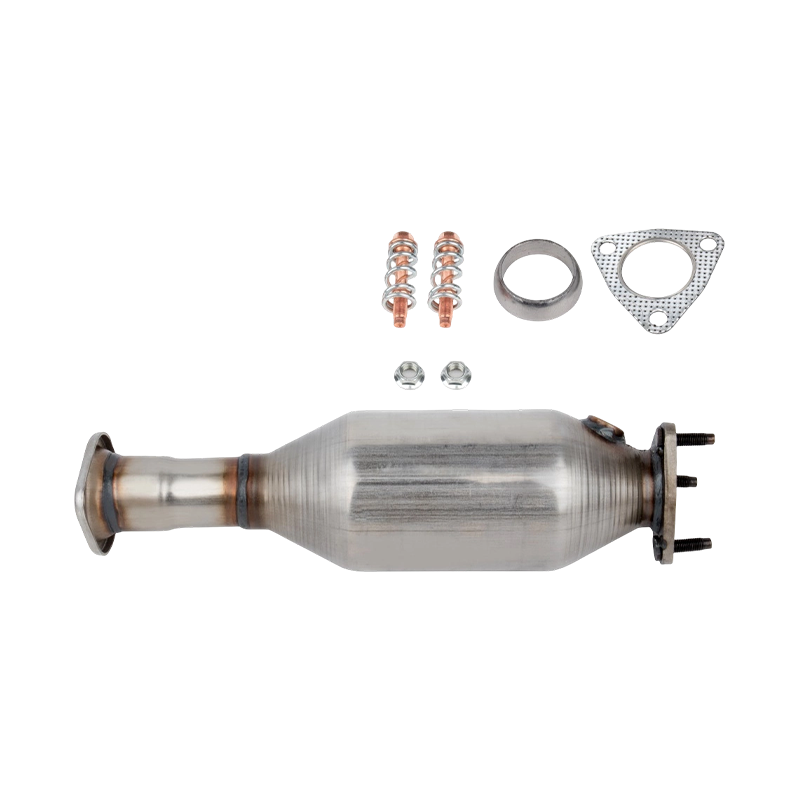
This product is designed for vehicles equipped with a 2.0L engine and an exhaust system OE number of 16048, applicable to 1997-2001 model years. It is...
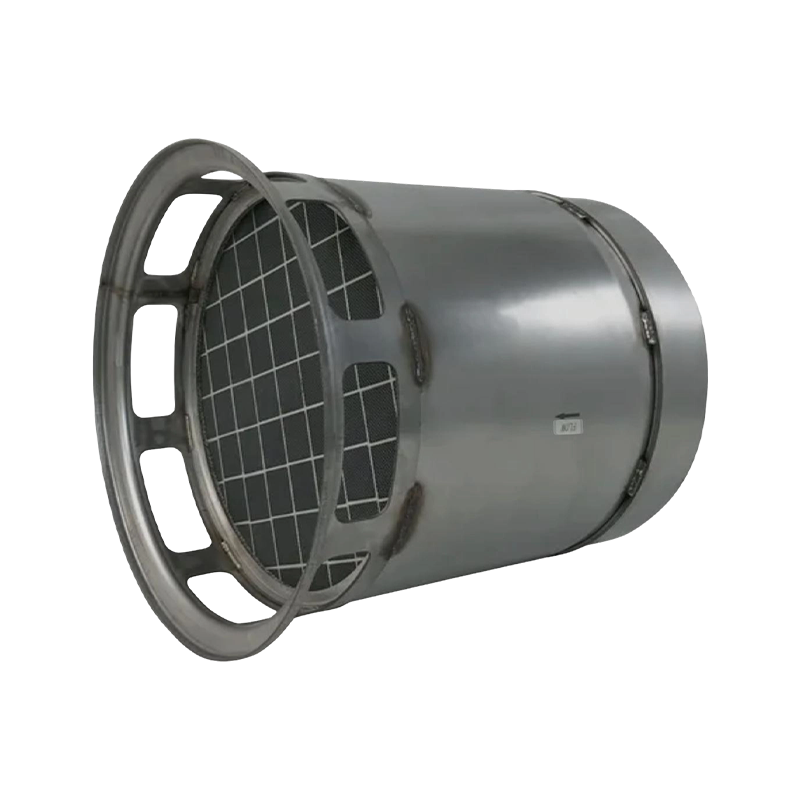
A diesel particulate filter (DPF) built around a silicon carbide (SiC) filter core instead of cordierite.Thermal performance: SiC handles thermal shoc...
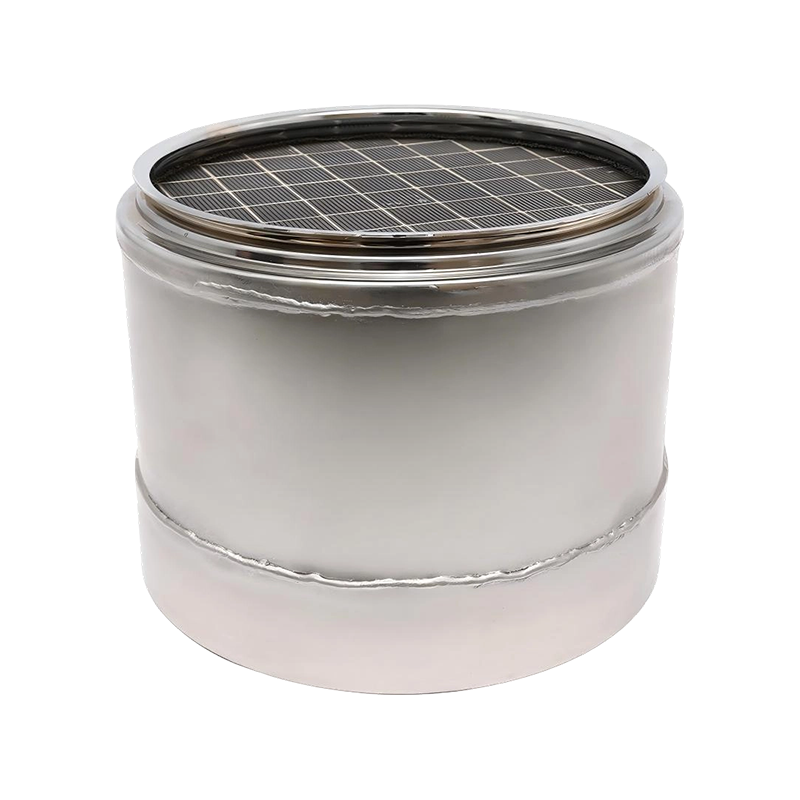
1) Ships as a full assembly rather than just the filter core, so the whole unit can be swapped in one go.2) Sized and positioned to help heavy-duty di...
Application Areas High-performance special ceramics are widely used in the following fields: Machine......
READ MOREA Diesel Oxidation Catalyst (DOC) is an emissions control device installed in the exhaust system of......
READ MOREExhaust System Components The shell rarely fails first — but when it does, everything inside it goe......
READ MOREAt roughly 600 operating hours, the dash of a compact loader lights up with a derate warning. The t......
READ MOREThe short answer first: a diesel oxidation catalyst, usually shortened to DOC, is the first functio......
READ MOREA 3.0 L diesel van that rarely pushes its catalyst above 220 °C and a 400 kW standby generator runn......
READ MORE