


 English
 русский
 Español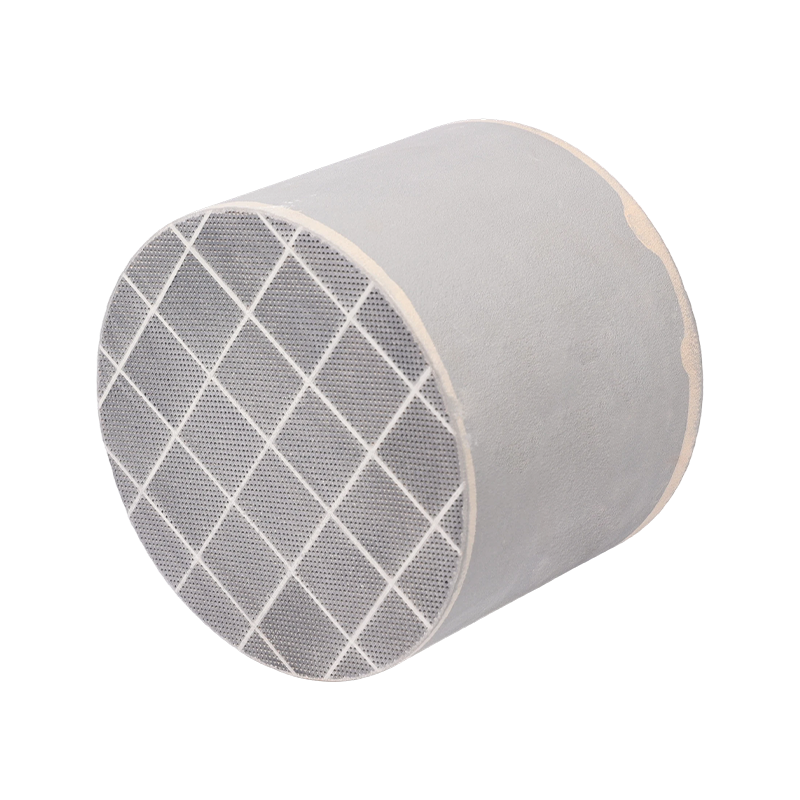
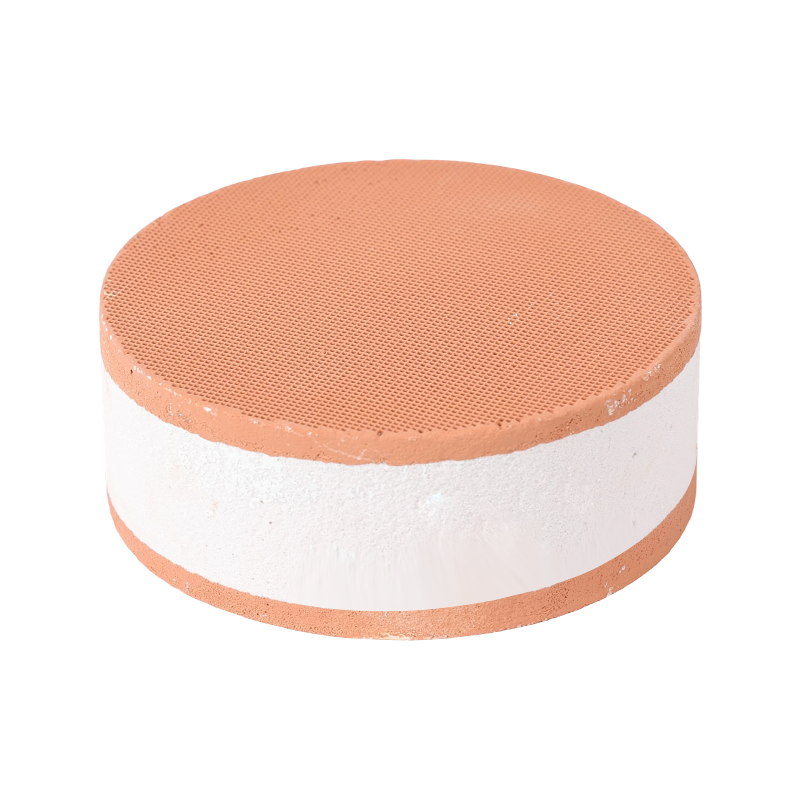
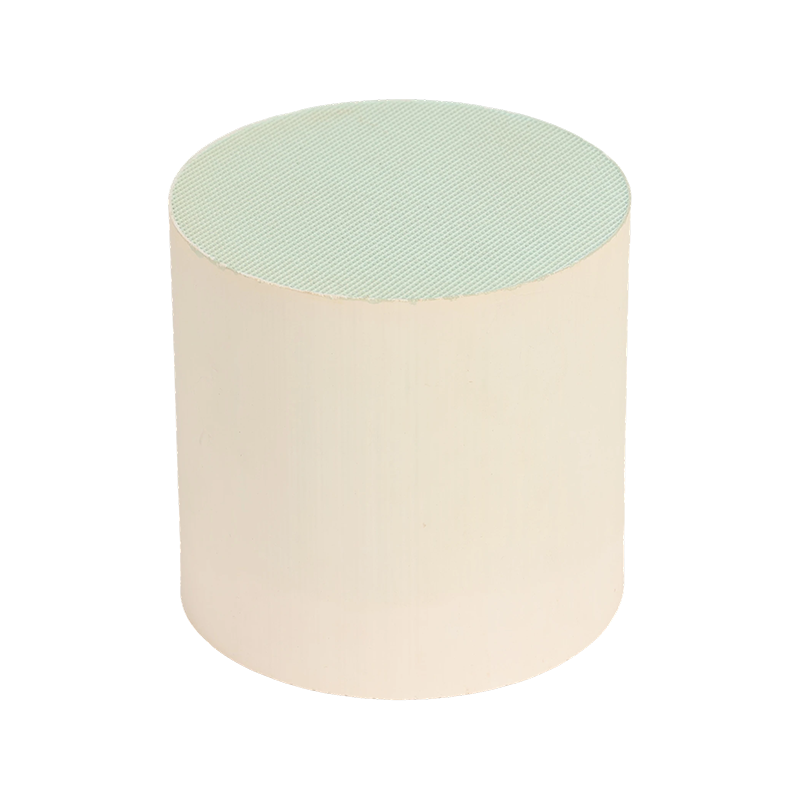
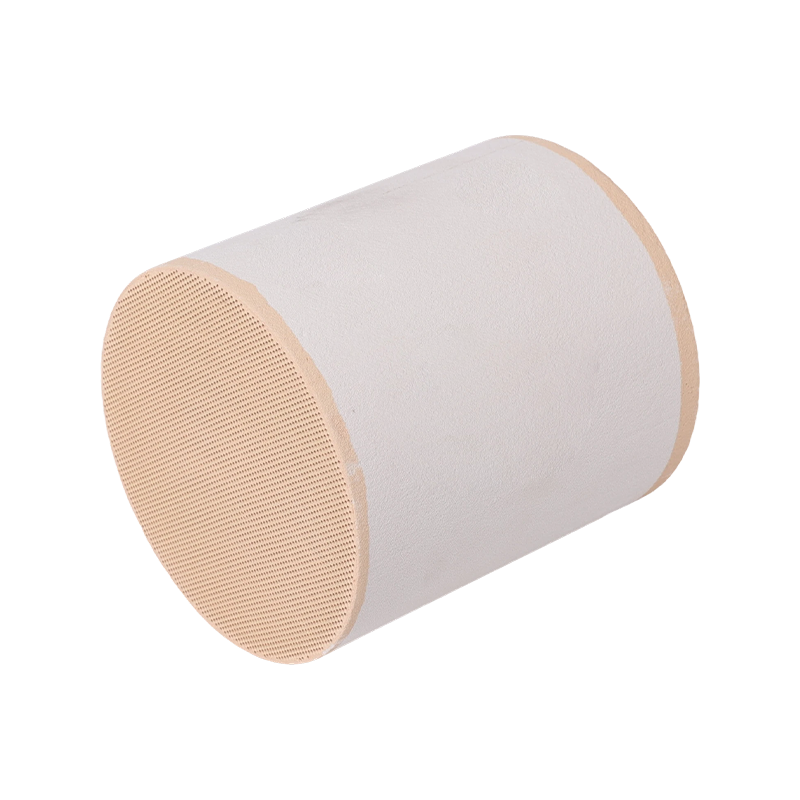
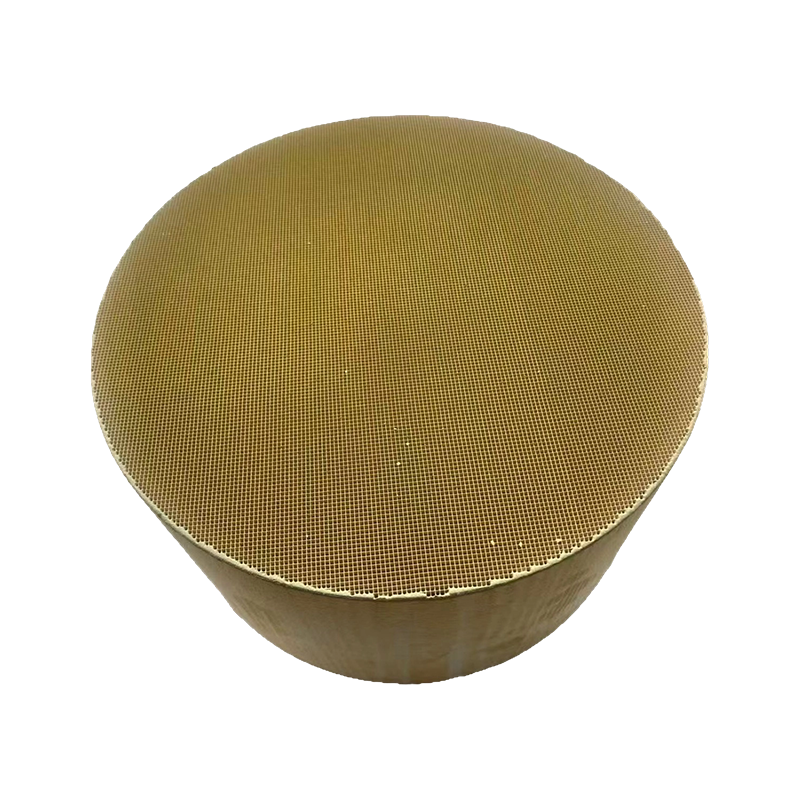
A DOC (Diesel Oxidation Catalyst) is a critical emissions control component that reduces harmful pollutants like carbon monoxide (CO), hydrocarbons (HC), and soluble organic fractions in diesel exhaust. It works by oxidizing these pollutants into less harmful substances such as carbon dioxide (CO₂) and water vapor. In ...
SCR Selective Catalytic Reduction System Manufacturers
The core of the Selective Catalytic Reduction (SCR) system is the SCR catalyst. Its working principle is that, under catalytic action, a reducing agent—typically a urea–water solution that decomposes into ammonia after being injected into the exhaust stream—selectively reacts with nitrogen oxides (NOx) in the exhaust rather than with the large amount of oxygen present. Through this selective reaction, NOx is reduced to harmless nitrogen (N₂) and water (H₂O).The SCR catalyst, especially those based on copper-exchanged zeolites, is a foundational technology for achieving ultra-low NOx emissions in modern engines. Using ammonia as the reductant, it enables highly efficient and selective conversion of NOx into nitrogen. The titanium dioxide–tungsten/molybdenum coating system combined with copper/vanadium active centers creates a precise “chemical factory” capable of targeting NOx in an oxygen-rich environment. This makes the SCR catalyst an indispensable component for diesel engines to meet the most stringent emission regulations worldwide.
Focus on three-way catalytic carrier coating
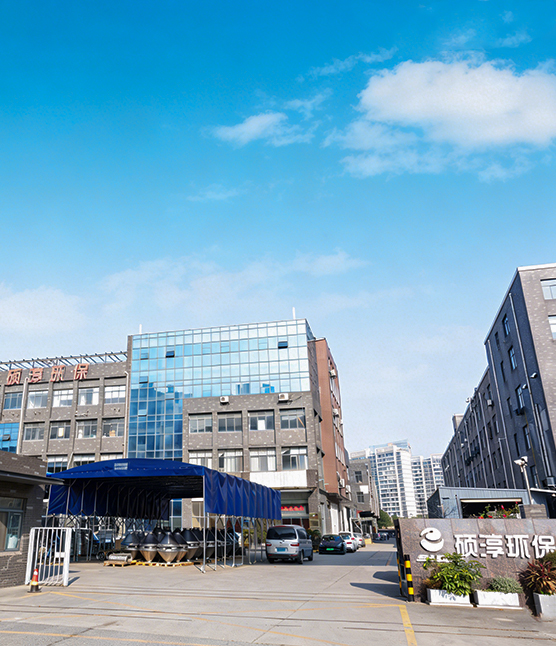
As China China Selective Catalyst Manufacturers and SCR Catalytic Converter Suppliers, Founded in July 2024, Longyou Shuochun New Material Technology Co., Ltd. is a high-tech enterprise specializing in the coating and sales of three-way catalytic converters. It is deeply engaged in the field of new materials.
The company always keeps an eye on the industry frontier, actively learns from and draws on the advanced formulas and mature technologies of domestic and foreign counterparts. Through in-depth research and localization of mainstream formulas, it accurately adjusts the proportion of raw materials such as rare earths, precious metals and non-precious metals, so as to ensure that the coated carriers produced have stable catalytic activity and reliable performance.
The company's products cover a variety of specifications and models, and its products and technologies are applicable to automobiles, motorcycles, general-purpose engines, construction machinery, marine power, generator sets, agricultural machinery and other fields.
In the future, the company will continue to learn advanced industry experience, optimize production and services, and contribute to the realization of carbon peaking and carbon neutrality goals in China and around the world.
News Center
-
-
Understanding Emission Control Catalysts Emission control catalysts play a critical role in the automotive and industrial sectors by reducing harmful pollutants released into the atmosphere. These catalysts are designed to promote chemical reactions that transform toxic gases, such as carbon monoxide (CO), nitrogen ox...
-
The most direct signals that a Diesel Oxidation Catalyst (DOC) needs replacement include: a persistent check engine light — particularly DTC codes such as P0420/P0421 — exhaust HC and CO emissions exceeding regulatory limits by 50% or more, an abnormal increase in fuel consumption of 5%–15%, white or blue smoke continu...
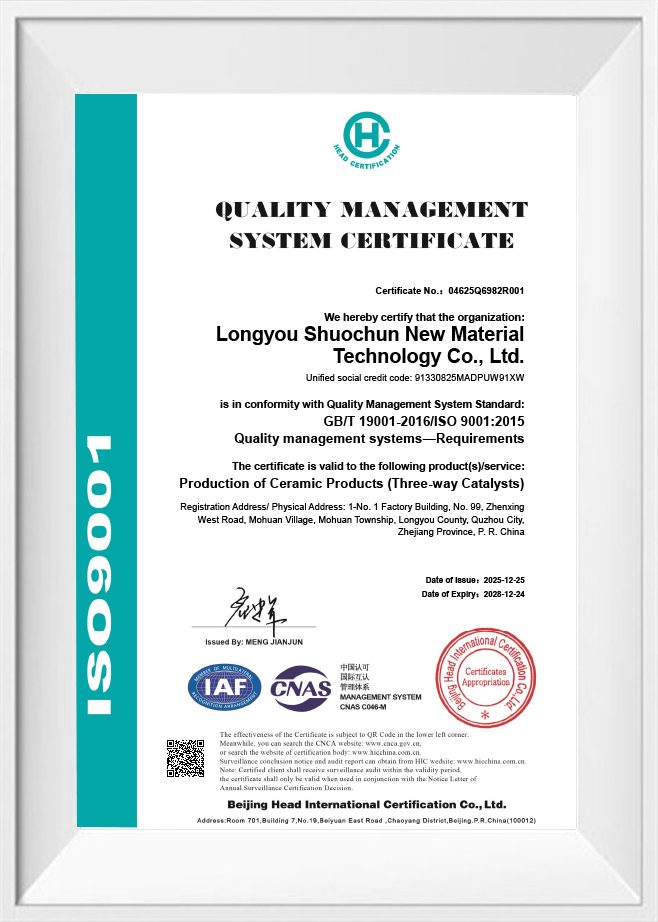
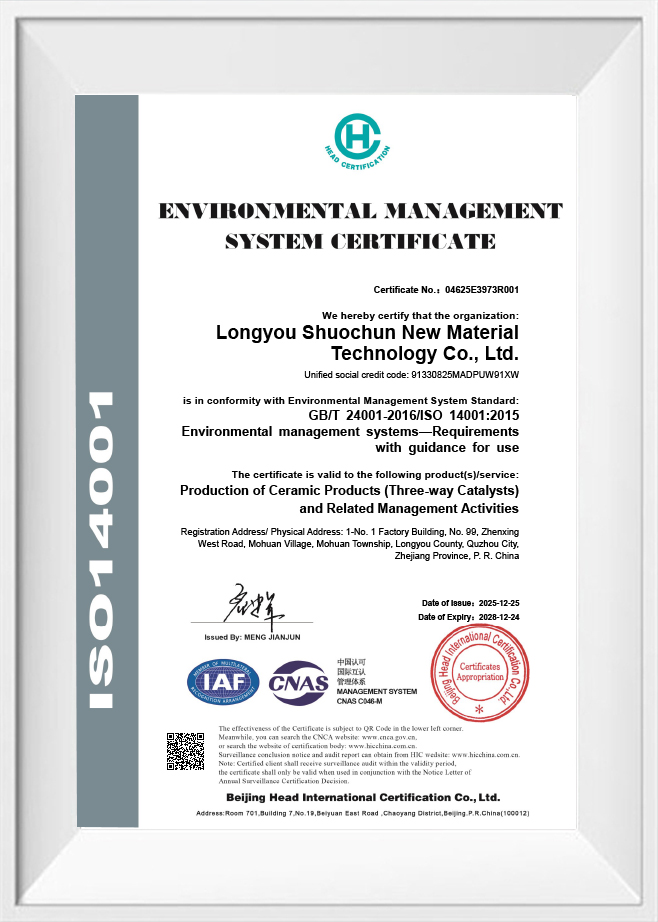
Certificate Of Honor
Message Feedback
Selective Catalytic Reduction (SCR) Catalyst Industry knowledge
Service Life and Durability of Selective Catalytic Reduction (SCR) Catalysts
Material Composition and Substrate Stability
Longyou Shuochun New Material Technology Co., Ltd. applies advanced materials in the production of SCR catalysts to enhance their service life. The substrate material is carefully selected for its thermal stability, mechanical strength, and resistance to chemical corrosion. This ensures that the SCR catalytic converter maintains structural integrity over prolonged exposure to high-temperature exhaust gases and reactive compounds such as nitrogen oxides and ammonia. Proper substrate selection also supports the performance of the SCR NOx reduction system in varied operational conditions.
Catalyst Coating and Chemical Resistance
The active coating of the SCR zeolite catalyst, often containing vanadium, tungsten, or zeolite-based components, is designed to facilitate nitrogen oxide reduction efficiently. Longyou Shuochun New Material Technology Co., Ltd. controls the coating thickness and adhesion to the SCR catalyst housing to prevent loss of catalytic material due to abrasion or chemical interactions. This approach contributes to sustained performance and minimizes degradation over time, ensuring reliability of the SCR emission reduction system and associated components like the SCR catalytic converter package.
Thermal Cycling and Mechanical Stress
SCR selective catalytic reduction systems are exposed to repeated thermal cycles as the engine alternates between low and high loads. Thermal expansion and contraction can create mechanical stress, potentially affecting durability. Proper substrate selection and coating techniques by Longyou Shuochun New Material Technology Co., Ltd. help mitigate the impact of thermal cycling, reducing the risk of cracks and preserving catalytic activity over long periods. This also ensures the integrity of the SCR universal retrofit kit when integrated into existing vehicle systems.
Contamination and Poisoning Resistance
The presence of fuel impurities, oil additives, or particulate matter can influence the service life of an SCR catalyst. Contaminants may block active sites or interact with the catalyst material. To address this, Longyou Shuochun New Material Technology Co., Ltd. incorporates chemical-resistant coatings and recommends the use of high-quality fuel and upstream filtration to maintain consistent catalyst performance and protect the SCR NOx sensor, which monitors NOx reduction efficiency in real time.
Operational Conditions and Load Variability
Vehicle operating conditions, including engine load, exhaust temperature, and duty cycles, directly impact catalyst longevity. Table 1 provides reference estimates of SCR catalytic converter package service life under typical operating conditions, illustrating how different environments influence durability. Adhering to recommended operating practices helps maintain catalyst effectiveness throughout its intended service period, optimizing the SCR NOx reduction system and overall emission compliance.
| Operating Condition | Estimated Service Life (hours) | Factors Affecting Durability |
| Urban Low-Speed Driving | 6,000 | Frequent temperature fluctuations, high idling time |
| Highway Driving | 10,000 | Stable exhaust temperatures, moderate load variations |
| Heavy-Duty Industrial Use | 4,500 | High thermal stress, extended operation under heavy load |
Maintenance Practices for Longevity
Proper maintenance extends the life of SCR selective catalytic reduction systems. Regular inspections of exhaust components, dosing systems, and upstream filters help prevent excessive accumulation of contaminants or chemical imbalances. Longyou Shuochun New Material Technology Co., Ltd. recommends monitoring ammonia injection systems, ensuring proper urea quality, and checking SCR NOx sensors to maintain catalytic activity and prevent premature aging of the SCR catalytic converter and SCR catalytic converter package.
Environmental and Regulatory Considerations
SCR catalysts are critical in meeting nitrogen oxide emission standards. Durability and service life are influenced by regulatory requirements, as sustained high conversion efficiency is necessary for compliance. Longyou Shuochun New Material Technology Co., Ltd. designs selective catalysts to maintain consistent performance under varying environmental conditions, supporting compliance over the expected operational lifespan of the vehicle or equipment. The SCR universal retrofit kit can also help older vehicles meet current NOx regulations.
Predictive Monitoring and Performance Tracking
Advanced monitoring of exhaust temperature, NOx levels, and flow rates can provide early warning signs of potential catalyst degradation. Predictive maintenance strategies, informed by this data, allow operators to address issues before significant performance loss occurs. Longyou Shuochun New Material Technology Co., Ltd. supports integration of monitoring systems to maximize service life, maintain SCR emission reduction system efficiency, and ensure continuous NOx control via SCR NOx sensors.
FAQ
Q: How does substrate selection impact the durability of an SCR catalytic converter?
A: Longyou Shuochun New Material Technology Co., Ltd. emphasizes the importance of substrate material for SCR catalysts. A thermally stable and mechanically robust substrate helps maintain structural integrity under repeated thermal cycles and high exhaust flow, extending service life while supporting consistent NOx reduction in SCR selective catalytic reduction systems.
Q: What role do catalytic coatings play in maintaining long-term efficiency?
A: The coating on an SCR zeolite catalyst provides active sites for nitrogen oxide reduction. Longyou Shuochun New Material Technology Co., Ltd. applies coatings with controlled thickness and uniform distribution to ensure sustained catalytic activity, even under variable exhaust compositions and operating temperatures, enhancing performance of the SCR catalytic converter package.
Q: How do operating conditions affect the service life of an SCR catalyst?
A: Variations in engine load, exhaust temperature, and duty cycles influence catalyst performance. The SCR catalyst design from Longyou Shuochun New Material Technology Co., Ltd. considers these factors to maintain consistent NOx conversion efficiency under different operational conditions, supporting durability over time for the SCR universal retrofit kit and SCR NOx reduction system.
Q: How can contamination from fuel or oil affect SCR catalyst performance?
A: Fuel impurities or oil additives can block active sites or chemically interact with the catalyst material, reducing efficiency. Longyou Shuochun New Material Technology Co., Ltd. recommends clean fuel, proper upstream filtration, and inspection of SCR NOx sensors to protect the SCR catalytic converter and maintain long-term performance.
Q: How is thermal cycling managed to prevent degradation of the catalyst?
A: Repeated heating and cooling can induce mechanical stress in both the substrate and coating. SCR catalysts from Longyou Shuochun New Material Technology Co., Ltd. use thermally resistant substrates and coatings designed to withstand these cycles, reducing the risk of cracks and maintaining long-term NOx reduction efficiency in SCR selective catalytic reduction systems.
Q: Can monitoring systems enhance SCR catalyst longevity?
A: Yes, integrating sensors to track exhaust temperature, flow, and NOx levels allows for predictive maintenance. Longyou Shuochun New Material Technology Co., Ltd. supports data-driven strategies to detect potential performance issues early, ensuring continuous operation and prolonged life of the SCR catalytic converter package and overall SCR emission reduction system.
Q: How does integration with the overall emission control system affect catalyst performance?
A: SCR catalysts are most effective when properly integrated with upstream and downstream components, such as DOC diesel oxidation catalysts or particulate filters. Longyou Shuochun New Material Technology Co., Ltd. optimizes catalyst design and placement to work in harmony with the full SCR emission reduction system, enhancing both durability and NOx conversion efficiency.
