


 English
 русский
 Español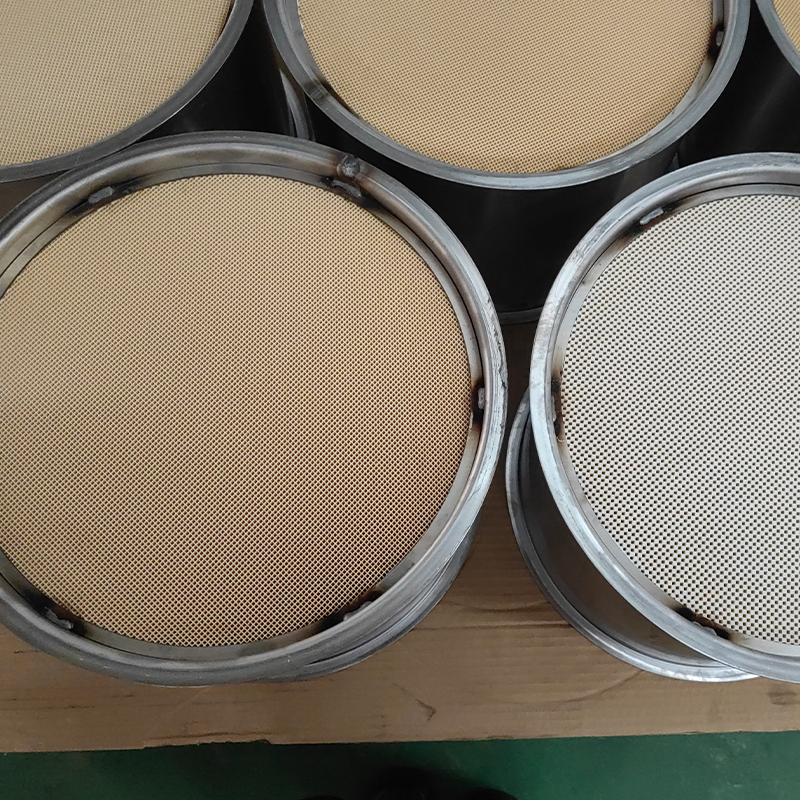
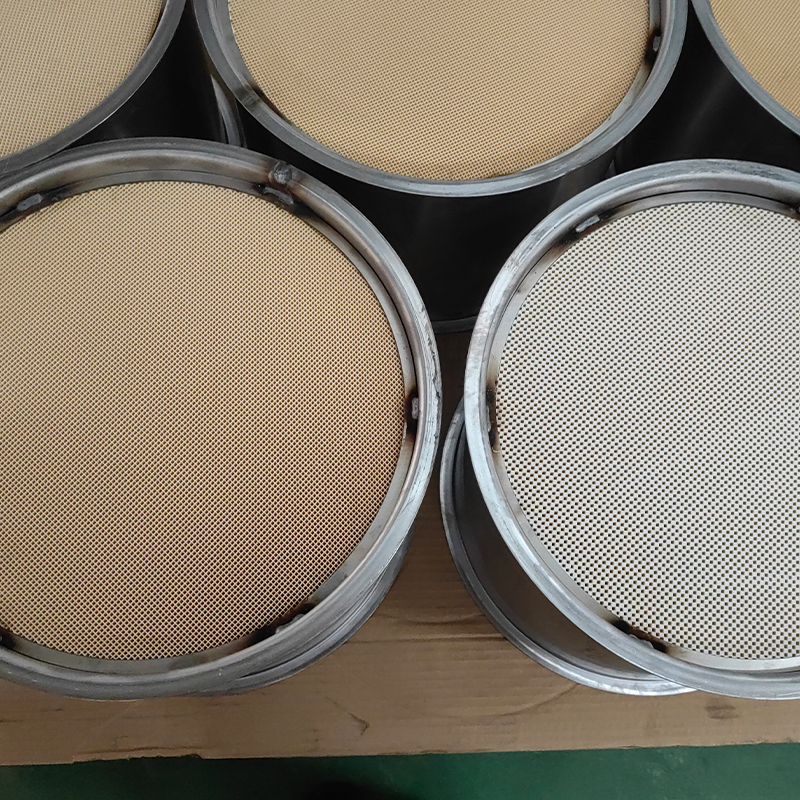
A DOC (Diesel Oxidation Catalyst) is a critical emissions control component that reduces harmful pollutants like carbon monoxide (CO), hydrocarbons (HC), and soluble organic fractions in diesel exhaust. It works by oxidizing these pollutants into less harmful substances such as carbon dioxide (CO₂) and water vapor. In ...
Welded Catalytic Converter Components Manufacturers
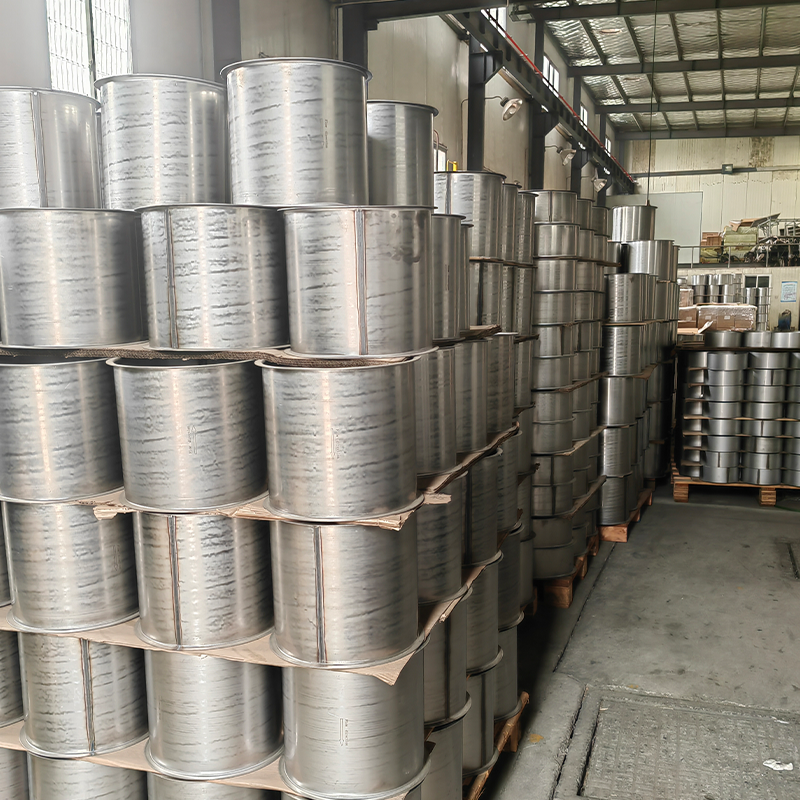
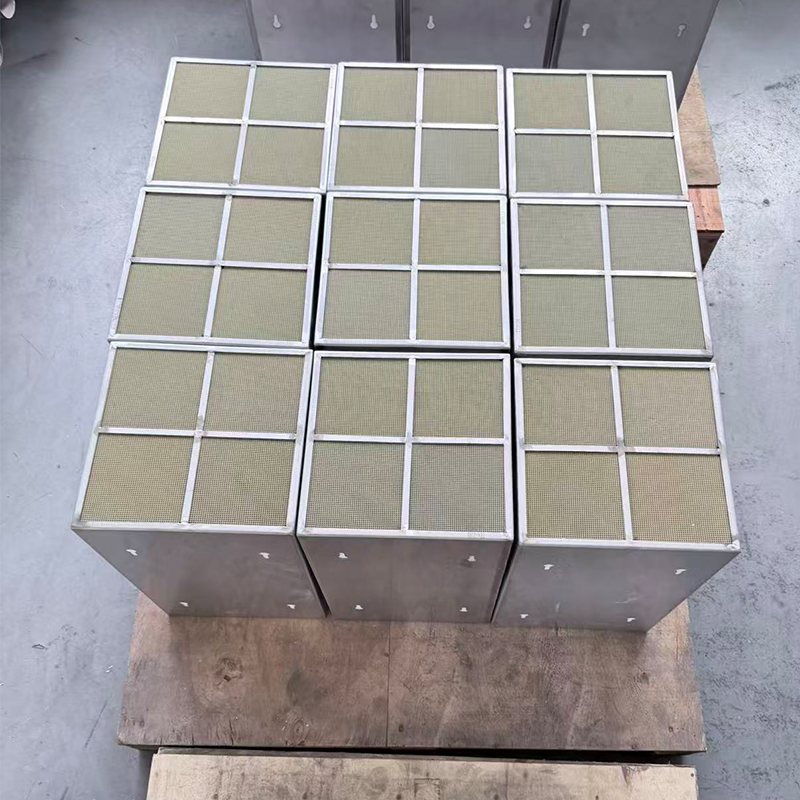
The welded components for three-way catalytic converters refer to a complete, ready-to-install exhaust system module in which the converter serves as the core element and is integrated with the inlet pipe, outlet pipe, flanges, sensor fittings, and other parts through welding processes. It is no longer a single emission-control component, but a composite assembly that incorporates environmental purification, mechanical connection, and sealing functions. The welded component series for three-way catalysts represents the trend toward modularization, integration, and plug-and-play design in catalyst products. By integrating the core catalytic function with the necessary mechanical structure, it provides users with a convenient maintenance solution. This series covers a wide range of products—from OEM premium models to cost-effective aftermarket versions, and from close-coupled front sections to under-floor main sections—making it an important and mature product category in the automotive aftermarket exhaust system sector. Choosing the correct welded component series is key to ensuring vehicle emissions compliance, performance restoration, and long-term stable operation.
Focus on three-way catalytic carrier coating
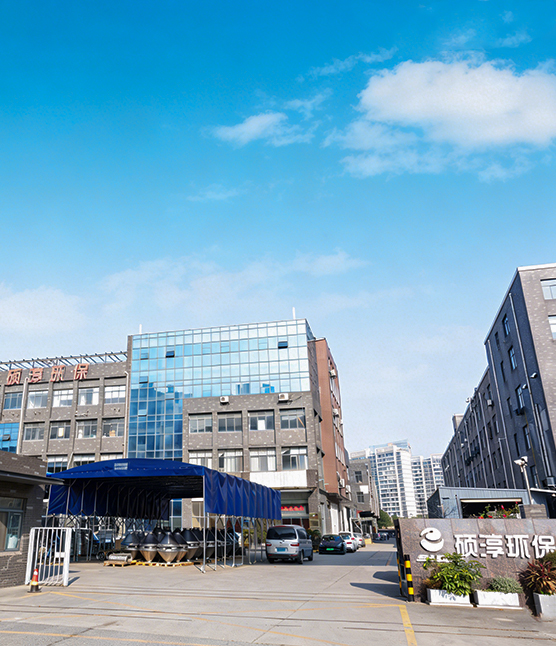
As China Welded Components Manufacturers and Metal Welding Parts Suppliers, Founded in July 2024, Longyou Shuochun New Material Technology Co., Ltd. is a high-tech enterprise specializing in the coating and sales of three-way catalytic converters. It is deeply engaged in the field of new materials.
The company always keeps an eye on the industry frontier, actively learns from and draws on the advanced formulas and mature technologies of domestic and foreign counterparts. Through in-depth research and localization of mainstream formulas, it accurately adjusts the proportion of raw materials such as rare earths, precious metals and non-precious metals, so as to ensure that the coated carriers produced have stable catalytic activity and reliable performance.
The company's products cover a variety of specifications and models, and its products and technologies are applicable to automobiles, motorcycles, general-purpose engines, construction machinery, marine power, generator sets, agricultural machinery and other fields.
In the future, the company will continue to learn advanced industry experience, optimize production and services, and contribute to the realization of carbon peaking and carbon neutrality goals in China and around the world.
News Center
-
-
Understanding Emission Control Catalysts Emission control catalysts play a critical role in the automotive and industrial sectors by reducing harmful pollutants released into the atmosphere. These catalysts are designed to promote chemical reactions that transform toxic gases, such as carbon monoxide (CO), nitrogen ox...
-
The most direct signals that a Diesel Oxidation Catalyst (DOC) needs replacement include: a persistent check engine light — particularly DTC codes such as P0420/P0421 — exhaust HC and CO emissions exceeding regulatory limits by 50% or more, an abnormal increase in fuel consumption of 5%–15%, white or blue smoke continu...
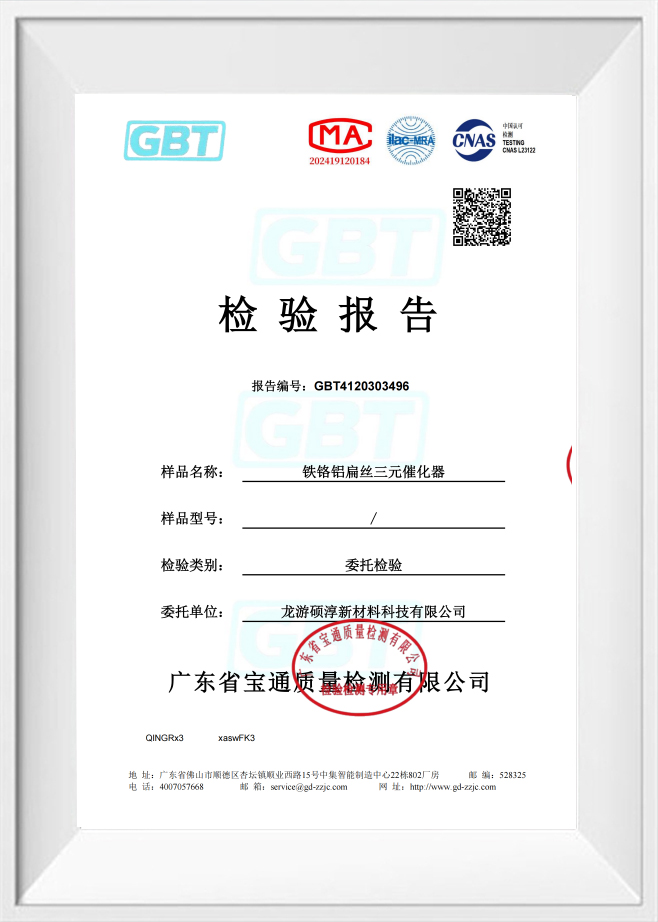
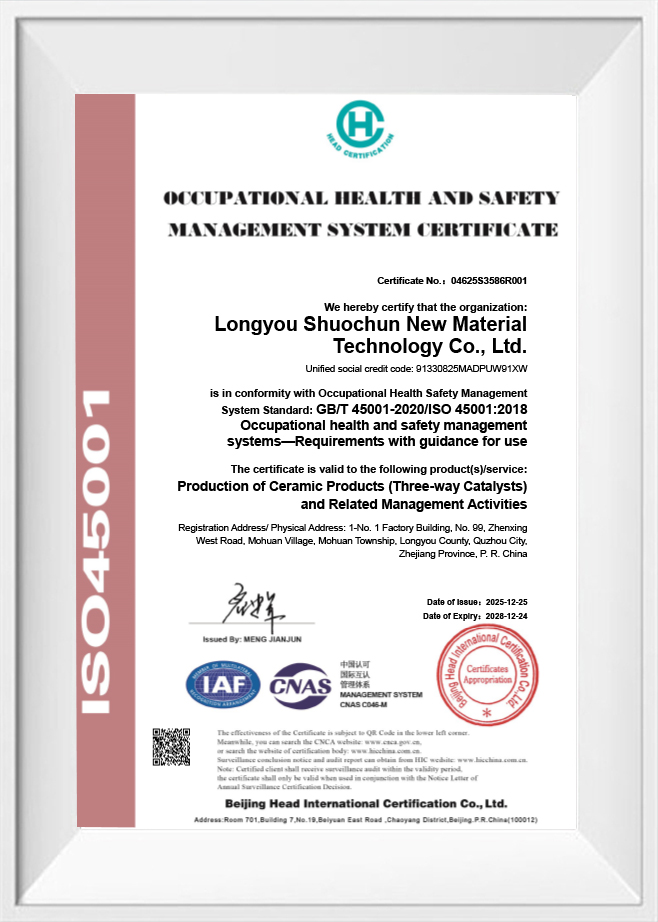
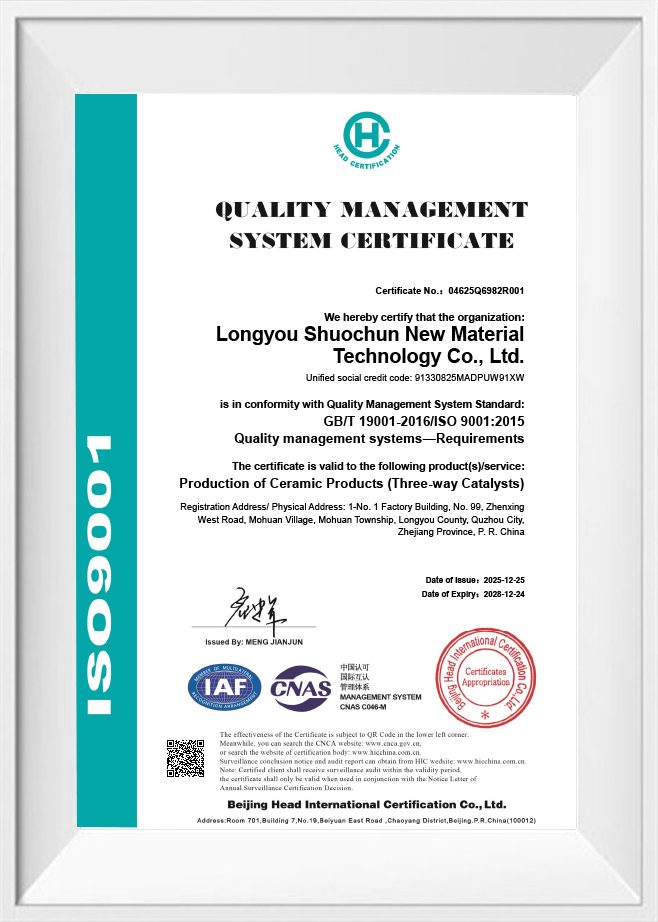
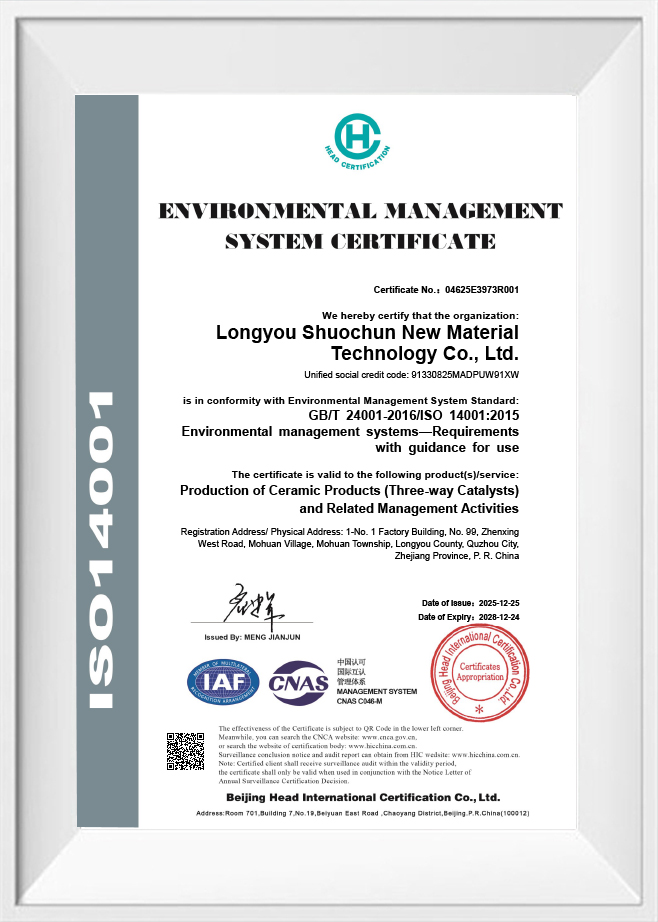
Certificate Of Honor
Message Feedback
Welded Component Series Industry knowledge
Welded Component Series: Durability and Strength Insights
Material Selection and Structural Design
Longyou Shuochun New Material Technology Co., Ltd. applies advanced material selection for the Welded Component Series to enhance long-term performance. High-quality alloys and steels are used, chosen for their mechanical properties and ability to withstand repeated stress. The structural design emphasizes uniform load distribution across welded joints, reducing the risk of localized fatigue or deformation. By carefully controlling material thickness and joint geometry, the components maintain consistent mechanical integrity over extended periods of operation.
Welding Techniques and Joint Integrity
The durability and strength of welded components are closely linked to the welding methods employed. Controlled welding processes, such as TIG or laser-assisted welding, are used to create strong and consistent joints. The precision of these techniques ensures minimal residual stress and reduces the formation of micro-cracks that could propagate under cyclic loading. Post-welding treatments, including stress relief and surface finishing, further enhance joint stability and help maintain structural performance during long-term use.
Resistance to Mechanical Fatigue
The Welded Component Series is designed to resist mechanical fatigue from repeated loads and vibrations. Factors such as joint geometry, material selection, and welding quality contribute to the component's ability to endure continuous operational stress. Laboratory tests simulating long-term use indicate that these components maintain their load-bearing capacity and dimensional stability, demonstrating reliability in demanding applications.
Corrosion Resistance and Environmental Adaptation
Long-term durability is also influenced by exposure to environmental factors such as humidity, temperature fluctuations, and chemical agents. Protective coatings and surface treatments are applied to the Welded Component Series to limit oxidation and corrosion. The selection of corrosion-resistant alloys further extends component life, allowing the series to perform consistently even in challenging industrial or automotive environments.
Load-Bearing Capacity Under Different Conditions
The Welded Component Series is evaluated for strength and durability under varying load conditions. Table 1 presents typical load-bearing capacities and corresponding elongation and tensile strength values for different material grades used in the series. These data illustrate how the components respond to static and dynamic loads, providing a reference for expected performance over long-term use.
| Material Grade | Maximum Load (kN) | Elongation (%) | Tensile Strength (MPa) |
| Alloy Steel A | 120 | 18 | 550 |
| Stainless Steel B | 100 | 22 | 500 |
| High-Strength Steel C | 140 | 15 | 600 |
Thermal Stability and Stress Management
The Welded Component Series is engineered to handle temperature variations without significant loss of structural integrity. Materials are selected to maintain their mechanical properties under both high and low temperatures. Thermal expansion and contraction are considered during design to reduce internal stress within welded joints. This approach prevents premature deformation and supports long-term strength stability, even in applications involving fluctuating thermal conditions.
Inspection, Testing, and Quality Assurance
Components undergo rigorous inspection and testing to ensure long-term durability and strength. Non-destructive testing methods, such as ultrasonic and radiographic inspection, are applied to detect hidden defects in welded joints. Mechanical testing, including tensile, bending, and fatigue tests, provides quantitative data on component performance. These quality assurance measures ensure that the Welded Component Series meets the expected durability and strength standards over its service life.
Predictive Maintenance and Lifecycle Analysis
Longyou Shuochun New Material Technology Co., Ltd. employs predictive analysis to estimate component lifespan and schedule maintenance proactively. Simulation models analyze stress distribution, fatigue accumulation, and environmental effects on the welded components. This predictive approach helps identify potential issues before failure occurs, ensuring consistent performance and reducing the risk of unexpected downtime in industrial and automotive applications.
FAQ
Q: How does the welding technique affect the long-term strength of the Welded Component Series?
A: Longyou Shuochun New Material Technology Co., Ltd. uses precise welding methods to create uniform joints with minimal residual stress. This approach reduces the likelihood of micro-cracks forming under repeated loads, which helps maintain structural integrity over extended use.
Q: What measures are taken to improve fatigue resistance in welded components?
A: The Welded Component Series is designed with optimized joint geometry and high-quality alloys that can withstand cyclic loading. Stress relief treatments and controlled welding processes are applied to reduce fatigue accumulation and support consistent mechanical performance over time.
Q: How does the series handle environmental factors such as humidity and temperature changes?
A: Protective coatings and corrosion-resistant materials are incorporated into the Welded Component Series to minimize the effects of environmental exposure. These measures help maintain strength and durability in conditions with variable humidity, temperature, or chemical exposure.
Q: In what ways does material selection influence the overall durability of the components?
A: Materials are chosen for their mechanical stability, resistance to deformation, and compatibility with welding processes. The combination of suitable alloys and stainless steels ensures that the components can sustain mechanical loads and maintain dimensional stability during long-term use.
Q: How is the performance of welded joints evaluated over time?
A: The Welded Component Series undergoes rigorous testing, including tensile, bending, and fatigue assessments, as well as non-destructive inspection methods such as ultrasonic and radiographic testing. These evaluations provide data on joint integrity and help predict long-term durability under operational conditions.
Q: Can the components maintain strength under high operational loads?
A: The series is engineered to distribute stress evenly across welded joints, which allows the components to bear high loads without significant deformation. Laboratory testing confirms that the series retains load-bearing capacity under both static and dynamic conditions.
Q: How does Longyou Shuochun New Material Technology Co., Ltd. ensure consistency in welded component quality?
A: Quality control is integrated throughout the manufacturing process, including careful monitoring of material preparation, welding, post-weld treatment, and surface finishing. This systematic approach ensures that each component meets expected standards for strength and durability.
