


 English
 русский
 Español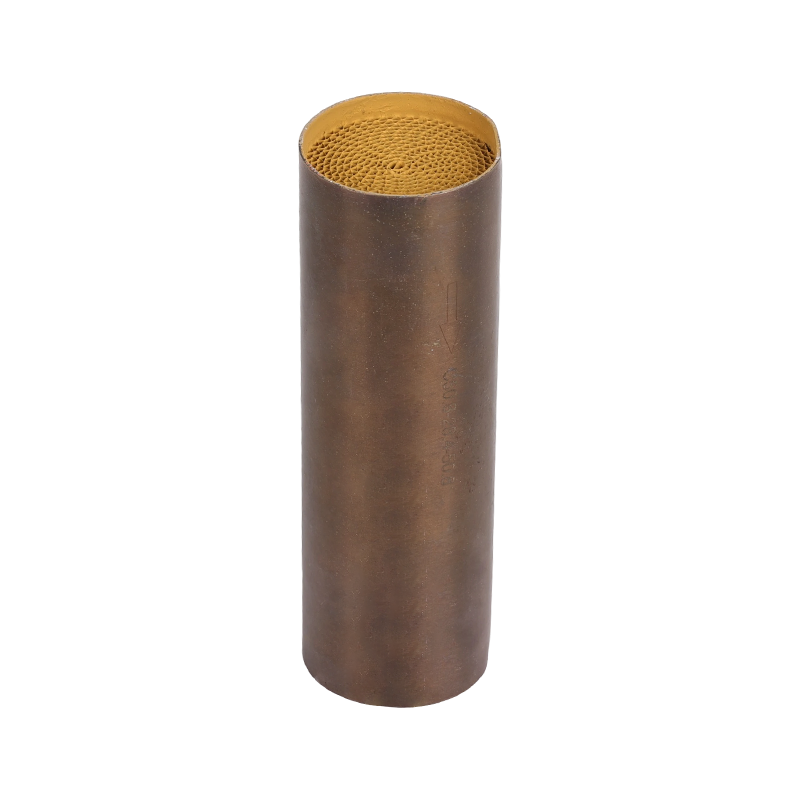
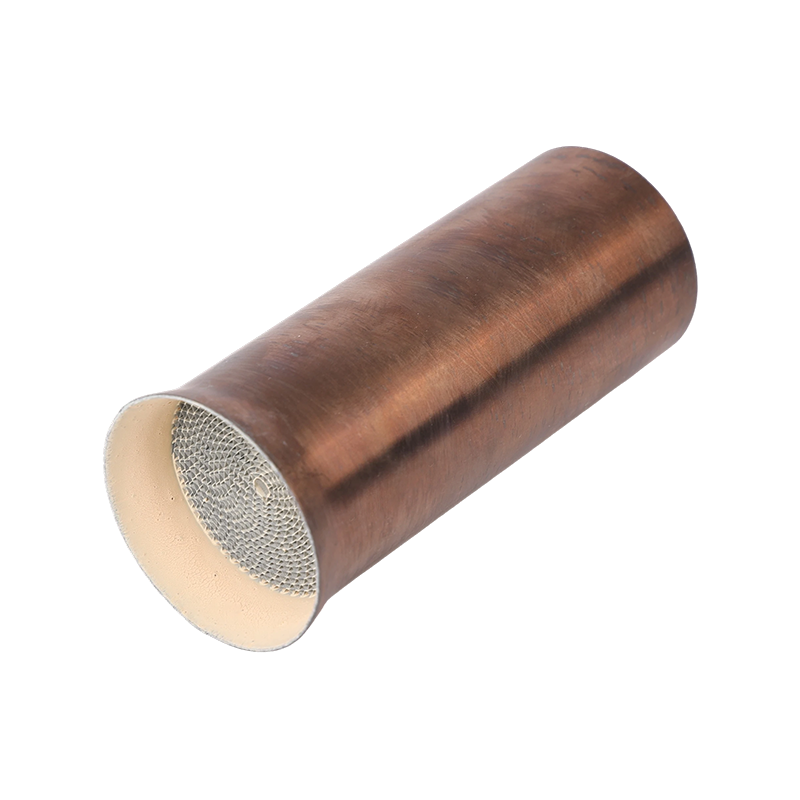
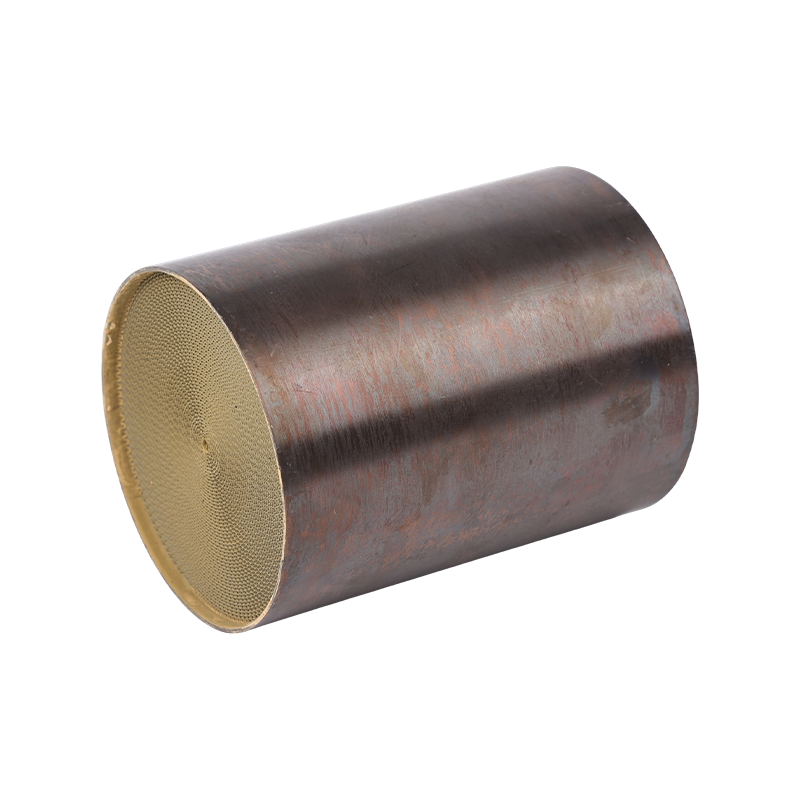
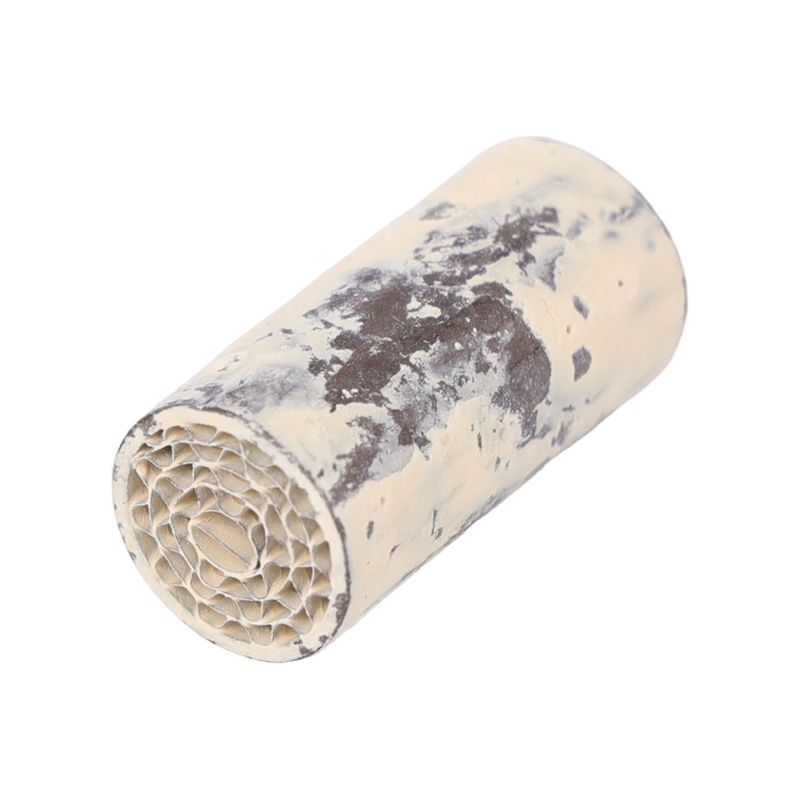
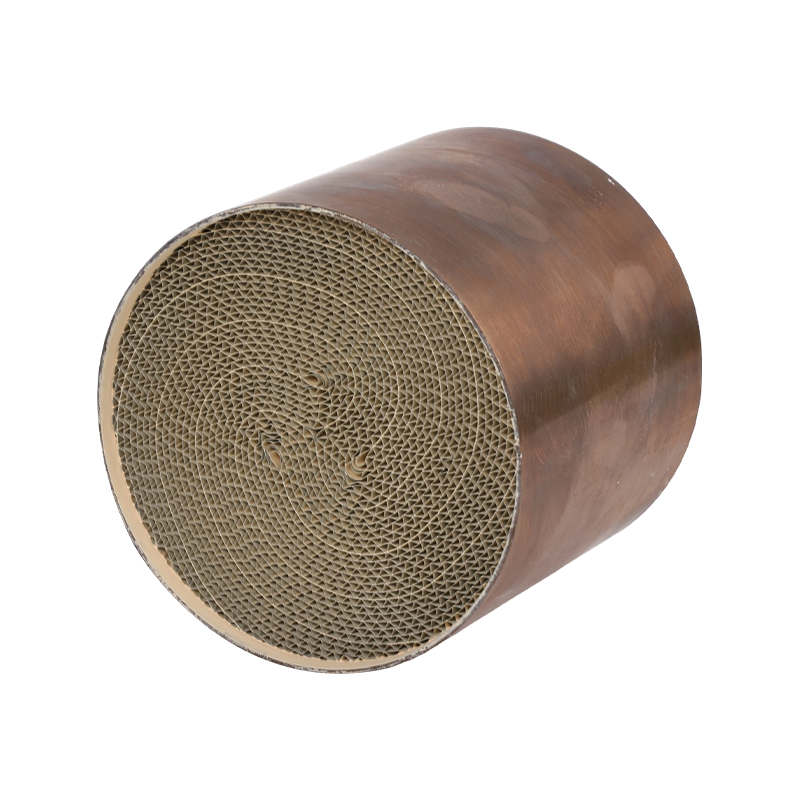
A DOC (Diesel Oxidation Catalyst) is a critical emissions control component that reduces harmful pollutants like carbon monoxide (CO), hydrocarbons (HC), and soluble organic fractions in diesel exhaust. It works by oxidizing these pollutants into less harmful substances such as carbon dioxide (CO₂) and water vapor. In ...
Metallic Substrate Catalyst Manufacturers
A metal substrate catalyst, as the name implies, is a catalytic converter that uses specialized alloy foils as the carrier material. Its core structure is similar to that of a ceramic substrate, featuring a honeycomb channel design, but differences in material and manufacturing processes give it unique performance characteristics. It is not intended to completely replace ceramic substrates but plays a critical role in applications where specific requirements for performance, durability, and structure are demanded.
The metal substrate catalyst represents a high-performance, high-reliability catalytic technology solution. With its three core advantages—robust durability, rapid light-off, and low back pressure—it occupies an irreplaceable position in fields that impose strict demands on size, weight, response speed, and reliability. It is one of the key development directions in catalytic technology, continuously advancing toward higher efficiency, more compact designs, and lighter weight.
Focus on three-way catalytic carrier coating
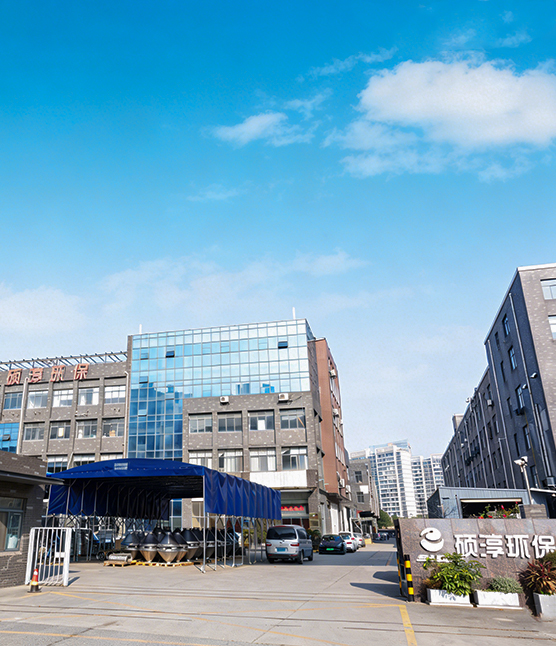
As China Metallic Substrate Catalyst Manufacturers and Metallic Catalytic Converter Suppliers, Founded in July 2024, Longyou Shuochun New Material Technology Co., Ltd. is a high-tech enterprise specializing in the coating and sales of three-way catalytic converters. It is deeply engaged in the field of new materials.
The company always keeps an eye on the industry frontier, actively learns from and draws on the advanced formulas and mature technologies of domestic and foreign counterparts. Through in-depth research and localization of mainstream formulas, it accurately adjusts the proportion of raw materials such as rare earths, precious metals and non-precious metals, so as to ensure that the coated carriers produced have stable catalytic activity and reliable performance.
The company's products cover a variety of specifications and models, and its products and technologies are applicable to automobiles, motorcycles, general-purpose engines, construction machinery, marine power, generator sets, agricultural machinery and other fields.
In the future, the company will continue to learn advanced industry experience, optimize production and services, and contribute to the realization of carbon peaking and carbon neutrality goals in China and around the world.
News Center
-
-
Understanding Emission Control Catalysts Emission control catalysts play a critical role in the automotive and industrial sectors by reducing harmful pollutants released into the atmosphere. These catalysts are designed to promote chemical reactions that transform toxic gases, such as carbon monoxide (CO), nitrogen ox...
-
The most direct signals that a Diesel Oxidation Catalyst (DOC) needs replacement include: a persistent check engine light — particularly DTC codes such as P0420/P0421 — exhaust HC and CO emissions exceeding regulatory limits by 50% or more, an abnormal increase in fuel consumption of 5%–15%, white or blue smoke continu...
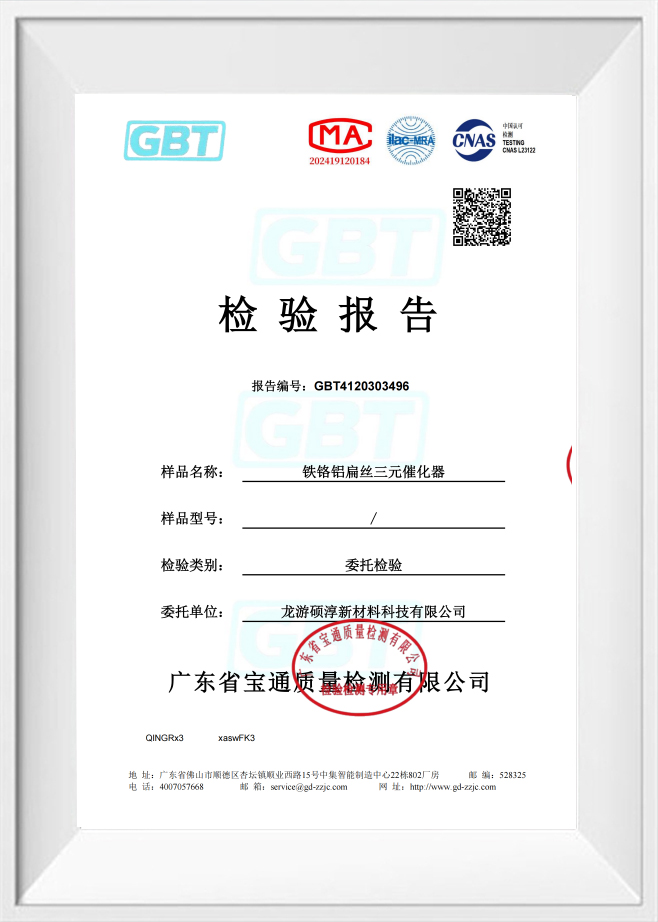
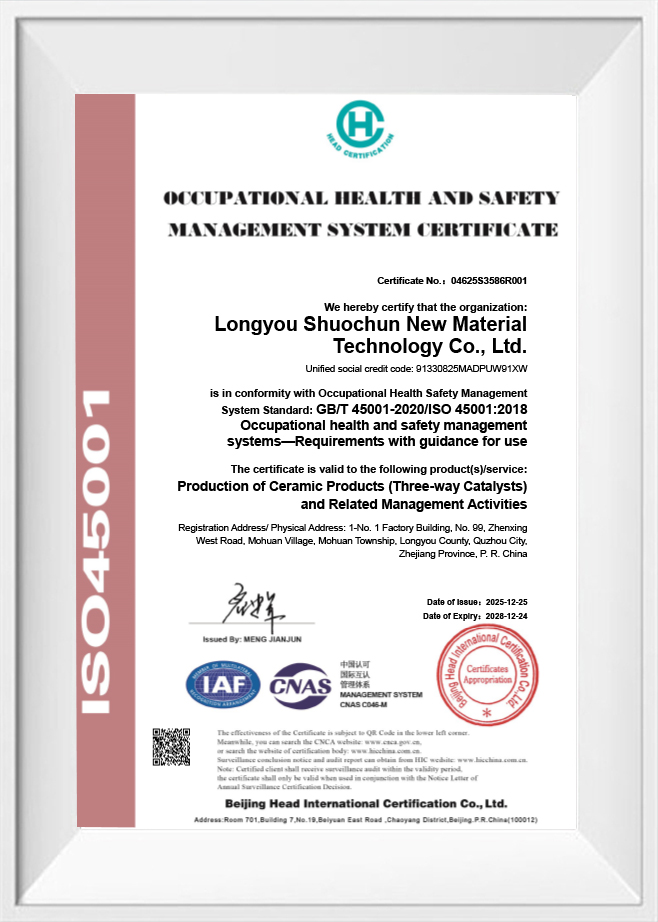
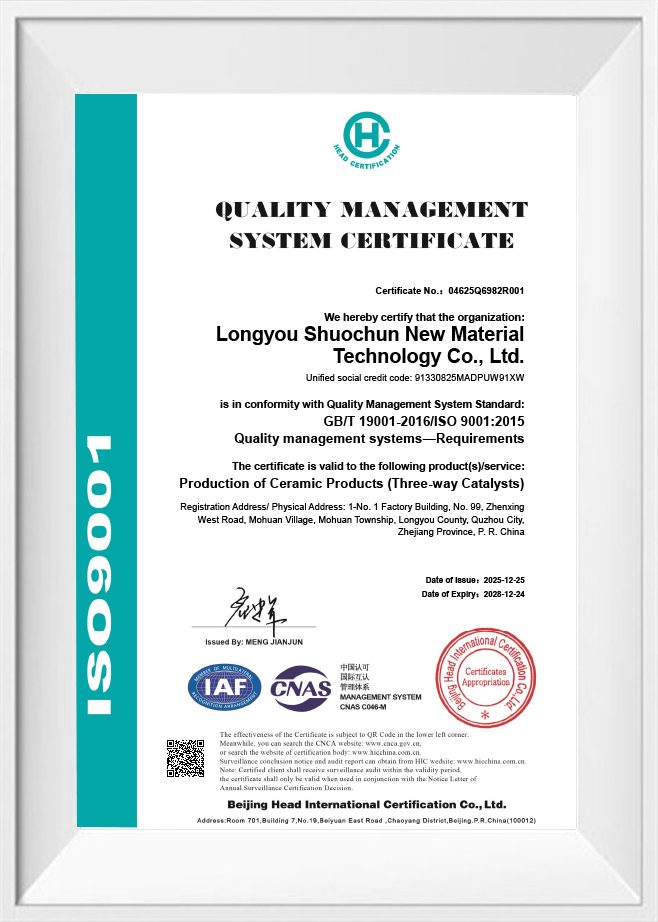
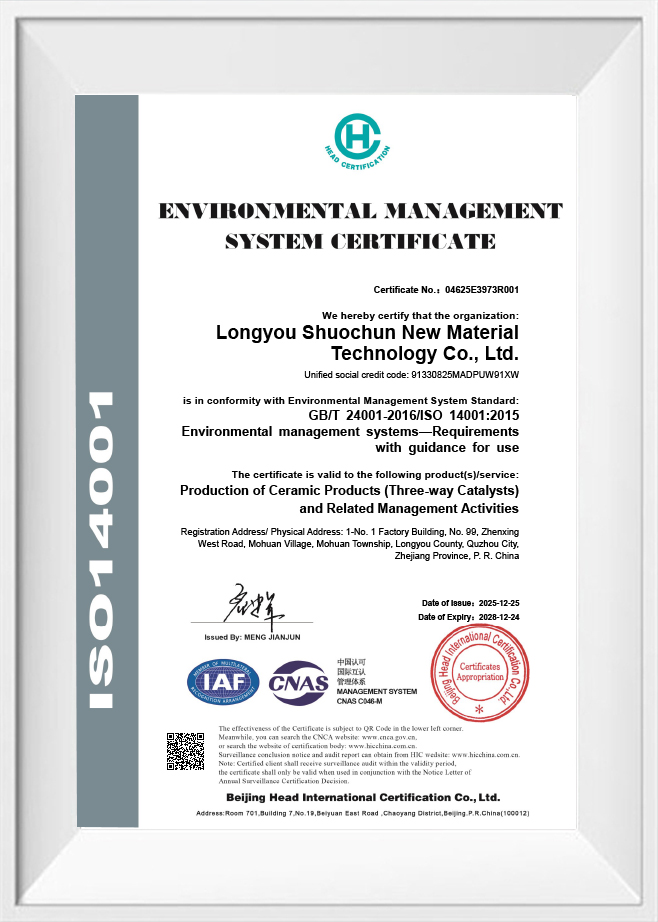
Certificate Of Honor
Message Feedback
Metallic Substrate Catalyst Industry knowledge
Technical Advantages of Metallic Substrate Catalysts Compared to Traditional Ceramic-Supported Catalysts
Material Properties and Mechanical Strength
Longyou Shuochun New Material Technology Co., Ltd. applies Metallic Substrate Catalysts to enhance mechanical robustness. Unlike traditional ceramic substrates, Metal Honeycomb Carriers and metallic substrates exhibit higher tensile strength and resistance to cracking under vibration or impact. This characteristic allows these catalysts to maintain structural integrity under challenging operating conditions, reducing the likelihood of substrate failure and extending service life. Advanced Corrosion Resistant Metal Carriers also provide additional durability in harsh exhaust environments.
Thermal Conductivity and Heat Management
Metallic substrates provide superior thermal conductivity compared to ceramic materials, which facilitates rapid heat distribution throughout the catalyst. This property helps Metallic Substrate Catalysts reach optimal operating temperatures faster and maintain uniform temperature across the surface. Longyou Shuochun New Material Technology Co., Ltd. leverages this thermal advantage to improve the activation of catalytic coatings and support consistent pollutant conversion efficiency, particularly during transient engine operations. Specialized Metal Substrates for DOC optimize heat transfer and promote faster activation in diesel oxidation catalysts.
Substrate Geometry and Surface Area Optimization
Metallic substrates can be manufactured with thinner walls and more precise channel geometries than ceramic substrates. This allows for higher open frontal area and reduced flow resistance, improving exhaust gas distribution. Longyou Shuochun New Material Technology Co., Ltd. utilizes advanced forming techniques to optimize substrate geometry, balancing surface area for catalytic coating adhesion with low backpressure to enhance engine efficiency. These Metallic Catalytic Converters achieve uniform exhaust flow while maximizing catalytic activity.
Durability Under Thermal Cycling
Repeated heating and cooling cycles place stress on catalyst substrates, which can lead to cracking or delamination in ceramic-based catalysts. Metallic substrates, due to their ductility, accommodate thermal expansion and contraction more effectively. Longyou Shuochun New Material Technology Co., Ltd. applies specialized coatings on Metallic Substrate Catalysts to withstand thermal cycling without significant structural degradation, supporting longer operational lifetimes.
Impact Resistance and Vibration Tolerance
Metallic substrate catalysts offer improved resistance to mechanical shocks and vibrations, making them suitable for applications in vehicles operating under rough road conditions or variable engine loads. The resilience of metallic substrates and Corrosion Resistant Metal Carriers helps maintain uniform coating integrity, which is crucial for consistent catalytic activity. Longyou Shuochun New Material Technology Co., Ltd. designs mounting and substrate configurations to further minimize vibration-induced stress.
Performance Comparison under Various Conditions
Table 1 summarizes typical performance differences between metallic and ceramic substrates in key operational metrics, illustrating the technical advantages of metallic substrates in terms of thermal response, backpressure, and mechanical stability.
| Parameter | Metallic Substrate Catalyst | Ceramic Substrate Catalyst |
| Thermal Conductivity | High (facilitates rapid heat distribution) | Low (slower heat propagation) |
| Mechanical Strength | High (resists cracking and impact) | Moderate (prone to brittle failure under stress) |
| Backpressure | Lower (thinner walls and optimized channels) | Higher (thicker walls and limited channel design) |
| Durability under Thermal Cycling | Good (accommodates expansion and contraction) | Moderate (risk of cracking over repeated cycles) |
| Vibration Tolerance | High (resilient to road and engine vibrations) | Moderate (more susceptible to coating delamination) |
Integration with Emission Control Systems
Metallic Catalytic Converters are compatible with a variety of exhaust configurations, enabling more compact and flexible designs. Longyou Shuochun New Material Technology Co., Ltd. integrates Metallic Substrate Catalysts with three-way catalytic converters and particulate filters to optimize exhaust flow, temperature distribution, and pollutant conversion efficiency. The adaptability of Metal Substrates for DOC allows improved performance in modern emission control systems.
Maintenance and Service Considerations
Due to enhanced mechanical and thermal resilience, Metallic Substrate Catalysts may exhibit lower sensitivity to damage during installation or operation. Longyou Shuochun New Material Technology Co., Ltd. recommends routine inspections of coating integrity and exhaust system mounting, but metallic substrates typically allow for extended maintenance intervals compared to ceramic counterparts, contributing to operational reliability.
FAQ
Q: How does the thermal conductivity of metallic substrate catalysts impact their activation and performance?
A: Metallic Substrate Catalysts have higher thermal conductivity than ceramic substrates, allowing them to reach operating temperatures more quickly and maintain uniform heat distribution. Longyou Shuochun New Material Technology Co., Ltd. leverages this property to ensure rapid activation of catalytic coatings, which supports consistent pollutant conversion under variable engine conditions.
Q: How do metallic substrates enhance resistance to mechanical stress and vibrations?
A: The ductility and tensile strength of Metal Honeycomb Carriers and Corrosion Resistant Metal Carriers provide resilience against vibrations from engine operation or road conditions. Longyou Shuochun New Material Technology Co., Ltd. designs metallic catalysts to resist cracking and coating delamination, helping maintain long-term reliability even under challenging mechanical stress.
Q: What advantages do metallic substrates offer in terms of exhaust backpressure?
A: Metallic Substrate Catalysts can be manufactured with thinner walls and optimized channel geometry, reducing exhaust flow resistance. Longyou Shuochun New Material Technology Co., Ltd. uses these design advantages to minimize backpressure, which improves engine efficiency and supports effective exhaust treatment when integrated in Metallic Catalytic Converters.
Q: How does substrate geometry affect coating adhesion and catalyst efficiency?
A: The flexibility of metallic substrates allows precise channel design and increased surface area for catalytic coatings. Longyou Shuochun New Material Technology Co., Ltd. optimizes substrate geometry to enhance coating adhesion while promoting uniform exhaust gas distribution, improving overall catalytic efficiency in Metal Substrates for DOC.
Q: How does thermal cycling influence the durability of metallic substrate catalysts?
A: Repeated heating and cooling can stress catalyst materials. Metallic Substrate Catalysts accommodate expansion and contraction more effectively than ceramic substrates. Longyou Shuochun New Material Technology Co., Ltd. applies durable coatings and selects materials that maintain performance through repeated thermal cycles, supporting long-term stability.
Q: How do metallic substrate catalysts integrate with modern emission control systems?
A: Metallic Catalytic Converters equipped with Metallic Substrate Catalysts are adaptable and compact, allowing integration with systems like three-way catalytic converters or particulate filters. Longyou Shuochun New Material Technology Co., Ltd. designs substrates and coatings to ensure compatibility, uniform exhaust flow, and consistent pollutant conversion across the vehicle’s emission control system.
Q: What maintenance considerations are unique to metallic substrate catalysts?
A: While Metallic Substrate Catalysts offer enhanced mechanical and thermal resilience, coating integrity and mounting stability should still be monitored. Longyou Shuochun New Material Technology Co., Ltd. recommends routine inspections and maintenance schedules that focus on coating condition and exhaust system alignment to sustain long-term catalyst performance.
